
Can Ivermectin and Mebendazole Be Used Together?

Updated: Aug 24
Written by Dr. Adam Makis in TheSkyMeds Editorial Standards
Medically reviewed by Jonathan Reed, Medical Content Reviewer Jun 27 2026
Introduction
Many people assume that all parasite medications work the same way. In reality, different drugs target different parasites, and sometimes doctors use more than one medication to improve treatment outcomes.
Among the most commonly discussed antiparasitic drugs are Ivermectin and Mebendazole . Both have been used for decades to treat various parasitic infections around the world. Because they work differently, patients often ask whether they can be taken together.
The answer is not always straightforward. In certain situations, healthcare providers may prescribe both medications as part of a treatment plan. However, whether they should be used together depends on the type of infection, the patient's health status, possible drug interactions, and professional medical guidance.
Understanding how these medications work and when combination therapy may be appropriate can help patients make safer and more informed decisions.

Understanding Ivermectin
Ivermectin is a medication primarily used to treat several parasitic infections. It has been widely used globally and is included on the World Health Organization's list of essential medicines.
The drug works by interfering with the nervous system of certain parasites, causing paralysis and eventual death of the organism.
Common conditions treated with ivermectin include:
Strongyloidiasis
Onchocerciasis (river blindness)
Scabies
Certain intestinal worm infections
Some external parasite infestations
Ivermectin is usually taken orally, although topical formulations are available for certain conditions.
One reason ivermectin has gained significant attention is its effectiveness against specific parasites that may not respond well to other treatments.
Understanding Mebendazole
Mebendazole belongs to a class of medications known as benzimidazole anthelmintics.
Unlike ivermectin, mebendazole works by preventing parasites from absorbing glucose, which is essential for their survival. Without access to energy, the parasites gradually die.
Mebendazole is commonly prescribed for:
Pinworm infections
Roundworm infections
Whipworm infections
Hookworm infections
Mixed intestinal worm infections
Because of its broad-spectrum activity, mebendazole is often considered a first-line treatment for many common intestinal worm infections.
Can Ivermectin and Mebendazole Be Used Together?
In some situations, yes.
Healthcare professionals may prescribe ivermectin and mebendazole together when treating infections involving multiple parasite species or when a single medication may not provide sufficient coverage.
Since the two medications attack parasites through different mechanisms, they may complement one another in certain clinical scenarios.
However, this does not mean that everyone with a parasitic infection should take both medications.
The decision depends on factors such as:
Type of parasite
Severity of infection
Geographic location
Patient age
Pregnancy status
Existing medical conditions
Current medications
For some infections, a single medication is sufficient. For others, combination therapy may improve treatment success.
Why Doctors Sometimes Use Combination Therapy
Combination therapy is not unique to parasite treatment. It is commonly used in medicine for bacterial infections, cancer treatment, and certain chronic diseases.
The main goals of combining antiparasitic medications may include:
Broader Parasite Coverage
Some patients may harbor more than one parasite species simultaneously.
Using both medications may increase the likelihood of eliminating multiple organisms with different biological characteristics.
Improved Treatment Outcomes
Certain parasites respond better to one drug than another.
Combining therapies may enhance overall effectiveness in selected cases.
Reduced Risk of Treatment Failure
Some infections are difficult to eradicate completely.
Healthcare providers may choose combination approaches when they believe broader activity will improve results.
Community-Based Parasite Control Programs
In some regions where parasitic infections are common, public health initiatives have evaluated combinations of antiparasitic medications to reduce disease burden across populations.
How the Two Medications Differ
Feature | Ivermectin | Mebendazole |
Drug Class | Macrocyclic lactone | Benzimidazole |
Main Action | Paralyses parasites | Blocks glucose absorption |
Common Use | Strongyloidiasis, scabies, onchocerciasis | Pinworms, hookworms, roundworms |
Administration | Usually oral | Usually oral |
Parasite Coverage | Specific parasites | Broad intestinal worm coverage |
Medical Supervision | Recommended | Recommended |
This difference in action is one reason healthcare professionals may consider using both medications in selected situations.
Is the Combination Safe?
For many patients, the combination has been reported as generally well tolerated when prescribed appropriately.
However, safety depends on individual circumstances.
Potential side effects associated with ivermectin may include:
Dizziness
Nausea
Fatigue
Headache
Mild gastrointestinal symptoms
Potential side effects associated with mebendazole may include:
Abdominal pain
Diarrhea
Nausea
Temporary digestive discomfort
When used together, side effects do not necessarily double, but monitoring remains important.
Patients Who Require Extra Caution
Certain individuals should consult healthcare professionals before treatment, including:
Pregnant women
Breastfeeding mothers
Young children
Individuals with liver disease
People taking multiple medications
Immunocompromised patients
Medical evaluation helps ensure treatment remains safe and appropriate.
Potential Drug Interactions
Current evidence suggests that ivermectin and mebendazole do not have a major direct interaction in most patients.
Nevertheless, healthcare providers consider the entire medication profile before prescribing treatment.
Possible concerns include:
Liver Processing
Both medications are metabolized by the liver to varying degrees.
Patients with liver disease may require additional monitoring.
Other Prescription Medications
Certain drugs may alter how antiparasitic medications are processed.
Examples can include:
Anticoagulants
Some seizure medications
Certain antibiotics
Immunosuppressive drugs
Healthcare professionals evaluate these factors before recommending treatment.
Conditions Where Both Drugs May Be Considered
Although treatment decisions vary, physicians may consider combination therapy in situations involving:
Mixed Helminth Infections
Patients infected with multiple intestinal worm species may benefit from broader coverage.
Strongyloidiasis with Additional Worm Infections
Ivermectin is often highly effective against strongyloidiasis, while mebendazole may address other accompanying intestinal worms.
High-Burden Parasitic Disease Regions
In some endemic areas, combination treatment strategies have been explored to improve parasite control.
It is important to remember that diagnosis should guide treatment rather than assumptions about symptoms.
Why Self-Treatment Can Be Risky
The internet has made medication information widely available, but self-diagnosis remains a major concern.
Symptoms such as:
Stomach pain
Fatigue
Diarrhea
Weight loss
Skin irritation
can result from many conditions besides Parasites .
Taking antiparasitic medications without proper evaluation can lead to:
Delayed diagnosis
Incorrect treatment
Unnecessary side effects
Missed underlying illnesses
A healthcare provider can confirm whether parasites are actually present and identify the most appropriate treatment plan.
What Research Suggests About Combination Use
Clinical research and public health studies have explored combinations of antiparasitic medications in various settings.
Many findings suggest that ivermectin and mebendazole can be co-administered under appropriate medical supervision without major safety concerns in most populations.
However, researchers continue studying optimal dosing strategies, effectiveness against different parasite species, and long-term outcomes.
As with many medical treatments, decisions should be guided by evidence, individual patient factors, and professional judgment.
The Importance of Accurate Diagnosis
Before taking any antiparasitic medication, obtaining an accurate diagnosis is essential.
Healthcare providers may use:
Stool Testing
Laboratory examination can identify intestinal parasites.
Blood Tests
Certain infections may produce detectable markers in the bloodstream.
Physical Examination
Symptoms and medical history often provide important clues.
Imaging Studies
In some complex cases, imaging may help evaluate complications associated with parasitic disease.
Correct diagnosis increases the likelihood of successful treatment while minimizing unnecessary medication use.
Looking Beyond Medication
Successful parasite management often involves more than simply taking medicine.
Lifestyle and prevention strategies may include:
Proper hand hygiene
Safe food preparation
Clean drinking water
Regular sanitation practices
Appropriate travel precautions
Supporting overall Gut Health can also contribute to recovery after treatment and help restore normal digestive function.
The most effective parasite treatment begins with an accurate diagnosis and a treatment plan tailored to the individual patient.
Conclusion
So, can ivermectin and mebendazole be used together?
In certain situations, yes. Because the two medications work through different mechanisms, healthcare professionals may prescribe them together for selected parasitic infections or mixed infestations. Current evidence suggests that the combination is generally well tolerated when medically supervised.
However, not every parasitic infection requires combination therapy. The safest and most effective approach is obtaining a proper diagnosis, discussing treatment options with a qualified healthcare provider, and following prescribed dosing instructions.
Whether the goal is treating a specific infection or protecting long-term Gut Health , informed medical guidance remains the key to successful outcomes.
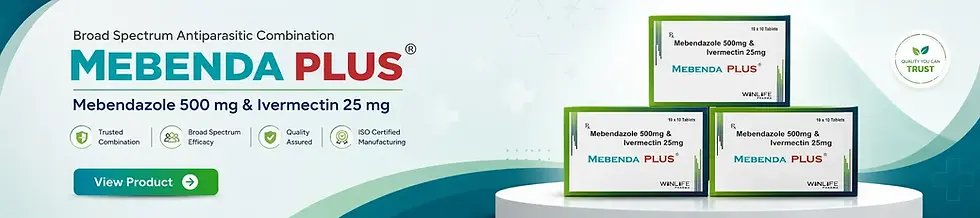
FAQ Section
FAQ 1: Can ivermectin and mebendazole be taken on the same day?
Yes, healthcare providers may prescribe them on the same day in certain situations. The timing and dosage should follow professional medical guidance.
FAQ 2: Do ivermectin and mebendazole treat the same parasites?
Not exactly. While there may be some overlap, each medication targets different types of parasites and works through different mechanisms.
FAQ 3: Are there major interactions between ivermectin and mebendazole?
Current evidence does not indicate major direct interactions in most patients, but healthcare professionals should review all medications before treatment.
FAQ 4: Is combination therapy more effective than using one medication alone?
Not always. Effectiveness depends on the specific parasite and individual patient circumstances.
FAQ 5: Can I self-treat suspected parasite infections with both medications?
Self-treatment is not recommended. Proper diagnosis is important because many symptoms associated with parasites can have other causes.
FAQ 6: Who should avoid taking ivermectin and mebendazole together without medical supervision?
Pregnant women, breastfeeding mothers, young children, individuals with liver disease, and people taking multiple medications should seek medical advice before treatment.


Comments