
Duova Inhaler vs Rescue Inhaler: Key Differences

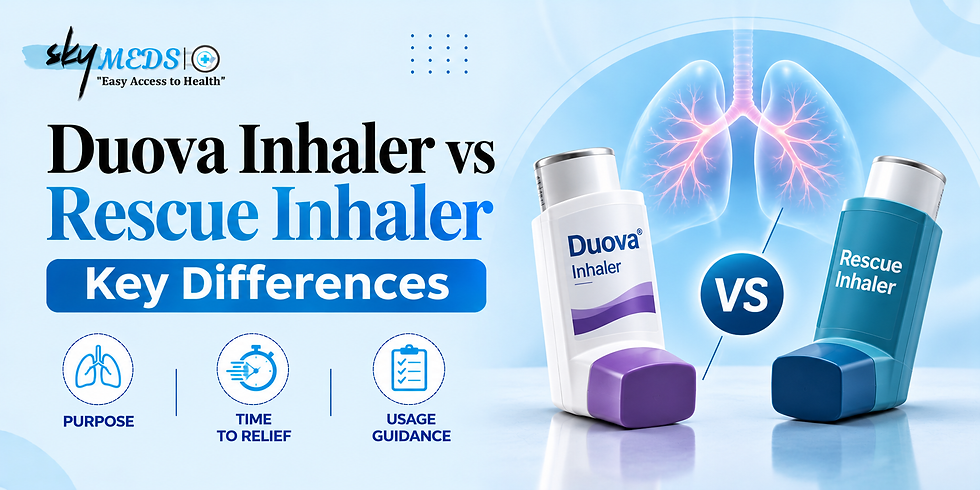
If you have chronic obstructive pulmonary disease (COPD), understanding the difference between Duova Inhaler vs Rescue Inhaler can help you manage your breathing more safely. Duova is a long-acting combination inhaler designed to keep your airways open and control ongoing COPD symptoms. A rescue inhaler, on the other hand, provides quick relief when you suddenly feel breathless, wheezy, or tight in the chest. Although both types of inhalers relax airway muscles, they serve different purposes and are not interchangeable. Duova should not replace a prescribed rescue inhaler, even though one of its ingredients can begin relaxing airway muscles relatively quickly. This guide explains how each inhaler works, when it is used, their main differences, and why some people need both as part of their COPD treatment plan.
What Is Duova Inhaler and How Does It Work?
Duova Inhaler is a prescription medicine used for the long-term management of chronic obstructive pulmonary disease (COPD). It contains two bronchodilators, tiotropium and formoterol, which work together to relax airway muscles and improve airflow. Unlike a rescue inhaler, Duova is intended for regular maintenance treatment rather than immediate relief during sudden breathing difficulties.
What Are the Active Ingredients in Duova?
Duova contains two medicines that open the airways through different mechanisms.
Tiotropium: This medicine belongs to a group called long-acting muscarinic antagonists (LAMAs). It blocks certain nerve signals that cause airway muscles to tighten, helping keep the breathing passages open for an extended period.
Formoterol: This medicine is a long-acting beta-2 agonist (LABA). It stimulates receptors in the airway muscles, helping them relax and allowing air to move more freely through the lungs.
Both medicines are bronchodilators, meaning they widen the airways to make breathing easier.
Using two long-acting bronchodilators together can improve breathing symptoms more effectively than using only one in suitable patients with COPD.
The Cipla information on Duova's tiotropium and formoterol combination identifies Duova as a dual long-acting bronchodilator developed for COPD treatment.
Why Is Duova Called a Maintenance Inhaler?
COPD causes ongoing airflow limitation, often associated with emphysema, chronic bronchitis, or both.
People with COPD may experience frequent coughing, mucus production, wheezing, and breathlessness during everyday activities.
Duova is designed to help manage these ongoing symptoms by keeping the airways more open throughout the treatment period.
When prescribed for regular use, it may help you:
Breathe more comfortably during routine activities.
Reduce ongoing wheezing and breathlessness.
Improve airflow through the lungs.
Experience better symptom control over time.
Potentially reduce the need for quick-relief medication as breathing becomes better controlled.
Duova does not cure COPD or reverse existing lung damage.
It also does not contain an inhaled corticosteroid, which is a medicine used to reduce certain types of airway inflammation.
Your doctor determines whether Duova is appropriate based on your symptoms, breathing tests, previous COPD flare-ups, and other medical conditions.
What Is a Rescue Inhaler and How Does It Work?
A rescue inhaler is a fast-acting medicine used to relieve sudden breathing symptoms. It quickly relaxes tightened airway muscles, helping improve airflow when you unexpectedly develop wheezing, chest tightness, or shortness of breath. Unlike Duova, rescue inhalers are specifically intended for quick symptom relief.
Common Types of Rescue Inhalers
One of the most widely used rescue medicines is salbutamol, also known as albuterol in some countries.
Salbutamol belongs to a group called short-acting beta-2 agonists (SABAs). It works by relaxing airway muscles, helping the breathing passages open quickly.
Another short-acting bronchodilator is ipratropium, which works through a different mechanism. It may be used in certain COPD treatment plans, sometimes alongside salbutamol.
However, people already using tiotropium-containing maintenance treatment should not add ipratropium independently because the medicines have overlapping effects.
Your healthcare professional will determine which rescue medicine is suitable for you.
How Quickly Does a Rescue Inhaler Work?
Salbutamol usually starts making breathing easier within a few minutes.
Its bronchodilator effect generally lasts around four to six hours, although the response varies between individuals.
The NHS guidance on salbutamol inhaler onset and duration explains that salbutamol works almost immediately and typically continues working for four to six hours.
This rapid action makes it useful when sudden breathing symptoms develop.
For example, someone with COPD may experience unexpected breathlessness while walking or climbing stairs. A prescribed rescue inhaler may help relieve symptoms caused by temporary airway narrowing.
However, sudden breathlessness can also have other causes, including infections or heart problems. If symptoms are severe or do not improve as expected, medical assessment is necessary.
Duova Inhaler vs Rescue Inhaler: What Are the Key Differences?
The biggest difference is their purpose: Duova helps maintain breathing control over time, while a rescue inhaler provides rapid relief during sudden symptoms. Both can widen the airways, but they differ in their ingredients, duration of action, and how they fit into COPD treatment.
Comparing Maintenance and Rescue Treatment
Duova combines two long-acting medicines to support ongoing bronchodilation.
A typical rescue inhaler contains a short-acting bronchodilator that works quickly but provides a shorter period of relief.
The COPD maintenance and rescue treatment recommendations from CHEST explain the role of long-acting bronchodilators in stable COPD and short-acting medicines for immediate symptom relief.
These recommendations support the use of different inhaler types for different treatment needs.
Duova Inhaler vs Rescue Inhaler — comparison of purpose, ingredients, onset, and use in COPD.
Feature | Duova Inhaler | Typical Rescue Inhaler |
Main purpose | Long-term COPD symptom control | Quick relief of sudden breathing symptoms |
Active ingredients | Tiotropium + formoterol | Often salbutamol (albuterol) |
Medicine category | LAMA + LABA | Usually SABA |
How quickly it works | Formoterol can begin acting quickly, but Duova is not a rescue treatment | Salbutamol usually works within minutes |
Duration | Long-acting maintenance effect | Salbutamol generally lasts 4–6 hours |
When used | Regularly as prescribed | When needed according to the treatment plan |
Suitable for sudden attacks? | No | Yes, for prescribed quick relief |
Main benefit | Ongoing airflow and symptom management | Rapid relief of temporary airway narrowing |
Can it replace the other? | No | No |
The comparison describes common treatment approaches. Exact instructions depend on the product, diagnosis, and individual medical plan.
Why Isn't the Faster-Acting Ingredient in Duova Enough for Emergencies?
Formoterol can begin relaxing airway muscles relatively quickly, which may cause confusion about whether Duova can act as a rescue inhaler.
However, the speed of one ingredient does not determine how an entire combination inhaler should be used.
Duova contains two long-acting bronchodilators and is intended for maintenance treatment.
Using extra doses to manage sudden breathlessness can increase medication exposure and may delay appropriate emergency care.
A prescribed rescue inhaler has a specific role in managing sudden symptoms, so Duova should not be used as its substitute.
Duova and rescue inhalers are not competing treatments. Duova helps maintain more open airways throughout regular COPD treatment, while a rescue inhaler provides quick relief when sudden symptoms occur. Even though formoterol can act relatively quickly, Duova is not designed or recommended as an emergency rescue medicine.
Can You Use Duova Inhaler During Sudden Breathlessness?
No. Duova should not be used as an emergency treatment for sudden breathlessness or a COPD flare-up.
If breathing suddenly becomes difficult, follow your prescribed COPD action plan and use the rescue medicine recommended by your healthcare professional. Severe or persistent symptoms require urgent medical attention.
What Should You Do During a Sudden COPD Flare-Up?
A COPD flare-up, also called an exacerbation, occurs when breathing symptoms suddenly become worse than usual.
You might notice:
Increased breathlessness, even during light activity.
More frequent or severe coughing.
Additional mucus or changes in its colour.
Increased wheezing or chest tightness.
Unusual tiredness or difficulty completing everyday activities.
If symptoms develop, use your prescribed rescue inhaler according to your individual action plan.
Some people also have a written COPD management plan explaining when to contact a clinician and what steps to take if symptoms worsen.
Avoid taking additional Duova doses to replace rescue treatment.
If your rescue medicine provides little relief, your condition continues to worsen, or you develop severe breathing difficulty, seek urgent medical care.
Why Does Duova Not Replace Emergency Treatment?
Duova is designed for ongoing treatment rather than repeated use during an acute episode.
Although both active ingredients relax airway muscles, their long-acting action and intended use differ from those of typical short-acting rescue bronchodilators.
Taking extra Duova may increase the risk of unwanted effects without providing appropriate emergency treatment.
Moreover, not all sudden breathing problems result from airway muscle tightening.
An infection, severe COPD exacerbation, heart condition, or another problem may require additional medical care.
Therefore, having an appropriate rescue plan is important even when your maintenance medicine usually controls your symptoms well.
Can You Use Duova and a Rescue Inhaler Together?
Yes. Many people with COPD are prescribed a long-acting maintenance inhaler alongside a separate short-acting rescue inhaler. These medicines serve complementary purposes, but the exact combination must be selected by a healthcare professional to avoid unnecessary medication overlap.
How Do Both Inhalers Fit Into COPD Treatment?
Think of maintenance treatment as supporting your breathing on an ongoing basis, while rescue treatment addresses unexpected episodes of airway narrowing.
Duova helps keep your airways more open through regular use.
A rescue inhaler provides additional, shorter-term relief when symptoms suddenly occur.
For example, someone may use Duova regularly as prescribed but still occasionally experience breathlessness when exposed to pollution, cold weather, or another trigger.
In that situation, a prescribed rescue inhaler may help relieve the episode.
Both types of treatment can be part of a broader COPD management plan that includes smoking cessation, vaccination, exercise advice, and pulmonary rehabilitation when appropriate.
Does Using a Rescue Inhaler Mean Duova Is Not Working?
Not necessarily.
Even with effective maintenance treatment, people with COPD may occasionally experience increased breathlessness.
The important consideration is whether rescue medicine is needed more frequently than usual.
For example, if you previously needed your rescue inhaler only occasionally but now require it repeatedly throughout the day, your COPD may be becoming less controlled.
Possible explanations include:
Worsening airway symptoms.
Incorrect maintenance inhaler technique.
Missed maintenance doses.
A respiratory infection.
Increased exposure to smoke or pollution.
Another condition contributing to breathlessness.
Your healthcare professional can investigate the cause and decide whether treatment changes are necessary.
What If You Still Feel Breathless While Taking Duova?
Ongoing breathlessness does not automatically mean you need a higher Duova dose.
Your clinician may first check how you use the inhaler and whether you are taking it as prescribed.
They may also assess your lung function, recent exacerbations, oxygen levels when appropriate, and other possible causes of symptoms.
Depending on the findings, your treatment plan may need adjusting.
Some people with COPD may benefit from additional medicines, including inhaled corticosteroids in selected circumstances.
These medicines are not necessary for everyone, and their benefits must be balanced against potential risks.
Do not combine additional inhalers or change your prescribed medicines without medical guidance.
How Can You Use Duova and Rescue Inhalers Safely?
Safe inhaler use involves understanding which medicine is for regular control, which is for sudden symptoms, and how each device should be operated. Correct inhaler technique and regular medication reviews can improve treatment delivery while reducing avoidable side effects.
Check Your Inhaler Technique
Different inhalers may require different breathing techniques.
For example, a pressurized metered-dose inhaler releases medication when the device is pressed, while a dry-powder inhaler relies on your inhalation to draw medicine into the lungs.
The Duova inhaler discussed here is a pressurized inhaler, although other Duova-branded delivery formats may also be available.
Ask your doctor, nurse, or pharmacist to demonstrate the correct method for your specific device.
They can also check whether a compatible spacer is appropriate for any of your prescribed inhalers.
Good technique matters because medicine that does not reach the lungs effectively may provide less symptom control.
Know the Possible Side Effects
Duova and common rescue inhalers can cause some similar side effects, but their ingredients also have distinct risks.
Possible Duova-related effects include:
Dry mouth.
Throat irritation or coughing.
Headache.
Tremor or shakiness.
Palpitations or a faster heartbeat.
Tiotropium may also cause problems in susceptible people with narrow-angle glaucoma or urinary retention.
Common salbutamol-related effects include temporary tremor, headache, and a faster heartbeat.
These effects do not occur in everyone, and severity varies.
Contact your healthcare professional if symptoms become troublesome, persist, or worsen.
Chest pain, severe palpitations, or sudden worsening of breathing require prompt assessment.
Avoid Common Inhaler Mistakes
Confusing maintenance and rescue medicines can lead to unnecessary risks.
It is helpful to know the exact name of each inhaler, its purpose, and the instructions supplied with it.
Do not rely only on inhaler colour because colours can vary between products and countries.
Dos and don'ts for people prescribed Duova alongside a rescue inhaler.
Do | Don't | Why It Matters |
Use Duova regularly as prescribed | Use Duova only when suddenly breathless | Duova is intended for maintenance treatment |
Keep your prescribed rescue inhaler accessible | Use extra Duova as emergency treatment | Sudden symptoms require an appropriate rescue plan |
Ask a professional to check inhaler technique | Assume different devices work identically | Correct technique improves medicine delivery |
Track changes in rescue inhaler use | Ignore a growing need for quick relief | Increased use can indicate worsening control |
Review all inhalers with your clinician | Add overlapping bronchodilators yourself | Unnecessary combinations can increase adverse effects |
Follow your written COPD action plan | Delay emergency care when breathing is severe | Serious flare-ups may need urgent treatment |
When Should You Seek Medical Attention for Breathing Problems?
If you have COPD, changes in your usual breathing pattern deserve attention, particularly when symptoms do not respond to prescribed treatment. Some breathing problems can worsen rapidly and require emergency care rather than additional home inhaler use.
Warning Signs That Need Medical Review
Contact your healthcare professional promptly if you notice:
Increasing use of your rescue inhaler.
More breathlessness than usual during daily activities.
New or worsening wheezing.
Increased coughing or changes in mucus.
Fever or signs of a chest infection.
Difficulty sleeping because of breathing symptoms.
These changes may indicate a COPD exacerbation, an infection, or another medical problem.
Early assessment can help determine whether your treatment needs adjusting.
Symptoms That Require Emergency Help
Seek emergency medical assistance if you experience:
Severe breathlessness or difficulty speaking in full sentences.
Breathing that does not improve with prescribed rescue treatment.
Blue, grey, or unusually pale lips or skin.
Severe chest pain or pressure.
Sudden confusion, fainting, or marked drowsiness.
The NHS guidance on emergency warning signs of shortness of breath identifies severe breathing difficulty, chest discomfort, skin colour changes, and sudden confusion as reasons for immediate medical attention.
Do not attempt to manage these symptoms by taking repeated extra doses of Duova.
If you also have asthma, remember that Duova does not contain an inhaled corticosteroid and should not replace prescribed asthma anti-inflammatory treatment. A clinician must determine an appropriate plan for people who have both asthma and COPD.
Conclusion
Understanding Duova Inhaler vs Rescue Inhaler helps clarify why both may be important in COPD management. Duova combines tiotropium and formoterol to provide long-acting bronchodilation for ongoing symptom control, while a rescue inhaler such as salbutamol works quickly when sudden breathing symptoms occur. Duova is not an emergency medicine and should never replace a prescribed rescue treatment.
Using each inhaler correctly, following your COPD action plan, and monitoring changes in breathing can support safer treatment. If you frequently need quick relief or your symptoms are worsening, consult your doctor or pharmacist for a medication review rather than adjusting doses yourself.
Frequently Asked Questions
1. Is Duova Inhaler a rescue inhaler?
Yes, a healthcare professional may prescribe salbutamol alongside Duova for COPD. Duova supports regular symptom control, while salbutamol provides rapid relief when needed. Follow your prescribed plan and report an increasing need for rescue medication.
2. Can I use a salbutamol inhaler while taking Duova?
Yes, a healthcare professional may prescribe salbutamol alongside Duova for COPD. Duova supports regular symptom control, while salbutamol provides rapid relief when needed. Follow your prescribed plan and report an increasing need for rescue medication.
3. How quickly does Duova Inhaler start working?
Duova contains formoterol, which can begin relaxing airway muscles relatively quickly. However, the inhaler is intended for regular maintenance treatment rather than emergency relief. The improvement you notice may vary, and full symptom control should be assessed over time.
4. What happens if I use Duova during a sudden breathing attack?
Duova is not recommended for treating sudden breathing attacks. Taking extra doses may increase side effects and delay appropriate treatment. Use your prescribed rescue medicine according to your action plan and seek emergency care if severe breathing symptoms persist.
5. Does Duova Inhaler contain steroids?
No, Duova contains tiotropium and formoterol, which are both long-acting bronchodilators. Neither ingredient is an inhaled corticosteroid. Some people with COPD also require steroid-containing treatment, but this depends on individual clinical needs and must be determined by a clinician.
6. Should I continue Duova if I rarely need my rescue inhaler?
Yes, continue Duova as prescribed unless your healthcare professional advises otherwise. Needing rescue medication less frequently may indicate better breathing control. Stopping maintenance treatment independently can allow symptoms to worsen, even when you currently feel well.


Comments