USA Toll free number:
+1 (719) 601 9825
Free shipping all order above $199 - Shop smart, Save more!!!
Track order

Discover
Anxiety
Find trusted anxiety medicines, symptom support options, and guidance for calmer, healthier daily living.


Buy Genuine & Affordable
Anxiety
Compare available options, strengths, pack sizes, and prices before viewing full product details.
Filter by
category
Price
$20 - $500







What Is Anxiety and How It Affects You
Understanding Anxiety with Skymeds
Anxiety is more than occasional worry it is a persistent feeling of fear, nervousness, or unease that can affect your daily life. At Skymeds, we help you understand that anxiety can impact both your mind and body, making even simple tasks feel overwhelming. Recognizing anxiety early is the first step to managing it effectively.
Key Effects of Anxiety:
Constant worry or fear, even without an obvious reason
Difficulty concentrating or making decisions
Physical symptoms like rapid heartbeat, sweating, or trembling
Fatigue and low energy throughout the day
Digestive problems like nausea or stomach discomfort
Skymeds emphasizes that understanding these effects can help you take timely action with lifestyle changes, therapies, or medications to reduce anxiety and improve overall well-being.
Common Symptoms of Anxiety Disorders
Physical Symptoms of Anxiety
Rapid heartbeat or palpitations
Shortness of breath
Muscle tension or stiffness
Trembling or shaking
Sweating or hot flashes
Headaches or dizziness
Digestive problems (nausea, diarrhea)
Emotional and Mental Symptoms
Constant worry or fear
Irritability or restlessness
Difficulty concentrating
Feeling overwhelmed or on edge
Panic attacks or sudden fear
Trouble sleeping or insomnia
Types of Anxiety Disorders You Should Know
Different Anxiety Disorders Explained
There are several types of anxiety disorders that affect people differently. Skymeds lists the most common ones:
Generalized Anxiety Disorder (GAD): Persistent worry about everyday life.
Panic Disorder: Sudden panic attacks with intense fear and physical symptoms.
Social Anxiety Disorder: Fear of social situations and public speaking.
Specific Phobias: Irrational fear of specific objects or situations.
Separation Anxiety: Excessive worry about being apart from loved ones.
Each type requires specific approaches for management and treatment.
Causes and Risk Factors of Anxiety
Causes and Risk Factors of Anxiety
Genetics and family history of anxiety disorders
Brain chemistry imbalances
Traumatic or stressful life events
Chronic medical conditions
Certain medications and substance use
Personality traits like perfectionism or shyness
Poor sleep and unhealthy lifestyle habits
Excessive caffeine or alcohol consumption
Effective Treatments for Anxiety
Anxiety Treatment Options Available
Treating anxiety often involves a combination of therapy, medication, and lifestyle changes. Skymeds provides guidance on:
Cognitive Behavioral Therapy (CBT): Helps change negative thought patterns.
Medications: Including anti-anxiety and antidepressant medicines recommended by healthcare providers.
Relaxation Techniques: Breathing exercises, meditation, and mindfulness.
Support Groups: Sharing experiences to reduce stress and fear.
Professional consultation ensures the safest and most effective treatment for each individual.
Lifestyle Tips to Reduce Anxiety Naturally
Natural Anxiety Management Tips from Skymeds
Skymeds encourages lifestyle practices that reduce anxiety naturally:
Maintain a healthy diet rich in omega-3 and vitamins.
Exercise regularly to release endorphins.
Limit caffeine and alcohol consumption.
Practice meditation, yoga, or deep breathing exercises.
Prioritize sleep and maintain a consistent routine.
These natural strategies complement medical treatments and improve overall mental well-being.
Top selling TREATMENTS
✪ High-demand medicines with proven results


FAQ CENTER
FREQUENTLY ASKED QUESTIONS ABOUT
Anxiety
Find quick answers about medicines, ordering, shipping, and treatment categories.
1. How do I know if worry has become an anxiety disorder?
Anxiety deserves assessment when fear or worry becomes persistent, difficult to control, and interferes with everyday life. Physical symptoms can include tension, poor sleep, palpitations, or stomach problems. The anxiety and nervous system guide explains common patterns; diagnosis should come from a qualified professional.
2. Can a panic attack feel like a heart problem?
Yes, panic attacks can cause chest discomfort, rapid heartbeat, breathlessness, dizziness, and intense fear. However, new or unexplained chest pain should not automatically be blamed on anxiety. The Anxiety Care guides cover panic-related concerns, but possible medical emergencies require immediate assessment.
3. How long does buspirone take to work for anxiety?
Buspirone usually requires regular use for several weeks before its full benefit is apparent. It is not an instant calming medicine. Buspin 10 (Buspirone 10mg) is listed on TheSkymeds; use buspirone according to the prescriber’s schedule rather than increasing or changing doses yourself.
4. Can I take buspirone only when I feel anxious?
Buspirone is generally not used as an immediate, as-needed treatment for sudden anxiety. It works gradually when taken consistently as prescribed. Buspin 5 (Buspirone 5mg) is one listed strength; follow your prescriber’s instructions because dosing frequency and treatment duration depend on the individual situation.
5. How quickly does venlafaxine start helping anxiety?
Venlafaxine may take several weeks to produce meaningful improvement in anxiety symptoms. Early side effects can occur before full therapeutic benefit develops. Venlor-XR 75 (Venlafaxine) is listed on TheSkymeds; do not stop or change an antidepressant abruptly without guidance from the prescribing clinician.
6. Can hydroxyzine make me sleepy when used for anxiety?
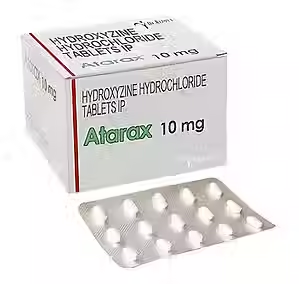
Yes, hydroxyzine can cause drowsiness and may impair alertness in some people. Avoid driving or other hazardous activities until you know how it affects you. Atarax 25mg (Hydroxyzine) is listed on TheSkymeds; combining sedating substances should be discussed with a healthcare professional.
7. Can anxiety improve with therapy without medication?
Yes, psychotherapy can effectively treat many anxiety disorders, with cognitive behavioral therapy among the best-studied approaches. Medication may still be useful depending on symptoms and individual needs. Explore Anxiety Care and mental wellness guides for related education; treatment decisions should be personalized with a qualified professional.
8. When should anxiety symptoms need urgent professional help?
Seek urgent help if anxiety occurs with suicidal thoughts, inability to stay safe, severe confusion, or symptoms that could represent a medical emergency. The anxiety treatment options page provides general information, but urgent mental-health or physical emergencies require immediate local professional or emergency support.
Popular Medicine 🌟








Lifestyle Tips to Reduce Anxiety Naturally
Shop Trusted Anxiety Medicines at Skymeds
Prothiaden 25mg Tablet (Dosulepin) ~ Prothiaden 50mg Tablet ~ Venlor-XR 150 (Venlafaxine) ~ Buspin 10 (Buspirone 10mg) ~ Venlor-XR 75 (Venlafaxine) ~ Fluoxetine 60mg ~ Buspin 5 (Buspirone 5mg) ~ Atarax 25mg (Hydroxyzine) ~ Flunil 20 Capsule ~ Atarax (Hydroxyzine) ~ Atarax 10mg (Hydroxyzine)
Medical disclaimer
At theskymeds, we care about your well-being. Everything you read here is meant for educational purposes to guide your health journey—not as direct medical advice. Because prescription medicines need proper care, please avoid self-treatment and consult a qualified physician before starting any medication. When it comes to your health, your doctor always knows best.