USA Toll free number:
+1 (719) 601 9825
Free shipping all order above $199 - Shop smart, Save more!!!
Track order


Search this site
313 results found with an empty search
- Iverjhon vs Generic Ivermectin: What’s the Difference?
Written by Dr. Zack Ferris in TheSkyMeds Editorial Standards Medically reviewed by Jonathan Reed, Medical Content Reviewer Mar 3 2026 When searching for ivermectin tablets online, many customers ask: What’s the difference between Iverjhon and generic ivermectin? Are they the same? Is one more effective? Is branded ivermectin better than generic versions? In this detailed, beginner-friendly guide, we’ll break down everything you need to know about Iverjhon vs generic ivermectin, including strength comparison, pricing, safety, effectiveness, and which option may suit you best. At theskymeds, we understand that choosing the right medication matters for both health and budget. Let’s explore the facts. What Is Iverjhon? Iverjhon tablets are a branded form of ivermectin manufactured under specific pharmaceutical branding. They are commonly available in strengths such as: Iverjhon 6 mg Iverjhon 12 mg Like all ivermectin products, Iverjon contains the active ingredient ivermectin, which is widely used to treat parasitic infections. What Is Generic Ivermectin? Generic ivermectin tablets contain the same active ingredient — ivermectin — but are manufactured by different pharmaceutical companies after the original patent expired. The key point: Both Iverjon and generic ivermectin contain the same active compound. How Does Ivermectin Work? To understand the difference between Iverjhon and generic ivermectin, it helps to know how ivermectin works. Ivermectin binds to parasite nerve and muscle cells, causing paralysis and death of the parasite. It is commonly used to treat: Intestinal strongyloidiasis Onchocerciasis (river blindness) Scabies Certain parasitic skin infections The mechanism of action remains the same whether you take Iverjon or generic ivermectin. Iverjhon vs Generic Ivermectin: Key Differences Let’s compare them side-by-side. Active Ingredient There is no difference in the active ingredient. Iverjon → Contains ivermectin Generic ivermectin → Contains ivermectin Both must meet pharmaceutical standards. Effectiveness Many people ask: Is generic ivermectin as effective as branded ivermectin? The answer: Yes. According to regulatory guidelines, generic medicines must prove bioequivalence. This means: Same active ingredient Same strength Same dosage form Same absorption rate So in terms of medical effectiveness, Iverjhon vs generic ivermectin shows no significant clinical difference. Price Comparison One major difference is cost. Iverjon vs Generic Ivermectin Price Comparison Branded Iverjon tablets are usually slightly more expensive. Generic ivermectin tablets are typically more affordable. Why? Because generic manufacturers do not bear original research and branding costs. If you're looking to buy ivermectin online, generics often provide better value. Quality and Manufacturing Both branded and generic medicines must follow Good Manufacturing Practices (GMP). However: Some people prefer branded products due to brand trust. Others choose generics for affordability. At theskymeds, all ivermectin tablets online are sourced from certified manufacturers to ensure safety and quality. Availability Sometimes specific strengths like Iverjhon 6 mg or Iverjon 12 mg may be more easily available under generic versions depending on stock. Generic options usually offer wider supply availability. Ivermectin Dosage: Is There Any Difference? The ivermectin dosage depends on: Body weight Type of infection Medical history Dosage strength (6 mg, 12 mg) remains the same whether it is Iverjhon or generic ivermectin. There is no dosage advantage of branded over generic. Ivermectin Uses Both versions are prescribed for: Parasitic worm infections Scabies Certain skin conditions River blindness Intestinal parasites The therapeutic benefits remain identical. Ivermectin Side Effects Another common question: Are side effects different between Iverjon and generic ivermectin? The answer: No. Common ivermectin side effects include: Nausea Dizziness Mild skin rash Headache Diarrhea Side effects are linked to the active ingredient, not the brand name. Is Iverjhon Better Than Generic Ivermectin? This depends on personal preference. Choose Iverjhon If: You prefer branded medication You trust specific pharmaceutical branding Price difference is not a concern Choose Generic Ivermectin If: You want a more affordable option You want the same effectiveness at a lower cost You are buying in bulk From a medical perspective, both are equally effective when sourced from reliable pharmacies like theskymeds. Where to Buy Ivermectin Tablets Online Safely? When planning to buy ivermectin online, consider: Pharmacy credibility Product authenticity Verified customer reviews Secure payment methods Prescription requirements At theskymeds, we prioritize quality assurance and secure delivery when offering ivermectin tablets online. Branded vs Generic Ivermectin: Myths vs Facts Myth Fact Branded works faster Both work at the same rate Generics are lower quality Generics must meet strict standards Iverjon has fewer side effects Side effects are the same Generic is weaker Strength is identical Which Option Is More Popular in 2026? In 2026, more customers are choosing generic ivermectin tablets due to: Rising healthcare costs Increased awareness of bioequivalence Online pharmacy access However, Iverjon tablets still remain a trusted branded option. Final Verdict: Iverjhon vs Generic Ivermectin When comparing Iverjhon vs generic ivermectin, here’s the summary: Same active ingredient Same effectiveness Same dosage Same side effects Different branding Different pricing If budget is a priority, generic ivermectin tablets may be ideal. If brand trust matters more to you, Iverjon tablets are a reliable choice. Always consult a healthcare professional before starting treatment. Conclusion Understanding the difference between Iverjhon and generic ivermectin helps you make informed healthcare decisions. Both options are effective and safe when used correctly. Whether you choose branded Iverjhon tablets or generic ivermectin tablets, always prioritize authenticity, correct dosage, and professional guidance. For safe access to ivermectin tablets online, explore trusted pharmaceutical options at theskymeds. FAQs 1. What is the main difference between Iverjhon and generic ivermectin? The primary difference is branding and price. Both contain the same active ingredient and work the same way. 2. Is generic ivermectin as effective as Iverjhon? Yes, generic ivermectin tablets are bioequivalent and equally effective. 3. Is Iverjhon better than generic ivermectin? Medically, no. The difference is mainly brand name and cost. 4. Can I buy ivermectin tablets online safely? Yes, but only from trusted pharmacies like Skymeds that ensure product authenticity. 5. Are side effects different between branded and generic ivermectin? No. Side effects are caused by ivermectin itself, not the brand name. 6. Which is more affordable: Iverjhon or generic ivermectin? Generic ivermectin tablets are usually more affordable.
- Can You Eat Eggs While Taking Levofloxacin? | Safe Diet Tips
Written by Dr. Zack Ferris in TheSkyMeds Editorial Standards Medically reviewed by Jonathan Reed, Medical Content Reviewer Nov 8 2026 What Is Levofloxacin? Levofloxacin is a broad-spectrum antibiotic belonging to the fluoroquinolone class. It’s used to treat a variety of bacterial infections, such as: Respiratory tract infections (pneumonia, bronchitis) Urinary tract infections (UTIs) Skin infections Prostate infections Sinusitis Levofloxacin works by stopping the growth of bacteria, helping your immune system eliminate the infection. Like all antibiotics, it should only be taken under the guidance of a healthcare professional, as misuse or overuse can lead to antibiotic resistance. Can You Eat Eggs While Taking Levofloxacin? The short answer is yes, you can eat eggs while taking Levofloxacin — but with a few considerations. Eggs are rich in protein, vitamins (A, D, E, B12), and minerals (iron, zinc, selenium), which support overall health and help your body recover during illness. However, the timing of when you eat eggs in relation to your antibiotic dose can make a difference. How Eggs Can Affect Levofloxacin Absorption Levofloxacin interacts with certain minerals found in foods, supplements, or antacids — particularly calcium, iron, magnesium, and zinc. These minerals can bind to the antibiotic in your stomach and intestines, forming a complex that prevents the medicine from being fully absorbed into your bloodstream. While eggs contain a moderate amount of these minerals (especially calcium and iron), the interaction is not usually strong enough to make Levofloxacin ineffective. However, if you consume eggs or dairy-rich foods too close to your antibiotic dose, it might slightly reduce how much of the medication your body absorbs. How to Safely Eat Eggs While on Levofloxacin To minimize any possible interference, here are some simple guidelines: Timing matters – Take Levofloxacin either: 2 hours before eating eggs or other calcium-rich foods, or 2 hours after eating them. Avoid taking it with milk or yogurt – Dairy products contain higher calcium levels and can significantly reduce absorption. Cook eggs thoroughly – Whether boiled, scrambled, or poached, make sure they are properly cooked to avoid the risk of foodborne illness while your immune system is fighting infection. Keep your diet balanced – Along with eggs, include vegetables, whole grains, and fruits to help your body recover faster. Stay hydrated – Drink plenty of water to support kidney function, as Levofloxacin is excreted through the kidneys. Foods to Avoid While Taking Levofloxacin While eggs are generally safe, some foods and supplements should be used with caution: Category Examples Why to Avoid Dairy Products Milk, cheese, yogurt High calcium can reduce absorption Iron-rich Supplements Iron tablets, multivitamins Iron binds with Levofloxacin Antacids containing Magnesium or Aluminum Maalox, Mylanta, Tums Decrease drug effectiveness Zinc supplements Multivitamins, immune boosters Can interfere with absorption Caffeine Coffee, tea, energy drinks Levofloxacin can increase caffeine sensitivity, causing jitters or insomnia If you need to take supplements, ask your doctor for a proper schedule so that your medication and nutrients don’t interact negatively. Possible Side Effects of Levofloxacin Like other antibiotics, Levofloxacin can cause some side effects. Most are mild, but a few may be serious and require medical attention. Common side effects: Nausea, vomiting Diarrhea Headache Dizziness Insomnia Serious side effects (seek medical help if they occur): Tendon pain or rupture Nerve damage (tingling or numbness) Severe allergic reaction (rash, swelling, difficulty breathing) Irregular heartbeat Avoid vigorous physical activity if you experience muscle or tendon pain while taking the medication. Best Practices While Taking Levofloxacin To ensure you get the best results from your treatment, follow these practical steps: Take the full course – Even if you start feeling better, finish all the prescribed doses to prevent recurrence of infection. Avoid alcohol – Alcohol may worsen side effects like dizziness or stomach upset. Limit sun exposure – Levofloxacin can make your skin more sensitive to sunlight, so use sunscreen or wear protective clothing outdoors. Avoid high-intensity exercise – This helps protect your tendons, as fluoroquinolones can weaken them temporarily. Inform your doctor – Tell your healthcare provider about any other medicines or supplements you’re taking to prevent unwanted interactions. Can Levofloxacin Affect Your Appetite or Digestion? Some people report mild digestive disturbances while on Levofloxacin, such as stomach discomfort or loss of appetite. Eating light, nutritious meals that include easily digestible foods like boiled eggs, rice, and steamed vegetables can help. Avoid overly spicy or greasy foods that might irritate your stomach. If you experience persistent nausea or severe diarrhea, consult your doctor promptly. This could be a sign of an imbalance in gut bacteria caused by antibiotics. The Role of Nutrition During Antibiotic Therapy While antibiotics like Levofloxacin fight infections, they can also disrupt the natural balance of good bacteria in your gut. Eating a healthy diet supports your immune system and gut recovery. Include: Probiotic foods (curd, kefir, fermented vegetables) Vitamin C-rich foods (oranges, guava, bell peppers) Protein sources (eggs, lean meat, tofu) Fiber (whole grains, fruits, vegetables) Eggs, in moderation, fit well into this diet plan. Conclusion Yes, you can safely eat eggs while taking Levofloxacin, as long as you manage the timing of your meals and medication. Eggs are a nutritious food that supports your immune system, helps tissue repair, and maintains your strength during recovery. The main thing to remember is to avoid consuming eggs or other mineral-rich foods immediately before or after taking the antibiotic. Leave a 2-hour gap to ensure proper absorption and maximum effectiveness. Always take Levofloxacin exactly as prescribed by your doctor, maintain a balanced diet, and stay hydrated. Proper nutrition and medication timing together help you recover faster and minimize side effects. FAQs: Levofloxacin and Eating Eggs 1. Can I drink milk with Levofloxacin? No. Milk and other dairy products can reduce how much Levofloxacin your body absorbs. It’s best to consume them at least 2 hours apart from your dose. 2. Can I take Levofloxacin on an empty stomach? Yes. Levofloxacin can be taken with or without food. However, if it upsets your stomach, take it with a light meal (avoid dairy). 3. Are boiled eggs better than fried eggs while on antibiotics? Yes. Boiled or poached eggs are easier to digest and healthier. Fried eggs contain extra fat, which may cause discomfort if your stomach is sensitive during antibiotic use. 4. How long after eating can I take Levofloxacin? Wait about 2 hours after eating eggs or dairy before taking your medication to ensure optimal absorption. 5. Can I eat eggs daily while taking Levofloxacin? Yes, you can eat eggs daily in moderation. One to two eggs per day is perfectly fine, provided you maintain proper timing with your medication.
- Sunflower Seeds for Erectile Dysfunction: Vitamin E Power for Male Performance
Written by Elizabeth Chernoby in TheSkyMeds Editorial Standards Medically reviewed by Jonathan Reed, Medical Content Reviewer Jan 22 2026 Sunflower seeds for erectile dysfunction are often promoted because they contain vitamin E, healthy unsaturated fats, and other nutrients linked with cardiovascular health. That makes them a nutritious food, but current evidence does not show that sunflower seeds—or vitamin E alone—directly treat erectile dysfunction or reliably improve male sexual performance. Erections depend heavily on healthy blood flow, nerve function, hormones, medications, mental health, and conditions such as diabetes and cardiovascular disease. Sunflower seeds can fit into a heart-healthy eating pattern, and healthier dietary patterns are associated with better erectile health. Vitamin E also acts as an antioxidant and helps protect cells from oxidative damage. The important distinction is that nutritional support is not the same as an ED treatment. This guide explains what sunflower seeds provide, what vitamin E can realistically do, and how diet fits into evidence-based erectile-health care. Can Sunflower Seeds Help Erectile Dysfunction? Sunflower seeds may support overall vascular and nutritional health, but there is no good clinical evidence showing that eating sunflower seeds by themselves treats ED. Their value is better understood as part of a healthy eating pattern that supports blood vessels, metabolic health, and cardiovascular risk factors. The NIDDK guidance on diet and erectile dysfunction states that healthy dietary patterns can lower the risk of ED and may improve symptoms. It specifically includes unsaturated fats from nuts and seeds among healthy food choices. Why does blood-vessel health matter for erections? An erection requires increased blood flow into penile tissue. Conditions that damage arteries or reduce vascular function—such as diabetes, high blood pressure, obesity, and cardiovascular disease—can therefore contribute to ED. Sunflower seeds do not act like sildenafil or tadalafil. Instead, they provide nutrients that can contribute to a broader dietary pattern supporting cardiovascular health. Is there research on sunflower seeds specifically for ED? Direct clinical evidence is lacking. Studies on erectile function have generally examined broader dietary patterns—such as Mediterranean-style diets rich in vegetables, fruits, whole grains, nuts, seeds, legumes, and fish—rather than sunflower seeds as a standalone treatment. Systematic reviews have linked healthier dietary patterns with lower ED risk or better erectile-function scores, but these findings cannot be attributed specifically to sunflower seeds. Sunflower seeds are a nutritious source of vitamin E and unsaturated fats, but they are best viewed as part of a heart-healthy diet—not as a natural ED medicine or a proven performance enhancer. Why Is Vitamin E in Sunflower Seeds Often Linked With Male Performance? Vitamin E is an antioxidant nutrient that helps protect cells from oxidative damage. Sunflower seeds are among the better food sources of vitamin E, which is why they are frequently promoted in sexual-health content. However, biological plausibility is not the same as proof of improved erections. What does vitamin E actually do? Vitamin E is a fat-soluble antioxidant. It helps limit oxidative damage to cell membranes and also participates in immune function and cellular signaling. Researchers have investigated vitamin E in relation to cardiovascular health because blood-vessel function matters for many diseases, including ED. But large randomized trials have not shown that routine high-dose vitamin E supplementation prevents major cardiovascular disease. That makes it inappropriate to claim that extra vitamin E automatically improves penile blood flow. How much vitamin E do sunflower seeds contain? USDA legacy nutrient data list dry-roasted sunflower seed kernels without salt as providing substantial vitamin E. One cup contains about 33.4 mg of alpha-tocopherol, while NIH lists the adult recommended dietary allowance at 15 mg per day. Most people would eat a much smaller serving than a cup, but sunflower seeds can still make a meaningful contribution to dietary vitamin E intake. Does more vitamin E mean better erections? No. There is no established vitamin E dose that has been proven to improve erectile performance in otherwise adequately nourished men. High-dose vitamin E supplements also have different safety considerations from naturally occurring vitamin E in food. NIH notes that high supplemental doses can increase bleeding risk and may interact with anticoagulant or antiplatelet medicines. Claim What evidence supports What evidence does not establish Sunflower seeds provide vitamin E Yes; they are a recognized food source That vitamin E from seeds directly treats ED Vitamin E has antioxidant activity Yes That extra vitamin E reliably strengthens erections Seeds provide unsaturated fats Yes That one specific seed improves penile blood flow on its own Healthier diets may support erectile health Yes; broader dietary patterns are associated with lower ED risk That sunflower seeds work like ED medication Cardiovascular health matters for erections Yes That seeds can reverse vascular disease causing ED Sunflower seeds can fit into a healthy diet Yes That eating more always gives greater sexual benefit What Other Nutrients in Sunflower Seeds May Support Men’s Health? Sunflower seeds provide more than vitamin E. They contain unsaturated fats, protein, minerals, and plant compounds that can contribute to a balanced diet. None should be interpreted as a direct ED treatment, but several have roles relevant to general metabolic or cardiovascular health. Unsaturated fats Seeds are a source of unsaturated fats. NIDDK specifically includes unsaturated fats from nuts, seeds, and fatty fish within healthy dietary choices for people concerned about ED. Replacing some foods rich in saturated fat with foods containing unsaturated fats may support a more heart-healthy dietary pattern. Magnesium Sunflower seeds also provide magnesium. Magnesium participates in hundreds of biochemical reactions involving muscle, nerve, energy, glucose, and cardiovascular function. However, correcting a magnesium deficiency and eating magnesium-rich foods should not be confused with treating erectile dysfunction. Selenium and other micronutrients Sunflower seeds can contain selenium and several B vitamins depending on variety and processing. These nutrients support normal body functions, but there is not enough evidence to claim that obtaining more selenium or B vitamins from sunflower seeds directly increases erection strength, libido, or testosterone in men who are not deficient. Can a Healthy Diet Improve Erectile Function? Yes, diet may influence erectile health, especially through cardiovascular and metabolic pathways. The strongest evidence supports overall dietary patterns rather than individual “ED foods.” The Mediterranean-style diet evidence for erectile health suggests that dietary patterns rich in vegetables, fruits, whole grains, legumes, nuts, seeds, and fish are associated with better erectile outcomes. Why are whole dietary patterns more convincing than one food? Erectile dysfunction often has several causes acting together. A man may have: High blood pressure Diabetes High cholesterol Excess body weight Smoking exposure Low physical activity Anxiety or depression Medication-related effects No single seed can address all these factors. A healthier diet, by contrast, can support weight, blood pressure, glucose control, and cardiovascular health simultaneously. What does recent research say? A 2024 systematic review and meta-analysis involving more than 27,000 participants found associations between healthier dietary patterns and lower ED risk or better erectile-function scores. Diets rich in fruits, vegetables, and nuts were among the patterns linked with more favorable outcomes. Because these studies often include observational evidence, they cannot prove that one dietary component directly caused the improvement. Can sunflower seeds be included in a Mediterranean-style diet? Yes. Seeds can fit naturally into a Mediterranean-style pattern alongside vegetables, fruits, legumes, whole grains, fish, olive oil, and nuts. The benefit comes from the overall eating pattern, not from treating sunflower seeds as a daily medicinal dose. How Should Sunflower Seeds Be Added to a Heart-Healthy Diet? Sunflower seeds are calorie-dense, so a moderate portion generally makes more sense than eating large amounts in hopes of improving sexual performance. Choosing unsalted or lightly salted varieties may also be useful for people managing blood pressure or sodium intake. Practical ways to use them Sunflower seeds can be added to: Oatmeal Yogurt Salads Whole-grain cereal Vegetable dishes Homemade trail mixes Grain bowls Using them as a replacement for less nutritious snacks is generally more useful than simply adding large amounts on top of an already high-calorie diet. Are salted sunflower seeds a concern? They can be for people who eat large quantities. Some packaged seeds contain substantial sodium, especially when heavily salted. Excess dietary sodium can make blood-pressure control more difficult in susceptible individuals, and cardiovascular health is closely connected with erectile health. Checking the Nutrition Facts label is more reliable than assuming all sunflower-seed products are nutritionally equivalent. What about sunflower seed butter? Sunflower seed butter can also provide vitamin E and unsaturated fats. However, products differ in sodium, added sugar, and other ingredients. Choose based on the full nutrition label rather than assuming that “sunflower” automatically means healthier. Do Don’t Use sunflower seeds as part of an overall heart-healthy eating pattern Treat them as a cure for erectile dysfunction Choose unsalted or lower-sodium options when appropriate Eat heavily salted seeds in large amounts without considering sodium Use moderate portions because seeds are calorie-dense Assume larger portions create stronger erections Combine seeds with vegetables, fruits, whole grains, legumes, and healthy fats Focus on one “superfood” while ignoring the rest of your diet Discuss persistent ED with a healthcare professional Delay evaluation while relying only on nutritional remedies Get vitamin E primarily from a varied diet when possible Start high-dose vitamin E supplements solely for sexual performance What Actually Has Better Evidence for Improving Erectile Health? The most evidence-supported lifestyle measures address cardiovascular health, smoking, physical activity, body weight, alcohol use, and overall diet. The NIDDK erectile dysfunction treatment guidance recommends healthy eating, physical activity, maintaining an appropriate weight, stopping smoking, limiting alcohol, and avoiding recreational drugs as lifestyle measures that may help prevent or improve ED. Regular physical activity Exercise increases blood flow throughout the body and supports cardiovascular fitness. It can also improve weight management, blood pressure, insulin sensitivity, and mental health—all of which may influence erectile function. Smoking cessation Smoking damages blood vessels and contributes to cardiovascular disease. Because erections depend on healthy blood flow, quitting smoking is one of the more important modifiable steps for erectile and overall vascular health. Weight and metabolic health Obesity, diabetes, and high blood pressure are associated with ED. Improving diet and activity can support these conditions, but men who already have diabetes, hypertension, or cardiovascular disease may also require medical treatment. Managing stress and anxiety Erections involve psychological as well as vascular processes. NIDDK notes that stress and emotional health can contribute to ED and that counseling may be useful when anxiety or psychological factors play a role. When Should Erectile Dysfunction Be Medically Evaluated? Occasional erection difficulty can happen, but persistent or worsening ED deserves medical evaluation. It may be related to diabetes, heart or blood-vessel disease, obesity, medications, neurological conditions, anxiety, stress, or other health issues. A clinician may review your medical history, sexual history, medications, cardiovascular risk factors, mental health, and laboratory tests before recommending treatment. Do not rely on sunflower seeds, vitamin E supplements, or other foods to postpone evaluation of recurrent ED. Similarly, do not stop blood-pressure medicines, antidepressants, or other prescriptions because you suspect they are contributing without first discussing the issue with the prescriber. Seek urgent medical care for chest pain or severe cardiovascular symptoms during sexual activity. If you use prescription ED medicines, follow their specific safety instructions and seek immediate help for an erection lasting more than four hours. Conclusion Sunflower seeds for erectile dysfunction are best understood as a nutritious dietary choice rather than a treatment. They provide vitamin E, unsaturated fats, and other nutrients that can support a healthy eating pattern, but current research does not show that sunflower seeds or vitamin E alone reliably improve erection strength, testosterone, or sexual performance. Their strongest role is indirect: seeds can form part of a diet that supports cardiovascular and metabolic health, which are closely connected with erectile function. Choose moderate portions, consider unsalted varieties, and focus on the entire diet rather than one “male performance” food. Persistent ED should be medically evaluated so potentially important vascular, metabolic, medication-related, or psychological causes are not missed. Frequently Asked Questions 1 . Do sunflower seeds help erectile dysfunction? Sunflower seeds may support general cardiovascular nutrition, but they have not been proven to treat erectile dysfunction directly. Research is stronger for healthy overall dietary patterns than for individual foods. Persistent ED should therefore not be managed with sunflower seeds alone. 2 . Is vitamin E good for erections? Vitamin E is an important antioxidant, but there is no established evidence that taking extra vitamin E reliably improves erections in men who already get enough. Sunflower seeds can contribute vitamin E naturally, while high-dose supplements may have safety and medication-interaction concerns. 3 . Do sunflower seeds increase testosterone? There is no strong clinical evidence that eating sunflower seeds meaningfully increases testosterone in men with normal nutritional status. Their nutrients contribute to general health, but they should not be marketed as a testosterone treatment. Suspected low testosterone requires appropriate medical testing. 4 . How many sunflower seeds should I eat for ED? There is no medically established sunflower-seed dose for erectile dysfunction because sunflower seeds are not an ED treatment. A moderate food portion can fit into a healthy diet. Large quantities add substantial calories and, in salted varieties, potentially significant sodium. 5 . Are sunflower seeds better than vitamin E supplements? For most healthy adults, obtaining nutrients through a varied diet is generally preferable to taking high-dose vitamin E solely for sexual performance. Sunflower seeds provide vitamin E alongside other nutrients. Supplements may interact with medicines and have not been proven to treat ED. 6 . What foods have better evidence for erectile health? Evidence favors overall Mediterranean-style eating rather than a single food. Diets emphasizing vegetables, fruits, legumes, whole grains, nuts, seeds, fish, and unsaturated fats are associated with better cardiovascular and erectile health. Lifestyle factors such as exercise and smoking cessation also matter substantially.
- Can ED Supplements Improve Confidence and Performance Naturally?
Written by Dr. Adam Makis in TheSkyMeds Editorial Standards Medically reviewed by Jonathan Reed, Medical Content Reviewer Dec 1 2025 ED supplements are often promoted as a natural way to improve erections, sexual confidence, stamina, or performance, but the evidence is much less certain than many product claims suggest. Some individual ingredients, particularly L-arginine, have shown possible benefits for erectile function in clinical studies, while evidence for products such as ginseng is modest or inconsistent. Just as importantly, feeling more confident after taking a supplement does not prove that the supplement has physically corrected erectile dysfunction. Anxiety, expectations, relationship factors, sleep, alcohol use, cardiovascular health, and underlying medical conditions can all affect sexual performance. Another concern is product quality: the FDA continues to find sexual-enhancement supplements containing undeclared prescription-drug ingredients. A sensible approach is therefore to separate potentially useful ingredients from exaggerated marketing claims and to investigate persistent ED rather than relying solely on supplements. Can ED Supplements Really Improve Erections or Sexual Confidence? Some supplement ingredients may modestly improve erectile function in selected men, but no complementary health approach has been established as both safe and effective enough to replace standard ED evaluation and treatment. The National Center for Complementary and Integrative Health says there is currently no definite evidence that herbal products are both effective and safe for treating ED. The NCCIH guidance on erectile dysfunction supplements also warns that products marketed as “herbal Viagra” may contain undeclared pharmaceutical ingredients. What does “improved performance” actually mean? Sexual performance can refer to several different outcomes: Getting an erection Maintaining an erection Feeling sexually aroused Having less performance anxiety Feeling more confident with a partner Improving sexual satisfaction Increasing desire or libido A supplement that affects one of these areas does not necessarily improve the others. For example, erection quality depends heavily on blood flow and nerve signaling, while sexual desire can be influenced by hormones, medications, mood, relationships, sleep, and general health. Can confidence improve even when erection biology does not? Yes. Expectations can affect how relaxed or confident someone feels during sex, and confidence itself can influence sexual performance. NIDDK identifies anxiety, stress, low self-esteem, lack of confidence, and other emotional factors as potential causes or contributors to ED. It also notes that counseling can help reduce anxiety and stress around sex when psychological factors are involved. That means someone may genuinely feel more confident after taking a supplement without the product necessarily having a strong direct effect on penile blood flow. Feeling more confident after taking an ED supplement is not the same as proving that the supplement treats erectile dysfunction. Confidence, expectation, reduced anxiety, and physical erectile function can improve for different reasons and should be considered separately. Which Natural ED Supplement Ingredients Have the Best Evidence? Research has examined ingredients such as L-arginine, ginseng, yohimbe, Tribulus terrestris, and numerous combination products. Some findings are encouraging, but overall evidence remains much weaker and less consistent than evidence supporting approved ED medications. A systematic review examining commercially marketed ED supplements found that many products contained ingredients with limited, conflicting, or absent randomized-trial evidence. It also found that whole supplement products commonly lacked direct clinical trial evidence of their own. L-arginine L-arginine is an amino acid involved in production of nitric oxide, a molecule that helps blood vessels relax. Because erections depend partly on nitric-oxide-mediated blood flow, researchers have investigated whether supplemental L-arginine might improve erectile function. A meta-analysis of 10 randomized trials involving 540 men with mild-to-moderate ED reported better erectile-function outcomes with L-arginine than with placebo or no treatment. However, doses and treatment durations differed across studies, which limits how confidently the results can be applied to individual products. A later network meta-analysis found L-arginine among the relatively few nutraceutical approaches showing some usefulness, although established PDE5 inhibitor medicines such as sildenafil and tadalafil ranked more strongly. This evidence makes L-arginine more plausible than many heavily marketed herbal mixtures, but it does not establish every L-arginine supplement as effective. Panax ginseng Ginseng has a long history of use as an herbal sexual-health product. However, a Cochrane review of nine studies involving 587 men concluded that ginseng probably has only a trivial effect on erectile-function questionnaire scores compared with placebo. Most evidence was low certainty, and studies lasted no longer than 12 weeks. The Cochrane review of ginseng for erectile dysfunction found no trials directly demonstrating that ginseng performs as well as established PDE5-inhibitor ED medicines. Yohimbe and yohimbine Yohimbe is an herbal product containing compounds related to yohimbine. Some clinical studies of pharmaceutical yohimbine have suggested improvements in erectile function. A systematic review reported better erectile-function outcomes than placebo in several trials. However, dietary yohimbe is a different safety proposition. NCCIH states that the amount of yohimbine in yohimbe supplements can vary considerably and that there is insufficient evidence to conclude that dietary yohimbe effectively treats ED. Yohimbine has also been associated with irregular heart rhythms, blood-pressure problems, heart attacks, seizures, anxiety, and rapid heartbeat. For that reason, yohimbe should not be viewed as a harmless “natural Viagra.” Multi-ingredient sexual-enhancement products These are particularly difficult to evaluate. A product may contain: Several herbs Amino acids Vitamins Minerals Stimulants Proprietary blends Ingredients in amounts too small to match research doses A 2023 systematic analysis of marketed ED supplements found that only a small minority of evaluated products contained combinations expected to provide meaningful benefit based on the available ingredient evidence. Most fell into a category where expected efficacy was low or absent. Ingredient Why it is marketed What human evidence suggests Main limitation or concern L-arginine Supports nitric oxide production Some randomized-trial and meta-analysis evidence suggests modest benefit in mild-to-moderate ED Studies use different doses and formulations; not equivalent to every retail product Panax ginseng Marketed for erections, energy, and libido Cochrane review found mainly trivial improvements on validated ED scores Evidence is mostly low certainty Yohimbe Marketed for erections and sexual stimulation Evidence for dietary yohimbe is insufficient Variable composition; cardiovascular and neurological safety concerns Tribulus terrestris Marketed for testosterone and sexual performance Some studies report possible benefit, but evidence remains inconsistent Products and study formulations vary Multi-ingredient “male enhancement” blends Marketed for erection strength, stamina, or libido Direct evidence for complete retail products is often absent Unknown doses, interactions, and possible adulteration This table summarizes research findings, not recommendations to take a particular supplement. Why Can Performance Anxiety Make ED Feel Worse? An erection is not purely a mechanical event. Sexual stimulation involves the brain, nerves, blood vessels, hormones, emotions, and relationship context. NIDDK lists anxiety, depression, stress, low self-esteem, negative body image, and lack of confidence among factors that can cause or worsen ED. How does the confidence cycle develop? A common pattern can look like this: One erection does not occur as expected. The person becomes worried about the next sexual encounter. Attention shifts from pleasure to monitoring erection firmness. Anxiety increases. Sexual arousal becomes more difficult. Another erection problem reinforces the original fear. In this situation, buying a supplement can create a feeling of preparation or control. That psychological reassurance may sometimes make the next experience feel easier, but it does not prove that the supplement ingredient itself produced the improvement. Can counseling help sexual performance? Yes, particularly when anxiety, stress, relationship concerns, or other emotional issues are contributing. The NIDDK guidance on ED treatment and counseling explains that counseling can help lower anxiety and stress surrounding sex and may involve a partner when appropriate. Counseling can also be combined with medical treatment when ED has both psychological and physical causes. When should ED not be dismissed as anxiety? Persistent erectile problems should not automatically be blamed on stress. ED can be associated with: Diabetes High blood pressure Heart and blood-vessel disease Obesity Kidney disease Neurological conditions Low testosterone or other hormonal problems Prescription medications Smoking and excessive alcohol use NIDDK emphasizes that ED may be a symptom of another health problem. That is one reason repeatedly masking the problem with supplements can delay useful medical evaluation. Are “Natural” ED Supplements Safer Than Prescription Medicines? Not necessarily. “Natural” describes where an ingredient comes from; it does not guarantee safety, purity, effectiveness, or freedom from drug interactions. This distinction is especially important in the sexual-enhancement market. Hidden sildenafil and tadalafil are an ongoing problem FDA testing continues to find sexual-enhancement products containing undeclared prescription-drug ingredients. The FDA sexual-enhancement product safety notifications warn that many products marketed for ED, male enhancement, sexual energy, or stamina may contain dangerous hidden ingredients. For example, in May 2026 FDA laboratory analysis found that a product marketed as X10 Natural Enhancement Supplement contained undeclared sildenafil and tadalafil. FDA issued multiple similar notifications during 2026, illustrating that adulteration remains an active—not merely historical—problem. Why are hidden ED drugs dangerous? The problem is not that sildenafil or tadalafil are inherently unsafe when appropriately prescribed. The danger is that someone can unknowingly receive prescription-level drug exposure without knowing: Which drug is present How much is present Whether several drugs are combined Whether it interacts with their medicines Whether the product's manufacturing is reliable Undeclared sildenafil or tadalafil can be particularly dangerous for people using nitrate medicines such as nitroglycerin because the combination may cause a severe drop in blood pressure. Can herbal ingredients interact with medicines? Yes. Supplements can influence blood pressure, blood clotting, glucose, nervous-system activity, or drug metabolism. Yohimbe deserves particular caution because NCCIH reports associations with blood-pressure abnormalities, irregular heartbeat, seizures, heart attacks, and anxiety. People taking cardiovascular medicines, antidepressants, stimulants, diabetes treatment, anticoagulants, or multiple prescriptions should therefore discuss sexual-health supplements with a pharmacist or clinician. Do Don’t Check the full ingredient list Assume “herbal” means risk-free Tell your doctor or pharmacist about every supplement you take Hide supplement use because it was bought without a prescription Look for evidence on individual ingredients Rely only on testimonials or star ratings Consider whether anxiety, medications, diabetes, or cardiovascular health may contribute to ED Assume every erection problem is caused by low testosterone Check FDA safety notifications when evaluating sexual-enhancement products Assume a product is safe because it is not on an FDA warning list Seek evaluation for persistent ED Continue trying stronger supplements while ignoring an underlying problem Use evidence-based lifestyle measures alongside appropriate care Combine multiple sexual-enhancement products hoping for a stronger effect What Natural Approaches Can Support Erectile Function Without Relying on Supplements? Some of the best-supported “natural” strategies for erectile health are ordinary health behaviors rather than pills or herbal extracts. NIDDK recommends lifestyle measures including increasing physical activity, maintaining a healthy body weight, following a healthy eating pattern, stopping smoking, limiting alcohol, and avoiding recreational drugs. Regular physical activity Erections depend on healthy blood flow. Physical activity supports cardiovascular health and can improve several conditions associated with ED, including excess weight, high blood pressure, and poor metabolic health. NIDDK specifically notes that physical activity increases blood flow throughout the body, including the penis. A heart-healthy eating pattern Food patterns that support vascular health may also support erectile function. NIDDK reports that healthy eating may reduce ED risk and improve symptoms and specifically discusses Mediterranean-style dietary patterns. The practical focus is less on finding a single “erection food” and more on protecting blood vessels over time. Smoking cessation Smoking damages blood vessels and contributes to cardiovascular disease. Because penile blood flow is essential for erections, stopping smoking can support both overall cardiovascular health and erectile health. NIDDK identifies smoking cessation as an important lifestyle measure for ED. Reducing excessive alcohol A small amount of alcohol may make some people feel more relaxed, but heavy alcohol use can interfere with arousal and erections. NIDDK recommends limiting or stopping alcohol when addressing lifestyle factors related to ED. Addressing anxiety and relationship stress Confidence can sometimes improve more effectively by treating the actual source of anxiety than by adding another supplement. Counseling, communication with a partner, stress management, and appropriate mental-health care can be useful when anxiety, depression, low self-esteem, or relationship difficulties are contributing. When Should Supplements Give Way to Proper ED Evaluation? Persistent ED deserves medical assessment because it can reflect vascular, metabolic, neurological, hormonal, medication-related, or psychological problems. NIDDK explains that clinicians diagnose ED using medical, sexual, and mental-health history, a physical examination, and laboratory or other testing when appropriate. Arrange a medical review when erection problems are recurrent, are becoming progressively worse, occur alongside reduced sexual desire or other hormonal symptoms, or develop after starting a new medicine. It is particularly important to discuss ED with a healthcare professional if you have diabetes, cardiovascular disease, high blood pressure, high cholesterol, kidney disease, significant obesity, or a history of smoking. Seek urgent medical care for chest pain or other significant cardiovascular symptoms during sexual activity. If you have unknowingly taken an adulterated sexual-enhancement product and develop severe dizziness, fainting, extreme blood-pressure changes, chest symptoms, or other serious reactions, seek urgent medical help and bring the product packaging if possible. Conclusion ED supplements may improve confidence for some people and certain ingredients, such as L-arginine, have shown possible benefits for erectile function. However, evidence varies considerably between ingredients, ginseng appears to have only modest effects, and many complete commercial products have not been tested in rigorous trials. Feeling more confident after taking a supplement also does not establish that it is treating the physical cause of ED. Natural does not automatically mean safe, particularly when FDA testing continues to uncover hidden prescription drugs in sexual-enhancement products. Persistent ED is worth discussing with a healthcare professional, while exercise, healthier eating, smoking cessation, reduced excessive alcohol, and management of performance anxiety can provide a safer foundation for sexual health. Frequently Asked Questions 1 . Do ED supplements really work? Some individual ingredients have shown possible benefits, but results are inconsistent and many commercial products lack direct clinical evidence. L-arginine has comparatively encouraging data, while evidence for several herbal products is weaker. Supplements should not replace evaluation when ED is persistent. 2 . Can an ED supplement make me more confident in bed? It may make you feel more confident, particularly if expectation reduces performance anxiety. However, psychological reassurance does not prove that the supplement directly improves penile blood flow. Anxiety, self-esteem, relationship factors, and previous sexual experiences can strongly influence confidence and erection quality. 3 . Is L-arginine good for erectile dysfunction? L-arginine has shown possible benefit in randomized studies and meta-analyses, particularly in mild-to-moderate ED. However, research has used different formulations, amounts, and treatment periods. Evidence for an ingredient does not guarantee that every commercial L-arginine product will provide the same result. 4 . Does ginseng work like Viagra? No. Ginseng should not be considered a natural equivalent of sildenafil. A Cochrane review found mainly trivial improvements in validated erectile-function scores and low-certainty evidence overall. There is no good trial evidence showing that ginseng works as effectively as established PDE5-inhibitor medicines. 5 . Are male-enhancement supplements safe if they say “all natural”? Not necessarily. FDA has repeatedly found sexual-enhancement products containing undeclared sildenafil, tadalafil, and other drug ingredients. These hidden substances can cause dangerous interactions, particularly with nitrate heart medicines. “Natural” on a label therefore should never be treated as proof of purity or safety. 6 . Should I try supplements before seeing a doctor about ED? Occasional erection difficulty may not require extensive evaluation, but repeated or worsening ED deserves medical attention. ED can be associated with diabetes, cardiovascular disease, medications, hormone problems, or anxiety. A clinician can investigate those causes before supplements delay treatment of an underlying condition.
- Aloe Vera Gel for Glowing Skin – The Ultimate Beauty Secret Revealed!
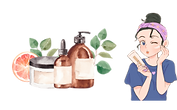
Written by Elizabeth Chernoby in TheSkyMeds Editorial Standards Medically reviewed by Jonathan Reed, Medical Content Reviewer Dec 12 2025 Introduction In the world of natural skincare, one ingredient has truly stood the test of time — Aloe Vera gel. Known as the plant of immortality in ancient Egyptian beauty rituals, Aloe Vera is packed with vitamins, minerals, enzymes, and antioxidants that deeply nourish the skin. From soothing sunburn to restoring a natural glow, Aloe Vera gel for glowing skin is a trusted solution for all skin types. If you’re tired of chemical-laden skincare products and looking for a gentle yet powerful alternative, Aloe Vera gel for skin might be your perfect choice. Many people today prefer purchasing pure Aloe Vera gel from trusted platforms like Skymeds, which focus on quality-tested and authentic wellness products. Let’s explore why this miracle plant deserves a permanent place in your daily skincare routine. Why Aloe Vera Is a Miracle for Your Skin Skymeds recommends Aloe Vera gel as a natural skincare essential due to its hydrating, healing, and skin-repairing properties. Aloe Vera gel is composed of nearly 99% water along with essential nutrients like vitamins A, C, and E, zinc, magnesium, enzymes, and amino acids. These elements work together to repair damaged skin, boost hydration, and improve overall skin texture. 1. Hydrates Without Greasiness Unlike heavy creams, Aloe Vera gel for face delivers lightweight hydration without clogging pores. It helps maintain the skin’s natural oil balance, making it ideal for oily, acne-prone, and combination skin. 2. Fights Acne and Pimples Naturally Thanks to its antibacterial and anti-inflammatory properties, Aloe Vera for acne and pimples helps reduce redness, control excess oil, and prevent breakouts. Its natural salicylic acid gently exfoliates and unclogs pores. 3. Soothes Sunburn and Skin Irritation Aloe Vera gel for sunburn and irritation provides a cooling effect and speeds up skin recovery. It forms a protective layer over damaged skin while keeping it hydrated. 4. Delays Premature Aging Regular use of Aloe Vera gel for anti-aging skincare boosts collagen production, improves elasticity, and reduces fine lines and wrinkles, giving your skin a youthful and firm appearance. 5. Brightens and Evens Skin Tone Rich in vitamins C and E, Aloe Vera gel for pigmentation and dark spots helps fade blemishes and restores natural brightness for an even-toned complexion. 👉Buy pure and verified Aloe Vera gel from Skymeds for safe, effective, and natural skincare. ✔ Verified Products | ✈ Fast Delivery Available in USA | 🔒 Secure Ordering How to Use Aloe Vera Gel for Glowing Skin Here are proven ways to include Aloe Vera gel in your daily skincare routine: ✔ As a Daily Moisturizer Apply a thin layer of Aloe Vera gel for face daily after cleansing. It absorbs quickly and works as a natural primer under makeup. ✔ As an Overnight Glow Mask Apply a generous amount of Aloe Vera gel overnight and leave it on while you sleep. Wake up to soft, plump, and radiant skin. ✔ As a Natural Toner Mix equal parts Aloe Vera gel and rose water. Store in a spray bottle and use as a refreshing toner throughout the day. ✔ For Acne and Pimples Mix a few drops of tea tree oil with Aloe Vera gel for acne treatment naturally and apply directly to affected areas . ✔ Aloe Vera Face Packs for Instant Glow For Dry Skin: Aloe Vera gel + honey + milk For Oily Skin: Aloe Vera gel + lemon juice + a pinch of turmeric For Sensitive Skin: Aloe Vera gel + cucumber juice + rose water Apply for 15–20 minutes and rinse with lukewarm water. Tips for Best Results Choose pharmacy-grade or dermatologist-recommended Aloe Vera gel, such as products available on Skymeds Ensure the gel is free from parabens, alcohol, and artificial fragrance Use pure, organic Aloe Vera gel with no parabens or fragrance Perform a patch test before first use Use twice daily for long-lasting glow and hydration Drink Aloe Vera juice (after consulting a doctor) to nourish skin from within 👉Skymeds focuses on providing quality-checked and verified wellness products for daily skincare needs. Benefits of Aloe Vera Beyond Skin Apart from skincare, Aloe Vera benefits include: Promotes hair growth and reduces dandruff Supports digestion and detoxification Boosts immunity Helps in wound healing and inflammation control 🛒 Why Choose Skymeds for Aloe Vera Gel? ✔ Verified & quality-checked products ✔ Trusted online pharmacy platform ✔ Easy ordering & secure packaging ✔ Fast delivery with customer support 👉Explore natural skincare solutions and wellness products confidently with Skymeds. Final Thoughts At Skymeds, we believe in combining nature with science. Aloe Vera gel fits perfectly into a clean, effective, and affordable skincare routine for everyday use.Aloe Vera gel is a complete natural skincare solution for acne, pigmentation, dryness, and early aging. Its healing and hydrating properties make it a trusted remedy for glowing, youthful skin. Add Aloe Vera gel to your natural skincare routine and experience visible transformation — naturally and effortlessly. True beauty begins with nature, and Aloe Vera remains its most powerful gift. Frequently Asked Questions (FAQs) Q1. Can Aloe Vera gel be used daily on the face? Yes, Aloe Vera gel can be used daily on face. Applying it morning and night helps keep skin hydrated and glowing. Q2. Can Aloe Vera remove dark spots and pigmentation? Yes. With regular use, Aloe Vera gel for dark spots and pigmentation helps lighten marks and even skin tone. Q3. Is Aloe Vera suitable for all skin types? Absolutely. Aloe Vera gel works for dry, oily, sensitive, and combination skin. Q4. Can I use Aloe Vera under makeup? Yes. Aloe Vera gel works as a natural primer, smoothing skin and helping makeup last longer. Q5. How long does it take to see results? Skin feels refreshed within days. For pigmentation and fine lines, consistent use for 3–4 weeks shows visible results. Q6. Fresh Aloe Vera or store-bought gel – which is better? Fresh Aloe Vera gel is ideal, but organic store-bought Aloe Vera gel without additives is also effective and convenient.
- Diabetes in Women: How Hormones Affect Blood Sugar Control
Written by Dr. Zack Ferris in TheSkyMeds Editorial Standards Medically reviewed by Jonathan Reed, Medical Content Reviewer Dec 13 2025 Diabetes in women can be influenced by hormonal changes throughout adulthood, from monthly menstrual cycles and polycystic ovary syndrome (PCOS) to pregnancy and menopause. Hormones such as estrogen, progesterone, and pregnancy-related placental hormones can change how sensitive the body is to insulin, sometimes causing blood glucose to rise or fall unexpectedly. These effects are not identical for every woman, and the pattern can also differ between type 1, type 2, and gestational diabetes. Hormonal changes may affect appetite, sleep, body weight, physical activity, and medication needs, adding another layer to diabetes management. Tracking glucose patterns alongside periods, pregnancy changes, or menopause symptoms can help reveal whether a repeatable pattern exists. Treatment adjustments should be based on actual glucose data rather than assumptions about hormones alone. This guide explains when hormones can affect blood sugar and how women can manage these changes more safely. How Do Hormones Affect Diabetes in Women? Hormones can influence how effectively insulin moves glucose from the bloodstream into cells. When the body becomes less sensitive to insulin—a condition called insulin resistance—more insulin may be needed to keep blood glucose within an appropriate range. The American Diabetes Association notes that hormonal changes during menstruation and pregnancy can affect blood glucose. Increases in progesterone around parts of the menstrual cycle, for example, may increase insulin resistance in some women. The effect is not predictable enough to assume that every hormonal change will raise glucose. Some women see clear, repeatable patterns; others experience little difference or even periods of lower glucose. Why can the same hormone change affect women differently? Blood glucose is influenced by much more than reproductive hormones. Meals, physical activity, stress, illness, sleep, medication timing, and alcohol can all alter glucose at the same time. The underlying type of diabetes matters as well. A woman with type 1 diabetes depends on externally supplied insulin, while a woman with type 2 diabetes may produce insulin but have varying degrees of insulin resistance. For this reason, glucose records are more useful than trying to predict a response solely from a particular stage of the menstrual cycle. Hormones can influence blood sugar, but they rarely act alone. A useful diabetes plan looks for repeatable glucose patterns and considers sleep, food, activity, medications, stress, and reproductive changes together before treatment is adjusted. How Can the Menstrual Cycle Change Blood Sugar? Blood glucose can rise around the days before or during menstruation in some women because shifts in estrogen and progesterone can affect insulin sensitivity. Other women notice little change, while some experience lower glucose at particular stages. The American Diabetes Association guidance on diabetes and women’s health explains that menstrual-cycle hormone changes can raise blood glucose and that increases in progesterone may increase insulin resistance. What may happen before a period? During the second half of the menstrual cycle, progesterone and estrogen levels change considerably. Some women with diabetes notice: Higher fasting glucose Higher readings after meals Increased insulin requirements Stronger appetite or food cravings More difficulty staying within their usual glucose range Premenstrual symptoms can also alter sleep, activity, or eating patterns, which may contribute to changes that appear hormonal. Can glucose fall when menstruation starts? It can in some individuals. If insulin resistance decreases as hormone levels change around menstruation, a previously increased insulin dose could become too much. Women using insulin or medicines that can cause hypoglycemia therefore need to pay attention to falling as well as rising readings. Medication changes should not be made solely because a period is approaching. Look for a recurring pattern across several cycles and discuss it with the diabetes care team. How can you identify a menstrual glucose pattern? Consider tracking: First day of each period Glucose or continuous glucose monitor trends Episodes of high or low glucose Changes in appetite Exercise Sleep Diabetes medication or insulin use Two or three cycles may show whether a consistent relationship exists. Hormonal stage What may change Possible glucose effect Practical response Menstrual cycle Estrogen and progesterone fluctuate Glucose may rise or fall in a repeatable pattern Track glucose alongside cycle dates PCOS Insulin resistance and androgen levels may be increased Greater risk of prediabetes and type 2 diabetes Screening and metabolic risk management may be needed Early pregnancy Insulin sensitivity may temporarily increase Greater tendency toward lower glucose in some women using insulin Closer monitoring and treatment adjustment may be needed Later pregnancy Placental hormones increase insulin resistance Insulin requirements and glucose may rise Pregnancy-specific diabetes monitoring is important After delivery Placental hormone effects fall rapidly Insulin needs may drop quickly Diabetes treatment often needs prompt reassessment Perimenopause/menopause Estrogen and progesterone become irregular and then decline Glucose can become less predictable Track glucose, weight, sleep, and symptoms together These are typical patterns, not guaranteed responses for an individual woman. How Are PCOS, Hormones, and Diabetes Connected? PCOS is a hormonal and metabolic disorder strongly associated with insulin resistance. Many women with PCOS have higher-than-normal insulin levels, and over time this metabolic pattern can increase the likelihood of prediabetes and type 2 diabetes. The US Office on Women’s Health explains that insulin resistance is common in PCOS and that persistently high insulin levels can contribute to diabetes risk. What happens to insulin in PCOS? When cells become resistant to insulin, the pancreas may compensate by producing more of it. Higher insulin levels can interact with reproductive hormone pathways. NIDDK notes that insulin can act together with luteinizing hormone in the ovaries to increase androgen production, illustrating the close relationship between reproductive hormones and metabolism in PCOS. Does everyone with PCOS develop diabetes? No. PCOS increases risk but does not mean type 2 diabetes is inevitable. Weight, family history, physical activity, genetics, age, and other metabolic factors also contribute. NIDDK reports that insulin resistance occurs in the majority of women with PCOS, although the extent of diabetes risk and the pathways connecting PCOS to diabetes continue to be studied. What symptoms can suggest PCOS? PCOS can involve: Irregular or missed periods Excess facial or body hair Acne Scalp hair thinning Difficulty becoming pregnant Weight gain or difficulty losing weight Darkened areas of skin in some women There is no single test that diagnoses PCOS. A clinician considers symptoms, medical history, examination findings, and appropriate testing. Why Does Pregnancy Have Such a Strong Effect on Blood Sugar? Pregnancy causes major changes in insulin sensitivity because hormones produced during pregnancy help support fetal growth while also making the mother's cells less responsive to insulin. This insulin resistance becomes particularly important later in pregnancy. CDC explains that all pregnant women develop some degree of insulin resistance in late pregnancy, but gestational diabetes develops when the body cannot produce enough insulin to compensate. What happens to insulin needs during pregnancy? Pregnancy is not metabolically uniform. According to the 2026 ADA Standards of Care for diabetes in pregnancy , early pregnancy can involve greater insulin sensitivity and lower glucose levels. Insulin resistance then progressively increases during the second and third trimesters, before dropping rapidly after the placenta is delivered. That changing physiology is particularly important for women using insulin because requirements may need repeated adjustments. What is gestational diabetes? Gestational diabetes is diabetes first diagnosed during pregnancy in a woman who did not already have diabetes. CDC reports that approximately 5% to 9% of US pregnancies are affected by gestational diabetes. The condition may produce no noticeable symptoms, which is why routine screening is important. The ADA recommends screening for gestational diabetes at 24–28 weeks in pregnant individuals who have not already been found to have diabetes or high-risk abnormal glucose metabolism. What if a woman already has type 1 or type 2 diabetes? Pregnancy requires closer glucose management because high blood glucose can affect both maternal and fetal health. The ADA's 2026 guidance recommends preconception counseling for people with diabetes who could become pregnant and emphasizes achieving glucose levels as close to normal as safely possible before conception. Women planning pregnancy should discuss medications before conception because some diabetes and non-diabetes treatments may need to be changed. Why does glucose management change immediately after birth? Much of the increased insulin resistance of later pregnancy is driven by placental factors. Once the placenta is delivered, insulin resistance falls rapidly. As a result, insulin requirements can change quickly after birth, especially for women who had preexisting diabetes. Postpartum glucose management should therefore be planned with the obstetric and diabetes care teams rather than assuming pregnancy doses will remain appropriate. How Do Perimenopause and Menopause Affect Blood Sugar? Perimenopause can make glucose patterns harder to predict because estrogen and progesterone fluctuate irregularly before eventually declining after menopause. Changes in weight, sleep, body composition, and physical activity can further influence insulin sensitivity. The CDC guidance on diabetes and menopause states that lower estrogen after menopause can contribute to unpredictable blood sugar changes. CDC also notes that weight gain and sleep disruption from hot flashes or night sweats can make diabetes management more difficult. Why can menopause make glucose feel unpredictable? Perimenopause can last several years, during which hormone concentrations do not simply decline in a straight line. At the same time, women may experience: Hot flashes Night sweats Poor sleep Changes in appetite Body-weight changes Reduced activity Mood changes Several of these factors independently affect glucose, making it difficult to attribute an individual high or low reading solely to estrogen. Can low blood sugar be confused with a hot flash? Sometimes the symptoms can overlap. Sweating, feeling hot, palpitations, anxiety, or waking during the night could reflect menopause symptoms, hypoglycemia, or another cause. If you use insulin or a medicine capable of causing hypoglycemia, checking glucose during unexplained episodes can help distinguish the possibilities. Does menopause increase type 2 diabetes risk? Type 2 diabetes becomes more common with age, and metabolic changes occurring around and after menopause may add to that risk. CDC notes that diabetes is common among older US women and reports that, using 2022 National Health Interview Survey estimates, approximately 19% of women age 65 or older had diagnosed diabetes. Menopause is only one part of this picture. Age, genetics, body composition, activity, and other health conditions also contribute. How Can Women Manage Hormone-Related Blood Sugar Changes? The most useful strategy is to look for patterns before changing treatment. Hormonal phases can influence glucose, but guessing at a medication change without glucose evidence can create hypoglycemia or worsen hyperglycemia. A glucose meter or continuous glucose monitor can help identify whether changes consistently occur around periods, pregnancy stages, or menopause symptoms. Track patterns rather than individual readings A single high reading does not establish a hormonal cause. Record glucose alongside: Menstrual dates Pregnancy stage Menopause symptoms Meals Physical activity Sleep Illness Stress Medication changes Over time, the pattern may show whether hormone-related changes are recurring. Keep meals and activity reasonably consistent Regular eating patterns and physical activity can make hormonal trends easier to recognize because fewer variables are changing simultaneously. Physical activity can also improve insulin sensitivity in many people with diabetes, but exercise may lower glucose considerably in people using insulin or certain glucose-lowering medications. Review medication when a clear pattern appears Some women need treatment changes during parts of the menstrual cycle, pregnancy, or menopause. The appropriate adjustment depends on the medication and actual glucose pattern. Insulin changes are particularly individualized and should follow a plan developed with the diabetes care team rather than a generic hormone-based formula. Pay attention to sleep Sleep disruption is common around menstruation, pregnancy, and menopause. Poor sleep can make diabetes self-management harder and may coincide with higher glucose or altered eating patterns. Managing night sweats, sleep apnea, insomnia, or other sleep problems can therefore be part of diabetes care rather than a separate issue. Keep regular diabetes follow-up Hormonal transitions are useful opportunities to review overall diabetes health. This may include A1C, blood pressure, kidney health, cholesterol, eye examinations, medication review, pregnancy planning where relevant, and cardiovascular risk. Do Don’t Track glucose together with menstrual or menopause symptoms Assume every high glucose reading is caused by hormones Look for a recurring pattern across several days or cycles Change insulin repeatedly based on one unusual reading Discuss pregnancy plans early with the diabetes care team Wait until pregnancy is established to review medication safety Report frequent low or high glucose during hormonal transitions Accept large glucose swings as unavoidable Include sleep, meals, activity, stress, and medicines in your records Focus only on estrogen or progesterone Ask about diabetes screening if you have PCOS or previous gestational diabetes Assume PCOS or gestational diabetes has no future metabolic significance Have persistent symptoms medically evaluated Self-diagnose menopause, PCOS, or diabetes from glucose changes alone When Should Women With Diabetes Seek Medical Care? Contact your diabetes care team when glucose levels repeatedly move outside your individualized target range during menstrual changes, pregnancy, or menopause. Repeated hypoglycemia, unexplained hyperglycemia, or a substantial change in insulin requirements deserves review rather than repeated self-adjustment without a plan. Women with diabetes who are planning pregnancy should seek preconception care because glucose control and medication safety matter from the earliest weeks of pregnancy. Current ADA standards recommend integrating pregnancy planning and preconception counseling into routine diabetes care for people with childbearing potential. Seek urgent medical attention for severe hypoglycemia with loss of consciousness or inability to safely take carbohydrate, or for symptoms suggesting a hyperglycemic emergency such as persistent vomiting, severe dehydration, difficulty breathing, marked drowsiness, or confusion. Women with irregular or absent periods, signs of excess androgen such as new facial hair, or difficulty conceiving may also benefit from evaluation for PCOS or another hormonal condition rather than assuming diabetes alone explains the symptoms. Conclusion Diabetes in women can become more complicated when reproductive hormones change insulin sensitivity, appetite, sleep, weight, and glucose patterns. Menstruation may produce recurring highs or lows, PCOS is closely linked with insulin resistance, pregnancy creates major changes in insulin needs, and perimenopause can make glucose less predictable. None of these patterns is identical in every woman. Tracking glucose alongside hormonal stages can help separate a genuine pattern from everyday variation. Do not independently change diabetes medication simply because hormones may be involved. Recurrent high or low readings, pregnancy planning, irregular periods, or major menopause-related changes are good reasons to review your diabetes plan with an appropriate healthcare professional. Frequently Asked Questions 1 . Can my period make my blood sugar go up? Yes. Hormonal changes before and during menstruation can increase insulin resistance and raise blood glucose in some women. Others experience little change or lower readings. Tracking several cycles can show whether you have a consistent pattern that warrants discussion with your diabetes care team. 2 . Why does my insulin seem less effective before my period? Rising progesterone and other hormonal changes can temporarily increase insulin resistance in some women. This may make your usual insulin amount appear less effective. Do not automatically increase insulin; confirm a recurring glucose pattern and follow an individualized adjustment plan. 3 . Does PCOS cause diabetes? PCOS does not mean you will inevitably develop diabetes, but it is strongly associated with insulin resistance and increased type 2 diabetes risk. Other factors such as weight, genetics, age, and activity also matter. Appropriate diabetes screening can help detect metabolic changes early. 4 . Why does pregnancy increase blood sugar? Hormones and other changes during pregnancy make cells increasingly resistant to insulin, especially later in pregnancy. Most women compensate by producing more insulin, but gestational diabetes develops when that response is insufficient. Women with existing diabetes may also need substantial treatment adjustments. 5 . Can menopause make diabetes harder to control? Yes. Changing estrogen levels, sleep disruption, weight changes, and altered insulin sensitivity can make glucose less predictable during perimenopause and menopause. Tracking glucose alongside symptoms can help identify patterns. Persistent changes may require review of medication, lifestyle, or other health conditions. 6 . Should women change their diabetes medicine during hormonal changes? Sometimes treatment adjustments are appropriate, but they should be based on actual glucose patterns and individual medical circumstances. Menstrual cycles, pregnancy, and menopause affect women differently. Frequent highs or lows are reasons to discuss medication changes with your diabetes care team rather than self-adjusting.
- Top ED Medicines That Work Better During the Winter Season
Written by Dr. Zack Ferris in TheSkyMeds Editorial Standards Medically reviewed by Jonathan Reed, Medical Content Reviewer Dec 2 2025 People searching for ED medicines that work better during the winter season may expect cold weather to change how erectile dysfunction treatment works, but current evidence does not support a special “winter ED pill.” Prescription medicines such as sildenafil, tadalafil, vardenafil, and avanafil work through the same biological pathway throughout the year. Some research has reported seasonal differences in erectile symptoms, sexual activity, or testosterone, while other studies have found no meaningful seasonal effect, so the evidence remains inconsistent. Winter can still affect erections indirectly through physical activity, alcohol use, mood, sleep, cardiovascular health, and changes in daily routine. How well an ED medicine works is more strongly influenced by the cause of ED, correct medication use, sexual stimulation, food interactions, other medicines, and overall vascular health. This guide compares the main prescription ED medicines and explains what winter may—and may not—change about treatment. Do Any ED Medicines Actually Work Better During Winter? No prescription ED medicine has been established as becoming more effective simply because the weather is colder. Sildenafil, tadalafil, vardenafil, and avanafil are phosphodiesterase type 5 inhibitors, usually shortened to PDE5 inhibitors, and their basic mechanism does not change with the season. PDE5 inhibitors improve erectile response by supporting increased blood flow to the penis during sexual stimulation. NIDDK guidance on erectile dysfunction treatment identifies these oral medicines as established treatment options for ED. What does the research say about winter and erections? Research has produced mixed findings. One prospective study involving 80 younger men reported lower erectile-function scores and lower testosterone measurements during colder months. However, another study of 221 men found no significant difference in erectile function or sexual desire between winter and summer. A separate 10-year hospital study observed more ED presentations during winter, but that does not demonstrate that cold weather directly caused the condition or that medication works differently in winter. Research into seasonal testosterone changes is similarly inconsistent. Reviews and large observational studies have reported different seasonal patterns, and the evidence has not established seasonal testosterone adjustment as a routine clinical standard. There is no proven “best ED medicine for winter.” The better question is which ED treatment fits your health, timing preferences, other medicines, and reason for erectile difficulty—and whether winter habits are making the underlying problem more noticeable. What Are the Main Prescription ED Medicines? The major oral prescription treatments for ED in the United States belong to the PDE5-inhibitor family. They include sildenafil, tadalafil, vardenafil, and avanafil. All improve the body's natural erectile response rather than creating an erection automatically. Sexual stimulation is still required. Sildenafil Sildenafil is the active ingredient in Viagra and is also available generically. FDA prescribing information states that sildenafil can be taken before anticipated sexual activity and may be taken with or without food. However, clinical guidance notes that a large or high-fat meal can delay the response and contribute to apparent treatment failure in some people. Sildenafil may suit someone who wants treatment primarily around planned sexual activity rather than medication that remains active for an extended window. Tadalafil Tadalafil, known by the original brand Cialis, has a considerably longer period of potential effectiveness than most other PDE5 inhibitors. FDA labeling states that tadalafil used as needed has demonstrated improved erectile function for up to 36 hours after a dose. It can also be prescribed as a once-daily treatment for ED in appropriate patients. Tadalafil can be taken without regard to food, which may make timing simpler around meals. Vardenafil Vardenafil is another PDE5 inhibitor that enhances erectile response during sexual stimulation. Like other drugs in its class, it can lower blood pressure and cannot be used safely with nitrate medicines. FDA labeling also warns that vardenafil can add to the blood-pressure-lowering effects of some antihypertensive medicines. Avanafil Avanafil is sold under the brand Stendra in the United States. It is another prescription PDE5 inhibitor intended for ED. As with other drugs in this group, nitrate use is contraindicated because combining the medicines can cause an unsafe fall in blood pressure. Medicine Common US brand example Treatment style Food consideration Seasonal advantage? Sildenafil Viagra Taken around anticipated sexual activity A large meal can delay response None established Tadalafil Cialis As needed or prescribed daily Can be taken without regard to food None established Vardenafil Levitra historically; generic forms Taken around anticipated sexual activity Correct timing and instructions matter None established Avanafil Stendra Taken around anticipated sexual activity Follow product-specific instructions None established The exact dose and timing depend on the medication, medical history, kidney or liver function, other medicines, and clinician instructions. Do not use this comparison to select or change a prescription dose. Which ED Medicine May Fit Different Treatment Priorities? There is no single PDE5 inhibitor that works best for every person. The choice usually depends on timing, duration, previous response, side effects, medical conditions, interactions, and personal preference rather than the outdoor temperature. The American Urological Association ED guideline emphasizes correct instructions because inappropriate use—such as inadequate sexual stimulation or unsuitable meal timing—can account for a substantial portion of apparent PDE5-inhibitor treatment failures. When a shorter planned treatment window is preferred Sildenafil, vardenafil, or avanafil may be considered when treatment is intended mainly around anticipated sexual activity. Which one is appropriate depends on individual circumstances. Faster or shorter does not automatically mean safer or more effective. When a longer window is preferred Tadalafil may appeal to people who want less pressure to coordinate sexual activity with a narrow medication window. Its effect can extend substantially longer than sildenafil's treatment window, with FDA labeling documenting effectiveness for up to 36 hours after as-needed treatment. This does not mean an erection lasts 36 hours. It means the ability to respond to sexual stimulation may be improved during that interval. What if one ED medicine seems not to work? One unsuccessful attempt does not always mean the drug itself has failed. Possible reasons include: Incorrect timing A large meal with certain medications Insufficient sexual stimulation Excessive alcohol Anxiety about performance An unsuitable dose Interacting medications Severe underlying vascular or neurological ED AUA guidance notes that proper instructions and more than one appropriately conducted trial may be necessary before judging PDE5-inhibitor effectiveness. Do not increase the dose or combine different ED medicines independently. What Can Winter Actually Change About Erectile Function? Winter may influence some of the factors that contribute to erections even if it does not make one ED medicine pharmacologically superior. Erectile function depends heavily on vascular health, neurological signaling, hormones, psychological wellbeing, and sexual stimulation. Conditions such as diabetes and cardiovascular disease are also closely associated with ED. Less physical activity Some people become less active when daylight is shorter or outdoor conditions are unpleasant. Regular physical activity supports cardiovascular health, weight management, and metabolic health—all factors relevant to erectile function. NIDDK includes increasing physical activity among lifestyle approaches that may improve or help prevent ED. More alcohol during holidays and social events Holiday gatherings and winter routines can sometimes increase alcohol consumption. Excessive alcohol can interfere with sexual arousal and erections. NIDDK recommends limiting or stopping alcohol as one of the lifestyle measures that may improve ED symptoms. Mood, stress, and sleep Sexual function has both physical and psychological components. Stress, depression, relationship concerns, and anxiety can contribute to ED, while poor sleep can affect energy, mood, and sexual interest. NIDDK notes that counseling can be useful when emotional or mental-health factors contribute to erectile difficulty. Cardiovascular health An erection depends on adequate blood flow. Diabetes, high blood pressure, obesity, smoking, and cardiovascular disease can damage blood vessels and increase ED risk. Because ED can sometimes accompany cardiovascular disease, repeatedly worsening erections should not automatically be blamed on winter. Testosterone changes Seasonal testosterone variation has been investigated, but studies have reached conflicting conclusions. Some studies have reported winter lows, others winter or autumn peaks, and some little clinically meaningful variation. A review concluded that the inconsistent evidence was insufficient to incorporate seasonal testosterone fluctuation into routine clinical practice. Testosterone should therefore not be started simply because ED seems worse during winter. What Interactions and Side Effects Matter With ED Medicines? The most important ED-medicine safety issue is the interaction between PDE5 inhibitors and nitrates. The combination can cause a sudden and potentially dangerous reduction in blood pressure. NIDDK states that men taking nitrates for heart conditions should not use oral PDE5 inhibitors. FDA sildenafil prescribing information likewise lists nitrate use as a contraindication. Nitrate medicines and “poppers” Nitrates include medicines used for angina, such as nitroglycerin and isosorbide products. Recreational products called “poppers,” which can contain nitrate or nitrite compounds, are also unsafe with PDE5 inhibitors. Do not attempt to separate these drugs by an improvised number of hours without professional guidance. How long nitrate avoidance is necessary depends partly on which ED medicine was taken. Blood-pressure medicines and alpha blockers PDE5 inhibitors lower blood pressure to some degree. People taking alpha blockers or multiple blood-pressure medicines may require additional caution because the combination can contribute to dizziness or symptomatic low blood pressure. FDA sildenafil labeling, for example, recommends specific precautions when sildenafil is started in someone receiving an alpha blocker. Common side effects Side effects vary between medications, but PDE5 inhibitors can commonly cause symptoms such as: Headache Facial flushing Indigestion Nasal congestion Dizziness Individual products have additional differences. Tadalafil, for example, can be associated with back pain or muscle aches, while sildenafil may cause temporary visual changes in some people. Alcohol Large amounts of alcohol can make erections more difficult and can also contribute to dizziness or low blood pressure. This can create the impression that an ED medicine has suddenly become less effective during holiday or winter drinking when the surrounding circumstances have changed instead. Do Don't Take the medicine exactly as prescribed Increase the dose because it “worked better last winter” Tell the clinician about heart and blood-pressure medicines Combine PDE5 inhibitors with nitrates Follow medication-specific timing and food instructions Assume all ED medicines behave exactly the same Allow sexual stimulation for the medicine to work Expect a PDE5 inhibitor to cause an automatic erection Discuss repeated treatment failure with a clinician Combine sildenafil, tadalafil, vardenafil, or avanafil yourself Limit excessive alcohol Use more medication to compensate for heavy drinking Obtain ED medication through legitimate healthcare channels Trust unverified “natural” or online sexual-enhancement pills automatically How Can ED Medicines Work More Consistently Throughout the Year? Consistency depends largely on correct use and management of the underlying causes of ED rather than changing treatment with the seasons. NIDDK recommends addressing underlying conditions whenever possible and includes smoking cessation, physical activity, healthy weight management, healthy eating, and limiting alcohol among measures that can support erectile health. Follow the instructions for your particular medicine The four major PDE5 inhibitors have important differences. For example, tadalafil can be taken without regard to food and may remain effective for up to 36 hours when used as needed. Sildenafil may be used with or without food, but meal timing can influence how quickly some people experience its effect. Maintain cardiovascular activity through winter Cold or dark weather can make outdoor exercise less appealing. Indoor walking, resistance exercises, swimming, stationary cycling, or other appropriate activities can help maintain a consistent exercise routine. Choose activity levels that fit your cardiovascular health and medical advice. Support overall vascular health Erectile health and cardiovascular health overlap substantially. Managing diabetes, high blood pressure, cholesterol, smoking, excess weight, and physical inactivity may benefit overall health and can address factors contributing to ED. Review other medicines Some prescription medicines used for other conditions may contribute to erectile difficulties. NIDDK advises discussing this with a healthcare professional, who may sometimes adjust a dose or select another treatment. Do not stop blood-pressure, antidepressant, heart, or other prescription medicines because you suspect they are contributing to ED. Be cautious with “winter libido” supplements Products advertised as natural testosterone boosters, sexual enhancers, or alternatives to prescription ED medicine may not have reliable evidence of benefit. FDA continues to identify imported or marketed sexual-enhancement products containing undeclared pharmaceutical ingredients, which can create unpredictable interactions and safety risks. When Should You Speak With a Doctor About ED? Occasional difficulty getting an erection can happen, particularly during periods of fatigue, stress, heavy alcohol use, illness, or relationship strain. Persistent or recurrent ED deserves medical evaluation rather than simply changing pills according to the season. A clinician may review cardiovascular health, blood pressure, diabetes risk, medications, mental health, neurological conditions, hormone symptoms, and other possible causes. NIDDK describes ED diagnosis as involving medical, sexual, and mental-health history together with examination and appropriate testing. Seek urgent care if an erection lasts more than four hours. Sudden hearing or vision loss after taking an oral ED medicine also requires prompt medical attention. If chest pain, severe dizziness, or significant shortness of breath develops during sexual activity, stop and obtain medical help. Tell emergency healthcare professionals which ED medicine you took and when, because this can affect whether nitrate heart medicines can be administered safely. Conclusion There are no proven ED medicines that become more effective simply because it is winter. Sildenafil, tadalafil, vardenafil, and avanafil remain established oral treatments throughout the year, while the best option depends on medical history, desired treatment window, side effects, interactions, and correct use. Winter may indirectly influence erections through activity, alcohol, stress, sleep, cardiovascular factors, or other changes in routine. Persistent seasonal or year-round ED deserves proper evaluation rather than stronger self-dosing or unverified supplements. If your current treatment is inconsistent, ask a qualified healthcare professional to review technique, medication interactions, cardiovascular risk, and possible underlying causes before changing the medicine or dose. Frequently Asked Questions 1 . Does sildenafil work better in cold weather? There is no established evidence that sildenafil becomes more effective because the weather is cold. Its effectiveness depends more on correct use, sexual stimulation, the cause of ED, other medicines, and individual response. Winter lifestyle changes can sometimes make erections seem better or worse. 2 . Is tadalafil better than sildenafil during winter? Not specifically because it is winter. Tadalafil has a longer treatment window—up to 36 hours with as-needed use—while sildenafil has different timing characteristics. The more suitable medicine depends on personal treatment goals, health conditions, interactions, effectiveness, and tolerability. 3 . Can cold weather cause erectile dysfunction? Research has investigated seasonal changes in erectile function, but results are inconsistent and do not establish cold weather as a direct cause of ED. Winter changes in exercise, mood, alcohol use, sleep, or cardiovascular health may indirectly influence sexual function in some people. 4 . Can I take a higher ED dose in winter? Do not increase an ED medicine simply because symptoms appear worse during winter. Higher doses can increase adverse effects and may be unsafe with certain conditions or drug combinations. Repeated treatment failure should prompt a review of correct use and underlying causes. 5 . Do ED medicines work without sexual stimulation? PDE5 inhibitors generally require sexual stimulation to help produce an erection. They enhance the natural blood-flow response rather than automatically causing an erection. Lack of adequate stimulation is one reason a correctly prescribed medicine can sometimes appear not to work. 6 . Which ED medicine lasts the longest? Among commonly prescribed oral PDE5 inhibitors, tadalafil has a notably long treatment window. FDA labeling reports improved erectile function for up to 36 hours after an as-needed dose. Longer duration does not mean it is the best or safest choice for everyone.
- Thyroid Disorders in the United States: Symptoms, Causes & Treatment Options
Written by Dr. Zack Ferris in TheSkyMeds Editorial Standards Medically reviewed by Jonathan Reed, Medical Content Reviewer Feb 23 2026 Thyroid disorders in the United States affect how the body produces or responds to thyroid hormones, which help regulate energy use, heart rate, temperature, digestion, and many other functions. Two of the best-known conditions are hypothyroidism, in which the thyroid does not make enough hormone, and hyperthyroidism, in which thyroid activity is too high. Other thyroid problems include Hashimoto’s disease, Graves’ disease, thyroiditis, goiter, thyroid nodules, and thyroid cancer. Symptoms can range from fatigue, weight changes, and temperature sensitivity to heart-rate changes, neck swelling, or menstrual problems, but symptoms alone cannot confirm a thyroid disorder. Diagnosis usually involves medical history, an examination, thyroid blood tests, and sometimes imaging or other testing. Treatment depends on the specific disorder and may include thyroid hormone replacement, antithyroid medicines, radioactive iodine, surgery, monitoring, or condition-specific cancer treatment. This guide explains the main symptoms, causes, diagnosis, and treatment options US adults should understand. What Are the Most Common Types of Thyroid Disorders? Thyroid disorders are a group of conditions rather than one disease. Some change the amount of thyroid hormone in the body, while others primarily affect the thyroid gland’s size or structure. The thyroid is a small, butterfly-shaped gland at the front of the neck. The hormones it produces influence nearly every organ, which helps explain why thyroid problems can cause symptoms throughout the body. Hypothyroidism, or underactive thyroid Hypothyroidism occurs when the thyroid does not make enough thyroid hormone for the body's needs. As hormone levels fall, many body processes can slow down. According to NIDDK information about hypothyroidism , nearly 5 in 100 Americans age 12 and older have hypothyroidism, although many cases are mild or have few obvious symptoms. Hashimoto’s disease—an autoimmune disorder in which the immune system attacks and damages the thyroid—is the most common cause of hypothyroidism in the United States. Women and adults over age 60 are more likely to develop hypothyroidism. Hyperthyroidism, or overactive thyroid Hyperthyroidism means the thyroid produces more thyroid hormone than the body needs. Instead of slowing down, several body functions may speed up. Graves’ disease is the most common cause of hyperthyroidism in the United States. It is an autoimmune disease in which antibodies stimulate the thyroid to make excessive amounts of thyroid hormone. Hashimoto’s disease Hashimoto’s disease is a common autoimmune thyroid disorder. The immune system mistakenly attacks the thyroid, gradually damaging its ability to produce hormones. Symptoms may not appear early in the disease. As thyroid function declines, a person may develop the typical signs of hypothyroidism, such as fatigue, cold sensitivity, dry skin, weight gain, constipation, and slower heart rate. Graves’ disease Graves’ disease is also autoimmune, but its effect is usually the opposite of Hashimoto’s disease. Instead of reducing thyroid hormone production, antibodies stimulate the thyroid and cause hyperthyroidism. Graves’ disease can also affect tissues around the eyes. Some people develop Graves’ eye disease, which can cause irritation, swelling, light sensitivity, bulging eyes, pressure, blurred vision, or double vision. Thyroid nodules and goiter A thyroid nodule is a lump within the thyroid. A goiter means the thyroid itself has become enlarged. Many thyroid nodules do not cause symptoms and are found during an examination or imaging performed for another reason. Most nodules are not cancerous, but some need further evaluation based on their size, appearance, growth, symptoms, and other risk factors. Thyroid cancer Thyroid cancer begins when abnormal cells grow in thyroid tissue. A neck lump may be a warning sign, but thyroid cancer does not always cause symptoms early. Thyroid cancer is different from common hormone disorders such as hypothyroidism and hyperthyroidism. Evaluation and treatment depend on the cancer type, its stage, molecular features in some cases, and the person's overall health. Thyroid disorder What happens Possible features Hypothyroidism Too little thyroid hormone is available Fatigue, cold sensitivity, weight gain, constipation, dry skin, slower heart rate Hyperthyroidism Thyroid activity produces too much hormone Weight loss, heat sensitivity, sweating, tremor, rapid heartbeat, frequent bowel movements Hashimoto’s disease Autoimmune damage commonly leads to hypothyroidism Underactive-thyroid symptoms, sometimes goiter Graves’ disease Autoimmune stimulation usually causes hyperthyroidism Overactive-thyroid symptoms; some people develop eye problems Thyroiditis Thyroid becomes inflamed Hormone levels may temporarily rise and later fall, depending on the type Thyroid nodules One or more lumps develop in the thyroid Often no symptoms; some affect hormone production or require cancer evaluation Thyroid cancer Cancerous cells develop in thyroid tissue May cause a neck lump, hoarseness, or swallowing/breathing problems Thyroid symptoms often overlap with everyday problems and other medical conditions. A pattern of symptoms can suggest that thyroid testing is appropriate, but blood tests and, when needed, additional evaluation are what help establish the diagnosis. What Symptoms Can Thyroid Disorders Cause? Symptoms depend largely on whether thyroid hormone activity is too low, too high, or normal despite a structural problem such as a nodule. Some symptoms develop gradually and may be easy to overlook. Symptoms of hypothyroidism When thyroid hormone levels are too low, body processes tend to slow. Common symptoms can include: Persistent fatigue Weight gain Feeling unusually cold Dry skin Dry or thinning hair Constipation Joint or muscle discomfort Slower heart rate Depression or low mood Heavy or irregular menstrual periods Fertility problems Not everyone develops all these symptoms. Hypothyroidism often develops slowly, sometimes over months or years. Fatigue and weight gain are also common for many reasons unrelated to the thyroid. They should therefore not be used to self-diagnose hypothyroidism. Symptoms of hyperthyroidism Too much thyroid hormone can speed up several body functions. Possible symptoms include: Unexplained weight loss despite normal or increased appetite Rapid or irregular heartbeat Shaky hands or tremor Nervousness or irritability Trouble sleeping Increased sweating Difficulty tolerating heat Muscle weakness Frequent bowel movements Fatigue Enlarged thyroid, or goiter Older adults do not always develop the classic pattern. Hyperthyroidism in an older person may sometimes appear as reduced appetite, weakness, or social withdrawal rather than obvious nervousness or tremor. Neck and throat symptoms A thyroid disorder may sometimes cause visible or physical changes in the neck. These can include: A new lump or swelling An enlarged thyroid Pressure or fullness in the neck Persistent hoarseness Trouble swallowing Difficulty breathing These symptoms do not automatically mean thyroid cancer. However, a new or changing neck lump deserves medical evaluation. Body function Hypothyroidism Hyperthyroidism Energy Fatigue, sluggishness Fatigue with restlessness or increased activity Weight Weight gain may occur Weight loss may occur despite increased appetite Temperature Increased sensitivity to cold Increased sensitivity to heat and sweating Heart Heart rate may slow Heart rate may become rapid or irregular Bowel habits Constipation More frequent bowel movements Skin/hair Dry skin, dry or thinning hair Skin may feel warm; hair changes can occur Mood Depression or slowed thinking may occur Nervousness, irritability, or anxiety-like symptoms may occur Muscles Aches or weakness Weakness or tremor may occur Menstrual/fertility health Heavy or irregular periods and fertility problems can occur Menstrual and fertility changes can also occur Symptoms vary between individuals, and either condition can produce less typical symptoms. What Causes Thyroid Disorders in the United States? There is no single cause of thyroid disease. Autoimmune disorders are major causes, but thyroid inflammation, nodules, medicines, previous thyroid treatment, radiation exposure, iodine abnormalities, and other medical conditions can also affect thyroid function. Autoimmune thyroid disease Autoimmune disease occurs when the immune system mistakenly reacts against the body's own tissues. Hashimoto’s disease is the most common cause of hypothyroidism. The immune response damages the thyroid and can gradually reduce hormone production. Graves’ disease works differently. The immune system produces antibodies that stimulate the thyroid, causing it to make too much thyroid hormone. NIDDK reports that Graves’ disease causes about four out of five cases of hyperthyroidism in the United States. Family history can matter. Having relatives with Hashimoto’s disease, Graves’ disease, or other autoimmune conditions may be associated with a greater likelihood of developing autoimmune thyroid disease. Thyroiditis Thyroiditis means inflammation of the thyroid gland. Depending on its cause and stage, thyroiditis can produce changing thyroid hormone levels. Inflammation may initially allow stored hormone to leak from the gland, temporarily producing high thyroid hormone levels. The thyroid can subsequently become underactive, and in some people hypothyroidism becomes permanent. Types include subacute, silent, and postpartum thyroiditis. Thyroid nodules Some nodules can produce thyroid hormone independently, resulting in hyperthyroidism. Other nodules do not affect hormone production at all. Because a thyroid lump cannot reliably be classified by touch or symptoms alone, clinicians may use ultrasound and, when appropriate, fine-needle aspiration biopsy to assess suspicious nodules. Medicines and previous medical treatment Certain medicines can affect thyroid hormone production. Previous thyroid surgery, radioactive iodine treatment for hyperthyroidism, and radiation involving the neck can also result in reduced thyroid function. If the entire thyroid is surgically removed, the body can no longer produce thyroid hormone and replacement therapy is required. What about iodine? Iodine is required for thyroid hormone production, but both too little and too much can cause problems in susceptible people. Iodine deficiency is extremely rare in the United States according to NIDDK. Taking high-dose iodine or seaweed-based supplements without a medical reason is therefore not a general treatment for thyroid disease and may worsen some thyroid conditions. How Are Thyroid Disorders Diagnosed in the United States? Thyroid disorders cannot reliably be diagnosed from symptoms alone. Clinicians combine your symptoms and medical history with an examination and laboratory testing, then add imaging or other tests when the suspected condition requires them. Thyroid blood tests A common starting point is a thyroid-stimulating hormone, or TSH, blood test. TSH is produced by the pituitary gland and helps regulate thyroid hormone production. Other tests may measure: Free T4, or thyroxine T3, or triiodothyronine, in appropriate situations Thyroid antibodies when autoimmune disease is suspected The pattern of TSH and thyroid hormone results helps clinicians determine whether thyroid activity is too low or too high and guides further investigation. Thyroid ultrasound Ultrasound uses sound waves to create images of the thyroid. It can help determine a nodule's size and whether it is solid, fluid-filled, or has features that need closer assessment. Ultrasound can also guide a needle into a nodule when a biopsy is indicated. Fine-needle aspiration A fine-needle aspiration, or FNA, removes a small sample of cells from a thyroid nodule. The cells are examined to help determine whether the nodule appears benign, suspicious, malignant, or indeterminate. Not every thyroid nodule requires biopsy. The decision depends on factors such as ultrasound appearance and size. Radioactive iodine uptake and thyroid scans When evaluating certain forms of hyperthyroidism, doctors may use a radioactive iodine uptake test or thyroid scan. These tests can show how actively the thyroid takes up iodine and help distinguish Graves’ disease from overactive nodules and some other causes. Radioactive iodine testing is not appropriate in every situation, including pregnancy. What Are the Main Thyroid Disorder Treatment Options? Treatment depends on the diagnosis rather than symptoms alone. Hypothyroidism generally requires replacement of missing thyroid hormone, while hyperthyroidism may be treated with medication, radioactive iodine, or surgery. Nodules and thyroid cancers require their own risk-based approaches. Treatment for hypothyroidism Hypothyroidism is generally treated by replacing thyroid hormone the body can no longer produce adequately. Levothyroxine is a synthetic form of thyroxine, or T4, that is equivalent to the hormone produced by a healthy thyroid. Treatment is monitored with blood tests so a clinician can determine whether the prescribed amount is maintaining appropriate hormone levels. Taking excessive thyroid hormone is not harmless. Too much can contribute to problems such as an abnormal heart rhythm or bone loss, so doses should not be changed or stopped without medical guidance. Certain foods, supplements, and medicines can also affect levothyroxine absorption. People taking thyroid hormone should follow their clinician's or pharmacist's instructions about timing and potential interactions. Treatment for hyperthyroidism There is no single treatment that is best for everyone with hyperthyroidism. The cause of the condition, age, symptom severity, pregnancy status, other health conditions, eye disease, medication risks, access to an experienced surgeon, and individual preferences can influence treatment decisions. The NIDDK guidance on hyperthyroidism treatment describes three major approaches: antithyroid medicines, radioactive iodine therapy, and thyroid surgery. Antithyroid medicines: These medicines reduce the thyroid's production of new thyroid hormone. Methimazole is commonly used in the United States, while propylthiouracil has particular uses, including specific pregnancy situations. Beta-blockers: These medicines may temporarily reduce symptoms such as rapid heartbeat, tremor, and nervousness. They control symptoms rather than stopping thyroid hormone production. Radioactive iodine: Radioactive iodine-131 is taken by mouth and is absorbed by active thyroid cells, gradually reducing thyroid activity. Many people eventually develop hypothyroidism and then require thyroid hormone replacement. Radioactive iodine is not used during pregnancy or breastfeeding. Thyroid surgery: Part or all of the thyroid may be surgically removed. Surgery may be considered for reasons including a large goiter, certain nodules, suspected cancer, particular Graves’ disease situations, or when other treatment approaches are unsuitable. Treatment for thyroid nodules Treatment depends on what testing shows. Some benign nodules only need monitoring, while others may need treatment because of growth, symptoms, excessive hormone production, or suspicious findings. Nodules that are cancerous or sufficiently suspicious require specialist evaluation, often involving surgery. Treatment for thyroid cancer Thyroid cancer treatment is determined by cancer type and extent. Options may include surgery, radioactive iodine for appropriate thyroid cancers, thyroid hormone therapy, radiation therapy, targeted medicines, or other specialist treatments. The National Cancer Institute notes that treatment options differ among thyroid cancer types. Some advanced cancers also have molecularly targeted treatments, so management should be individualized by an appropriate cancer and thyroid care team. Can Lifestyle, Diet, or Supplements Treat a Thyroid Disorder? Lifestyle habits can support overall health, but they do not replace established treatment for thyroid hormone disorders. A special food, supplement, or restrictive diet should not be assumed to correct Hashimoto’s disease, Graves’ disease, hypothyroidism, hyperthyroidism, a suspicious thyroid nodule, or thyroid cancer. Be careful with iodine supplements The thyroid needs iodine, but more iodine does not necessarily mean better thyroid function. People with Hashimoto’s disease or other autoimmune thyroid disorders may be sensitive to excessive iodine. NIDDK warns that consuming large amounts from sources such as kelp, other seaweeds, or iodine supplements can cause or worsen hypothyroidism in susceptible people. Ask a healthcare professional before taking an iodine supplement specifically for thyroid health. Consider medication interactions Thyroid medicines can interact with foods, supplements, and other medications. For example, the absorption of levothyroxine can be affected by what is taken around the same time. Rather than changing your medication schedule yourself, ask your pharmacist or healthcare professional how to take it consistently. Focus on sustainable overall health A balanced eating pattern, regular physical activity appropriate for your health, adequate sleep, and avoiding tobacco are reasonable parts of general health care. They should complement—not replace—thyroid testing, prescribed medication, monitoring, or specialist treatment when these are needed. When Should You Seek Medical Care for Possible Thyroid Problems? Arrange a medical evaluation if you develop persistent symptoms that could fit a thyroid problem, particularly when several occur together. Examples include unexplained weight changes, persistent fatigue, ongoing heat or cold intolerance, significant changes in heart rate, menstrual changes, or a new neck lump. Seek prompt medical attention for a rapidly worsening or irregular heartbeat, significant breathing difficulty, severe weakness, confusion, or other serious symptoms. Severe uncontrolled hyperthyroidism can rarely progress to thyroid storm, while severe untreated hypothyroidism can rarely lead to myxedema coma; both are medical emergencies. A new neck mass, persistent hoarseness, or increasing trouble swallowing or breathing should also be evaluated. The National Cancer Institute information on thyroid cancer identifies a neck lump, trouble breathing or swallowing, pain with swallowing, and hoarseness among possible warning signs, although these symptoms can have noncancerous causes. People who are pregnant or planning pregnancy should discuss known or suspected thyroid disease with their healthcare professional. Thyroid hormone needs and treatment considerations can change during pregnancy, making appropriate testing and monitoring especially important. People taking antithyroid medicines should follow their clinician's safety instructions carefully. Fever or a persistent sore throat while taking an antithyroid medicine requires prompt medical advice because, rarely, these medicines can cause a serious reduction in infection-fighting white blood cells. Conclusion Understanding thyroid disorders in the United States starts with recognizing that hypothyroidism, hyperthyroidism, Hashimoto’s disease, Graves’ disease, thyroid nodules, and thyroid cancer are different conditions that require different approaches. Symptoms such as fatigue, weight changes, temperature intolerance, heart-rate changes, or neck swelling can provide clues, but they cannot establish a diagnosis on their own. Blood tests and appropriate follow-up are essential. Most thyroid conditions have established management options, and treatment is chosen according to the cause and individual circumstances. If symptoms persist, a neck lump appears, or you already take thyroid medication, seek appropriate medical guidance rather than changing treatment or using thyroid supplements on your own. Frequently Asked Questions 1 . What are the first signs of a thyroid problem? Early signs can include unexplained fatigue, weight changes, unusual sensitivity to heat or cold, bowel changes, or changes in heart rate. Symptoms vary considerably between people. Because these problems have many possible causes, thyroid blood tests are usually needed to determine whether thyroid function is abnormal. 2 . How can I tell if my thyroid is underactive or overactive? Symptoms can suggest a pattern, but you cannot reliably distinguish the conditions yourself. Hypothyroidism often causes cold sensitivity, constipation, and sluggishness, while hyperthyroidism can cause heat sensitivity, tremor, and rapid heartbeat. TSH and thyroid hormone blood tests help establish which problem is present. 3 . Is Hashimoto’s disease the same as hypothyroidism? No, although Hashimoto’s disease commonly causes hypothyroidism. Hashimoto’s is an autoimmune disease that damages the thyroid, whereas hypothyroidism describes the state of having insufficient thyroid hormone. Other conditions and treatments can also cause hypothyroidism. 4 . Can thyroid disorders cause weight gain or weight loss? Yes, thyroid hormone abnormalities can affect body weight, but weight changes alone do not prove thyroid disease. Hypothyroidism may contribute to weight gain, while hyperthyroidism may cause weight loss despite increased appetite. Many other health, medication, dietary, and lifestyle factors also influence weight. 5 . Do all thyroid nodules mean cancer? No, most thyroid nodules are not cancerous. Doctors assess nodules using factors such as physical examination, thyroid tests, ultrasound features, size, and sometimes fine-needle aspiration. A new or changing neck lump should still be evaluated rather than assumed to be harmless. 6 . Can a thyroid disorder be permanently cured? It depends on the disorder and treatment used. Some thyroid problems are temporary, while chronic hypothyroidism often requires long-term hormone replacement, and definitive hyperthyroidism treatment may lead to permanent hypothyroidism. Treatment goals and long-term monitoring therefore depend on the underlying diagnosis.
- Healthy Diet Tips with Fruits Recommended by Skymeds
Written by Elizabeth Chernoby in TheSkyMeds Editorial Standards Medically reviewed by Jonathan Reed, Medical Content Reviewer Jan 23 2026 Fruit can be an easy and enjoyable part of a healthy diet, but good nutrition is about more than adding one “superfruit” to your day. Healthy diet tips with fruits recommended by Skymeds should focus on variety, sensible portions, whole foods, and an overall eating pattern that also includes vegetables, pulses, whole grains, nuts, and suitable protein sources. Fruits provide dietary fibre, vitamins, minerals, and many naturally occurring plant compounds, while different fruits offer different nutrient profiles. The World Health Organization (WHO) recommends that people older than 10 aim for at least 400 grams of fruits and vegetables combined each day. Whole fruit is generally a better everyday choice than relying heavily on fruit juice because juice contains free sugars and provides a different nutritional experience from intact fruit. This Skymeds guide explains how to choose fruits, build them into everyday Indian meals, understand portions, and avoid common mistakes that can turn a healthy food into an unbalanced eating habit. Why Should Fruits Be Part of a Healthy Diet? Fruits contribute fibre, vitamins, minerals, and a range of naturally occurring plant compounds to the diet. Eating different types of fruit helps provide a broader mix of nutrients than repeatedly choosing only one variety. The WHO healthy diet recommendations advise people older than 10 to aim for at least 400 grams of fruits and vegetables each day. WHO also recommends that carbohydrate intake come primarily from foods including whole grains, vegetables, fruits, and pulses. The 400-gram target is for fruit and vegetables combined, not 400 grams of fruit alone. Fruit is one part of a broader healthy eating pattern. Fruits can contribute nutrients such as: Vitamin C, found in fruits including guava, oranges, amla, and other citrus fruits Potassium, present in bananas and many other fruits Folate, supplied by several fruits as part of a varied diet Dietary fibre, particularly when whole fruits are eaten Carotenoids, found in fruits such as mango and papaya Polyphenols and other plant compounds found across many colourful fruits WHO notes that fruits and vegetables are important sources of vitamins, minerals, dietary fibre, and beneficial plant compounds. Eating a variety also makes it more likely that the diet will provide an adequate range of micronutrients. You do not need an expensive imported “superfruit” to make your diet healthier. A varied combination of familiar, seasonal fruits can provide valuable nutrients, and the overall quality of your diet matters more than finding one supposedly perfect fruit. Which Fruits Can You Include in a Healthy Indian Diet? There is no single best fruit for everyone. A practical approach is to rotate fruits according to season, availability, preference, cost, and your individual nutritional needs. Common choices in India include: Guava Papaya Banana Orange or mosambi Apple Pear Pomegranate Watermelon Muskmelon Mango Grapes Pineapple Chikoo Amla Choosing different colours can be a simple way to encourage variety. It should not be treated as a precise nutritional formula, but it can stop your fruit intake from becoming repetitive. For example, you might eat papaya one morning, guava the next day, and an orange or banana on another day. Seasonal availability can make this approach more affordable and enjoyable. Do some fruits have more sugar than others? Yes, the amount of naturally occurring sugar varies between fruits, but sugar content alone does not determine whether a whole fruit is healthy. Whole fruit also contains water, fibre, vitamins, minerals, and other compounds. The more useful question for most healthy adults is whether fruit is being eaten in reasonable portions as part of a balanced diet. That is different from drinking sugary fruit beverages or repeatedly consuming large quantities of juice. WHO classifies sugars naturally present in fruit juice as free sugars and recommends limiting overall free-sugar intake. Fruit Nutritional Feature Easy Way to Include It Guava Vitamin C and fibre Eat fresh as a snack Papaya Carotenoids, vitamin C, and fibre Add to breakfast or have as a snack Banana Potassium and carbohydrate Pair with unsweetened curd or nuts Orange or mosambi Vitamin C and fluid Prefer the whole fruit rather than routinely juicing it Apple Fibre, particularly when eaten with edible skin Carry as a convenient snack Mango Carotenoids and vitamin C Enjoy a sensible portion when in season Pomegranate Fibre and polyphenol-containing plant compounds Add the arils to curd or eat fresh Watermelon High water content Use as a refreshing seasonal fruit How Much Fruit Should You Eat Each Day? There is no universal number of fruit servings that suits every person's energy needs, but fruit should contribute to the recommended daily intake of fruits and vegetables. WHO recommends at least 400 grams of fruits and vegetables combined each day for people older than 10. For practical portion context, NHS guidance uses around 80 grams of fresh, frozen, or canned fruit or vegetables as one adult portion. Dried fruit has a smaller reference portion of around 30 grams because water has been removed and the food is more concentrated. A healthy day could therefore include fruit at breakfast or as a snack while vegetables appear generously at lunch and dinner. You do not need to eat fruit continuously throughout the day to meet a healthy dietary pattern. Is it better to eat fruit with meals or between meals? Either can work. There is no general rule requiring healthy adults to eat fruit only on an empty stomach or at a particular hour to obtain its nutrients. Fruit can fit naturally into different parts of the day: Add banana or chopped fruit to unsweetened oats. Have guava or an orange as a mid-morning snack. Add pomegranate to unsweetened curd. Replace an occasional highly processed snack with fresh fruit. Choose seasonal fruit when you want something naturally sweet after a meal. The best timing is usually the one that helps you eat fruit consistently without disrupting an otherwise balanced diet. Is Whole Fruit Better Than Fruit Juice? For everyday nutrition, whole fruit is generally preferable to routinely drinking fruit juice. Whole fruit retains its natural food structure and fibre, while juice is easier to consume quickly and can provide substantial free sugars without being as filling. WHO specifically notes that although fruit juice can be consumed, most varieties—including those without added sugar—contain significant amounts of free sugars, which should be limited. The NHS guidance on fruit portions and juice recommends limiting fruit juice, vegetable juice, and smoothies to a combined 150 ml per day and consuming them with meals. Consider the difference between eating an orange and drinking orange juice. Eating the intact fruit takes chewing and preserves the fruit's structure and fibre. A glass of juice can contain the juice from several pieces of fruit and can be consumed quickly. Are packaged fruit drinks the same as fruit? No. A fruit-flavoured beverage, fruit drink, or sweetened packaged drink should not automatically be treated as nutritionally equivalent to whole fruit. Check the ingredient list and nutrition information rather than relying on pictures of fruit on the packaging. Added sugars can substantially change the nutritional profile of a drink. Likewise, a product labelled “no added sugar” is not necessarily equivalent to whole fruit. Pure juice still contains naturally occurring sugars that WHO classifies as free sugars once they are present in juice. Do Don't Choose a variety of whole fruits Depend on one “superfruit” for health Rotate seasonal and locally available options Assume expensive imported fruit is automatically healthier Eat fruit alongside plenty of vegetables Treat fruit as a replacement for vegetables Prefer whole fruit for everyday eating Routinely replace whole fruit with large glasses of juice Use fruit to replace some highly processed snacks Regularly cover fruit with sugar, syrup, or sweetened cream Wash fresh fruit appropriately before eating Assume “natural” means unlimited portions are suitable for everyone How Can You Add More Fruit Without Adding Too Much Sugar? The simplest approach is to eat fruit in its whole form and use it to replace, rather than merely accompany, foods that are high in added sugars. For example, fruit can sometimes replace biscuits, sweets, desserts, or sugary snacks. This does not mean the naturally occurring sugars in whole fruit need to be feared. The aim is to distinguish intact fruit from foods and drinks containing substantial free or added sugars. WHO recommends limiting free sugars to less than 10% of total daily energy intake, with a further reduction to below 5% offering additional health benefits. Practical ideas include: Choose fresh fruit instead of a sugary dessert on some days. Add fruit to plain curd instead of buying heavily sweetened flavoured curd. Use banana or other fruit to add natural sweetness to unsweetened oats. Avoid routinely sprinkling sugar over fruit. Skip sugary syrups in fruit salads. Keep fruit visible and easily accessible at home. Carry a portable fruit such as an apple, banana, orange, or guava when travelling. Pairing fruit with foods such as unsweetened curd or a modest portion of nuts can also make a more substantial snack. Are dried fruits healthy? Dried fruit can be included in a balanced diet, but portions are smaller because removing water concentrates the food. For reference, NHS portion guidance considers about 30 grams of dried fruit an adult portion. Check packaged dried fruit for added sugars. Dried fruits and whole nuts are also nutritionally different foods, despite often being grouped together casually as “dry fruits” in India. Does Eating More Fruit Automatically Make Your Diet Healthy? No. Fruit is valuable, but a healthy diet requires balance and diversity across food groups. Simply adding fruit cannot compensate for an eating pattern dominated by highly processed foods, excess salt, free sugars, or unhealthy fats. WHO describes four core principles of a healthy diet: adequacy, balance, moderation, and diversity. It recommends a varied diet containing fruits and vegetables alongside foods such as whole grains, pulses, nuts, seeds, and suitable protein sources. The WHO guidance on building a balanced healthy diet also emphasizes minimally processed and unprocessed foods and limiting foods high in unhealthy fats, free sugars, and sodium. For an Indian meal pattern, this could mean combining foods such as: Whole grains or other appropriate staple foods Dal, beans, chickpeas, or another protein source Plenty of vegetables Curd or another suitable dairy option where appropriate Nuts and seeds in reasonable amounts Fresh fruit Appropriate amounts of cooking oil Water as the main everyday drink Fruit is therefore one part of the plate, not the entire nutrition strategy. When Might Fruit Intake Need Individual Advice? Most people can enjoy a variety of fruits as part of a balanced diet, but individual medical conditions can change the type, portion, or preparation that is most appropriate. Personalised advice may be useful if you have diabetes, chronic kidney disease, significant gastrointestinal disease, swallowing difficulties, food allergies, or another condition requiring a therapeutic diet. Some medicines can also interact with particular fruits or fruit juices. For example, grapefruit and grapefruit juice can affect enzymes involved in processing certain medicines and can change the amount of medicine reaching the bloodstream. This interaction applies to specific drugs rather than every medicine. People managing blood glucose also do not necessarily need to eliminate fruit. The amount eaten, form of the fruit, overall meal, medications, and individual glucose response all matter. Avoid building a restrictive diet from online lists of “good” and “bad” fruits if you have a medical condition. A doctor or qualified dietitian can help adapt general healthy-eating principles to your individual needs. Conclusion Healthy diet tips with fruits recommended by Skymeds begin with a simple principle: choose variety rather than searching for one perfect fruit. Whole seasonal fruits such as guava, papaya, banana, citrus fruits, apples, mangoes, and pomegranate can contribute fibre, vitamins, minerals, and beneficial plant compounds. Aim to make fruit part of a wider diet rich in vegetables, pulses, whole grains, nuts, and suitable protein foods, while limiting excess free sugars, salt, and highly processed foods. General nutrition advice cannot replace an individual diet plan. If diabetes, kidney disease, medication interactions, allergies, or another health condition affects what you can eat, ask your doctor or dietitian for personalised guidance. Frequently Asked Questions 1. Which fruit is healthiest to eat every day? There is no single healthiest fruit for everyone. Different fruits provide different combinations of fibre, vitamins, minerals, and plant compounds, so variety is more useful than relying on one fruit. Choose several seasonal fruits across the week alongside plenty of vegetables. 2. How many fruits should I eat in a day? WHO recommends at least 400 grams of fruits and vegetables combined daily for people older than 10. That does not mean 400 grams of fruit alone. Your individual fruit portion can vary according to your overall diet, energy requirements, and health needs. 3. Is fruit juice as healthy as eating whole fruit? Whole fruit is generally the better everyday choice. It retains its natural structure and fibre, while juice can provide free sugars quickly and is easier to consume in large amounts. WHO therefore recommends limiting fruit juice rather than using it as the main source of fruit. 4. Can I eat fruit at night? Most healthy adults do not need to avoid fruit simply because it is nighttime. Overall diet quality, portion size, and individual tolerance are more important than an arbitrary clock rule. People with specific digestive or metabolic conditions may need personalised dietary advice. 5. Are bananas and mangoes unhealthy because they contain sugar? No. Bananas and mangoes are whole fruits that can form part of a balanced diet and also provide useful nutrients. Naturally occurring sugar content varies between fruits, so sensible portions matter. Individual guidance may be appropriate when blood glucose requires close management. 6. Is seasonal fruit better than expensive imported fruit? You do not need imported fruit to build a nutritious diet. Seasonal local fruits can provide valuable vitamins, minerals, fibre, and plant compounds while adding variety to meals. Nutritional value depends on the particular fruit and overall diet, not its price or imported status.
- How Nutrition Care Supports Immune System Health in the US
Written by Dr. Adam Makis in TheSkyMeds Editorial Standards Medically reviewed by Jonathan Reed, Medical Content Reviewer Feb 11 2026 Your immune system depends on more than one vitamin, food, or supplement to work properly. Nutrition care for immune system health focuses on giving your body enough protein, vitamins, minerals, healthy fats, and other nutrients through a balanced eating pattern. In the US, public-health guidance emphasizes nutrient-dense foods such as vegetables, fruits, whole grains, protein foods, dairy or fortified alternatives, and healthy fats. Nutrition cannot guarantee that you will avoid colds, flu, or other infections, but inadequate intake of certain nutrients can interfere with normal immune function. Supplements may help when a genuine nutritional gap or deficiency exists, but taking more is not automatically better. This guide explains how nutrition supports immunity, which nutrients What Does Nutrition Care for Immune System Health Mean? Nutrition care means using food and, when appropriate, professional nutrition guidance to help meet your body's nutritional needs. For immune health, the goal is not to "boost" immunity beyond normal levels. It is to provide the nutrients your immune system needs to carry out its normal protective functions. The immune system includes physical barriers such as your skin and the lining of your digestive tract, along with white blood cells, antibodies, and other specialized defenses. According to the NIH guidance on nutrition and immune function , adequate intake of several vitamins and minerals is important for healthy immune function. Poor nutrition can become a problem when it leads to deficiencies. NIH notes that deficiencies of certain nutrients can weaken immune function and may increase susceptibility to infection. At the same time, taking extra vitamins when you already get enough does not necessarily provide additional protection. Good immune nutrition is less about finding an "immune-boosting" ingredient and more about consistently meeting your body's needs with a varied, nutrient-rich diet. Which Nutrients Help Support Normal Immune Function? Several nutrients participate in immune defenses. They work together, so concentrating on a single vitamin while neglecting the rest of your diet can miss the bigger picture. Vitamin A Vitamin A helps maintain tissues that form protective barriers, including those lining parts of the respiratory and digestive systems. It also contributes to normal immune responses. Food sources include: Sweet potatoes Carrots Spinach and other leafy greens Eggs Dairy products Some fish Vitamin C Vitamin C contributes to normal immune function and acts as an antioxidant, helping protect cells from oxidative damage. Fruits and vegetables are major dietary sources. Useful choices include: Oranges and other citrus fruits Strawberries Bell peppers Broccoli Tomatoes Kiwi Vitamin C is often marketed for preventing colds. The evidence is more limited than such claims can suggest. NIH reports that regular vitamin C supplementation may modestly shorten a cold or reduce symptom severity in some circumstances, but starting vitamin C after cold symptoms appear has not shown consistent benefit. Vitamin D Vitamin D has roles in both bone health and immune function. Unlike many nutrients, vitamin D comes from a combination of food, fortified foods, supplements when appropriate, and production in the skin following sun exposure. US food sources can include fortified milk, fortified plant beverages, fatty fish, egg yolks, and certain fortified foods. Research has examined vitamin D supplements for respiratory infections, but results have not been completely consistent. NIH reports that some studies suggest a small preventive benefit, particularly among people with low vitamin D levels, while other studies have found no reduction in respiratory infections. Zinc Zinc is needed for many biological processes, including normal immune function and wound healing. Food sources include meat, seafood, dairy foods, beans, nuts, and whole grains. Zinc supplements should not be treated as a "more is better" strategy. Excessive long-term zinc intake can contribute to copper deficiency and can actually impair immune function. Protein Protein supplies amino acids that the body uses to make and maintain tissues and many biologically active molecules. A varied diet can provide protein from both animal and plant foods. Sources include: Fish and seafood Poultry and lean meat Eggs Beans and lentils Soy foods Nuts and seeds Milk and yogurt USDA notes that different protein foods provide different combinations of nutrients, including zinc, iron, magnesium, and B vitamins. Nutrient Role related to immune health Common food sources Vitamin A Supports protective tissues and normal immune responses Leafy greens, carrots, sweet potatoes, eggs, dairy Vitamin C Supports immune-cell functions and antioxidant defenses Citrus fruit, berries, peppers, broccoli Vitamin D Participates in regulation of immune responses Fatty fish, egg yolks, fortified milk and foods Zinc Needed for development and activity of immune cells Seafood, meat, dairy, beans, nuts Protein Provides amino acids needed throughout the body Fish, poultry, eggs, dairy, beans, lentils, soy Vitamin B12 and folate Participate in normal cell production and other processes relevant to immunity Meat, fish, eggs, dairy, leafy greens, beans, fortified foods No individual nutrient in this table should be interpreted as preventing or treating an infection by itself. What Should an Immune-Supportive Eating Pattern Look Like? A practical eating pattern is more useful than chasing a list of "superfoods." The CDC recommends emphasizing vegetables, fruits, protein foods, dairy, healthy fats, and whole grains while limiting highly processed foods, saturated fat, salt, and added sugars. Build variety into your meals Try to combine several food groups rather than relying heavily on one type of food. For example, breakfast might include oatmeal, berries, nuts, and yogurt. Lunch could combine vegetables, beans or another protein source, and whole grains. Dinner might include fish or another protein, vegetables, and a whole-grain food. Vegetarian meals can use lentils, beans, tofu, nuts, seeds, and other plant proteins. The aim is consistency rather than dietary perfection. Different foods supply different nutrients, making variety one of the simplest ways to reduce nutritional gaps. Choose colorful fruits and vegetables Color is not a medical measure of food quality, but eating different fruits and vegetables is a convenient way to increase dietary variety. USDA notes that vegetables provide nutrients including vitamin A, vitamin C, folate, potassium, and dietary fiber. Fresh produce is not the only option; frozen and appropriately chosen canned foods can also contribute to a nutritious diet. Do not overlook protein Adults sometimes focus so heavily on vitamins that they forget basic nutrition. Including a suitable protein source across meals can make it easier to meet overall nutritional needs. Protein needs vary with factors such as age, body size, activity, pregnancy, illness, and health conditions. People with specific medical needs may benefit from individualized advice from a registered dietitian or other qualified healthcare professional. Do Don't Eat a variety of fruits and vegetables Depend on one "superfood" Include adequate protein Focus only on vitamins Choose nutrient-dense foods regularly Expect occasional healthy meals to compensate for a consistently poor diet Include whole grains, nuts, seeds, or legumes as appropriate Assume highly processed foods provide the same nutritional variety Use fortified foods when they help meet nutritional needs Assume every fortified product is automatically healthy Discuss suspected deficiencies with a healthcare professional Self-treat suspected deficiencies with very high supplement doses Can Gut Nutrition Affect the Immune System? Yes. The digestive tract is not simply where food is absorbed; it is also an important interface between your body and the outside environment. Cells lining the gut contribute to physical defenses, and the digestive tract contains a large community of microorganisms known collectively as the gut microbiome. Diet can influence this microbial community. Foods containing dietary fiber—including vegetables, fruits, whole grains, beans, lentils, nuts, and seeds—are therefore valuable parts of an overall nutritious eating pattern. Probiotics are more complicated. Certain probiotic strains are being studied for specific health effects, but the word "probiotic" does not describe one uniform treatment. Different microorganisms, strains, amounts, products, and health conditions can produce different results. For that reason, fermented foods or probiotic supplements should not be presented as guaranteed ways to prevent infection or "strengthen" immunity. NIH notes that probiotics and several other supplement ingredients might affect immune function, but their effects depend on the ingredient and available evidence. Do You Need Immune-Boosting Supplements? Most healthy adults should not assume that an immune supplement is necessary. A food-first approach generally provides multiple nutrients together, while supplements are most useful when they address a specific need, such as inadequate intake or a deficiency identified by a healthcare professional. The NIH explains that if a healthcare provider determines that someone is not getting enough of a particular nutrient, supplements can help bring intake toward recommended levels. However, in people without a deficiency, simply increasing vitamin and mineral intake through supplements generally has not been shown to prevent infections or make recovery faster. More is not necessarily better Vitamins and minerals are biologically active substances. High doses can cause unwanted effects, and some nutrients have established upper intake limits. Supplements can also interact with medications. The FDA guidance on dietary supplements and medications explains that certain supplements can alter how medicines are absorbed, metabo lized, or eliminated from the body. FDA also does not approve dietary supplements before they reach the market in the same way that it approves drugs. A product marketed as a dietary supplement cannot legally be represented as a treatment, prevention, or cure for a specific disease without being subject to drug requirements. Be especially cautious about products advertised with claims such as: "Prevents all infections" "Instant immune boost" "Replaces vaccines" "Cures viral infections" "Works for everyone" "No side effects" Nutrition can support normal immune function, but those claims go well beyond what good nutrition can promise. How Can Adults in the US Improve Nutrition Care Day to Day? You do not need an unusually restrictive diet to improve nutritional quality. Small, repeatable changes can be easier to maintain than dramatic short-term diets. A practical routine may include: Add produce to meals. Include fruit at breakfast or snacks and vegetables at lunch and dinner. Vary protein sources. Rotate fish, poultry, eggs, beans, lentils, nuts, seeds, and other suitable foods. Choose whole grains regularly. Oatmeal, brown rice, whole-grain breads, and similar foods can add fiber and nutrients. Use nutrient-rich snacks. Fruit, yogurt, nuts, vegetables, or other minimally processed options can replace some foods high in added sugar or sodium. Read Nutrition Facts labels. Compare similar products for nutrients as well as sodium, saturated fat, and added sugars. Consider your individual needs. Older age, pregnancy, restrictive diets, gastrointestinal disorders, medications, and other circumstances can change nutritional requirements. Nutrition is also only one part of immune health. CDC identifies eating well alongside physical activity, maintaining a healthy weight, getting enough sleep, avoiding smoking, limiting excessive alcohol use, and receiving appropriate vaccines as important health behaviors related to immunity. When Should You Get Professional Nutrition or Medical Advice? Consider speaking with a healthcare professional or registered dietitian if you are concerned that your diet is not meeting your nutritional needs. Professional guidance can be particularly useful when a medical condition, medication, food allergy, swallowing problem, digestive disorder, restrictive diet, pregnancy, or major unexplained change in appetite or weight affects eating. Seek medical advice rather than relying on food or supplements if you have frequent or unusually severe infections, persistent symptoms, or signs that could indicate a nutritional deficiency or another health problem. Nutrition care complements appropriate medical care; it does not replace diagnosis, vaccination, prescribed treatment, or other necessary healthcare. Talk with a healthcare professional before starting high-dose vitamins, minerals, herbs, or multiple supplements, particularly if you take prescription medicines. The FDA advises consumers to discuss supplement benefits and risks with a healthcare professional because supplements can cause adverse effects and interact with medicines. Conclusion Nutrition care for immune system health starts with a varied, nutrient-dense eating pattern rather than a single food, vitamin, or "immune booster." Fruits, vegetables, protein foods, whole grains, healthy fats, dairy or suitable fortified alternatives can collectively provide nutrients your immune system needs for normal function. Supplements may have a role when intake is inadequate or a deficiency is identified, but unnecessary high doses can cause harm or interact with medications. Use nutrition as one part of overall preventive health. If you have dietary restrictions, suspected deficiencies, persistent illness, or take regular medications, discuss your nutritional needs and supplements with a qualified healthcare professional. Frequently Asked Questions 1 . Does eating healthy actually improve the immune system? A nutritious diet supports normal immune function by supplying the nutrients immune cells and protective tissues require. Nutritional deficiencies can interfere with these processes. Healthy eating cannot guarantee that you will avoid infections, so it should complement vaccination and appropriate healthcare. 2 . What are the best foods for immune system health? There is no single best immune food; dietary variety matters more. Fruits, vegetables, whole grains, beans, nuts, seeds, protein foods, dairy or fortified alternatives can provide useful nutrients. Choose foods across several groups rather than relying on one highly marketed "superfood." 3 . Which vitamins are most important for immunity? Multiple vitamins and minerals contribute to normal immunity, including vitamins A, B6, B12, C, D and E, folate, zinc, selenium, iron, and others. Their functions overlap and interact. Meeting overall nutritional needs is generally more useful than focusing exclusively on one nutrient. 4 . Should I take vitamin C every day to prevent colds? Vitamin C is essential for normal immune function, but supplements do not guarantee prevention of the common cold. Regular supplementation may modestly shorten cold duration in some people, while starting it after symptoms appear has not shown consistent benefits. Food sources can help meet normal requirements. 5 . Is vitamin D important for immune health? Yes, vitamin D contributes to normal immune function as well as bone health. Research into supplementation and respiratory infections has produced mixed results, although people with low vitamin D status may have different needs. A healthcare professional can advise whether testing or supplementation is appropriate. 6 . Can supplements replace a healthy diet for immune support? No, supplements are not substitutes for a varied, nutritious diet. They may help fill specific nutritional gaps or address identified deficiencies, but taking extra nutrients does not automatically improve immunity. Discuss supplements with a healthcare professional, especially when you use medications.
- Ivermectin Tablets 3mg vs 6mg vs 12mg: Which Strength Do You Need?
Written by Elizabeth Chernoby in TheSkyMeds Editorial Standards Medically reviewed by Jonathan Reed, Medical Content Reviewer Feb 27 2026 The main difference between ivermectin 3 mg, 6 mg, and 12 mg tablets is the amount of ivermectin contained in each tablet—not that one strength is meant for a “mild” infection and another for a “severe” infection. The correct total ivermectin dose depends primarily on: The infection being treated Body weight The recommended microgram-per-kilogram dose Available tablet strength Whether the use is FDA-labeled or off-label Individual medical considerations For example, current U.S. prescribing information uses approximately 200 mcg/kg for intestinal strongyloidiasis and approximately 150 mcg/kg for onchocerciasis. Therefore, two people of the same weight may need different total amounts if they are being treated for different infections. Current U.S. labeling commonly includes 3 mg tablets, while some U.S. products also include 6 mg tablets. A 12 mg strength may be available from manufacturers in other markets, but its regulatory status should be checked for the exact product and country. This guide explains how ivermectin 3 mg, 6 mg, and 12 mg compare, why different strengths exist, how weight-based dosing works, and why choosing the highest-strength tablet does not automatically produce better or faster treatment. For detailed adult dosing by body weight, see our Ivermectin Dosage Chart for Adults: US Medical Reference Guide Ivermectin tablets 3 mg vs 6 mg vs 12 mg: Quick Comparison Tablet Strength Ivermectin per Tablet Main Practical Difference Ivermectin 3 mg 3 mg Allows smaller dosing increments Ivermectin 6 mg 6 mg May reduce the number of tablets needed Ivermectin 12 mg 12 mg Provides a larger amount per tablet; availability varies by market The active medicine is still ivermectin. A higher-strength tablet does not automatically: Kill parasites faster Treat more severe disease Produce better results Mean a patient needs a larger total dose The clinically important number is the total prescribed ivermectin dose, not simply the strength printed on one tablet. Current U.S. ivermectin product information can be reviewed in the DailyMed ivermectin prescribing information. What Is Ivermectin? Ivermectin is an oral antiparasitic medicine used against certain susceptible parasites. In the United States, oral ivermectin tablets are FDA-approved for: Intestinal strongyloidiasis Onchocerciasis The current human prescription label provides condition-specific, weight-based dosing rather than one standard dose for all parasitic infections. Ivermectin works mainly by interacting with glutamate-gated chloride channels in susceptible parasites, disrupting nerve and muscle function and leading to paralysis and death. For a detailed explanation of the mechanism, read How Ivermectin Works in the Body: Mechanism of Action Explained Simply. What Does 3 mg, 6 mg or 12 mg Actually Mean? The number tells you how much ivermectin is contained in one tablet. For example: 1 × 3 mg tablet = 3 mg 1 × 6 mg tablet = 6 mg 1 × 12 mg tablet = 12 mg Mathematically: 2 × 3 mg = 6 mg 4 × 3 mg = 12 mg 2 × 6 mg = 12 mg This explains why different tablet strengths can sometimes be used to deliver the same total milligram amount. However, this does not mean patients should independently substitute one manufacturer, formulation, or strength for another. The exact prescription and product instructions still matter. Are 3 mg, 6 mg and 12 mg Ivermectin Different Medicines? Not in terms of the active ingredient when each product genuinely contains ivermectin. However, products from different manufacturers may differ in: Tablet strength Inactive ingredients Scoring Tablet size Packaging Storage requirements Manufacturing specifications Country-specific regulatory approval For example, one current DailyMed label lists a U.S. ivermectin product available as both 3 mg and 6 mg tablets. See the DailyMed 3 mg and 6 mg ivermectin product information. Therefore, the active drug may be the same while product-specific details still differ. Why Are Different Ivermectin Strengths Available? One important reason is that ivermectin treatment is frequently weight-based. People of different weights require different total amounts, depending also on the infection being treated. Different strengths can help provide the prescribed total dose using: Smaller dosing increments Fewer tablets More convenient combinations The tablet strength should therefore be thought of primarily as a dose-delivery option. It should not be interpreted as: 3 mg = mild infection 6 mg = moderate infection 12 mg = severe infection That type of classification is medically misleading. Ivermectin 3 mg Tablets What Is Ivermectin 3 mg? A 3 mg ivermectin tablet contains 3 milligrams of ivermectin. Current U.S. labeling uses 3 mg tablets in its official weight-based dosing tables. For intestinal strongyloidiasis, the current label provides approximately: Body Weight Number of 3 mg Tablets 15–24 kg 1 tablet 25–35 kg 2 tablets 36–50 kg 3 tablets 51–65 kg 4 tablets 66–79 kg 5 tablets 80 kg or more Approximately 200 mcg/kg You can verify this dosing information in the current U.S. ivermectin label on DailyMed. These amounts apply specifically to the strongyloidiasis dosing table and should not be applied to every ivermectin use. For a dedicated guide to this strength, read Ivermectin 3mg Tablets Dosage: A Complete Guide. What Are the Practical Advantages of 3 mg Tablets? The primary advantage is dose flexibility. For example: 6 mg total = two 3 mg tablets 9 mg total = three 3 mg tablets 12 mg total = four 3 mg tablets 15 mg total = five 3 mg tablets This can make it easier to match weight-based dosing bands. However, a 3 mg tablet is not automatically: A pediatric tablet A low-risk tablet A mild-infection tablet A starter dose The total dose and indication remain more important. Ivermectin 6 mg Tablets What Is Ivermectin 6 mg? A 6 mg tablet contains twice as much ivermectin as a 3 mg tablet. Current DailyMed listings include U.S. products containing both 3 mg and 6 mg tablets. The 6 mg strength can sometimes reduce the number of individual tablets needed to provide a prescribed total amount. For example: 1 × 6 mg = 6 mg 2 × 6 mg = 12 mg The exact tablet combination should still follow the prescription and product labeling. See the DailyMed ivermectin 3 mg and 6 mg tablet label. Is 6 mg the Standard Adult Ivermectin Dose? No. There is no universal 6 mg adult dose. Depending on body weight and indication, an adult might require a total amount such as: 6 mg 9 mg 12 mg 15 mg Another calculated dose For example, strongyloidiasis and onchocerciasis use different mcg/kg targets. Therefore: Adult = 6 mg is not a medically valid dosing rule. Ivermectin 12 mg Tablets What Is Ivermectin 12 mg? A 12 mg tablet contains 12 milligrams of ivermectin. In simple milligram terms: 1 × 12 mg = 2 × 6 mg = 4 × 3 mg But 12 mg tablet availability depends on the manufacturer and market. Readers should not assume that every 12 mg ivermectin product seen online is an FDA-approved U.S. product simply because ivermectin itself is an FDA-approved active ingredient. The regulatory status of the specific manufacturer and product should be verified separately. Is Ivermectin 12 mg for Severe Infections? No—not automatically. A 12 mg tablet is simply a higher-strength tablet. A person may need approximately 12 mg because their body weight and condition-specific dosing calculation produce that total. That does not mean: “12 mg is the severe-infection strength.” Severe disease can instead require changes in: Number of treatment days Frequency of administration Repeat dosing Follow-up testing Combination therapy rather than simply choosing a tablet with more milligrams. Is Ivermectin 12 mg Stronger Than 6 mg? A single 12 mg tablet contains twice as much ivermectin as a single 6 mg tablet. But it is misleading to say that it is twice as effective. For example, if the prescribed total amount is 12 mg: One 12 mg tablet = 12 mg Two 6 mg tablets = 12 mg Four 3 mg tablets = 12 mg The total amount of ivermectin is still 12 mg. Is Higher-Strength Ivermectin More Effective? No. A higher tablet strength is not inherently more effective. Treatment works best when the correct total dose and schedule are used for the appropriate infection. Taking a larger amount than necessary can increase drug exposure without proving additional benefit. This is why ivermectin strength should never be selected based on the idea that: “More milligrams will kill parasites faster.” For a broader explanation of parasite response time, see What Happens After Taking Ivermectin? A Complete Day-by-Day Timeline. How Is the Correct Ivermectin Dose Determined? Three factors are particularly important. 1. The Infection Being Treated Different infections use different dose targets. Strongyloidiasis Current U.S. prescribing information uses approximately: 200 mcg/kg orally for intestinal strongyloidiasis. CDC currently lists ivermectin 200 mcg/kg orally for 1–2 days as first-line treatment for acute and chronic strongyloidiasis. See the CDC Clinical Care of Strongyloides. Onchocerciasis Current U.S. labeling uses approximately: 150 mcg/kg for onchocerciasis. See the DailyMed ivermectin prescribing information. This means two people who weigh exactly the same may require different total amounts depending on the infection. 2. Body Weight Ivermectin dosing for these conditions is based primarily on kilograms of body weight. That means the useful question is not simply: “Which strength should an adult take?” The better question is: “What total dose is appropriate for this infection at this body weight?” For full weight-based tables in both kilograms and pounds, read Ivermectin Dosage Chart for Adults: US Medical Reference Guide. 3. Available Tablet Strength After the required total dose has been determined, the available tablet strengths can be used to provide that amount. This is where the comparison between: 3 mg vs 6 mg vs 12 mg becomes useful. The tablet strength helps deliver the dose. It should not determine the dose by itself. Strongyloidiasis Example: Why Tablet Strength Is Not the Dose For strongyloidiasis, current U.S. labeling uses approximately 200 mcg/kg. The official 3 mg-tablet table shows: Body Weight Total Amount Using 3 mg Tablets 15–24 kg 3 mg 25–35 kg 6 mg 36–50 kg 9 mg 51–65 kg 12 mg 66–79 kg 15 mg 80 kg or more Approximately 200 mcg/kg This clearly shows why it is incorrect to say: “12 mg is for severe infections.” A patient in the 51–65 kg label band reaches 12 mg because of the weight-based table, not because their infection has automatically been classified as severe. For additional detail, see Ivermectin 3mg Tablets Dosage: A Complete Guide. What About Onchocerciasis? Onchocerciasis has a different dose target—approximately 150 mcg/kg. The current 3 mg-tablet label provides: Body Weight Number of 3 mg Tablets 15–25 kg 1 tablet 26–44 kg 2 tablets 45–64 kg 3 tablets 65–84 kg 4 tablets 85 kg or more Approximately 150 mcg/kg See the current DailyMed ivermectin dosing information. This is why a formula such as: “60 kg adult = 12 mg ivermectin” should not be used universally. The infection must be considered as well as body weight. What About Ivermectin for Scabies? Oral ivermectin is not FDA-approved for scabies in the United States. However, CDC includes it as an off-label treatment option. For classic scabies, CDC recommends: 200 mcg/kg per dose Two oral doses Doses separated by 7–14 days Taken with food See the CDC Clinical Care of Scabies. This differs from the FDA-labeled strongyloidiasis and onchocerciasis instructions, where oral ivermectin is taken on an empty stomach with water. Therefore, the best question is not: “Which ivermectin strength is best for scabies?” It is: “What total weight-based dose and repeat-treatment schedule are appropriate?” Can You Take One 12 mg Tablet Instead of Two 6 mg Tablets? Mathematically: 1 × 12 mg = 2 × 6 mg However, patients should not automatically switch products or tablet strengths. A substitution should account for: Same prescribed total dose Same active ingredient Appropriate formulation Manufacturer/product instructions Regulatory status Pharmacist or prescriber guidance when required Equal milligrams do not automatically mean that every branded product is interchangeable. Can You Take Two 6 mg Tablets Instead of Four 3 mg Tablets? Mathematically: 2 × 6 mg = 4 × 3 mg = 12 mg Again, this does not mean patients should rebuild their prescription using another product without confirming that the formulation is appropriate. Can You Split an Ivermectin Tablet? Whether an ivermectin tablet can be accurately split depends on the specific tablet. Important factors include: Whether the tablet is scored Manufacturer instructions Tablet formulation Whether equal-dose splitting is intended Do not assume every 6 mg or 12 mg tablet can be divided accurately. Check the exact package labeling or ask a pharmacist. Is 12 mg a Standard Adult Ivermectin Dose? No. Some adults may receive a total dose around 12 mg under a particular weight-based regimen. Others may need: 6 mg 9 mg 15 mg Another amount Therefore: 3 mg is not automatically a pediatric dose 6 mg is not automatically the adult dose 12 mg is not automatically a heavy-person dose The condition-specific calculated amount comes first. The tablet strength comes second. Is Ivermectin 3 mg Safer Than 12 mg? Not automatically. If the prescribed total dose is 12 mg: Four 3 mg tablets provide 12 mg Two 6 mg tablets provide 12 mg One 12 mg tablet provides 12 mg The total exposure is still 12 mg. Safety depends more on: Total dose Body weight Medical indication Frequency Duration Other medicines Underlying medical conditions Correct formulation than on the number printed on one tablet. Is 12 mg More Dangerous Than 3 mg? One 12 mg tablet contains four times as much ivermectin as one 3 mg tablet. But comparing one tablet against one tablet can be misleading when treatment often requires several smaller tablets. The real safety concern is taking more total ivermectin than appropriate. For a dedicated safety guide, read Ivermectin Side Effects: Myths, Facts, and Real Risks. How Should Oral Ivermectin Be Taken? For FDA-labeled treatment of strongyloidiasis and onchocerciasis, current U.S. prescribing information instructs patients to take ivermectin: On an empty stomach With water At the prescribed total dose See the DailyMed ivermectin prescribing information. However, CDC recommends taking oral ivermectin with food for classic scabies to improve bioavailability. See the CDC scabies treatment guidance. This is why administration advice must be tied to the specific condition. Does Ivermectin 12 mg Work Faster Than 3 mg? No evidence shows that a higher tablet strength works faster when the total prescribed dose is otherwise equivalent. If a patient requires 12 mg total, the drug exposure does not become inherently faster simply because the 12 mg came from one tablet rather than several smaller tablets. How quickly the infection responds depends on factors such as: Parasite species Parasite life stage Treatment regimen Infection severity Immune status Reinfection How treatment success is measured What Are the Common Side Effects of Ivermectin? Reported adverse effects with oral ivermectin can include: Dizziness Nausea Diarrhea Vomiting Fatigue Abdominal discomfort Itching Rash Hives The side-effect pattern can also differ according to the parasite being treated. For example, people treated for onchocerciasis can experience inflammatory reactions related to dying microfilariae. For a more detailed explanation, read Ivermectin Side Effects: Myths, Facts, and Real Risks. Serious Ivermectin Reactions Current U.S. labeling includes postmarketing reports of serious reactions such as: Severe hypotension Seizures Hepatitis Liver-test abnormalities Stevens-Johnson syndrome Toxic epidermal necrolysis Confusion Altered consciousness Rare serious neurotoxicity Severe rash, breathing difficulty, seizure, profound confusion, or loss of consciousness requires urgent medical attention. For complete warnings, see the full ivermectin safety information on DailyMed. Loa loa: An Important Safety Consideration Heavy Loa loa infection is an important ivermectin safety concern. Rare serious neurological reactions have occurred after microfilaricidal treatment in people with heavy Loa loa infection. This is particularly relevant for patients with significant residence or travel exposure in parts of West and Central Africa where loiasis occurs. A clinician may need to consider travel history before ivermectin treatment. Ivermectin and Warfarin Current U.S. labeling reports rare postmarketing cases of increased INR when ivermectin and warfarin were used together. This does not mean every anticoagulant interacts with ivermectin in exactly the same way. Patients taking warfarin should inform the prescriber and may need appropriate INR monitoring. Can Children Take Ivermectin? Current U.S. labeling states that safety and effectiveness have not been established in children weighing less than 15 kg. Therefore, 3 mg should not be described simply as a “children's strength.” Pediatric treatment still depends on: Body weight Diagnosis Clinical circumstances Ivermectin During Pregnancy Current prescribing information states that adequate and well-controlled studies in pregnant women are lacking and safety during pregnancy has not been established. Pregnant patients should not choose between ivermectin 3 mg, 6 mg, or 12 mg using an online calculation alone. Treatment requires individualized medical assessment. What About Breastfeeding? Ivermectin is excreted into human milk in low concentrations. Treatment decisions should consider: The clinical need for treatment Potential risk to the infant Risks of delaying treatment A healthcare professional should guide treatment during breastfeeding. What About Severe Strongyloidiasis? Severe Strongyloides hyperinfection or disseminated strongyloidiasis is very different from uncomplicated infection. CDC recommends: Ivermectin 200 mcg/kg orally every day until stool and/or sputum examinations remain negative for two weeks. See the CDC Clinical Care of Strongyloides. This illustrates an important point: Severe disease can change treatment duration and frequency. It does not simply mean choosing a 12 mg tablet instead of a 3 mg tablet. How Long Does Ivermectin Stay in the Body? Current prescribing information reports an ivermectin plasma half-life of approximately 18 hours. However, half-life should not be used to decide when to take another dose. Repeat treatment is determined by the infection and clinical regimen. For more information on what happens after treatment, see What Happens After Taking Ivermectin? A Complete Day-by-Day Timeline. How Should Ivermectin Tablets Be Stored? Storage instructions depend on the exact manufacturer. One current U.S. 3 mg ivermectin label instructs storage at: 20°C to 25°C (68°F to 77°F) with permitted excursions between: 15°C and 30°C (59°F to 86°F). For a complete guide, read How to Store Ivermectin Tablets Properly: Complete Safety & Shelf-Life Guide. Ivermectin 3 mg vs 6 mg vs 12 mg: Which Strength Should You Choose? The best answer is: Use the tablet strength or combination that provides the total amount prescribed for the diagnosed condition. Do not choose a strength simply because of: Age Infection “severity” Number of symptoms Convenience What another person took The belief that stronger tablets work faster A tablet-strength comparison becomes useful only after the correct total dose has been established. Conclusion When comparing ivermectin tablets 3mg vs 6mg vs 12mg, remember one central principle: The number printed on the tablet tells you how much ivermectin that tablet contains. It does not determine which infection it treats or whether that strength is right for a particular person. The dosing decision begins with: The diagnosed infection Body weight The appropriate mcg/kg regimen The total ivermectin dose required Only after those factors are considered does tablet strength become useful. A total dose such as 12 mg can mathematically be provided using different tablet combinations, but patients should follow the exact formulation and instructions supplied for them rather than independently changing strengths. For detailed adult weight-based tables, read Ivermectin Dosage Chart for Adults: US Medical Reference Guide. For the 3 mg formulation, continue to Ivermectin 3mg Tablets Dosage: A Complete Guide. For safety information, see Ivermectin Side Effects: Myths, Facts, and Real Risks. For medication storage, read How to Store Ivermectin Tablets Properly: Complete Safety & Shelf-Life Guide. Explore more evidence-based content in the Theskymeds Ivermectin Guides. Frequently Asked Questions 1. What is the difference between ivermectin 3 mg, 6 mg and 12 mg? The main difference is the amount of ivermectin contained in each tablet: 3 mg, 6 mg, or 12 mg. 2. Is ivermectin 12 mg stronger than 6 mg? A 12 mg tablet contains twice as much ivermectin as a 6 mg tablet, but it is not automatically twice as effective. 3. Is ivermectin 12 mg better than 3 mg? No. The appropriate strength is the one that helps provide the prescribed total dose. 4. Is 6 mg the normal adult ivermectin dose? No. There is no universal 6 mg adult dose. 5. Is 12 mg a standard adult ivermectin dose? No. A 12 mg total may be appropriate for some patients under particular weight-based regimens, but it is not appropriate for every adult. 6. Is ivermectin 3 mg intended for children? Not specifically. Current U.S. labeling says safety and effectiveness have not been established in patients weighing under 15 kg. 7. Does a severe parasite infection require ivermectin 12 mg? Not automatically. Severe disease may change the treatment schedule or duration rather than simply requiring a higher-strength tablet. 8. Can I take two 6 mg tablets instead of one 12 mg tablet? Both provide 12 mg mathematically, but substitution should follow the prescription and exact product instructions. 9. Can I take four 3 mg tablets instead of one 12 mg tablet? Both provide 12 mg mathematically. Do not independently substitute products or strengths without confirming that the formulation and prescription remain appropriate. 10. Can a 12 mg ivermectin tablet be split? Only if the specific product is designed and labeled for appropriate splitting. 11. Does ivermectin 12 mg work faster? No evidence shows that choosing a higher tablet strength makes an otherwise correctly dosed infection resolve faster. 12. Which ivermectin strength is used for strongyloidiasis? There is no single strength for everyone. The current U.S. labeled dose is approximately 200 mcg/kg, and the tablet combination depends on body weight. 13. Which ivermectin strength is used for onchocerciasis? Again, no single tablet strength applies to everyone. The current U.S. labeled dose is approximately 150 mcg/kg. 14. Which strength is best for scabies? CDC's off-label oral regimen is weight-based at 200 mcg/kg per dose, with two doses 7–14 days apart. The tablet combination depends on the required total dose.
- Can You Buy Anti-Malaria Tablets Online in the USA?
Written by Dr. Adam Makis in TheSkyMeds Editorial Standards Medically reviewed by Jonathan Reed, Medical Content Reviewer Jan 27 2026 Yes, you can generally buy anti malaria tablets online in the USA when they are prescribed appropriately and dispensed by a legitimate, state-licensed pharmacy. FDA advises consumers to use online pharmacies that require a prescription, provide a U.S. physical address and phone number, employ a licensed pharmacist, and hold the appropriate state pharmacy licence. The specific antimalarial you need depends on whether the medicine is for prevention or treatment, where you are traveling, local parasite resistance, medical history, pregnancy status, and other medicines you take. Buying from an overseas website is different: FDA says personal importation of foreign prescription medicines is illegal in most circumstances and recommends obtaining medicines through legal U.S. sources. This guide explains how legitimate online purchasing works, why a prescription matters, which safety checks to make, and when suspected malaria requires urgent medical care. Can You Legally Buy Anti Malaria Tablets Online in the USA? Yes, legitimate U.S. online pharmacies can dispense prescription medicines, including antimalarial medicines, when the applicable prescribing and pharmacy requirements are met. Buying online does not remove the safeguards that normally apply to prescription medicines. FDA says a safe online pharmacy should require a prescription from a licensed healthcare professional, have a physical U.S. address and telephone number, make a licensed pharmacist available, and be licensed with a state board of pharmacy. The FDA guide to buying prescription medicines safely online also warns that websites bypassing these safeguards may sell counterfeit, expired, improperly stored, or incorrectly formulated medicines. Are antimalarial medicines prescription medicines? For U.S. travelers, antimalarial drug selection is normally handled through a healthcare professional because the correct medicine depends on the destination and the individual. CDC tells travelers to discuss their itinerary, medical history, pregnancy status, current medicines, and antimalarial resistance at the destination with a healthcare provider. Examples of medicines used in malaria prevention can include: Atovaquone-proguanil Doxycycline Mefloquine Chloroquine in certain destinations Primaquine in selected patients Tafenoquine in selected patients These medicines are not interchangeable. For example, chloroquine resistance is widespread in many malaria-endemic regions, while primaquine and tafenoquine require additional safety considerations, including glucose-6-phosphate dehydrogenase, or G6PD, testing. Buying an antimalarial online can be legitimate, but choosing one yourself is not the safe part of the process. The prescription should come from a destination-specific malaria assessment; the online pharmacy should simply be a regulated way of filling that prescription. Why Does the Right Malaria Medicine Depend on Your Destination? There is no single “best malaria tablet” for every trip. CDC recommendations vary by country and sometimes by region within a country because malaria transmission patterns and drug resistance differ geographically. The CDC guidance on preventing malaria while traveling advises travelers to check malaria risk before travel, take recommended preventive medicine exactly as prescribed, and continue mosquito-bite precautions even while taking medication. What information does a clinician need? A travel-health assessment may consider: Country and specific region being visited Urban versus rural itinerary Duration of travel Type of accommodation Season and malaria transmission risk Drug resistance at the destination Age and body weight Pregnancy or breastfeeding Kidney, liver, psychiatric, or other medical conditions Current medicines and possible interactions How soon you are departing CDC notes that some antimalarial medicines must begin before travel and continue for a specific period after leaving the malaria-risk area. Consideration Why It Matters Practical Meaning Destination Malaria species and resistance differ geographically A medicine suitable for one country may not suit another Departure date Some medicines must start before travel Last-minute travelers may have fewer practical options Medical history Certain drugs have specific contraindications The prescriber needs relevant health information Pregnancy Some options are unsuitable in pregnancy Selection requires pregnancy-specific guidance G6PD status Required before certain medicines such as primaquine or tafenoquine Testing may be needed before prescribing Other medicines Drug interactions can affect safety Give the clinician an up-to-date medication list Length of trip Dosing schedules vary Convenience may influence which suitable option is chosen This table is general information, not a prescribing guide. The recommended medicine should be determined from current destination-specific guidance and individual clinical factors. How Can You Tell Whether an Online Pharmacy Is Legitimate? Check the pharmacy's licence before ordering. A professional-looking website, low prices, testimonials, or a secure checkout icon do not establish that a pharmacy is operating legally. FDA says consumers should confirm the pharmacy through their state board of pharmacy. Its verification page states that if an online pharmacy is not listed in the appropriate state licensing database, consumers should not use it. The FDA state-licensed online pharmacy verification resource provides access to pharmacy-board databases across U.S. states and territories. What does a safer online pharmacy look like? FDA identifies several signs: It requires a doctor's prescription. It provides a physical U.S. address. It provides a U.S. telephone number. It has a licensed pharmacist available. It is licensed by the appropriate state board of pharmacy. What are warning signs of an unsafe website? FDA advises caution when a website sells prescription medicine without a prescription, lacks U.S. licensing, has no licensed pharmacist, offers prices that appear implausibly low, or supplies medicines in damaged, unusual, expired, or poorly labelled packaging. Unsafe medicines may contain too much or too little active ingredient, the wrong active ingredient, or potentially harmful substances. Poor storage conditions can also reduce medicine quality. Do Don’t Get destination-specific medical advice Choose an antimalarial only from online reviews Use a valid prescription Use a website that bypasses required prescribing safeguards Verify the pharmacy's state licence Trust a site simply because it looks professional Check the exact medicine and strength received Accept an unexplained substitute Inspect the expiry date and packaging Use damaged or expired medicine Ask a pharmacist about discrepancies Assume every malaria tablet works everywhere Buy medicine before international travel when possible Depend on an unknown overseas source after arrival Continue mosquito-bite prevention Assume tablets provide complete protection from malaria Should You Order Malaria Tablets From an Overseas Pharmacy? For U.S. consumers, ordering prescription medicines directly from a foreign website raises both legal and safety concerns. FDA says that in most circumstances it is illegal for individuals to import drugs into the United States for personal use when the products have not been approved by FDA for U.S. use and sale. The FDA guidance on personal importation of medicines also states that FDA cannot assure the safety or effectiveness of medicines purchased online from foreign sources and recommends obtaining medicines from legal U.S. sources. Why does CDC recommend getting antimalarials before travel? CDC specifically advises U.S. travelers to obtain antimalarial drugs in the United States before traveling overseas because medicines sold abroad may be counterfeit, substandard, contaminated, or ineffective. This does not mean every medicine manufactured outside the United States is poor quality. The issue is whether the particular medicine has passed through a regulated and traceable supply chain. What if a foreign website says it ships to the USA? Shipping availability does not establish that importation is lawful or that the pharmacy meets U.S. regulatory requirements. Before ordering, distinguish between a pharmacy legally licensed to dispense in your state and an overseas seller simply willing to mail medication into the United States. FDA specifically lists foreign shipment and lack of U.S. state licensing among warning signs to investigate carefully. Is Buying Malaria Prevention Medicine the Same as Treating Malaria Online? No. Preventing malaria before travel and treating suspected malaria are very different situations. Preventive medication can be prescribed in advance after a travel-risk assessment, whereas suspected malaria requires prompt testing and medical evaluation. CDC's current U.S. clinical guidance describes malaria as a medical emergency that can progress rapidly to severe disease and death if diagnosis and treatment are delayed. The CDC malaria diagnosis and treatment guidance for the United States emphasizes urgent diagnosis followed by appropriate treatment rather than self-treating suspected malaria with tablets purchased online. Why shouldn't you self-diagnose malaria? Fever, chills, headache, body aches, fatigue, nausea, and other malaria symptoms overlap with many infections. Proper diagnosis generally requires laboratory testing. Treatment also depends on factors including: Malaria species Where the infection was acquired Antimalarial resistance Disease severity Pregnancy Previous malaria medicines Individual health factors CDC updated its U.S. malaria-treatment guidance in August 2026, illustrating why old online dosing charts or previous prescriptions should not substitute for current clinical care. What Should You Check When the Online Prescription Arrives? Check the medicine before taking it. Confirm that the drug name, strength, dosage form, quantity, label instructions, and patient details match what was prescribed. You should also check: Manufacturer or responsible company information Lot or batch details where applicable Expiration date Packaging integrity Whether tablets look unexpectedly different Storage instructions FDA warns specifically about medicines that arrive in broken or damaged packaging, unexpectedly look different, lack an expiration date, or are already expired. What if the product looks different from the medicine you expected? Do not assume the difference is harmless. Generic products can legitimately differ in appearance, but an unexplained difference should be confirmed with the dispensing pharmacist. Do not take a medicine if the packaging appears tampered with or if the strength, active ingredient, or instructions conflict with your prescription. Does buying online change how you should take the medicine? No. Online dispensing does not change the prescribed regimen. Take malaria-prevention medicine exactly as prescribed, including doses required before travel, during travel, and after leaving the malaria-risk area. CDC also stresses that medication does not replace mosquito-bite precautions. When Should You Seek Urgent Medical Care? Seek prompt medical assessment if you develop fever or symptoms compatible with malaria while traveling in, or after returning from, a malaria-risk region. Do not wait for an online medicine shipment or start leftover antimalarial tablets on your own. CDC states that malaria can progress rapidly and that urgent diagnosis followed by immediate treatment is critical. Tell the healthcare professional exactly where and when you traveled, including countries and regions visited. This information can influence testing and treatment decisions. Emergency evaluation is particularly important with severe weakness, confusion, breathing difficulty, seizures, loss of consciousness, persistent vomiting, jaundice, or rapidly worsening illness. These symptoms require medical assessment rather than online self-treatment. Conclusion You can buy anti malaria tablets online in the USA, but the safest route is through an appropriately licensed U.S. pharmacy that requires a valid prescription and provides access to a licensed pharmacist. FDA recommends verifying the pharmacy with the relevant state board, while CDC recommends obtaining antimalarial medicines in the United States before traveling and choosing them according to your destination and medical circumstances. Do not rely on unlicensed overseas websites, choose your own antimalarial based on price, or self-treat suspected malaria. Arrange a travel-health consultation before departure whenever possible, and seek urgent medical care for fever or compatible symptoms during or after travel to a malaria-risk area. Frequently Asked Questions 1 . Can I order malaria tablets online with a prescription in the USA? Yes. A legitimate online pharmacy can dispense prescribed antimalarial medicine when it meets applicable U.S. and state pharmacy requirements. FDA recommends choosing a pharmacy that requires a prescription, has a U.S. address, provides a licensed pharmacist, and holds appropriate state licensing. 2 . Can I buy malaria pills online without seeing a doctor? You should have a healthcare professional assess which medicine is appropriate before using prescription antimalarials. CDC recommendations depend on destination, medical history, drug interactions, pregnancy status, and resistance patterns. A website that bypasses required prescription safeguards is also an FDA warning sign. 3 . Which malaria tablets are commonly used for travel? Options can include atovaquone-proguanil, doxycycline, mefloquine, chloroquine, primaquine, or tafenoquine, depending on the destination and patient. They are not interchangeable, and some have important contraindications or testing requirements. CDC recommends selecting prophylaxis using current country-specific guidance. 4 . How can I check whether an online pharmacy is legitimate? Use the relevant state board of pharmacy licensing database. FDA says a legitimate online pharmacy should require a prescription, provide a U.S. physical address and telephone number, have a licensed pharmacist available, and hold appropriate state licensing. If it is not listed, avoid it. 5 . Is it safe to order antimalarial medicine from another country? FDA recommends obtaining prescription medicines through legal U.S. sources because it cannot assure the safety or effectiveness of medicines bought from foreign websites. Personal importation is illegal in most circumstances when the drug is not approved for U.S. use and sale. 6 . What should I do if I develop fever after returning from a malaria-risk country? Seek medical assessment promptly and tell the clinician where you traveled. CDC considers malaria a potentially fatal illness that can progress rapidly without diagnosis and treatment. Do not wait for an online order or attempt to treat suspected malaria with leftover medication.
- Herbs and Spices That May Reduce Cancer Risk
Written by Dr. Zack Ferris in TheSkyMeds Editorial Standards Medically reviewed by Jonathan Reed, Medical Content Reviewer Nov 23 2025 Interest in herbs and spices that may reduce cancer risk often focuses on turmeric, garlic, ginger, and other plant foods rich in biologically active compounds. Laboratory research has found potentially interesting effects from several of these compounds, but that does not prove that eating a particular herb or taking a concentrated supplement prevents cancer in people. The strongest cancer-prevention evidence supports an overall dietary and lifestyle pattern rich in whole grains, vegetables, fruits, and beans rather than relying on one “anticancer” ingredient. Turmeric and garlic have been investigated specifically, but current human evidence is not strong enough to say that either reliably prevents cancer. Concentrated herbal supplements can also behave differently from normal culinary amounts and may cause side effects or interact with medicines. This guide separates promising research from established prevention advice and explains how herbs and spices can fit safely into a healthy diet. Can Herbs and Spices Really Reduce Cancer Risk? No individual herb or spice has been proven to prevent cancer on its own. Researchers have identified plant compounds with antioxidant, anti-inflammatory, or cell-signaling effects in laboratory studies, but findings in cells or animals cannot automatically be translated into reduced cancer rates in humans. The NCCIH evidence review on cancer and complementary approaches states that no complementary health approach has been shown to prevent or cure cancer. It also notes that evidence for several herbs and supplements remains limited and that some products may interfere with cancer treatment. Why do laboratory studies sound more impressive? Laboratory researchers can expose cancer cells directly to concentrated compounds under controlled conditions. That makes it possible to study mechanisms such as inflammation, oxidative stress, cell division, or programmed cell death. The human body is much more complicated. A compound must be absorbed, metabolized, reach relevant tissues in meaningful concentrations, remain safe, and ultimately change actual cancer outcomes before researchers can say it reduces cancer risk. What evidence matters most for prevention? For prevention claims, long-term human studies and randomized trials carry much more weight than laboratory experiments. World Cancer Research Fund emphasizes that cancer-prevention recommendations should be based on the total dietary and lifestyle pattern. Its evidence supports eating more whole grains, fruits, vegetables, and beans while limiting alcohol, processed meat, and other established risk factors. Herbs and spices can make a plant-rich diet more enjoyable, but current evidence does not justify calling turmeric, garlic, ginger, or another spice a cancer-prevention treatment. The stronger strategy is to use them as part of an overall healthy dietary pattern. What Does the Evidence Say About Turmeric and Curcumin? Turmeric is one of the most heavily studied spices in cancer research because it contains curcumin, a group of naturally occurring compounds that have shown biological activity in laboratory studies. However, human evidence remains too limited to conclude that turmeric or curcumin prevents cancer. The National Cancer Institute review of curcumin and cancer reports that early-phase prevention studies have produced interesting findings, but they are too small and preliminary to establish clinical effectiveness. Larger, well-designed trials are still needed. What have researchers found so far? Laboratory and early clinical studies suggest curcumin can influence several biological pathways involved in cancer development and progression. This provides a reason for further research, not proof of prevention. NCI notes that early studies have examined curcumin in colorectal, oral, liver, and other cancers, but available results are not sufficient to recommend curcumin products for cancer prevention or treatment. Is eating turmeric the same as taking curcumin supplements? No. Culinary turmeric contains curcumin as part of a whole spice, while supplements may contain much larger and more concentrated amounts. NCCIH notes that curcumin supplements vary in formulation and absorption. Some highly bioavailable products have also been associated with liver injury, so concentrated supplements should not be treated as simply “more turmeric.” Herb or Spice Why Researchers Study It What Human Evidence Shows Turmeric/curcumin Curcumin affects multiple biological pathways in laboratory studies Early human research exists, but evidence is insufficient to show cancer prevention Garlic Contains organosulfur compounds studied for biological effects Research is limited; no firm conclusion that garlic supplements prevent cancer Ginger Contains gingerols and related plant compounds Studied more for symptoms such as nausea than for proven cancer prevention Green tea* Contains polyphenols such as catechins Human cancer-prevention findings have been inconsistent Culinary herbs such as rosemary or oregano Contain various polyphenols and aromatic compounds Mostly mechanistic or preclinical interest; no established cancer-prevention effect *Green tea is technically a beverage rather than a spice but is often grouped with plant-based complementary approaches. What Do We Know About Garlic and Ginger? Garlic and ginger are nutritious culinary ingredients, but neither has been proven to prevent cancer when taken as a food or supplement. Their strongest role for most people is as part of varied cooking that makes vegetables, beans, whole grains, and other healthful foods easier to enjoy. NCCIH states that garlic has been investigated for possible cancer-preventive effects, but the evidence remains too limited to draw conclusions. Does garlic have anticancer compounds? Garlic contains sulfur-containing compounds that have attracted considerable research interest. Laboratory studies have explored how these compounds may influence inflammation, enzymes, oxidative processes, and cell behavior. Those mechanisms are scientifically interesting, but they do not demonstrate that garlic tablets or extra garlic consumption will prevent cancer in an individual. NCCIH specifically categorizes cancer-prevention evidence for garlic as insufficient for conclusions. What about ginger? Ginger has been studied extensively for digestive symptoms and nausea, including nausea associated with chemotherapy. Even there, NCCIH reports mixed results from clinical research. That distinction matters. A substance being studied for treatment-related nausea does not mean it has been shown to prevent tumors from developing. How Should Herbs and Spices Fit Into a Cancer-Preventive Diet? Use herbs and spices primarily to make healthy foods flavorful rather than treating them like medicines. The best-supported dietary approach emphasizes the pattern of what you eat over months and years. The World Cancer Research Fund cancer-prevention recommendations support a dietary pattern rich in whole grains, fruits, vegetables, and beans as part of a broader cancer-prevention lifestyle. Practical examples include: Adding garlic, onion, herbs, or spices to beans and lentils Using turmeric, cumin, coriander, or ginger in vegetable dishes Seasoning whole grains with herbs instead of relying heavily on salty sauces Using herbs and spices to make home-cooked meals more appealing Eating a wide variety of plant foods rather than concentrating on one “superfood” Why variety matters more than a single ingredient Different plant foods provide different types of fiber, vitamins, minerals, and phytochemicals, meaning naturally occurring plant compounds. No single food supplies everything needed for health. Variety also makes it less likely that cancer-prevention efforts become focused on an unproven supplement while more established habits are overlooked. What habits have stronger evidence than taking herbs? The strongest cancer-prevention strategies include avoiding tobacco, maintaining a healthy weight where possible, staying physically active, eating a plant-rich dietary pattern, limiting alcohol, following vaccination recommendations where appropriate, and participating in recommended cancer screening. Herbs and spices can support the dietary part of this pattern, but they should not distract from these broader measures. Are Herbal Supplements Better Than Culinary Herbs and Spices? Usually not for cancer prevention. Concentrated supplements can provide doses far above normal food exposure, yet greater concentration does not mean greater protection. The World Cancer Research Fund recommendation on supplements and cancer prevention advises against using dietary supplements specifically to prevent cancer and recommends meeting nutritional needs primarily through food. WCRF notes that randomized trials have not generally shown the cancer-protective effects sometimes suggested by observational studies. It also highlights that high-dose beta-carotene supplementation increases lung-cancer risk in people who smoke or previously smoked. Can “natural” supplements cause harm? Yes. Natural origin does not guarantee safety. NCCIH warns that herbal supplements may cause side effects and may interact with prescription medicines, including drugs used in cancer treatment. Concentrated green-tea extracts, for example, have been linked to liver problems in some users. Should someone receiving cancer treatment take turmeric or herbal supplements? Not without discussing them with the oncology team. Some herbs and supplements may alter drug metabolism, bleeding risk, liver function, or treatment effectiveness. NCCIH specifically recommends that people with cancer speak with their healthcare professionals before adding complementary products. Do Don’t Use herbs and spices to flavor nutritious meals Expect one spice to prevent cancer Eat a varied plant-rich diet Replace vegetables, fruits, beans, or whole grains with supplements Treat laboratory findings as early evidence Assume an effect on cancer cells proves an effect in people Tell your oncology team about supplements Combine herbal supplements with cancer treatment without checking interactions Use normal culinary amounts when tolerated Assume concentrated extracts are identical to food Focus on established prevention habits Delay screening or medical care while trying a natural remedy Which Cancer Claims About Herbs and Spices Should You Be Skeptical Of? Be skeptical of claims that an herb “kills cancer,” “starves tumors,” “works better than chemotherapy,” or prevents every type of cancer. These statements go well beyond the available human evidence. NCCIH warns specifically that fraudulent cancer products are often marketed with claims such as curing cancer, selectively killing cancer cells, or outperforming chemotherapy. Such products can cause direct harm or delay effective care. The SkyMeds content audit similarly identifies unsupported cancer cure claims and recommendations based on preclinical or anecdotal evidence as high-risk content that should be removed or rewritten with the evidence level made explicit. Does antioxidant activity mean cancer prevention? No. Antioxidant activity measured in a laboratory does not establish that eating or supplementing the substance lowers cancer incidence. Cancer development involves genetics, aging, environmental exposures, immune function, hormones, infections, lifestyle, and many other factors. A single biochemical mechanism cannot capture that complexity. Can a food be healthy without being an anticancer treatment? Absolutely. Turmeric, garlic, ginger, rosemary, oregano, and many other herbs and spices can be useful ingredients in healthy cooking without needing to be described as cancer-fighting medicines. That framing is both more accurate and more practical. When Should You Talk to a Healthcare Professional? Talk with a healthcare professional if you have cancer, are receiving chemotherapy, immunotherapy, radiation therapy, hormonal therapy, or another anticancer treatment and want to start an herbal supplement. Supplement interactions may affect safety or treatment effectiveness. Professional advice is also important if you: Take blood thinners or several prescription medicines Have liver or kidney disease Are considering concentrated turmeric, green-tea, garlic, or other extracts Are pregnant or breastfeeding Have persistent unexplained symptoms Have found an online product claiming to cure or prevent cancer Are considering replacing conventional care with an alternative treatment Do not postpone cancer screening, diagnosis, or established treatment while experimenting with herbs, supplements, or restrictive diets. NCCIH explicitly warns against replacing or delaying proven cancer care with unproven complementary approaches. Conclusion The evidence on herbs and spices that may reduce cancer risk is much more cautious than many online claims suggest. Turmeric, garlic, ginger, and other plants contain biologically interesting compounds, but no individual herb or spice has been proven to prevent cancer in humans. Current prevention guidance instead favors an overall plant-rich dietary pattern alongside healthy weight, physical activity, tobacco avoidance, appropriate vaccination, and recommended screening. Use herbs and spices freely in normal cooking if they suit you, but do not rely on concentrated supplements for cancer prevention. Anyone receiving cancer treatment should discuss herbal products with their oncology team because interactions and side effects are possible. Frequently Asked Questions 1. Which spice is best for preventing cancer? No spice has been proven to prevent cancer. Turmeric and curcumin are heavily researched, but human studies remain too limited to establish a preventive effect. The strongest evidence supports an overall plant-rich diet and healthy lifestyle rather than one particular ingredient. 2. Does turmeric prevent cancer? It has not been proven to do so. Curcumin has shown interesting biological effects and has been investigated in early human studies, but NCI states that evidence is insufficient to conclude that curcumin products prevent or treat cancer. 3. Can garlic lower cancer risk? Garlic contains compounds that researchers have studied for possible anticancer effects, but human evidence remains inconclusive. NCCIH states that evidence on garlic supplements for cancer prevention is too limited to draw firm conclusions. Eating garlic as part of a healthy diet is reasonable. 4. Is ginger considered an anticancer herb? Ginger should not be described as a proven anticancer treatment or preventive. Research in people has focused more on issues such as chemotherapy-related nausea, where results are mixed. Its role in normal cooking is different from taking concentrated ginger supplements. 5. Are herbal supplements useful for cancer prevention? Current evidence does not support taking dietary supplements specifically to prevent cancer. World Cancer Research Fund recommends meeting nutritional needs mainly through food, and some high-dose supplements can cause harm. Supplements should be used for specific needs under appropriate professional guidance. 6. Can I take turmeric or herbal supplements during chemotherapy? Ask your oncology team first. Herbal products can cause side effects or interact with cancer medicines, potentially changing how treatment works. NCCIH advises people receiving cancer care to discuss complementary products with their healthcare professionals before starting them.
- The Truth About Prescription Weight Loss Medications — Benefits & Side Effects
Written by Elizabeth Chernoby in TheSkyMeds Editorial Standards Medically reviewed by Jonathan Reed, Medical Content Reviewer Dec 16 2025 The truth about prescription weight loss medications is that they can be effective medical treatments for some people with overweight or obesity, but they are neither quick fixes nor risk-free solutions. These medicines work in different ways, including reducing appetite, increasing feelings of fullness, affecting gut-hormone pathways, or reducing fat absorption. When appropriately prescribed alongside nutrition, physical activity, and behavioral support, some medications can produce clinically meaningful weight loss and improve weight-related health problems. Newer medicines have expanded treatment options substantially, including GLP-1-based injections and, in the United States, the oral GLP-1 medicine orforglipron approved in April 2026. Side effects, contraindications, costs, long-term treatment needs, and individual medical history all influence whether a medicine is appropriate. This guide explains the major benefits, limitations, common side effects, safety considerations, and realistic expectations before starting prescription treatment for weight management. What Are Prescription Weight Loss Medications? Prescription weight loss medications are medicines used to help manage overweight or obesity when a healthcare professional determines that medication is appropriate. They are generally intended to complement—not replace—changes in eating, activity, sleep, behavioral habits, and management of weight-related medical conditions. The NIDDK guide to prescription medications for overweight and obesity explains that different medications work through different biological pathways. Some reduce hunger or help you feel full sooner, while others reduce how much dietary fat the intestine absorbs. In the United States, established long-term options include medicines such as: Orlistat Phentermine-topiramate Naltrexone-bupropion Liraglutide Semaglutide Tirzepatide Certain medicines reserved for specific genetic forms of obesity The treatment landscape continues to change. In April 2026, FDA approved Foundayo (orforglipron), an oral GLP-1 receptor partial agonist, for long-term weight reduction and maintenance in eligible adults when combined with reduced-calorie eating and increased physical activity. Who may be considered for weight loss medication? Eligibility is not based simply on wanting to lose a few cosmetic pounds. NIDDK states that healthcare professionals commonly consider prescription weight-management medicine in adults with: A body mass index, or BMI, of 30 or higher, or A BMI of 27 or higher together with a weight-related health problem such as type 2 diabetes or high blood pressure. BMI has limitations and should not be the only measure used to understand an individual's health. Current professional guidance increasingly emphasizes complications, metabolic health, individual risk, and shared decision-making rather than focusing only on a number on the scale. The 2025 American Association of Clinical Endocrinology obesity algorithm specifically emphasizes a patient-centered, complication-focused approach. Prescription weight loss medication is best viewed as treatment for a chronic health condition not as a short cosmetic shortcut. The right question is not simply “Which drug causes the most weight loss?” but “Which treatment offers an acceptable balance of health benefit, side effects, contraindications, sustainability, and personal circumstances?” What Are the Real Benefits of Prescription Weight Loss Medications? Prescription medications can help some people lose substantially more weight than lifestyle intervention alone, but the size of the benefit depends heavily on the medicine and individual response. NIDDK reports that, across prescription weight-management medicines, adults taking medication as part of a lifestyle program have historically lost about 3% to 12% more of their starting body weight after one year than people participating in lifestyle programs without medication. Some newer medicines can produce larger average reductions in clinical trials. For example, FDA's pivotal trials supporting tirzepatide for chronic weight management found substantially greater weight reduction than placebo over 72 weeks. In the larger study of adults without diabetes, participants receiving the highest approved dose in that trial lost an average of about 18% of their starting body weight. Trial averages should not be interpreted as a prediction for an individual patient. Weight loss can improve more than appearance The clinical goal of obesity treatment is improving health, not simply producing a smaller clothing size. NIDDK notes that losing approximately 5% to 10% of starting body weight may improve measures such as: Blood glucose Blood pressure Triglycerides Some weight-related joint problems Sleep apnea in appropriate patients. Certain medicines also have benefits that extend beyond the number on the scale. In March 2024, FDA approved semaglutide marketed as Wegovy to reduce the risk of cardiovascular death, heart attack, and stroke in adults who have established cardiovascular disease together with overweight or obesity. The FDA cardiovascular-risk indication for semaglutide is an important reminder that prescription obesity treatment can sometimes have disease-specific health benefits in appropriately selected patients rather than functioning purely as a weight-loss aid. How do newer GLP-1 and GIP medicines work? GLP-1 stands for glucagon-like peptide-1, a hormone involved in appetite, digestion, and glucose regulation. Semaglutide and liraglutide act on the GLP-1 receptor. Tirzepatide acts on both GIP and GLP-1 pathways. FDA explains that tirzepatide reduces appetite and food intake by activating receptors for both gut hormones. Orforglipron, approved by FDA in April 2026, is an oral GLP-1 receptor partial agonist. Its approval provides another route of administration for eligible adults who require long-term weight management. Medication Type Examples Main Approach Important Limitation GLP-1 medicines Semaglutide, liraglutide, orforglipron Influence appetite and fullness through GLP-1 pathways Gastrointestinal effects are common; important contraindications and warnings apply Dual GIP/GLP-1 medicine Tirzepatide Acts on GIP and GLP-1 receptors to reduce appetite and food intake Gastrointestinal effects and several important warnings apply Fat-absorption inhibitor Orlistat Reduces absorption of some dietary fat Gastrointestinal effects and nutritional considerations can occur Appetite-related combination Phentermine-topiramate Uses two medicines that influence appetite/fullness Not suitable for everyone; important pregnancy and medical precautions apply Appetite/reward-related combination Naltrexone-bupropion Influences pathways involved in appetite and food intake Contraindications include several neurological, blood-pressure, and medication-related situations Short-term appetite suppressants Some phentermine products Reduce appetite Some are approved only for short-term use Rare genetic obesity treatment Setmelanotide Targets specific appetite-regulation pathways Only for particular genetically confirmed conditions Medication approval, formulations, age ranges, and indications vary by country and can change over time. What Side Effects Can Prescription Weight Loss Medications Cause? Side effects vary considerably between medications. Gastrointestinal symptoms are especially common with GLP-1-based treatments, while other drug classes have their own effects involving digestion, mood, heart rate, blood pressure, sleep, or the nervous system. NIDDK emphasizes that side effects are medicine-specific and can occasionally be serious. It recommends discussing other medicines, supplements, medical conditions, allergies, and the expected risk-benefit balance before treatment begins. What are common GLP-1 and tirzepatide side effects? For tirzepatide, FDA lists common effects including: Nausea Diarrhea Vomiting Constipation Abdominal discomfort or pain Injection-site reactions Fatigue Burping Reflux Hair loss. Newer oral orforglipron has a broadly similar gastrointestinal pattern. FDA lists nausea, constipation, diarrhea, vomiting, indigestion, abdominal pain, gas, reflux, fatigue, headache, burping, and hair loss among reported adverse effects. These medicines also carry more serious warnings and precautions, including certain risks involving the pancreas, gallbladder, kidneys, severe gastrointestinal reactions, allergic reactions, blood glucose, and other conditions depending on the product. What about orlistat? Orlistat works differently because it reduces absorption of some fat from food rather than primarily suppressing appetite. Because unabsorbed fat remains in the digestive tract, gastrointestinal effects can be particularly noticeable. Treatment also requires consideration of nutrient absorption and appropriate dietary guidance. Orlistat should not be treated as interchangeable with GLP-1 medicines simply because all are used in weight management. The mechanisms, precautions, expectations, and adverse-effect profiles differ. What about phentermine-topiramate and naltrexone-bupropion? These combination medicines require different safety screening. NIDDK notes that phentermine-topiramate is not appropriate for people with certain conditions such as glaucoma or hyperthyroidism and has important medication-interaction precautions. Naltrexone-bupropion is contraindicated in several circumstances, including uncontrolled high blood pressure, seizure disorders, some eating disorders, frequent opioid use, and certain medication combinations. This is why choosing weight-loss medication based only on online popularity can be unsafe. What Are the Most Important Safety Risks to Understand? The most important safety issue is that these are genuine prescription treatments with meaningful contraindications, interactions, and monitoring requirements. A medication that is appropriate for one person may be unsuitable for another with a different medical history. The SkyMeds weight-management material similarly states that prescription weight-loss medicines and injectables should be used under qualified medical supervision and discourages self-medication or unsupervised treatment. Thyroid-tumor warnings need careful interpretation Several GLP-1-based obesity medicines carry boxed warnings related to thyroid C-cell tumors observed in rodents. For tirzepatide, FDA states that it is unknown whether these tumors, including medullary thyroid carcinoma, occur in humans because of the medicine. Tirzepatide should not be used in people with a personal or family history of medullary thyroid carcinoma or Multiple Endocrine Neoplasia syndrome type 2. Orforglipron carries a similar boxed warning and contraindication. The accurate interpretation is therefore not “these medicines cause thyroid cancer in humans,” but neither should the boxed warning be ignored. Pancreas, gallbladder, kidney, and digestive problems FDA labeling and approval information for GLP-1-related treatments include precautions involving pancreatitis, gallbladder disease, kidney injury related to dehydration or volume depletion, and severe gastrointestinal problems. Persistent severe abdominal pain, especially when accompanied by vomiting, should not simply be dismissed as an expected weight-loss side effect. Significant vomiting or diarrhea can also contribute to dehydration, which matters particularly for people with kidney disease or other medical vulnerabilities. Pregnancy requires special caution Weight-loss medication should not be used simply to promote weight loss during pregnancy. NIDDK advises that people who are pregnant or planning pregnancy should not take weight-management medications and notes that these medicines are also generally not recommended during breastfeeding. Because the required stopping period before planned pregnancy can differ between medicines, a clinician should provide product-specific guidance rather than using one rule for every medication. Interactions and duplicated treatment matter Taking more than one weight-loss product does not automatically produce better results. NIDDK advises patients not to combine weight-loss medications with other products intended for weight loss unless specifically prescribed. FDA also states that tirzepatide should not be combined with Mounjaro or another GLP-1 receptor agonist, and orforglipron should not be used with another GLP-1 receptor agonist. Tell the prescriber about prescription drugs, over-the-counter medicines, vitamins, herbal products, and supplements before treatment starts. Do Don’t Discuss your medical history before starting treatment Choose a medicine simply because it is popular online Review all prescription and non-prescription medicines Combine weight-loss products without medical guidance Ask about expected benefits and likely side effects Assume higher doses always mean better results Follow nutrition and physical-activity recommendations Treat medication as a replacement for long-term health habits Report severe or persistent adverse effects Ignore repeated vomiting, dehydration, severe abdominal pain, or allergic symptoms Discuss pregnancy plans before treatment Use weight-loss medication during pregnancy for weight reduction Obtain medicine through a legitimate regulated pathway Use unverified or counterfeit injectable products Review progress with your healthcare professional Stop, restart, or change treatment solely from social-media advice Are Prescription Weight Loss Medications a Long-Term Treatment? For many patients, obesity pharmacotherapy may need to be considered long-term because obesity is a chronic condition. Stopping an effective medicine can be followed by weight regain, although the extent varies between people. NIDDK states that people who are benefiting from treatment without serious adverse effects may be advised to continue medication for an extended period. It also notes that some weight is likely to return after treatment is stopped. Does weight regain mean the medicine failed? Not necessarily. Blood-pressure medicines often control hypertension while they are taken; their benefit is not considered meaningless simply because blood pressure can rise when treatment stops. Obesity treatment can similarly involve ongoing management of a chronic biological condition. That does not mean every person should remain on the same medicine indefinitely. Continuing treatment depends on benefit, adverse effects, health changes, pregnancy plans, affordability, preferences, and whether another strategy becomes more appropriate. What if the medicine is not working? Treatment response should be reviewed rather than continued automatically. Different weight-management medicines have different product-specific rules about when effectiveness should be assessed and when discontinuation may be appropriate. NIDDK recommends discussing treatment with a healthcare professional when adequate weight loss is not occurring after an appropriate trial. Do not use a generic “12-week rule” for every newer medicine because titration schedules and labeling differ across products. Do healthy eating and exercise still matter? Yes. Prescription medicine is normally used together with broader weight-management care. The NIDDK prescription weight management guidance states that weight-management medications work best when combined with a lifestyle program and should not replace healthy eating or physical activity. Useful long-term support may include: Nutritionally adequate eating Regular physical activity Resistance exercise where appropriate Adequate sleep Behavioral support Management of diabetes, hypertension, sleep apnea, and other conditions Regular treatment review The goal is to support health and preserve function, not simply to chase the lowest possible number on the scale. How Should You Decide Whether Weight Loss Medication Is Right for You? The decision should be individualized. The most effective medicine on average may not be the safest or most practical choice for a particular person. NIDDK recommends considering likely benefit, possible side effects, existing health conditions, other medicines, family medical history, and cost. A useful consultation may cover: Why treatment is being considered. Is the goal improving diabetes, blood pressure, mobility, sleep apnea, cardiovascular risk, or another obesity-related problem? Which options fit your medical history. Conditions involving the thyroid, pancreas, gallbladder, kidneys, cardiovascular system, mental health, pregnancy potential, or gastrointestinal tract may affect treatment choice. What improvement is realistic. Clinical-trial averages are not personal guarantees. Which adverse effects are likely. Ask which effects are expected and which require urgent attention. How treatment will be monitored. Agree on practical health and weight-related outcomes. What happens if treatment is stopped. Discuss maintenance, alternative therapies, and the possibility of weight regain. Whether the product is approved for your intended use. A drug marketed under one name for diabetes is not automatically approved under that name or dose for weight management. Current expert guidance also encourages moving beyond weight alone. The 2025 AACE approach emphasizes metabolic health, obesity-related complications, quality of life, and shared decision-making. When Should You Seek Medical Help for Side Effects? Many treatment-related symptoms are mild, but severe or persistent symptoms deserve medical attention. The exact warning signs vary by medication, so always follow the medication guide supplied with your prescription. Contact a healthcare professional promptly for symptoms such as: Persistent or severe vomiting or diarrhea Signs of significant dehydration Severe or persistent abdominal pain Symptoms suggesting gallbladder problems Symptoms of an allergic reaction Significant changes in blood glucose when using diabetes medicines New neck swelling, persistent hoarseness, or difficulty swallowing in someone using a medicine carrying a thyroid-tumor warning Serious mood or behavioral changes where relevant to the medication Any adverse effect severe enough to prevent normal eating, drinking, or daily activity Emergency symptoms such as trouble breathing, severe swelling, fainting, or another suspected serious reaction need urgent medical care. Do not respond to significant adverse effects by independently changing doses, combining treatments, or restarting an old prescription. Contact the prescribing clinician or another qualified healthcare professional for product-specific advice. Conclusion The truth about prescription weight loss medications is that modern treatments can produce meaningful weight loss and, in selected patients, improve important obesity-related health outcomes. Newer options such as semaglutide, tirzepatide, and oral orforglipron have expanded treatment choices, but effectiveness differs between people and every medication carries limitations, side effects, and contraindications. These medicines are best used as part of long-term, medically supervised obesity care rather than as cosmetic shortcuts or stand-alone solutions. If you are considering prescription weight-management treatment, discuss your health conditions, current medicines, pregnancy plans, expected benefits, potential adverse effects, and monitoring plan with a qualified healthcare professional before starting or changing therapy. Frequently Asked Questions 1. Do prescription weight loss medications really work? Yes, appropriate prescription medications help many people lose more weight than lifestyle intervention alone, although results vary substantially. Some newer treatments produce larger average losses than older medicines in clinical trials. Individual response, tolerability, health conditions, and continued treatment all influence the outcome. 2. What is the most effective prescription weight loss medication? There is no universally best medicine for every patient. Newer incretin-based treatments can produce substantial average weight loss, but effectiveness must be balanced against side effects, contraindications, health goals, other medicines, cost, and personal preferences. Treatment selection should therefore be individualized. 3. What are the most common side effects of GLP-1 weight loss medications? Nausea, vomiting, diarrhea, constipation, abdominal discomfort, reflux, and related digestive symptoms are common with several GLP-1-based treatments. Individual products also carry important warnings involving conditions such as pancreatitis, gallbladder disease, kidney injury, severe gastrointestinal reactions, and hypersensitivity. 4. Will I regain weight after stopping weight loss medication? Some weight regain is common after weight-management medication is stopped. Obesity is a chronic condition, and treatment may need to be long term when it remains effective and well tolerated. Healthy eating, physical activity, and ongoing clinical support remain important during and after treatment. 5. Can I take prescription weight loss medication if I only want to lose a few pounds? These medicines are generally intended to treat overweight or obesity in people who meet appropriate clinical criteria, not simply for cosmetic weight loss. Eligibility depends on health status, BMI or adiposity-related risk, complications, and the medication's approved indication. A healthcare professional should assess appropriateness. 6. Can prescription weight loss medications be used during pregnancy? Weight-management medicines should not be used for weight loss during pregnancy. NIDDK advises against these medicines during pregnancy or when planning pregnancy, and product-specific stopping recommendations may differ. Discuss pregnancy plans early with the prescriber rather than discontinuing or continuing treatment without guidance.
- How to Build a Simple Skin Care Routine for Beginners
Written by Elizabeth Chernoby in TheSkyMeds Editorial Standards Medically reviewed by Jonathan Reed, Medical Content Reviewer Feb 16 2026 Learning how to build a simple skin care routine for beginners does not require a shelf full of products. For most people, a practical starting point is three basics: gentle cleansing, moisturizing, and daily sun protection. The American Academy of Dermatology (AAD) specifically recommends this simple approach and notes that using too many products can increase irritation. Your routine should also match whether your skin is dry, oily, combination, sensitive, or relatively balanced. Once those basics are comfortable, you can consider adding one targeted product for concerns such as acne, uneven pigmentation, or signs of aging. This guide explains what to use morning and evening, how to choose products for your skin type, when active ingredients make sense, and which beginner mistakes are worth avoiding. What Does a Beginner Skin Care Routine Really Need? A beginner routine can be very simple: cleanse your skin, moisturize it, and protect it from ultraviolet radiation during the day. These steps address cleansing, skin-barrier support, and sun protection without creating an unnecessarily complicated regimen. The AAD simple three-step skin care approach recommends cleansing, moisturizing, and protecting the skin. It also notes that expensive products are not automatically more effective and that limiting the number of products may reduce irritation. Step 1: Use a gentle cleanser A cleanser removes accumulated oil, sweat, dirt, makeup, sunscreen, and other material from the skin surface. AAD recommends washing the face gently and generally limiting cleansing to twice daily and after sweating to reduce unnecessary irritation. For beginners, look for a mild cleanser rather than choosing the strongest “deep-cleaning” product available. Skin that feels painfully tight, dry, or stinging after every wash may be telling you that your cleansing routine is too harsh. Step 2: Apply moisturizer Moisturizer helps reduce water loss from the outer layer of the skin and supports the skin barrier. Even oily skin can benefit from an appropriate moisturizer. AAD recommends applying moisturizer while skin is still slightly damp because this helps trap water in the skin. The best texture depends on the person. A richer cream may suit dry skin, while someone with oily or acne-prone skin may prefer a lighter lotion or gel-cream labelled non-comedogenic, meaning it is formulated not to clog pores. Step 3: Protect your skin from the sun Daily sun protection is one of the most useful long-term skin-care habits. Ultraviolet exposure contributes to sunburn, premature skin aging, pigmentation changes, and skin cancer. AAD recommends a broad-spectrum, water-resistant sunscreen with SPF 30 or higher. A good beginner routine is not the routine with the most products. It is the simplest routine you can use consistently without unnecessary irritation: cleanser, moisturizer, sunscreen, and only then a targeted treatment if your skin actually needs one. How Do You Choose Products for Your Skin Type? Choose products according to how your skin normally behaves rather than following a routine designed for somebody else's skin. AAD describes common skin types as dry, oily, combination, sensitive, and normal, although real skin can change with climate, age, medications, hormones, and skin conditions. Skin Type Cleanser Moisturizer Useful Product Features Dry Gentle, non-stripping cleanser Cream or richer lotion Fragrance-free may reduce irritation Oily Gentle cleanser Lightweight lotion or gel-cream Non-comedogenic Combination Gentle cleanser Lightweight moisturizer; richer only where needed Flexible textures Sensitive Mild cleanser Simple fragrance-free moisturizer Fewer ingredients may be easier to tolerate Acne-prone Gentle cleanser Lightweight non-comedogenic moisturizer “Non-comedogenic” or “won’t clog pores” Normal Mild cleanser Lotion or cream based on preference Simple, comfortable formulation What does dry skin usually need? Dry skin may feel rough, tight, flaky, or itchy. AAD uses flaky, itchy, or rough skin as common descriptions of dry skin. Avoid repeatedly stripping the skin with harsh cleansers, scrubs, or frequent washing. A gentle cleanser plus a more substantial moisturizer is often a better starting point. What does oily or acne-prone skin need? Oily skin produces more visible surface oil, but that does not mean it should be washed continuously or left without moisturizer. Choose a gentle cleanser and a lighter moisturizer. AAD suggests looking for products labelled “non-comedogenic” or “won’t clog pores,” particularly when breakouts are a concern. What does sensitive skin need? Sensitive skin may sting or burn after products are applied. Start with fewer products and simpler formulations. Introduce new products gradually so that if irritation develops, you have a better chance of identifying what caused it. What Is the Best Morning Skin Care Routine for Beginners? A beginner morning routine can usually be completed in three steps: cleanse if needed, moisturize, and apply sunscreen. You do not need multiple serums, toners, essences, masks, or acids simply because they appear in elaborate routines online. Step 1: Cleanse gently Use a mild cleanser if your skin feels oily, sweaty, or needs cleansing in the morning. Some people with very dry or sensitive skin may find that a simple water rinse is comfortable in the morning, but individual needs vary. The main goal is to avoid aggressive cleansing that leaves the skin irritated. Step 2: Apply moisturizer Apply moisturizer after cleansing, ideally while the skin is still slightly damp. If you use a separate treatment product that has already been recommended for your skin condition, follow its specific instructions because the order can depend on the medicine or active ingredient. Step 3: Finish with sunscreen The AAD guidance on how to apply sunscreen correctly recommends broad-spectrum UVA/UVB coverage, SPF 30 or higher, and water resistance. Sunscreen should cover skin not protected by clothing and should be reapplied about every two hours when outdoors, as well as after swimming or sweating. The U.S. FDA also explains that broad-spectrum sunscreen protects against both UVA and UVB radiation and should be used together with other sun-protection measures. For a basic morning routine, sunscreen goes on after your moisturizer and before makeup. What Is the Best Night Skin Care Routine for Beginners? A beginner night routine can usually be kept to cleansing and moisturizing. Nighttime is also the most practical time to introduce certain targeted treatments when they are appropriate for your skin. A straightforward routine is: Remove makeup and sunscreen as needed. Cleanse gently. Apply a prescribed or carefully selected treatment if you use one. Finish with moisturizer. Do you need to double cleanse every night? Not everyone does. Double cleansing generally means using an oil-based or makeup-removing product followed by a regular cleanser. It can be useful when removing heavy makeup, water-resistant sunscreen, or products that do not come off easily. If one gentle cleanser removes what you are wearing without leaving residue, adding another cleansing step is not automatically necessary. Do beginners need toner? No. Toner is optional rather than an essential skin-care step. Some toners simply add hydration, while others contain acids, alcohol, exfoliating ingredients, or acne treatments. Adding a toner without knowing what it contains can unintentionally turn a simple routine into an irritating one. Do beginners need eye cream? Usually not as an essential first step. A well-tolerated facial moisturizer may be sufficient for many people around the eye area, provided the product instructions allow it and it does not cause irritation. A separate eye product may be useful for a particular preference or concern, but it is not required for a routine to be complete. Step Morning Evening 1 Gentle cleanse if needed Remove makeup/sunscreen and cleanse 2 Moisturizer Targeted treatment if appropriate 3 Broad-spectrum SPF 30+ sunscreen Moisturizer Optional Makeup Additional prescribed treatment if directed Usually unnecessary for beginners Multiple serums, acids, masks Multiple overlapping active products When Should Beginners Add Serums, Retinoids, or Acne Treatments? Add targeted products only after your basic routine is comfortable and you know what problem you are trying to address. Introducing several active ingredients simultaneously makes irritation more likely and makes it harder to know which product is helping or causing trouble. Examples of targeted ingredients include: Salicylic acid for some forms of acne Benzoyl peroxide for acne Topical retinoids for acne and certain other dermatological uses Vitamin C for selected pigmentation or photoaging concerns Azelaic acid for acne or pigmentation in appropriate users Prescription treatments for diagnosed skin conditions Should you start several active ingredients together? Usually not. Start one targeted product at a time unless a dermatologist has specifically designed a combination treatment for you. AAD notes that using multiple skin-care products can irritate the skin. This becomes especially relevant when several products contain exfoliating acids, retinoids, benzoyl peroxide, or other potentially irritating ingredients. Give your skin time to show whether the new product is tolerated before adding something else. What should you know about retinoids? Retinoids can be useful for acne and some signs of photoaging, but they can cause dryness and irritation when introduced too aggressively. The AAD guidance on topical retinoids and acne treatment explains that dermatologists may adjust the amount, frequency, or use of moisturizer to reduce irritation. It also emphasizes using retinoids according to professional or product instructions and protecting the skin from the sun. Prescription retinoids and over-the-counter retinol products are not identical, and pregnancy considerations matter. Do not assume that a stronger product will give better results with fewer problems. How long should you give a new routine? Skin care usually requires consistency. Moisturizing comfort may improve relatively quickly, while acne, pigmentation, and other concerns often take considerably longer. Avoid switching the entire routine every few days because you have not seen an immediate cosmetic change. If a product causes persistent burning, swelling, rash, or significant worsening, however, stop using it and seek appropriate advice. What Beginner Skin Care Mistakes Should You Avoid? The most common problem is often doing too much rather than too little. Excessive cleansing, exfoliating, product layering, and frequent switching can irritate the skin barrier. Avoid these common mistakes: Washing your face repeatedly throughout the day Scrubbing aggressively Using very hot water Starting several acids or active ingredients at once Skipping moisturizer because your skin is oily Assuming expensive products are automatically better Applying sunscreen only during beach holidays Picking or squeezing acne lesions Copying another person's prescription skin treatment Using prescription-strength products without appropriate guidance The SkyMeds skin-care material similarly frames long-term skin health around a consistent routine, hydration, balanced nutrition, sun protection, and professional guidance when medical treatment is needed. It also discourages self-diagnosis and unsupervised prescription medicine use. Is exfoliation necessary? No. Exfoliation is optional. Some people tolerate chemical or physical exfoliation, while others develop irritation, dryness, or worsening pigmentation. If you want to add an exfoliant, introduce it cautiously rather than assuming daily exfoliation is required for clean skin. Does tingling mean a product is working? Not necessarily. Burning, prolonged stinging, redness, swelling, or persistent irritation should not be treated as evidence that a product is “strong enough to work.” Some active ingredients can cause mild temporary sensations, but significant irritation may damage the skin barrier and worsen certain skin concerns. When Should You See a Dermatologist Instead of Changing Products? See a dermatologist when your concern appears to be a medical skin condition rather than a simple cosmetic issue, or when a basic routine is not enough. Persistent acne, eczema, rosacea, unusual rashes, infections, changing moles, significant pigmentation, or recurrent irritation may need diagnosis before treatment. Professional evaluation is especially useful if you have: Painful, deep, or scarring acne A rapidly spreading rash Significant swelling or blistering Persistent itching or skin cracking Recurrent facial redness or burning A changing or suspicious mole Pigmentation that is worsening despite treatment Reactions to several different products A skin condition requiring prescription medication Do not keep layering new cosmetic products over an undiagnosed rash or significant irritation. If a prescribed medicine is already part of your routine, follow the prescriber's instructions rather than rearranging its frequency, dose, or application based on a general skin-care article. Conclusion Understanding how to build a simple skin care routine for beginners comes down to consistency rather than complexity. Start with a gentle cleanser, a moisturizer suitable for your skin type, and broad-spectrum SPF 30 or higher during the day. Once your skin is comfortable with those basics, add only one targeted product at a time for a clearly defined concern. Avoid aggressive cleansing, excessive exfoliation, and unnecessarily complicated routines. Skin conditions such as persistent acne, eczema, rosacea, or unexplained rashes may require professional diagnosis rather than more cosmetic products. If you use prescription skin treatment, follow qualified medical guidance and keep the rest of your routine simple enough to support it. Frequently Asked Questions 1. What are the three basic products every beginner needs? Most beginners can start with a gentle cleanser, moisturizer, and broad-spectrum SPF 30 or higher sunscreen. AAD recommends this simple cleansing, moisturizing, and protection framework. Additional treatments can be introduced later if you have a specific concern such as acne or pigmentation. 2. Should I wash my face twice a day? For many people, washing up to twice daily and after sweating is reasonable. AAD recommends limiting face washing to reduce irritation. Very dry or sensitive skin may need a gentler approach, so adjust based on comfort rather than repeatedly cleansing oily-feeling skin. 3. Do I need sunscreen if I stay indoors most of the day? Daily sun protection remains a useful habit because UV exposure occurs whenever you spend time outdoors, including on cloudy days. When outdoors, AAD recommends broad-spectrum, water-resistant SPF 30 or higher sunscreen together with other protective measures. 4. Can oily skin skip moisturizer? Usually not. Oily skin can still benefit from moisturizer, and AAD recommends moisturizing even when skin is oily. Choose a lightweight, non-comedogenic lotion or gel-cream if richer products feel uncomfortable or seem to worsen breakouts. 5. When should a beginner start using retinol or a retinoid? Add a retinoid only when you have a reason to use one and your basic routine is already comfortable. Retinoids can cause irritation, particularly when introduced too aggressively. Follow product or dermatologist guidance and consider pregnancy-related precautions before use. 6. How long does a basic skin care routine take to work? There is no single timeline because goals differ. Moisturizing may improve dryness relatively quickly, while acne, pigmentation, and signs of photoaging usually need longer and may require targeted treatment. Judge a routine consistently rather than changing multiple products every few days.
- Iverjohn Tablets: Uses, Benefits, Dosage & Side Effects Explained
Written by Dr. Adam Makis in TheSkyMeds Editorial Standards Medically reviewed by Jonathan Reed, Medical Content Reviewer Mar 7 2026 Iverjohn is a brand of oral ivermectin tablets marketed by Johnlee Pharmaceuticals Pvt. Ltd. for parasitic infections. The manufacturer's current listings identify Iverjohn-3, Iverjohn-6, and Iverjohn-12 as containing ivermectin USP 3 mg, 6 mg, and 12 mg respectively. It is important, however, to distinguish the Iverjohn brand from the broader regulatory information for ivermectin. In the United States, FDA-approved oral ivermectin products are indicated for intestinal strongyloidiasis and onchocerciasis. Oral ivermectin is also used off-label in certain conditions such as scabies, but those uses follow different clinical guidance. FDA approval of ivermectin as an active ingredient does not automatically mean that every international ivermectin brand, including Iverjohn, is an FDA-approved U.S. product. This guide explains what Iverjohn contains, available strengths, established ivermectin uses, potential benefits, weight-based dosing principles, side effects, interactions, pregnancy and pediatric considerations, and how Iverjohn differs from other ivermectin products. Iverjohn Tablets at a Glance Feature Information Brand Iverjohn Active ingredient Ivermectin Manufacturer Johnlee Pharmaceuticals Pvt. Ltd. Manufacturer-listed strengths 3 mg, 6 mg, 12 mg Dosage form Oral tablets Drug class Antiparasitic / anthelmintic U.S. FDA-approved oral ivermectin uses Intestinal strongyloidiasis and onchocerciasis Oral scabies use in U.S. Off-label U.S. status of ivermectin tablets Prescription medicine Pediatric limitation Safety/effectiveness under 15 kg not established in U.S. labeling For the official brand information, see the manufacturer's listings for Iverjohn-3, Iverjohn-6 and Iverjohn-12. What Are Iverjohn Tablets? Iverjohn tablets are oral tablets containing the antiparasitic medicine ivermectin. Johnlee Pharmaceuticals currently lists three Iverjohn strengths: Iverjohn-3: Ivermectin USP 3 mg Iverjohn-6: Ivermectin USP 6 mg Iverjohn-12: Ivermectin USP 12 mg The manufacturer lists each in 10×10 tablet packaging. The number attached to the brand refers to the amount of ivermectin contained in each tablet. For example, Iverjohn-12 contains 12 mg of ivermectin per tablet. A higher-strength tablet is not automatically “more effective.” It simply contains more ivermectin per tablet. The correct total dose depends on the diagnosed condition, body weight, formulation, and prescribed regimen. For a detailed explanation of tablet strengths, see Ivermectin Tablets 3mg vs 6mg vs 12mg: Which Strength Do You Need? Who Manufactures Iverjohn Tablets? Johnlee Pharmaceuticals Pvt. Ltd. lists Iverjohn as one of its ivermectin brands. The manufacturer's own product pages currently identify: Product Composition Iverjohn-3 Ivermectin USP 3 mg Iverjohn-6 Ivermectin USP 6 mg Iverjohn-12 Ivermectin USP 12 mg Brand identity matters because online ivermectin information often mixes together products from different manufacturers and markets. Readers should distinguish between: brand name → active ingredient → strength → manufacturer → country-specific regulatory status. Is Iverjohn FDA-Approved in the United States? This requires careful wording. Ivermectin is an FDA-approved active ingredient in certain human medicines in the United States. However, FDA approval of ivermectin does not automatically establish Iverjohn as an FDA-approved U.S. brand. FDA states that human ivermectin tablets are approved at specific doses for certain parasitic worm infections, including intestinal strongyloidiasis and onchocerciasis. Therefore, the accurate wording is: Iverjohn contains ivermectin, while U.S. FDA approval and prescribing information should be verified for the specific ivermectin product marketed in the United States. The article should not say “Iverjohn is FDA-approved” unless that particular brand and product is supported by FDA regulatory records. FDA — Ivermectin and Approved Human Uses What Are Iverjohn Tablets Used For? The medically established uses come from the active ingredient ivermectin. In current U.S. labeling, oral ivermectin tablets are indicated for: Intestinal Strongyloidiasis Strongyloidiasis is caused by Strongyloides stercoralis. U.S. labeling describes ivermectin for intestinal, nondisseminated strongyloidiasis, with dosing based on body weight. Onchocerciasis Onchocerciasis, also known as river blindness, is caused by Onchocerca volvulus. Ivermectin significantly reduces the microfilarial burden, although current labeling notes that it does not kill the adult Onchocerca worms. What About Scabies? Oral ivermectin is not FDA-approved for scabies, but CDC includes it as an off-label treatment option. For classic scabies, CDC describes two oral doses of 200 mcg/kg taken 7–14 days apart with food. CDC — Clinical Care of Scabies That regimen should not be confused with FDA-labeled strongyloidiasis or onchocerciasis dosing. Is Iverjohn Used for Head Lice? Oral ivermectin has also been used off-label in selected head-lice cases, but oral ivermectin tablets are not the standard FDA-approved oral indication for head lice. This distinction matters because topical ivermectin products and oral ivermectin tablets are different formulations with different regulatory indications. Iverjohn should therefore not simply be marketed as a tablet “approved for lice.” What Are the Benefits of Iverjohn Tablets? The potential therapeutic benefits of Iverjohn come from its active ingredient, ivermectin. Effective Antiparasitic Activity Ivermectin has established effectiveness against susceptible parasites involved in strongyloidiasis and onchocerciasis. Weight-Based Treatment Ivermectin dosing can be adjusted according to body weight and the specific infection rather than using one fixed tablet count for every patient. Multiple Tablet Strengths The Iverjohn brand is currently listed by Johnlee in 3 mg, 6 mg and 12 mg strengths. Different strengths can make it possible to provide a prescribed total amount with different tablet combinations. However, more milligrams per tablet does not mean better or faster treatment. Established Human Experience With Ivermectin Ivermectin itself has decades of medical use in parasitic-disease programs. That established history applies to ivermectin as a medicine when appropriately used, not automatically to every manufacturer, formulation, seller, or unapproved indication. How Do Iverjohn Tablets Work? Ivermectin works against certain susceptible parasites by interacting with glutamate-gated chloride channels in parasite nerve and muscle cells. This increases chloride-ion permeability, which leads to hyperpolarization, paralysis, and death of susceptible parasites. Its activity is selective, however. Ivermectin does not kill every parasite or every parasite life stage. For example, current U.S. labeling states that ivermectin reduces Onchocerca volvulus microfilariae but does not kill the adult worms. For a detailed explanation, see How Ivermectin Works in the Body: Mechanism of Action Explained Simply. Iverjohn Dosage: How Much Should You Take? There is no universal Iverjohn dose for every adult or every parasite. The correct ivermectin dose depends primarily on: The infection being treated Body weight Total prescribed ivermectin amount Tablet strength available Whether the use is FDA-labeled or off-label Patient-specific medical factors This blog should remain a brand overview, so it should not duplicate your detailed ivermectin dosage-chart page. For full weight-based tables, use: Ivermectin Dosage Chart for Adults: US Medical Reference Guide Ivermectin Dose for Strongyloidiasis Current U.S. prescribing information recommends approximately: 200 mcg/kg as a single oral dose for intestinal strongyloidiasis. The official 3 mg-tablet reference table uses: Body Weight 3 mg Tablet Equivalent 15–24 kg 1 tablet 25–35 kg 2 tablets 36–50 kg 3 tablets 51–65 kg 4 tablets 66–79 kg 5 tablets 80 kg or more Approx. 200 mcg/kg calculation CDC clinical guidance lists ivermectin 200 mcg/kg orally for 1–2 days as first-line treatment for acute and chronic strongyloidiasis. CDC — Clinical Care of Strongyloides Ivermectin Dose for Onchocerciasis For onchocerciasis, current U.S. labeling recommends approximately: 150 mcg/kg as a single oral dose. This differs from the 200 mcg/kg strongyloidiasis regimen. The difference is important because saying: “Iverjohn dosage is 200 mcg/kg” without naming the infection would be misleading. DailyMed — Current U.S. Ivermectin Prescribing Information Does Iverjohn-3, Iverjohn-6 or Iverjohn-12 Have a Different Effect? The active drug is still ivermectin. The key difference is how much ivermectin is contained in each tablet: Iverjohn-3 = 3 mgIverjohn-6 = 6 mgIverjohn-12 = 12 mg For example, mathematically: 4 × 3 mg = 12 mg and 2 × 6 mg = 12 mg But that arithmetic should not be used to substitute products or change a prescription without appropriate guidance. Different strengths may have different packaging and product-specific regulatory status. Is Iverjohn-12 Better Than Iverjohn-3? No. A 12 mg tablet is not inherently “better,” “stronger against parasites,” or more effective than a 3 mg tablet. It simply contains more ivermectin per tablet. Treatment effectiveness depends on receiving an appropriate total dose for the diagnosed condition, not choosing the largest tablet strength. Read Ivermectin Tablets 3mg vs 6mg vs 12mg: Which Strength Do You Need?. How Should Iverjohn Tablets Be Taken? Administration depends on the condition. For FDA-labeled oral ivermectin treatment of strongyloidiasis and onchocerciasis, U.S. prescribing information instructs patients to take ivermectin: on an empty stomach with water. However, CDC recommends taking oral ivermectin with food when it is used off-label for classic scabies to increase bioavailability. So there is no responsible universal instruction saying: “Always take Iverjohn with food” or: “Always take Iverjohn without food.” The diagnosis and prescribed regimen matter. How Long Does Iverjohn Take to Work? The old version of this article said many patients notice improvement within 24–48 hours. That should not be presented as a universal fact. How quickly ivermectin produces a measurable effect depends on: Parasite species Life stage Infection severity Immune response Whether retreatment is needed How treatment success is measured For Strongyloides, clinicians may use follow-up stool examinations rather than relying on symptoms alone. CDC recommends follow-up examination 2–4 weeks after treatment in selected patients with persistent symptoms. For a dedicated answer, read: How Long Does It Take for Ivermectin to Kill Parasites? Timeline by Infection Common Side Effects of Ivermectin Side effects can depend partly on the infection being treated because inflammatory reactions may occur as parasites die. In strongyloidiasis trials included in current prescribing information, reported reactions included: Dizziness Nausea Diarrhea Vomiting Fatigue Abdominal pain Itching Rash Hives These reactions do not occur in every patient. For more detail, read: Ivermectin Side Effects: Myths, Facts and Real Risks Why Side Effects Can Differ in Onchocerciasis Patients with onchocerciasis can develop Mazzotti-type inflammatory reactions related largely to the death of microfilariae. Current labeling reports possible: Itching Rash Swelling Fever Lymph-node enlargement or tenderness Joint symptoms Postural hypotension These reactions are different from ordinary drug intolerance and help explain why a generic “Iverjohn side-effects list” can be misleading without identifying the condition. Serious Ivermectin Reactions Serious reactions are uncommon but have been reported. Current U.S. labeling includes postmarketing reports of: Severe hypotension Seizures Hepatitis Elevated liver enzymes Stevens-Johnson syndrome Toxic epidermal necrolysis Altered consciousness Confusion Disorientation Coma Rare fatal neurotoxicity Severe rash, seizures, difficulty breathing, profound confusion, loss of consciousness, or other serious symptoms require urgent medical assessment. DailyMed — Full Ivermectin Safety Information Loa loa: An Important Ivermectin Warning One of ivermectin's most important parasite-specific safety concerns involves Loa loa infection. People heavily infected with Loa loa have rarely developed serious or fatal encephalopathy after treatment with microfilaricidal drugs. Current labeling recommends special assessment in people who have had substantial exposure in Loa loa-endemic areas of West or Central Africa. This is another reason ivermectin should not be treated as a generic self-directed deworming medicine. Iverjohn and Warfarin The strongest clearly documented drug-interaction signal in current U.S. ivermectin labeling involves warfarin. Rare postmarketing reports describe increased INR when ivermectin and warfarin were used together. That does not mean every “blood thinner” interacts identically with ivermectin. The old article's broad statement that ivermectin interacts with all blood thinners should therefore be replaced with the specific evidence. Patients taking warfarin should tell their prescriber and may require appropriate INR monitoring. What About Sedatives or Other Antiparasitic Drugs? The current U.S. ivermectin label does not provide a simple universal warning stating that all sedatives or all other antiparasitic medicines must be avoided. Therefore, generic interaction lists copied across drug websites should not replace a proper medication review. Patients should tell their clinician or pharmacist about all: Prescription medicines OTC drugs Supplements Herbal products before treatment. Iverjohn During Pregnancy Pregnancy requires special caution. Current U.S. ivermectin prescribing information states that adequate and well-controlled studies in pregnant women are lacking and that safety has not been established. CDC also lists pregnancy as an important consideration when ivermectin is being considered for Strongyloides treatment. Pregnant patients should therefore not use an online Iverjohn dosage chart to self-select treatment. Iverjohn While Breastfeeding Ivermectin is excreted into human milk in low concentrations. Current labeling advises weighing the possible risk to the infant against the risk of delaying necessary treatment in the mother. Breastfeeding patients should discuss treatment with an appropriate healthcare professional. Can Children Take Iverjohn Tablets? The current U.S. ivermectin label states that: Safety and effectiveness have not been established in pediatric patients weighing less than 15 kg. Therefore, wording such as: “Iverjohn is completely safe for kids” should never be used. Pediatric treatment depends on weight, diagnosis, and clinical circumstances. What About Older Adults? U.S. ivermectin trials did not include enough patients aged 65 and older to conclusively determine whether they respond differently from younger adults. Current labeling recommends general caution because older patients are more likely to have: Reduced liver function Reduced kidney function Cardiovascular disease Other medical conditions Multiple medications Age alone does not automatically dictate a different dose, but overall health matters. Can Iverjohn Treat COVID-19? Ivermectin is not FDA-authorized or FDA-approved to prevent or treat COVID-19. FDA states that currently available clinical-trial data do not demonstrate ivermectin's effectiveness against COVID-19 in humans. FDA — Ivermectin and COVID-19 The antiparasitic activity of ivermectin should not be used as evidence that it treats viral infections. Never Substitute Veterinary Ivermectin Human ivermectin tablets should never be replaced with: horse paste, cattle injection, veterinary drench, pour-on ivermectin, or another animal formulation. FDA warns that animal ivermectin products are different formulations designed for animals and that people have required medical attention, including hospitalization, after self-administering veterinary products. FDA — Warning About Ivermectin Intended for Animals Iverjohn vs Generic Ivermectin: Is There a Difference? Iverjohn is itself a brand containing the active drug ivermectin. Different ivermectin products may vary in: Manufacturer Strength Tablet formulation Packaging Excipients Country of approval Regulatory status The active ingredient may be the same, but that does not automatically establish therapeutic equivalence between every international product. For a dedicated brand comparison, read: Iverjhon vs Generic Ivermectin: What’s the Difference? Note that the title of that existing article uses the spelling “Iverjhon,” while the official Johnlee brand spelling is “Iverjohn.” How Should Iverjohn Tablets Be Stored? Storage directions should come from the specific Iverjohn packaging being used. General medicine-storage principles include keeping tablets in their original packaging and protecting them from inappropriate heat, moisture, and damage. Do not assume that the storage instructions for a different manufacturer automatically apply to Iverjohn. For general ivermectin storage information, read: How to Store Ivermectin Tablets Properly: Complete Safety & Shelf-Life Guide When Should You Contact a Healthcare Professional? Medical review is particularly important when: The parasite has not been diagnosed Symptoms continue after treatment A repeat dose is being considered Significant side effects develop Pregnancy is possible The patient weighs under 15 kg Warfarin is being used There is substantial previous exposure to Loa loa-endemic areas The patient is immunocompromised Severe strongyloidiasis is possible CDC notes that Strongyloides hyperinfection and disseminated disease can become extremely serious, especially in immunosuppressed patients. Conclusion Iverjohn tablets contain ivermectin, a well-established antiparasitic medicine, and Johnlee Pharmaceuticals currently lists Iverjohn in 3 mg, 6 mg and 12 mg strengths. The key to using information about Iverjohn correctly is separating the brand from the active ingredient. Clinical evidence and U.S. prescribing information primarily describe ivermectin itself. They establish condition-specific treatment for intestinal strongyloidiasis and onchocerciasis and provide important information about dosing, adverse effects, pregnancy, pediatric use, Loa loa, warfarin, and other precautions. They do not mean that every ivermectin brand has identical regulatory approval in every country. For detailed weight-based dosing, continue to: Ivermectin Dosage Chart for Adults: US Medical Reference Guide For strength-specific information: Ivermectin Tablets 3mg vs 6mg vs 12mg: Which Strength Do You Need? For more educational content: Theskymeds Ivermectin Guides Frequently Asked Questions 1. What is Iverjohn? Iverjohn is a Johnlee Pharmaceuticals brand of ivermectin tablets. The manufacturer currently lists 3 mg, 6 mg, and 12 mg tablet strengths. 2. What is Iverjohn used for? Its active ingredient, ivermectin, has established human uses for certain parasitic infections. In the U.S., oral ivermectin is FDA-approved for intestinal strongyloidiasis and onchocerciasis. 3. Who manufactures Iverjohn? Johnlee Pharmaceuticals Pvt. Ltd. lists Iverjohn-3, Iverjohn-6, and Iverjohn-12 on its official website. 4. Is Iverjohn available in 3 mg, 6 mg and 12 mg? Yes. Those three strengths are currently listed by Johnlee Pharmaceuticals. 5. Is Iverjohn FDA-approved? Do not automatically describe Iverjohn as an FDA-approved U.S. brand. FDA has approved specific human ivermectin products and indications, but brand-specific regulatory status must be established separately. 6. What is the Iverjohn dosage for adults? There is no single adult tablet count. Ivermectin dosing depends on body weight and the infection being treated. 7. Is Iverjohn-12 stronger than Iverjohn-6? Iverjohn-12 contains twice as much ivermectin per tablet as Iverjohn-6, but that does not make it inherently more effective. The correct total dose matters. 8. Should Iverjohn be taken with food? For FDA-labeled strongyloidiasis and onchocerciasis treatment, U.S. ivermectin labeling says empty stomach with water. CDC recommends oral ivermectin with food when used off-label for classic scabies. 9. How long does Iverjohn take to work? There is no universal 24- or 48-hour treatment timeline. Response depends on the parasite and how treatment success is measured. 10. What are the common side effects? Reported ivermectin adverse effects can include dizziness, nausea, diarrhea, vomiting, fatigue, abdominal discomfort, itching and rash. The pattern can differ according to the infection being treated. 11. Can children take Iverjohn? Safety and effectiveness of oral ivermectin have not been established in children weighing less than 15 kg under current U.S. labeling. 12. Can Iverjohn be used during pregnancy? Pregnancy safety has not been established in current U.S. ivermectin labeling. Treatment decisions should be made with an appropriate healthcare professional. 13. Can Iverjohn treat scabies? Oral ivermectin may be prescribed off-label for scabies, but it is not FDA-approved as an oral scabies treatment. CDC provides condition-specific guidance. 14. Can Iverjohn treat COVID-19? No FDA authorization or approval exists for ivermectin to prevent or treat COVID-19, and FDA says available clinical-trial data do not demonstrate effectiveness.
- Karvol Plus: Steam Inhalation for Nasal Congestion
Written by Dr. Adam Makis in TheSkyMeds Editorial Standards Medically reviewed by Jonathan Reed, Medical Content Reviewer Sept 6 2026 A blocked nose during a cold can make breathing, sleeping, and everyday activities uncomfortable. Karvol Plus is an inhalation capsule used in India for temporary relief of nasal congestion and contains aromatic ingredients including camphor, chlorothymol, eucalyptol, menthol, and terpineol. The vapours can create a cooling, soothing sensation that may make the nose feel clearer, but Karvol Plus does not cure the viral infection that commonly causes a cold. Steam itself also has uncertain evidence for improving common-cold symptoms, and bowls of very hot water carry an important scald risk. This makes the method of inhalation just as important as the ingredients being inhaled. This guide explains Karvol Plus uses, how its ingredients may affect the feeling of congestion, what research says about steam inhalation, safer alternatives, and when a blocked nose needs medical attention. What Is Karvol Plus Used For? Karvol Plus is an inhalant product intended to provide temporary relief from a stuffy or blocked nose associated with conditions such as the common cold. Current Indian product listings identify it as an inhalation capsule rather than a capsule that should be swallowed. The listed composition per capsule is: Camphor: 25 mg Chlorothymol: 5 mg Eucalyptol: 125 mg Menthol: 55 mg Terpineol: 120 mg These ingredients produce aromatic vapours when the capsule contents are released. Depending on the product directions, the contents may be inhaled from material such as a tissue or used for vapour inhalation. Karvol Plus should mainly be understood as a symptom-relief product. It may make breathing through a congested nose feel more comfortable, but that is different from treating the virus, allergy, sinus condition, or other problem responsible for congestion. Common situations in which people experience nasal congestion include: Common colds Other viral respiratory infections Allergic rhinitis Non-allergic rhinitis Sinus inflammation Exposure to smoke or irritants The cause matters because an aromatic inhalant will not be the right treatment for every type of blocked nose. What Karvol Plus may and may not do for nasal congestion Concern What Karvol Plus May Do What It Does Not Reliably Do Blocked nose during a cold Provide temporary soothing or a sensation of easier nasal breathing Cure the cold virus Nasal stuffiness Menthol-containing vapours may make airflow feel clearer Guarantee that physical nasal blockage has disappeared Thick mucus Warm humid air may feel soothing for some people Reliably shorten the illness Sinus symptoms May temporarily ease the feeling of congestion Treat bacterial sinusitis when medical treatment is required Allergy-related congestion May provide temporary sensory relief Control the underlying allergic inflammation Breathing difficulty from a serious respiratory illness Not an appropriate substitute for assessment Treat asthma attacks, pneumonia, or other serious breathing problems How Does Karvol Plus Help a Blocked Nose? Karvol Plus mainly works by exposing the nose to volatile aromatic substances, including menthol, camphor, and eucalyptol. These compounds create characteristic cooling and aromatic sensations that can change how open or comfortable the nasal passages feel. Menthol is particularly important to understanding this effect. It stimulates cold-sensitive receptors, including a receptor known as TRPM8. This can create a cooling sensation that makes nasal breathing feel easier. The distinction between feeling less congested and actually increasing nasal airflow is important. Research involving menthol has shown that people can perceive improved nasal airflow even when objective measurements of nasal resistance do not necessarily show the same degree of physical change. Eucalyptol, also called 1,8-cineole, has been studied for respiratory effects, including mucus-related and anti-inflammatory actions. However, evidence from an individual ingredient should not automatically be treated as proof that inhaling a combination product will treat the underlying cause of nasal congestion. Camphor also produces a strong sensory effect when inhaled. Chlorothymol and terpineol contribute to the aromatic formulation, but strong clinical evidence showing that each ingredient independently clears nasal obstruction from the common cold is limited. Feeling that your nose is more open after inhaling menthol-containing vapours does not necessarily mean that nasal swelling or the underlying illness has been eliminated. Karvol Plus is best understood as temporary symptom relief rather than treatment of the cause. Does Steam Inhalation Actually Work for Nasal Congestion? Steam may temporarily feel soothing, but good evidence that heated, humidified air meaningfully changes the course of a common cold is lacking. Research results have been inconsistent, so steam inhalation should not be presented as a proven treatment for nasal congestion. A Cochrane review of heated humidified air for the common cold examined controlled studies of heated, humidified air. The reviewers found inconsistent results and rated the evidence for several important outcomes as low quality. The review also found no effect on rhinovirus shedding. In practical terms, inhaling heated air has not been shown to eliminate the virus responsible for many common colds. This distinction matters because steam can feel pleasant. Warm moisture may temporarily soothe dry or irritated nasal passages and help some people feel that mucus is easier to clear, but temporary comfort is not the same as curing the infection. Does adding Karvol Plus make steam more effective? Karvol Plus adds aromatic ingredients such as menthol and eucalyptol to the inhaled vapour. These can change the sensory experience and may make breathing feel more comfortable. However, evidence for steam itself remains limited, and there is not enough high-quality evidence to conclude that adding Karvol Plus to steam shortens a common cold or prevents complications. For a typical viral cold, symptoms improve as the immune system clears the infection. The CDC notes that most people with common-cold symptoms do not require specific treatment and that over-the-counter measures provide symptom relief rather than a cure. How Should Karvol Plus Be Used Safely? Karvol Plus is intended for inhalation and should not be swallowed. Follow the current package instructions or advice from a pharmacist or doctor because directions can vary by product presentation and patient age. Current Indian listings describe methods that include releasing the capsule contents onto a tissue or handkerchief for inhalation. Some directions also describe adding the contents to hot water and inhaling the vapours. The hot-water method deserves particular caution. A bowl or container of hot water can overturn unexpectedly and cause serious scald injuries, particularly to the face, chest, abdomen, arms, or legs. For this reason, current burn-prevention advice increasingly discourages the traditional practice of leaning over bowls of scalding water. If humidity feels helpful, sitting in a bathroom while a hot shower creates steam avoids having an unstable bowl of very hot water immediately in front of you. Other practical precautions include: Do not swallow the capsule or its liquid contents. Keep the capsules securely away from children. Avoid direct contact with the eyes. Avoid applying the concentrated liquid directly inside the nostrils. Avoid prolonged direct contact with the skin unless the product directions specifically permit it. Stop using the product if the vapour causes significant irritation, coughing, wheezing, or breathing discomfort. Check the current package directions before using it around babies or young children. Ask a healthcare professional before use if you are pregnant, breastfeeding, or have a respiratory condition that could be irritated by strong vapours. What if Karvol Plus gets in the eyes or is swallowed? Accidental eye exposure should be treated promptly by rinsing the eye thoroughly with clean water. Persistent pain, redness, blurred vision, or other significant symptoms should be medically assessed. Swallowing the concentrated capsule contents is different from inhaling the vapour. Camphor can be toxic if ingested in sufficient amounts, particularly in children, so accidental swallowing warrants prompt advice from a healthcare professional or poison-information service rather than waiting for symptoms. Why Can Steam Inhalation Be Risky? The major preventable danger associated with traditional steam inhalation is not the steam's effect on the cold—it is accidental scalding from hot water. Children are particularly vulnerable, but serious injuries also occur in adults. The British Burn Association warning about steam inhalation states that burn units continue to see serious injuries caused by containers of scalding water used for steam inhalation. These injuries can be severe enough to require hospital admission, skin grafting, and prolonged treatment. In November 2025, NHS and British Burn Association specialists again warned the public about rising steam-inhalation burn injuries. Their advice emphasized that there is no strong scientific evidence that traditional steam inhalation meaningfully treats colds or blocked noses, while the potential for hot-water injury is well established. Children should never be encouraged to lean over a bowl of hot or boiling water. Even careful supervision cannot eliminate the possibility that the container will be knocked or pulled over. Safer and riskier approaches to easing nasal congestion Approach Potential Benefit Main Consideration Saline nasal spray or drops Moistens nasal passages and can help clear mucus Generally a practical non-drug option when used correctly Cool-mist humidifier Adds moisture to dry air Keep the device clean to prevent contamination Steamy bathroom Warm humid air may feel soothing Avoids an open bowl of scalding water Karvol Plus on suitable material as directed Aromatic vapours may provide temporary comfort Keep concentrated contents away from eyes, skin, and children Bowl of very hot water Steam may temporarily feel soothing Significant spill and scald risk; safer approaches are preferable Decongestant medicine May provide temporary relief in suitable people Age limits, health conditions, interactions, and duration restrictions apply What Else Can Help With Nasal Congestion? Most congestion caused by an uncomplicated common cold improves as the infection resolves. The goal of home care is therefore usually to stay comfortable, hydrated, and rested rather than trying to force the cold to disappear. The CDC guidance for managing the common cold recommends measures such as adequate fluids, rest, saline nasal sprays or drops, and a clean humidifier or cool-mist vaporizer. Over-the-counter medicines may also provide temporary symptom relief when appropriate. Other practical options include: Drink enough fluids. Rest while you are unwell. Try saline nasal spray or drops. Use a clean cool-mist humidifier if dry air is uncomfortable. Sit in a steamy bathroom rather than leaning over an open bowl of hot water. Ask a pharmacist about a suitable decongestant if congestion is troublesome. Decongestant nasal sprays can help some people, but they should not be overused. Prolonged use of certain decongestant sprays can cause rebound congestion, in which the nose becomes blocked again when the medicine wears off. Does a blocked nose always mean you have a cold? No. Nasal congestion has several possible causes. A cold commonly causes a runny or blocked nose together with symptoms such as sneezing, sore throat, cough, tiredness, and sometimes mild aches or fever. Allergic rhinitis may cause congestion with sneezing and itchy or watery eyes, while sinusitis can cause facial pressure or pain along with nasal symptoms. Persistent congestion can also occur with non-allergic rhinitis, nasal polyps, structural problems inside the nose, medicines, and environmental irritants. This is one reason not to keep using an inhalant indefinitely when symptoms do not improve. When Should Nasal Congestion Be Checked by a Doctor? Most uncomplicated colds get better without specific medical treatment, but persistent or severe symptoms deserve assessment. Karvol Plus should not be used to mask symptoms that suggest a more significant respiratory problem. According to current CDC advice, medical care is appropriate when respiratory symptoms last more than about 10 days without improvement, improve and then return or worsen, or occur with prolonged fever, dehydration, or worsening chronic disease. Seek medical advice if: Congestion lasts much longer than expected or repeatedly returns Symptoms persist for more than about 10 days without improving Fever lasts more than four days Symptoms improve and then become significantly worse You develop marked facial pain or swelling You have persistent bloody nasal discharge You become dehydrated An existing medical condition becomes worse A baby or young child has concerning symptoms Strong vapours trigger wheezing or respiratory discomfort Seek urgent medical care for significant trouble breathing, persistent chest pain or pressure, blue or grey lips or skin, confusion, severe weakness, or another rapidly worsening symptom. People at higher risk of severe illness from influenza or COVID-19 should also contact a healthcare professional promptly when compatible symptoms develop because antiviral treatments can be time-sensitive. Conclusion Karvol Plus is an inhalation capsule containing camphor, chlorothymol, eucalyptol, menthol, and terpineol and is used for temporary relief of nasal congestion. Its aromatic vapours may make a blocked nose feel clearer, but Karvol Plus does not cure the common cold, and evidence that steam inhalation changes the course of a cold is weak. The traditional bowl-of-hot-water method also creates a genuine scald risk. Use Karvol Plus only according to its current inhalation directions and never swallow the capsule contents. Consider safer congestion measures such as saline, fluids, rest, or a clean humidifier, and seek medical care for persistent symptoms or breathing difficulty. Frequently Asked Questions 1. Does Karvol Plus clear a blocked nose? Karvol Plus may temporarily make a blocked nose feel clearer through aromatic vapours containing ingredients such as menthol and eucalyptol. The effect is mainly symptomatic and sensory. It should not be expected to remove the underlying cause of congestion or cure a cold. 2. Can Karvol Plus be swallowed like a normal capsule? No, Karvol Plus is an inhalation capsule and should not be swallowed. Its concentrated aromatic contents are intended to release vapours for inhalation according to the product directions. Accidental swallowing, particularly by a child, warrants prompt professional advice. 3. Is Karvol Plus steam inhalation proven to cure a cold? No, neither Karvol Plus nor steam inhalation should be considered a cure for the common cold. A Cochrane review found inconsistent, low-quality evidence for heated humidified air. Most uncomplicated viral colds improve naturally with time and supportive care. 4. Is steam inhalation with Karvol Plus safe for children? Children should not lean over bowls of hot or boiling water because serious scald injuries can occur. Age-specific use of Karvol Plus should follow the current product directions and professional advice. Keep capsules and concentrated liquid securely out of children's reach. 5. Can I use Karvol Plus without hot water? Current Indian product information describes inhaling vapours after releasing the contents onto material such as a tissue or handkerchief as an alternative method. Follow the instructions supplied with your particular pack. Avoid direct contact with the eyes, nostrils, or skin unless specifically directed. 6. When should I see a doctor for a blocked nose? Seek medical advice if congestion persists without improvement, becomes significantly worse, or occurs with prolonged fever, dehydration, severe facial symptoms, or worsening chronic illness. Significant breathing difficulty or chest symptoms need urgent assessment. Persistent congestion may have a cause other than a simple cold.
- Minoxidil Results Timeline: When Will You See Hair Growth?
Written by Dr. Adam Makis in TheSkyMeds Editorial Standards Medically reviewed by Jonathan Reed, Medical Content Reviewer May 19 2026 The minoxidil results timeline is measured in months, not days, because hair follicles need time to move through their normal growth cycle. Some topical 5% minoxidil labels state that results may begin after about 2 months of twice-daily use, while some people need at least 4 months before noticing regrowth. Dermatology guidance gives an even broader expectation: many people need around 6–12 months of consistent topical minoxidil use to judge how well it is working. Temporary increased shedding can also occur early in treatment, so more hair fall at first does not automatically mean treatment has failed. Results vary considerably, and not everyone responds. This guide explains what may happen month by month, how to judge progress realistically, why consistency matters, and when hair loss deserves professional evaluation. How Long Does Minoxidil Take to Work? Minoxidil usually requires several months before meaningful hair-growth changes become visible. A current U.S. 5% topical minoxidil label says results may occur after 2 months with twice-daily use, while some people need at least 4 months; the amount of regrowth differs between individuals. The current DailyMed topical minoxidil label therefore provides a useful early timeline, but it should not be interpreted as a guarantee that visible regrowth will occur by a particular date. The American Academy of Dermatology (AAD) gives a longer practical timeframe. Its hair-loss guidance says many people who respond to topical minoxidil see some regrowth, but results commonly take about 6–12 months. Why does minoxidil take months rather than weeks? Hair growth is naturally slow. Even when treatment is helping the follicle, the change must eventually produce enough visible hair length and density for you to notice it in the mirror or photographs. That is why checking your scalp every day can be misleading. Monthly photographs taken under similar lighting, hairstyle, angle, and hair condition can provide a more useful comparison. Does everyone respond at the same speed? No. There is no universal date when minoxidil “kicks in.” Response can vary with the cause and duration of hair loss, the treatment used, consistency, individual biology, and other factors. A systematic review and meta-analysis found topical minoxidil more effective than placebo for androgenetic alopecia, but cosmetically satisfactory results occurred only in a subset of patients. Think of minoxidil as a long-term hair-loss treatment rather than a quick regrowth product. Early changes may occur within a few months, but a fair assessment often requires considerably longer—and even consistent use cannot guarantee regrowth for every person. What Does the Minoxidil Results Timeline Look Like Month by Month? A realistic timeline starts with patience. The first several weeks may bring no visible improvement, and some users experience increased shedding before regrowth becomes noticeable. The following timeline combines current product-label information with dermatology guidance. It describes what may happen rather than what every user should expect. Time What You May Notice What It Means Weeks 1–2 Little or no visible difference Usually too early to judge hair regrowth Weeks 2–8 Temporary increased shedding can occur in some users AAD describes this with female-pattern hair loss; it does not occur in everyone Around month 2 Some users may begin noticing early changes Certain 5% topical labels state results may begin around this point Months 3–4 Early regrowth may become easier to notice in responders Some people need at least 4 months before seeing results Months 4–6 Changes in shedding, coverage, or density may become clearer Response remains highly individual Months 6–12 Better period for judging overall response AAD recommends this broader timeframe for evaluating how well topical minoxidil works Ongoing Benefits generally require continued treatment Stopping topical minoxidil leads to loss of its maintained benefits This table is not a promise of results. Minoxidil may work well for one person, modestly for another, and inadequately for someone else. Is Increased Hair Shedding Normal When Starting Minoxidil? Temporary increased shedding can occur after starting topical minoxidil, but not everyone experiences it. AAD guidance for female-pattern hair loss states that some women notice increased hair loss during the first 2–8 weeks and that this temporary shedding stops as regrowth begins. The AAD guidance on minoxidil for female-pattern hair loss is particularly useful for understanding why early shedding should be interpreted cautiously rather than automatically labelled treatment failure. How long can early shedding last? AAD describes a 2–8 week window in women using minoxidil for female-pattern hair loss. This should not be turned into a universal rule for every minoxidil formulation, sex, or cause of hair loss. If shedding becomes severe, persists beyond the expected early period, produces obvious bald patches, or is accompanied by scalp inflammation, seek professional assessment. Should you stop immediately if shedding starts? Not necessarily, but the situation matters. Mild temporary shedding can occur during early treatment, while substantial or unexplained hair loss may have another cause. Do not assume that every episode of shedding is a positive sign that minoxidil is “working.” A dermatologist can distinguish pattern hair loss from other causes that may require different management. How Can You Tell Whether Minoxidil Is Actually Working? Judge progress over months by looking at overall shedding, hair coverage, density, and whether thinning appears to be stabilizing. Avoid using a single day's hair fall or one mirror check as your measure of success. AAD states that minoxidil can stimulate hair growth and help prevent further hair loss when appropriately used, but it cannot regrow an entire head of hair. The AAD overview of hair-loss diagnosis and minoxidil treatment also emphasizes that identifying the cause of hair loss is important because no single treatment works for every type of hair loss. Look for stabilization as well as obvious regrowth People often judge minoxidil only by whether completely new hair appears. In practice, preventing continued thinning can also be meaningful. Possible signs of benefit may include: Less progression of thinning Reduced shedding over time Improved coverage Increased apparent density Visible new growth in responsive areas Photographs are often more informative than memory. Take a baseline photograph before treatment and compare it periodically using similar lighting, distance, angle, hairstyle, and hair dryness. Why can two people get very different results? Hair loss has many causes. AAD notes that effective treatment starts with determining why the hair is falling out, since disease, nutritional deficiency, hormonal problems, infection, postpartum shedding, hereditary loss, and other conditions can produce different patterns. Minoxidil should therefore not be used as proof that every case of thinning is androgenetic, or pattern, hair loss. What You Notice Possible Interpretation Sensible Response No visible change after a few weeks Too early to judge Continue according to product or clinician instructions Temporary early shedding Can occur with minoxidil Monitor rather than assuming immediate failure Less shedding over several months May indicate stabilization Continue monitoring consistently Gradually improved coverage Possible treatment response Compare standardized photographs No meaningful improvement after an adequate trial Treatment may not be working sufficiently Discuss diagnosis and options with a dermatologist Sudden patchy hair loss May indicate another condition Seek professional evaluation Significant scalp irritation Possible adverse effect Stop and seek advice as appropriate Chest pain, rapid heartbeat, faintness, dizziness, swelling, or unexplained weight gain Potentially important adverse effects Stop the product and seek medical advice promptly Why Does Consistency Matter With Minoxidil? Topical minoxidil generally needs to be used consistently according to the instructions for the specific formulation. Using it sporadically makes it harder to maintain treatment benefit and to judge whether it is working. Product directions vary. AAD notes that some topical minoxidil products are applied once daily and others twice daily. Follow the label for your specific product or your clinician's instructions rather than copying another person's schedule. Does using more minoxidil make hair grow faster? Do not increase the amount or frequency on your own in an attempt to speed up results. The appropriate application depends on the formulation and labelled instructions. More medicine does not mean proportionally faster hair growth, while unnecessary exposure may increase the chance of adverse effects. If you are unsure how to use your particular product, ask a pharmacist or dermatologist. What happens if you stop minoxidil? The benefits of topical minoxidil generally require continued use. AAD states that people who obtain regrowth need to keep using minoxidil and that stopping treatment leads to loss of its benefits, with thinning and shedding gradually returning. This is important when deciding whether minoxidil suits you: it is usually ongoing management rather than a short course that permanently changes hereditary hair loss. Does the Minoxidil Timeline Differ for Men and Women? The broad principle is similar—results take months—but products, concentrations, application instructions, approved uses, and individual responses can differ. You should therefore follow the directions for the exact product you are using rather than assuming all minoxidil products are interchangeable. AAD states that 2% and 5% topical minoxidil products are used for female-pattern hair loss and that some formulations are used once daily while others are used twice daily. Women may need continuous use for approximately 6–12 months to determine how well treatment works. Some current U.S. 5% topical labels, meanwhile, describe early results from around 2 months and advise that some users may need at least 4 months. What about oral minoxidil? Oral minoxidil should not be treated as interchangeable with over-the-counter topical minoxidil. Dermatologists sometimes use low-dose oral minoxidil off-label for hair loss, but it is a systemic prescription treatment with different safety considerations. Do not use topical-product timelines or application instructions to guide oral minoxidil treatment, and do not self-select an oral dose for hair growth. What about pregnancy and breastfeeding? AAD advises women who are pregnant, planning pregnancy, or breastfeeding to avoid minoxidil. Anyone who could become pregnant should discuss hair-loss treatment with a healthcare professional rather than assuming that an over-the-counter topical product is automatically suitable during pregnancy. When Should You See a Dermatologist About Minoxidil or Hair Loss? See a dermatologist when the cause of hair loss is uncertain, the pattern is sudden or unusual, treatment causes significant adverse effects, or you are not seeing an adequate response after a reasonable treatment period. Diagnosing the cause is important because minoxidil is not appropriate for every type of hair loss. AAD notes that evaluation may include the history and scalp examination and, when indicated, blood tests or a scalp biopsy to investigate disease, vitamin deficiency, hormonal imbalance, infection, or other causes. Seek assessment if you have: Sudden or unexplained hair loss Clearly defined bald patches Significant scalp redness, pain, scaling, or inflammation Rapidly worsening thinning Hair loss after a new illness or medication Possible nutritional or hormonal symptoms No meaningful improvement despite an adequate treatment trial Unwanted facial hair that becomes problematic Significant irritation after topical minoxidil A current topical minoxidil label advises stopping the product and asking a doctor about chest pain, rapid heartbeat, faintness or dizziness, unexplained weight gain, swelling of the hands or feet, scalp irritation or redness, or unwanted facial hair growth. Hair-loss treatment should also match the underlying diagnosis. The SkyMeds hair-care material similarly states that treatment depends on the cause and advises professional diagnosis rather than self-medication or unsupervised medicine use. Conclusion The minoxidil results timeline requires patience: some topical labels say early results may appear after about 2 months, while some users need at least 4 months, and dermatology guidance suggests allowing roughly 6–12 months to judge the overall response. Temporary early shedding can occur, and results vary considerably between individuals. Consistency matters, but more minoxidil does not guarantee faster growth, and treatment cannot correct every cause of hair loss. Use the specific formulation as directed and monitor progress over months rather than days. If hair loss is sudden, patchy, unexplained, worsening, or accompanied by significant scalp or systemic symptoms, speak with a dermatologist or other qualified healthcare professional. Frequently Asked Questions 1. How soon can you see results from minoxidil? Some 5% topical minoxidil labels state that results may begin after about 2 months of twice-daily use, while some people need at least 4 months. Visible response varies considerably, and dermatologists often recommend a longer period before judging overall effectiveness. 2. Is it normal to shed more hair after starting minoxidil? Yes, temporary increased shedding can occur in some users. AAD guidance for female-pattern hair loss describes increased shedding during the first 2–8 weeks. Severe, prolonged, patchy, or otherwise unusual shedding should be evaluated rather than automatically attributed to minoxidil. 3. What should minoxidil results look like after 4 months? Some responders may have early visible regrowth or stabilization by four months, but there is no guaranteed four-month result. Current labels acknowledge substantial individual variation. If you see no benefit, follow your product instructions and consider discussing the diagnosis and treatment plan with a dermatologist. 4. How long should I use minoxidil before deciding it does not work? AAD says many people need about 6–12 months to assess topical minoxidil's overall effect. Individual product labels may give shorter checkpoints, so follow the instructions for your formulation. Persistent lack of improvement is also a reason to reconsider the underlying diagnosis. 5. Will hair stay after I stop using minoxidil? Usually not indefinitely when minoxidil is responsible for maintaining the improvement. AAD states that stopping topical minoxidil leads to loss of its benefits, with thinning and increased shedding gradually returning. Continued treatment is generally necessary to maintain the response. 6. Can I use extra minoxidil to get faster results? You should not increase the amount or frequency beyond the instructions for your product or clinician's plan. Hair growth takes time, and using extra medicine does not guarantee faster results. If your response seems inadequate, have the diagnosis and treatment reviewed instead of increasing treatment yourself.



REQUEST
Can’t Find the Medicine You Need?
Looking for a specific medicine that is not listed on our website? Share the product details with us, and our support team will help check availability and guide you with the next steps.
Browse by Category
Explore healthcare categories to find products faster.
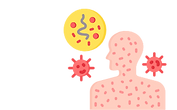.png)
.png)
.png)