USA Toll free number:
+1 (719) 601 9825
Free shipping all order above $199 - Shop smart, Save more!!!
Track order

Discover
Allergy
All you need for trusted allergy treatment, reliable medicines, and complete patient care support


Explore a wide range of Allergy
Trusted medicines and healthcare products for your everyday needs
Allergy Medicines: Symptoms, Treatment Options and Safe Use
Allergy medicines help manage symptoms such as sneezing, a runny nose, itchy eyes and certain skin reactions. Treatment may involve tablets, nasal sprays, eye drops or creams, depending on the cause and the area affected.
Choosing an appropriate treatment starts with understanding the symptoms. Occasional hay fever, persistent skin irritation and a reaction to food or medicine require different approaches. A pharmacist or healthcare professional can help identify suitable options and explain when further assessment is needed.
Understanding Allergy Symptoms and Triggers
An allergy occurs when the immune system reacts to a substance called an allergen. Common triggers include pollen, house dust mites, animal dander, certain foods, insect stings and some medicines.
Symptoms may include:
-
Repeated sneezing and an itchy or runny nose
-
Red, itchy or watery eyes
-
Raised, itchy patches on the skin
-
Swelling or irritation after exposure to a particular substance
Symptoms alone do not always confirm an allergy. A healthcare professional may review your medical history and arrange testing when appropriate. The NHS information on allergies explains common triggers, symptoms and diagnosis.
Main Types of Allergy Treatments
Antihistamines
Antihistamines block the effects of histamine, a substance involved in many allergic symptoms. They can help reduce sneezing, itching, watery eyes and hives.
Some antihistamines cause sleepiness, while others are less likely to do so. Even a medicine described as “non-drowsy” can make some people sleepy. Possible side effects also include dry mouth, headache or nausea.
The NHS guide to antihistamines explains the different types and their precautions. The most suitable option depends on your symptoms, health conditions and other medicines.
Nasal Sprays for Allergic Rhinitis
Allergic rhinitis affects the lining of the nose and may cause sneezing, itching and congestion. Corticosteroid nasal sprays reduce inflammation and generally need regular use as directed. The NHS information on fluticasone nasal spray describes one example.
Decongestant sprays provide temporary relief from a blocked nose. Using them for longer than the recommended period can make congestion worse. Follow the product’s duration limit and review the NHS guidance on decongestants before use, particularly if you have high blood pressure or take other medicines.
Eye Allergy Treatments
Allergies can cause itchy, red and watery eyes. Suitable eye drops or antihistamines may help, but treatment depends on whether the symptoms come from an allergy, infection or another eye condition.
Our eye allergy treatment information covers this related treatment area. Avoid rubbing irritated eyes and seek urgent medical assessment for eye pain, sensitivity to light or changes in vision. These symptoms can indicate a more serious problem, as explained in the NHS guidance on conjunctivitis.
Skin Allergy Treatments
Choosing skin allergy treatments depends on the type of reaction. Hives and contact dermatitis need different care, and an itchy rash does not automatically mean an allergy.
For contact dermatitis, treatment may include avoiding the trigger, using moisturisers and applying a suitable topical corticosteroid when recommended. The strength and treatment duration depend on the affected area and severity.
The NHS guide to contact dermatitis treatment explains these options. Oral steroid tablets are reserved for selected severe cases under medical supervision; repeated courses require careful assessment.
Choosing and Using Allergy Medicines Safely
Before starting treatment, tell the pharmacist or prescriber about your current medicines, previous reactions and existing health conditions. Advice is particularly important during pregnancy or breastfeeding, for children and older adults, and for people with kidney, liver or heart conditions.
Follow the recommended dose and instructions for the specific product. Avoid combining antihistamines unless a healthcare professional advises it. Some cough and cold products already contain an antihistamine, so check their ingredients before taking them together.
Alcohol can increase drowsiness. Do not drive or operate machinery if your medicine causes sleepiness, dizziness or reduced alertness. Further precautions are covered in the NHS advice on antihistamine safety.
If treatment is not helping, ask for a review before increasing the dose or adding another medicine.
Managing Seasonal and Repeated Symptoms
For hay fever and other nasal allergies, reducing exposure to a known trigger can support symptom control. Practical steps may include washing bedding regularly, cleaning dust with a damp cloth, addressing indoor damp and keeping pets out of bedrooms when animal allergens trigger symptoms.
During periods of high pollen, limiting exposure and wearing wraparound sunglasses outdoors may help. Choose measures that match your identified triggers.
Seek medical advice if symptoms disturb sleep, affect daily activities or continue despite treatment. Worsening asthma symptoms also need review. The NHS guidance on allergic rhinitis provides further advice on prevention and follow-up.
Recognising a Severe Allergic Reaction
Sudden swelling of the tongue or throat, difficulty breathing, trouble swallowing, severe dizziness or collapse can indicate anaphylaxis. This is a medical emergency.
Use your prescribed adrenaline, also called epinephrine, auto-injector immediately if anaphylaxis is suspected, and call your local emergency number. Follow your emergency action plan. Antihistamines must not replace adrenaline or delay emergency care.
A rash may occur, but do not wait for one before seeking help. The NHS guidance on anaphylaxis explains the warning signs and immediate actions.
Medical Disclaimer
This content provides general education and does not replace individual medical advice. Use medicines according to professional guidance and product instructions. Please read our medical information disclaimer.
Top selling TREATMENTS
✪ High-demand medicines with proven results


Frequently asked questions
Popular Medicine 🌟


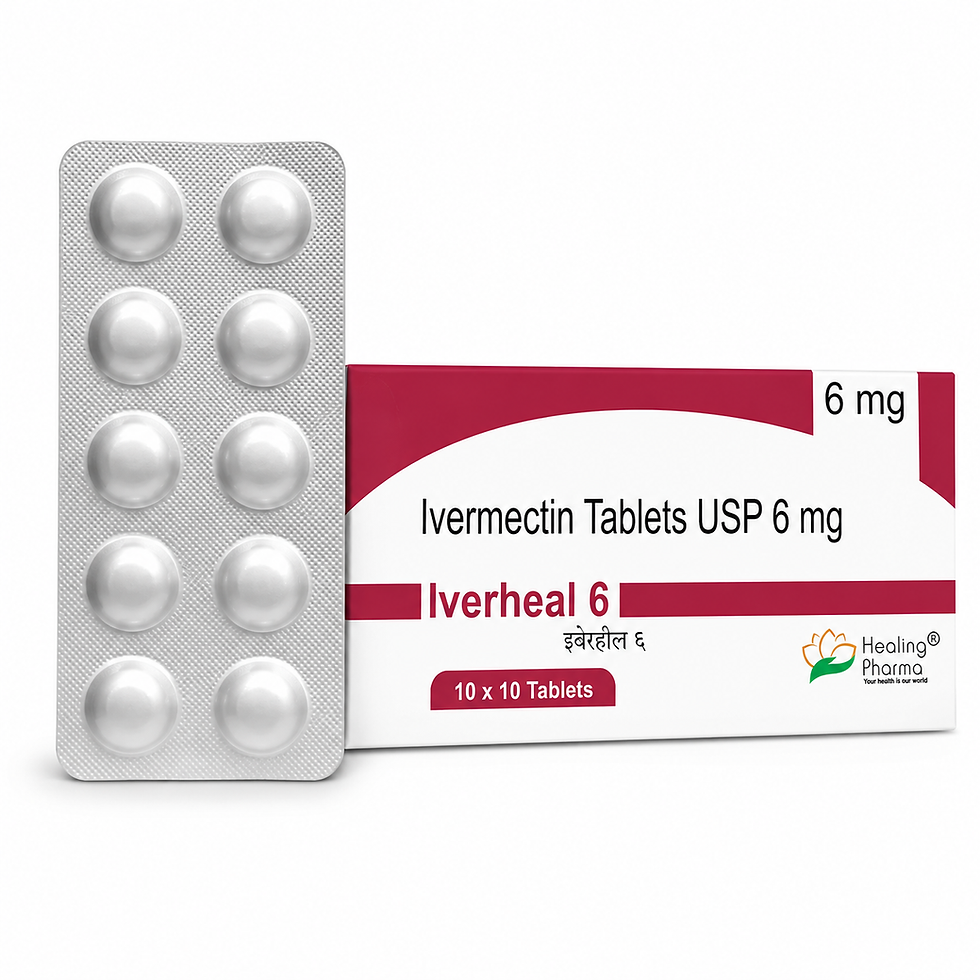


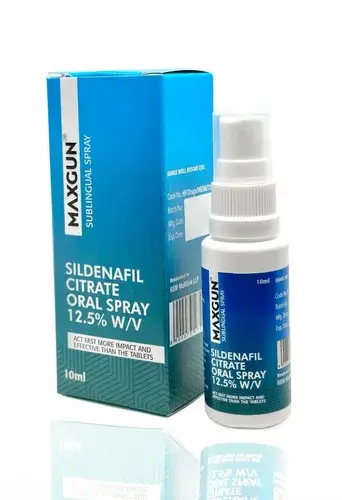


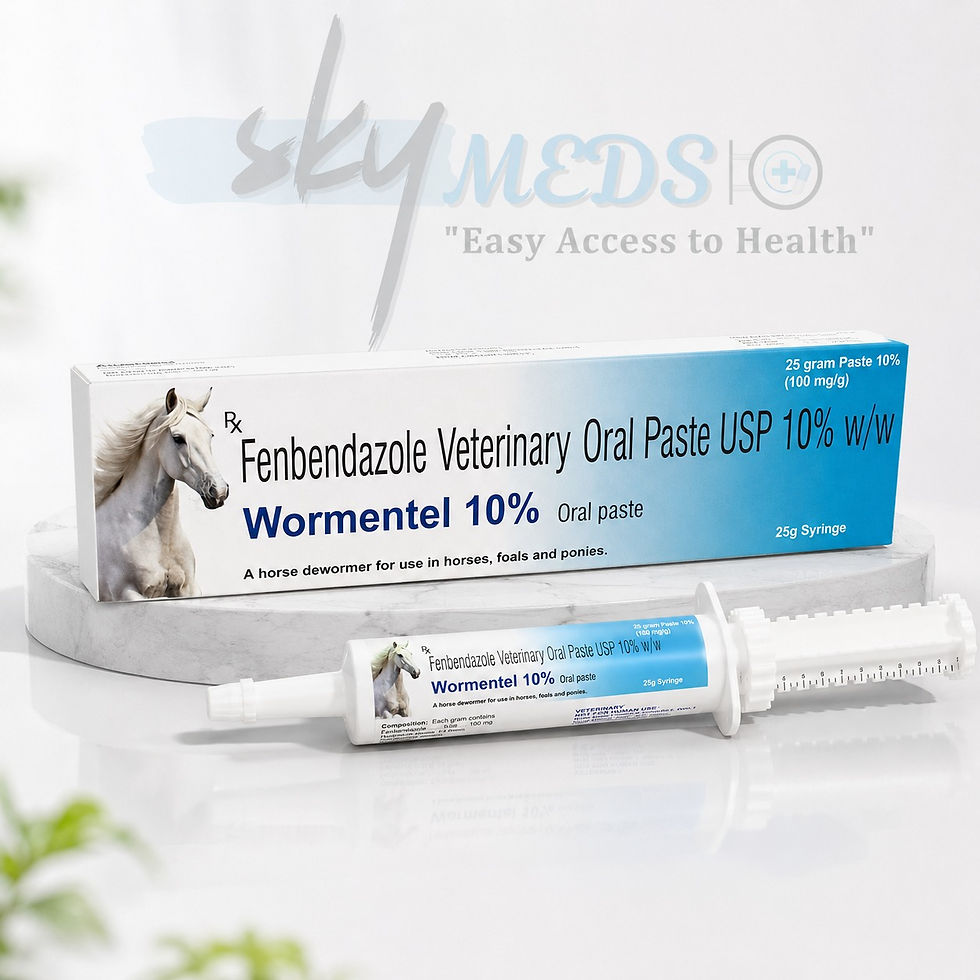


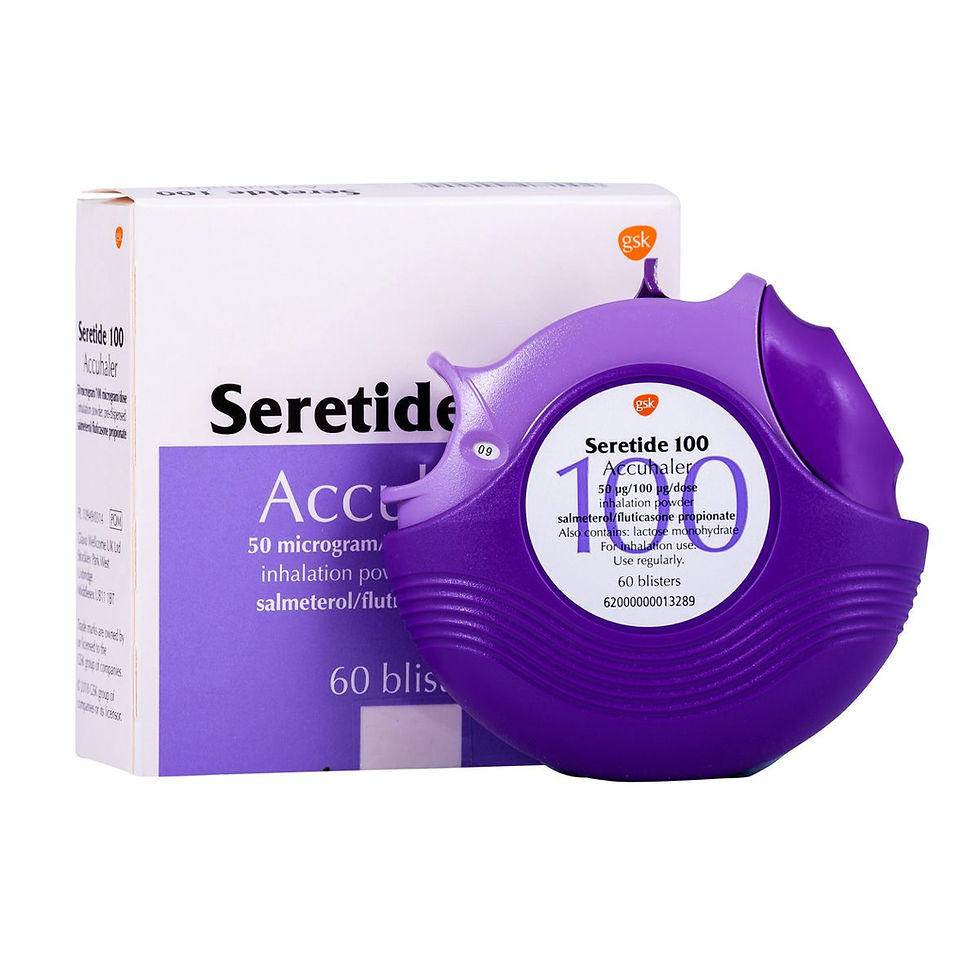




Buy Allergy Medicines at Skymeds
Allegra (Fexofenadine) ~ Albuterol Inhalation Solution ~ BETNOVATE (BETAMETHASONE) Ciplactin (Cyproheptadine) ~ Deslor (Desloratadine) ~ Cetcip L (Levocetirizine) Minocyclone 100 Mg (Minocycline) ~ Alaspan 10mg (Loratadine) ~ Phenergan (Promethazine) ~ Cetcip L (Levocetirizine)
Medical disclaimer
The content on this page is for informational purposes only. Prescription medicines should be used only under the guidance of a qualified medical professional. Skymeds does not encourage self-medication, self-diagnosis, or the unsupervised use of any medicine.