USA Toll free number:
+1 (719) 601 9825
Free shipping all order above $199 - Shop smart, Save more!!!
Track order

Discover
Anti Cancer
All you need for trusted cancer treatment, reliable medicines, and complete patient care support


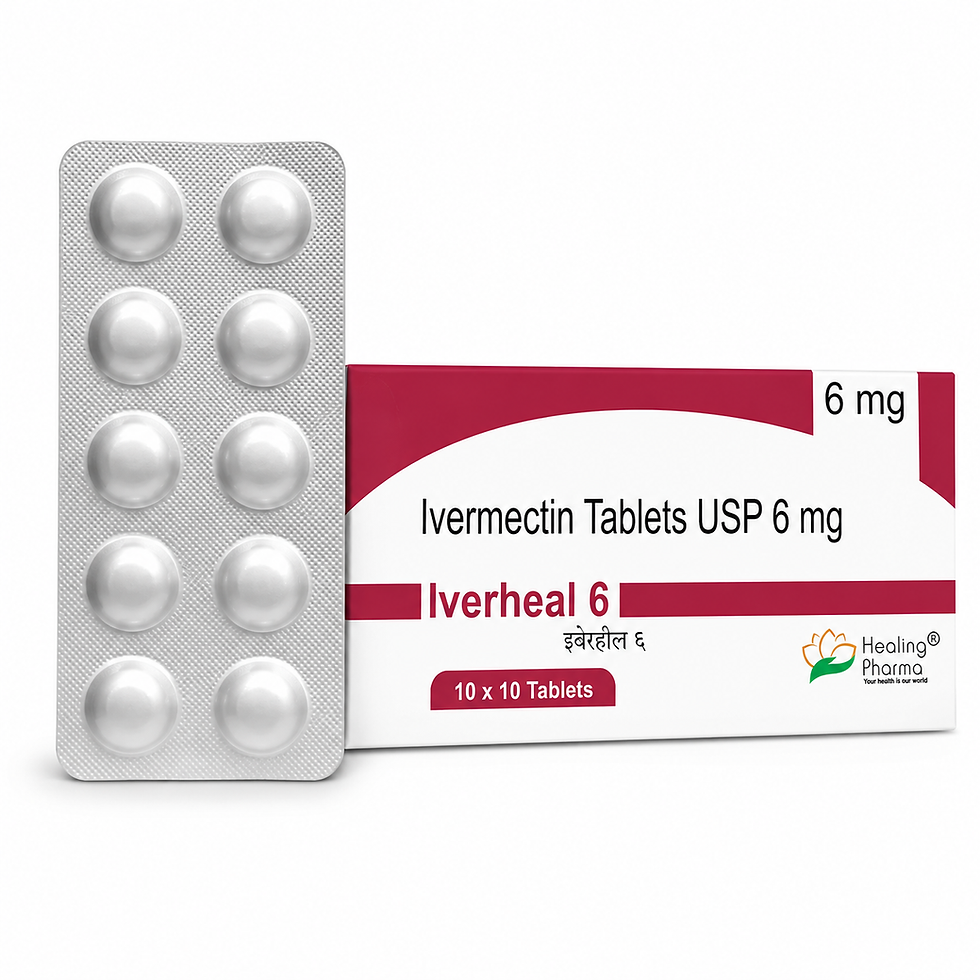





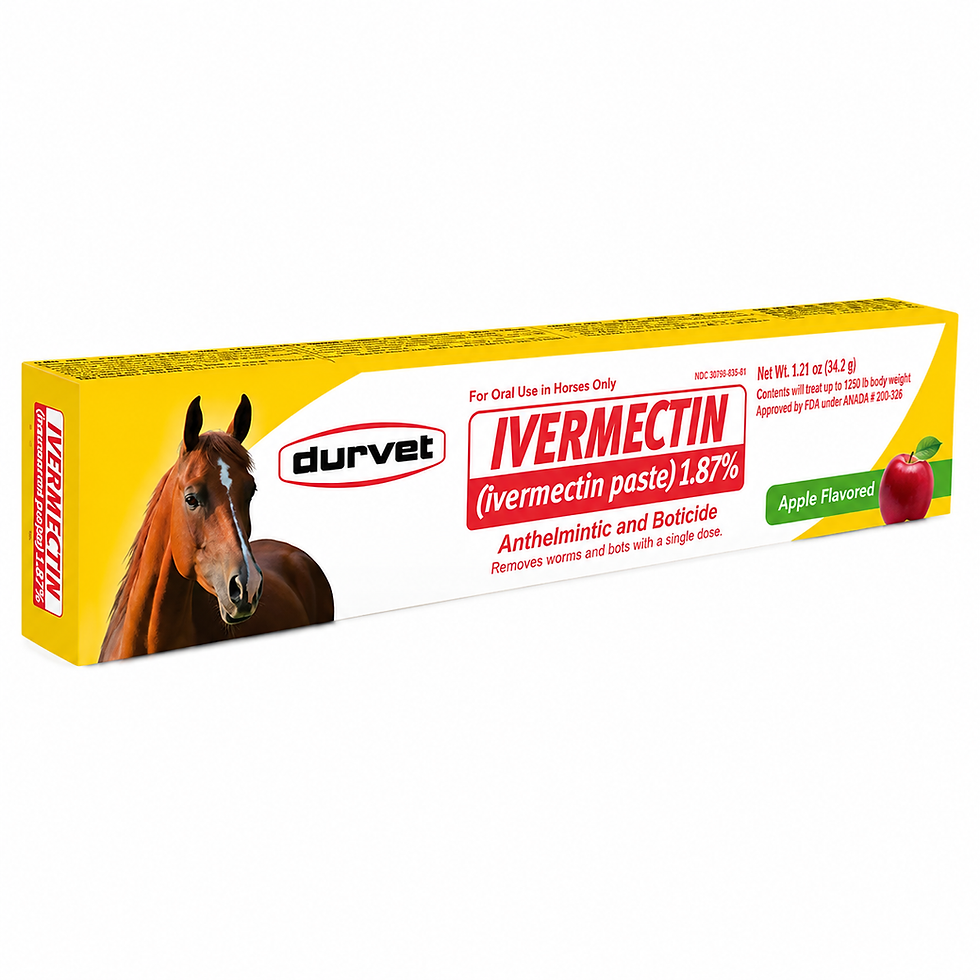


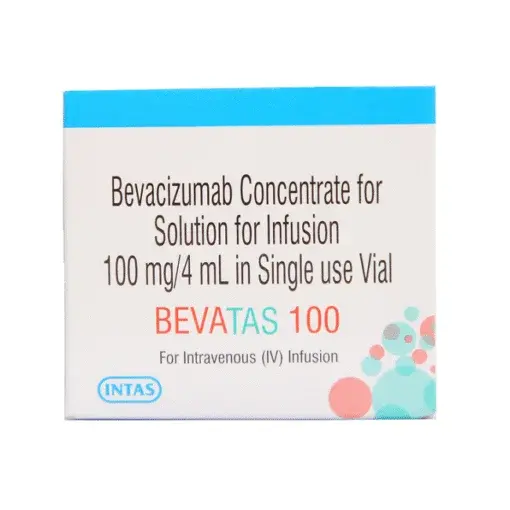


Explore a wide range of Anti Cancer
Trusted medicines and healthcare products for your everyday needs
Anti-Cancer Medicines: Types, Uses and Safety
Anti-cancer medicines are used to destroy cancer cells, slow their growth or reduce the risk of cancer spreading or returning. No single medicine works for every cancer.
Treatment depends on the cancer type, stage, biomarkers, previous treatments and overall health of the patient. Cancer medicines should only be selected and monitored by a qualified oncologist.
Patients and caregivers can also explore our cancer treatment and research guides for additional educational information.
What Are Anti-Cancer Medicines?
Anti-cancer medicines work in different ways. Some affect rapidly dividing cells, while others target particular proteins, hormones or immune pathways that help cancer grow.
They may be used:
-
Before surgery to reduce tumour size
-
After surgery to lower the risk of recurrence
-
Alongside radiation therapy
-
To control cancer that has spread
-
To relieve symptoms in advanced cancer
The National Cancer Institute’s cancer treatment guide explains how medicines, surgery and radiation may be combined.
Main Types of Anti-Cancer Medicines
Chemotherapy
Chemotherapy medicines kill or slow rapidly growing cells. Treatment may involve tablets, capsules, injections or intravenous infusions.
Targeted Therapy
Targeted therapy acts on specific proteins, genes or pathways associated with cancer. Biomarker testing may be required before treatment.
Immunotherapy
Immunotherapy helps the immune system recognise or attack cancer cells. It is suitable only for certain cancers and patients.
Hormone Therapy
Hormone therapy blocks hormones that support the growth of certain breast, prostate and other hormone-sensitive cancers.
Supportive Medicines
Supportive medicines help manage nausea, pain, infection risk, low blood-cell counts and other treatment-related problems. They do not always treat the cancer directly.
How Is Cancer Treatment Selected?
The oncology team may consider:
-
The exact cancer type
-
Cancer stage and grade
-
Whether the cancer has spread
-
Pathology and imaging results
-
Biomarker test results
-
Previous treatments
-
Liver, kidney and heart function
-
Other medicines and supplements
The NCI information about biomarker testing explains how tumour features may help guide treatment. Finding a biomarker does not guarantee that a particular medicine will work.
Visitors can review general information about breast cancer treatment, lung cancer treatment and multiple myeloma care.
Possible Side Effects
Side effects depend on the medicine, dose and individual patient. Possible effects may include:
-
Tiredness
-
Nausea or vomiting
-
Diarrhea or constipation
-
Reduced appetite
-
Mouth sores
-
Hair or skin changes
-
Low blood-cell counts
-
Increased infection risk
-
Easy bruising or bleeding
The NCI guide to cancer treatment side effects provides general information.
Patients should contact their cancer-care team promptly for fever, breathing difficulty, unusual bleeding, severe vomiting, confusion or rapidly worsening symptoms.
Using Anti-Cancer Medicines Safely
Important safety steps include:
-
Take the medicine exactly as prescribed.
-
Do not change or stop a dose without oncology advice.
-
Do not share cancer medicines with another patient.
-
Attend all required blood tests and appointments.
-
Inform the oncology team about supplements and other medicines.
-
Report new or serious side effects promptly.
-
Follow all storage and handling instructions.
A higher-strength medicine is not automatically more effective. The correct dose depends on the treatment plan and the patient’s health.
Trusted Pharmaceutical Partners
At Skymeds, we value quality, consistency, and trusted sourcing. Our category strength is aligned with leading India-based pharmaceutical companies and oncology-focused manufacturers known for strong product development, oncology portfolios, biosimilars, specialty formulations, and global market reach.
: Representative names to mention
-
NATCO Pharma
-
Cipla
-
Sun Pharma
-
Dr. Reddy’s Laboratories / Aurigene Oncology
-
Intas Pharmaceuticals
-
Hetero Healthcare
-
Zydus Lifesciences
Unapproved Cancer Treatments
Laboratory or animal research does not prove that a medicine safely treats cancer in humans.
Ivermectin, fenbendazole and mebendazole should not be presented as approved cancer treatments. They must not replace chemotherapy, targeted therapy, immunotherapy, surgery, radiation or other oncology care.
The FDA warning about unapproved cancer-cure claims explains why patients should avoid products advertised with claims such as “guaranteed cure” or “better than chemotherapy.”
Top selling TREATMENTS
✪ High-demand medicines with proven results


Frequently asked questions
Popular Medicines 🌟

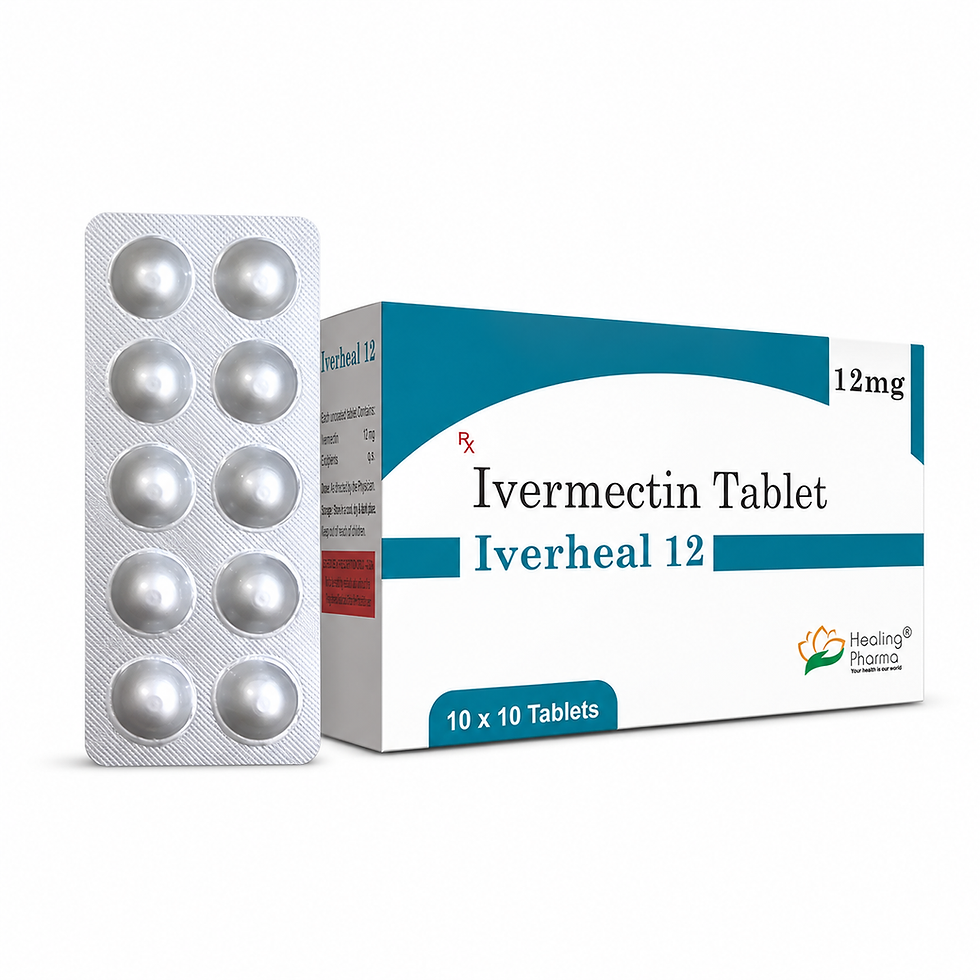

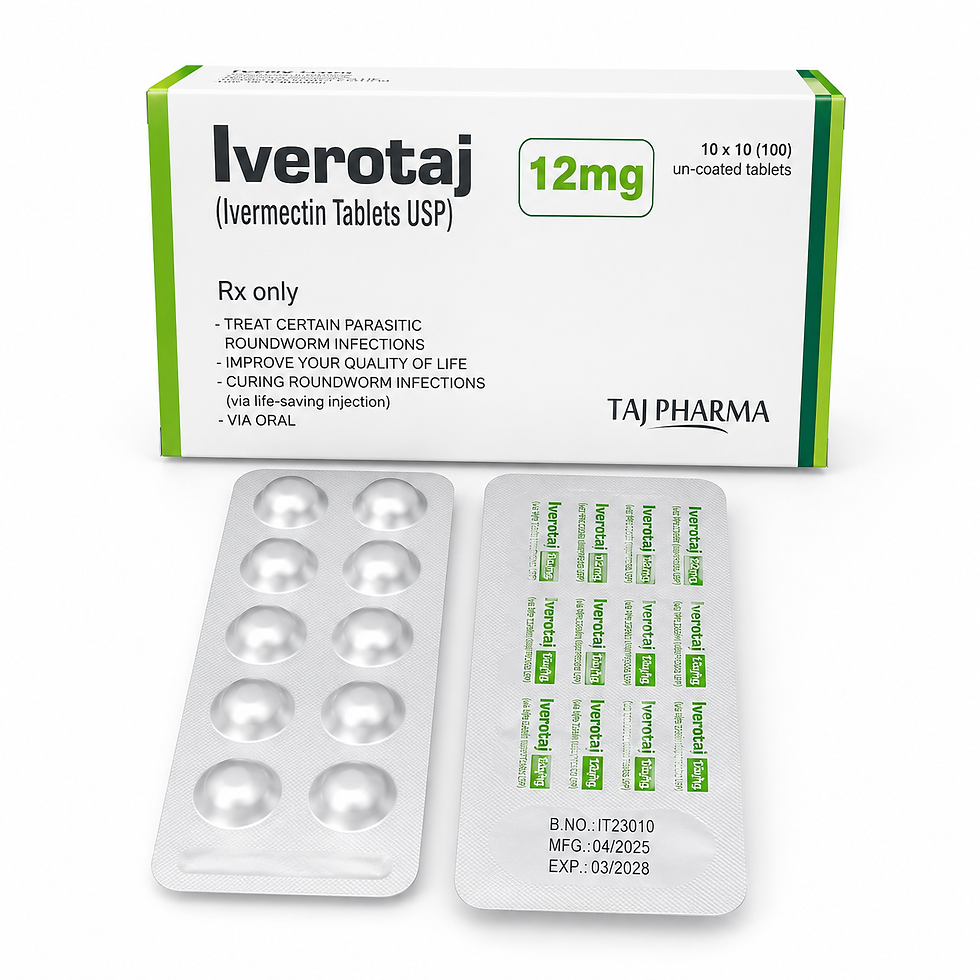






✨ Get safe, affordable anti-cancer medicines from Skymeds trusted quality with secure and discreet delivery.
Popular Anti cancer Medicine
covilife 40 ~ covimectin 12 ~ Fenbendazole ~ Ivermectin ~ Anastrozole ~ Methotrexate ~ Bosuvi ~ Axitinib ~ Leucorin ~ Mebendazole ~ Crizalk ~ Spexib ~ Cyendiv ~ Alphalan ~ Nublexa ~ Zecyte ~ Tagrisso 80 ~ Kisqali
Medical disclaimer
The content on this page is for informational purposes only. Prescription medicines should be used only under the guidance of a qualified medical professional. Skymeds does not encourage self-medication, self-diagnosis, or the unsupervised use of any medicine.