USA Toll free number:
+1 (719) 601 9825
Free shipping all order above $199 - Shop smart, Save more!!!
Track order

Discover
Anxiety
Find trusted anxiety medicines, symptom support options, and guidance for calmer, healthier daily living.


Buy Genuine & Affordable
Anxiety
Compare available options, strengths, pack sizes, and prices before viewing full product details.
Filter by
category
Price
$20 - $500







What Is Anxiety and How It Affects You
Understanding Anxiety with Skymeds
Anxiety is more than occasional worry it is a persistent feeling of fear, nervousness, or unease that can affect your daily life. At Skymeds, we help you understand that anxiety can impact both your mind and body, making even simple tasks feel overwhelming. Recognizing anxiety early is the first step to managing it effectively.
Key Effects of Anxiety:
Constant worry or fear, even without an obvious reason
Difficulty concentrating or making decisions
Physical symptoms like rapid heartbeat, sweating, or trembling
Fatigue and low energy throughout the day
Digestive problems like nausea or stomach discomfort
Skymeds emphasizes that understanding these effects can help you take timely action with lifestyle changes, therapies, or medications to reduce anxiety and improve overall well-being.
Common Symptoms of Anxiety Disorders
Physical Symptoms of Anxiety
Rapid heartbeat or palpitations
Shortness of breath
Muscle tension or stiffness
Trembling or shaking
Sweating or hot flashes
Headaches or dizziness
Digestive problems (nausea, diarrhea)
Emotional and Mental Symptoms
Constant worry or fear
Irritability or restlessness
Difficulty concentrating
Feeling overwhelmed or on edge
Panic attacks or sudden fear
Trouble sleeping or insomnia
Types of Anxiety Disorders You Should Know
Different Anxiety Disorders Explained
There are several types of anxiety disorders that affect people differently. Skymeds lists the most common ones:
Generalized Anxiety Disorder (GAD): Persistent worry about everyday life.
Panic Disorder: Sudden panic attacks with intense fear and physical symptoms.
Social Anxiety Disorder: Fear of social situations and public speaking.
Specific Phobias: Irrational fear of specific objects or situations.
Separation Anxiety: Excessive worry about being apart from loved ones.
Each type requires specific approaches for management and treatment.
Causes and Risk Factors of Anxiety
Causes and Risk Factors of Anxiety
Genetics and family history of anxiety disorders
Brain chemistry imbalances
Traumatic or stressful life events
Chronic medical conditions
Certain medications and substance use
Personality traits like perfectionism or shyness
Poor sleep and unhealthy lifestyle habits
Excessive caffeine or alcohol consumption
Effective Treatments for Anxiety
Anxiety Treatment Options Available
Treating anxiety often involves a combination of therapy, medication, and lifestyle changes. Skymeds provides guidance on:
Cognitive Behavioral Therapy (CBT): Helps change negative thought patterns.
Medications: Including anti-anxiety and antidepressant medicines recommended by healthcare providers.
Relaxation Techniques: Breathing exercises, meditation, and mindfulness.
Support Groups: Sharing experiences to reduce stress and fear.
Professional consultation ensures the safest and most effective treatment for each individual.
Lifestyle Tips to Reduce Anxiety Naturally
Natural Anxiety Management Tips from Skymeds
Skymeds encourages lifestyle practices that reduce anxiety naturally:
Maintain a healthy diet rich in omega-3 and vitamins.
Exercise regularly to release endorphins.
Limit caffeine and alcohol consumption.
Practice meditation, yoga, or deep breathing exercises.
Prioritize sleep and maintain a consistent routine.
These natural strategies complement medical treatments and improve overall mental well-being.
Top selling TREATMENTS
✪ High-demand medicines with proven results


FAQ CENTER
FREQUENTLY ASKED QUESTIONS ABOUT
Anxiety
Find quick answers about medicines, ordering, shipping, and treatment categories.
1. Are all brain tumors cancerous?
No. Brain tumors can be benign or malignant, but even noncancerous tumors can cause serious problems by pressing on important brain structures. The Brain Tumor medicines collection explains different tumor types and treatment approaches; diagnosis requires imaging and specialist assessment.
1. Are herbal supplements automatically safe because they are natural?
Natural does not automatically mean safe. Herbal supplements can cause side effects, vary in quality, and interact with medicines. Review ingredients carefully and use the Herbal products collection as a product reference; discuss regular supplement use with a clinician if you take medicines or have chronic conditions.
1. Can fatigue and dizziness mean I have anemia?
Fatigue can occur with anemia, but symptoms alone cannot confirm it. A complete blood count and, when appropriate, iron studies help identify the cause. Ferozone XT + Tablet is listed on TheSkymeds, but iron-containing products should be used when deficiency or another indication is properly assessed.
1. Can hepatitis C be completely cured?
Yes, modern direct-acting antiviral treatment can cure most people with hepatitis C. Many current regimens achieve cure rates above 95% when used appropriately. The Hepatitis C treatment medicines guide explains available antiviral approaches; treatment should be selected after proper testing and clinical evaluation.
1. Can high blood pressure damage my heart even if I feel fine?
Yes, high blood pressure can damage blood vessels and increase heart-attack, stroke, kidney, and heart-failure risk without obvious symptoms. The cardiac medicines collection includes blood-pressure treatments; regular readings matter because hypertension often causes no warning signs.
1. Can kidney or liver disease develop without obvious symptoms?
Yes, early kidney or liver disease may cause few or no obvious symptoms. Blood and urine testing can reveal problems before symptoms become severe. The kidney disease testing guide explains key kidney checks; persistent fatigue, swelling, jaundice, or urinary changes deserve medical assessment.
1. Can medication really help reduce alcohol cravings?
Yes, certain medicines can help reduce alcohol cravings or support abstinence. Naltrexone, acamprosate, and disulfiram work differently and are not suitable for everyone. Naltima (Naltrexone) Tablet is one listed option; alcohol-use disorder treatment works best when medication is chosen with professional support.
1. Do I need a multivitamin every day?
Not everyone needs a daily multivitamin. Supplements may help when diet does not provide enough nutrients or when specific needs are increased. The Daily Care wellness collection includes nutritional products; choose supplements according to diet, age, health conditions, and identified deficiencies.
1. Do antiviral medicines work against every type of virus?
Antiviral medicines treat specific viral infections, not all viruses. The right drug depends on the virus and patient factors. The antiviral drugs guide explains how these medicines differ; antibiotics should not be substituted for viral illnesses unless a bacterial infection is also diagnosed.
1. Does everyone need to take a daily multivitamin?
Not everyone needs a multivitamin. A varied diet should provide most nutrients, while supplements may help people with poor intake, restricted diets, or specific deficiencies. The Nutrition Care collection includes vitamin and mineral products; choose supplements according to actual nutritional needs.
1. Does everyone need to take a daily multivitamin?
No, not everyone needs a daily multivitamin. A balanced diet can provide most nutrients, while supplements may help when intake is inadequate or needs are increased. The Vitamins and Minerals collection offers different formulations; choose supplements according to actual nutritional needs.
1. How can I tell a migraine from an ordinary headache?
Migraine often includes moderate-to-severe headache with nausea, light or sound sensitivity, and sometimes aura. Not every attack looks the same. The Anti Migraine medicines collection covers acute and preventive options; new, unusual, or rapidly changing headaches should be medically evaluated.
1. How can I tell allergies from a cold or the flu?
Allergies usually cause itching, sneezing, and watery eyes without fever. Colds and flu more often cause fever, aches, or infection-type symptoms. The cold weather allergies vs cold and flu guide explains the differences; seek medical advice if symptoms are severe, unusual, or persistent.
1. How can I tell if an infection is bacterial or viral?
Symptoms alone often cannot reliably distinguish bacterial from viral infections. Examination, testing, symptom duration, and infection site may help. The antibiotics versus viral infections guide explains the difference; antibiotics should not be started simply because mucus, fever, or coughing is present.
1. How can I tell osteoarthritis from rheumatoid arthritis?
Osteoarthritis and rheumatoid arthritis have different causes and treatment approaches. Osteoarthritis involves joint degeneration, while rheumatoid arthritis is an inflammatory autoimmune disease. The Arthritis medicines and joint care page covers both types; persistent swelling, stiffness, or joint pain should be properly diagnosed before treatment.
Popular Medicine 🌟








Lifestyle Tips to Reduce Anxiety Naturally
Shop Trusted Anxiety Medicines at Skymeds
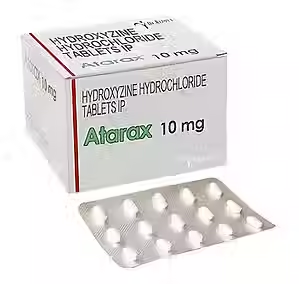
Prothiaden 25mg Tablet (Dosulepin) ~ Prothiaden 50mg Tablet ~ Venlor-XR 150 (Venlafaxine) ~ Buspin 10 (Buspirone 10mg) ~ Venlor-XR 75 (Venlafaxine) ~ Fluoxetine 60mg ~ Buspin 5 (Buspirone 5mg) ~ Atarax 25mg (Hydroxyzine) ~ Flunil 20 Capsule ~ Atarax (Hydroxyzine) ~ Atarax 10mg (Hydroxyzine)
Medical disclaimer
At theskymeds, we care about your well-being. Everything you read here is meant for educational purposes to guide your health journey—not as direct medical advice. Because prescription medicines need proper care, please avoid self-treatment and consult a qualified physician before starting any medication. When it comes to your health, your doctor always knows best.