USA Toll free number:
+1 (719) 601 9825
Free shipping all order above $199 - Shop smart, Save more!!!
Track order

Discover
Scalp Fungal
All you need for trusted Scalp Fungal treatment, reliable medicines, and complete patient care support




What Is Scalp Fungus?
Understanding Scalp Fungal Infection
Scalp fungus is a fungal infection that affects the scalp skin and hair follicles. It happens when fungi grow excessively on the scalp, leading to irritation, itching, and other scalp problems. This condition can affect children and adults and may spread through contact with infected people or shared personal items.
Key points about scalp fungus:
-
Fungal Growth on Scalp: Caused by the overgrowth of fungi that affect scalp health.
-
Scalp Irritation: May cause itching, redness, dryness, and discomfort.
-
Hair Problems: Can lead to hair breakage, weak hair, or patchy hair loss.
-
Spread Risk: Some scalp fungal infections can spread through combs, towels, and close contact.
-
Needs Proper Care: Early diagnosis and suitable treatment help manage symptoms effectively.
-
Scalp Hygiene Matters: Keeping the scalp clean and dry may help reduce fungal growth.
With proper scalp care and the right treatment approach, scalp fungal infections can be managed. Trusted healthcare platforms like theskymeds help users explore scalp care and antifungal treatment options.
Symptoms of Scalp Fungal Infection
Common Signs of Scalp Fungus Problems
The symptoms of scalp fungal infection may vary depending on the type and severity of the condition. Many people experience visible changes in their scalp and hair health.
Common scalp fungus symptoms include:
-
Persistent scalp itching and irritation
-
Red or inflamed patches on the scalp
-
Dry, flaky, or scaly scalp skin
-
Hair breakage or patchy hair loss
-
Small bumps or sores on the scalp
-
Tenderness or discomfort in affected areas
-
Excessive dandruff-like flakes
If these symptoms continue or become severe, proper diagnosis and treatment are important. At theskymeds, users can explore information and available scalp care medicines to support better scalp health.
Causes of Scalp Fungus
Why Does Scalp Fungus Occur?
Scalp fungal infections develop when fungi multiply on the scalp surface. Several environmental and lifestyle factors can contribute to fungal growth.
Major causes of scalp fungus include:
-
Poor scalp cleanliness
-
Excess moisture and sweating
-
Sharing combs, hats, or towels
-
Contact with infected people or animals
-
A weakened immune system
-
Existing scalp conditions
-
Warm and humid weather conditions
Maintaining proper scalp hygiene, avoiding shared personal items, and using suitable treatments can help reduce the chances of fungal infections.
Types of Scalp Fungal Issues
Different Types of Fungal Scalp Conditions
There are different types of fungal problems that may affect the scalp. Each condition can have different symptoms and treatment needs.
Tinea Capitis (Scalp Ringworm)
Tinea capitis is one of the most common scalp fungal infections. It affects the scalp skin and hair shafts, often causing itching, scaling, and areas of hair loss. It can spread easily through close contact.
Fungal Dandruff and Seborrheic Scalp Issues
Some fungal-related scalp conditions can contribute to dandruff, oily flakes, and scalp irritation. These problems may occur due to an imbalance of natural scalp oils and fungal growth.
Scalp Yeast Infections
Yeast infections can occur when certain fungi grow excessively on the scalp. They may cause redness, itching, and discomfort. Identifying the exact condition helps in selecting the right scalp fungus treatment.
Scalp Fungus Diagnosis
How Is Scalp Fungal Infection Diagnosed?
A proper diagnosis helps determine the exact cause of scalp irritation and hair problems. Healthcare professionals may examine the scalp and review symptoms before recommending treatment.
Common diagnostic methods include:
-
Physical scalp examination
-
Checking affected hair and skin areas
-
Microscopic testing of scalp samples
-
Fungal culture tests in some cases
Early diagnosis can prevent the infection from spreading and help protect scalp and hair health.
Scalp Fungal Treatment Options
Effective Ways to Treat Scalp Fungus
Scalp fungus treatment depends on the type and severity of the infection. Many cases require antifungal solutions designed to control fungal growth and improve scalp condition.
Treatment options may include:
Antifungal Medicines for Scalp Infection
Antifungal medicines may help reduce fungal activity and support recovery. Doctors may recommend topical or oral antifungal treatments depending on the infection.
Antifungal Shampoos and Scalp Care Products
Special antifungal shampoos may help manage scalp fungus symptoms by reducing fungal buildup and improving scalp cleanliness.
Healthy Scalp Care Routine
Along with treatment, maintaining a clean scalp, washing hair regularly, and avoiding sharing personal items can support long-term scalp health.
theskymeds provides access to healthcare information and scalp care solutions to help users make informed choices.
Prevention Tips for Healthy Scalp
Simple Tips to Prevent Scalp Fungal Infection
-
Maintain Regular Scalp Hygiene – Wash your hair regularly to remove dirt, oil, and excess buildup that may encourage fungal growth.
-
Keep Your Scalp Dry and Clean – Avoid leaving your scalp wet for long periods because moisture can increase the risk of fungal infections.
-
Avoid Sharing Personal Hair Items – Do not share combs, brushes, towels, caps, or hair accessories to reduce the spread of scalp fungus.
-
Clean Hair Tools Frequently – Regularly clean combs, brushes, and styling tools to prevent fungal buildup.
-
Use Proper Hair Care Products – Choose scalp-friendly shampoos and avoid products that may irritate or damage the scalp.
-
Protect Your Scalp from Infections – Avoid close contact with people or animals that may have fungal infections.
-
Support Healthy Immunity – A balanced diet, enough sleep, and healthy lifestyle habits may help your body fight infections.
-
Treat Scalp Problems Early – Address itching, flaking, redness, or unusual hair loss early to prevent the condition from getting worse.
-
Avoid Excessive Use of Hair Chemicals – Limit harsh treatments that can weaken the scalp barrier and increase irritation.
-
Follow Medical Advice When Needed – If symptoms continue, consult a healthcare professional and use suitable scalp fungus treatments from trusted sources like theskymeds.
Top selling TREATMENTS
✪ High-demand medicines with proven results


Frequently asked questions
Popular Medicine 🌟


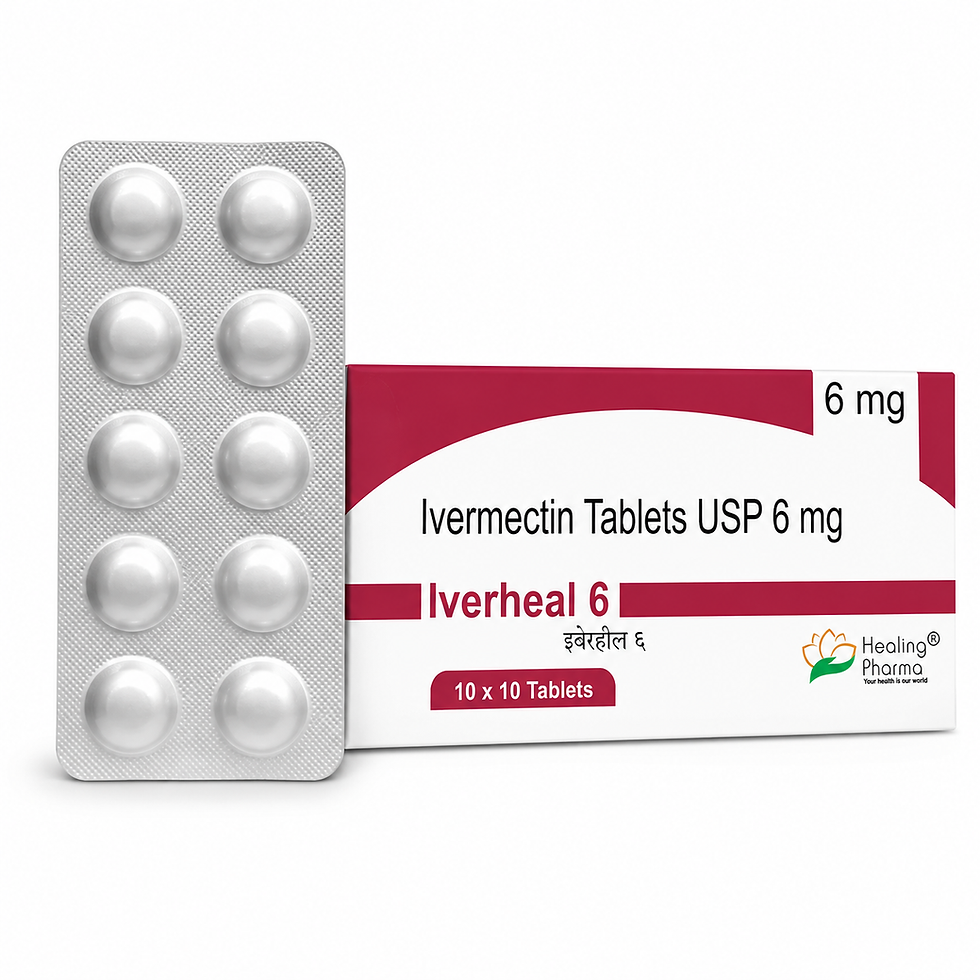


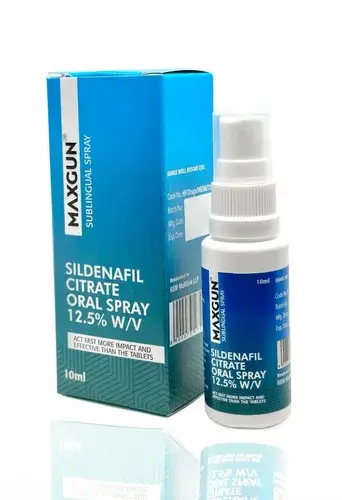


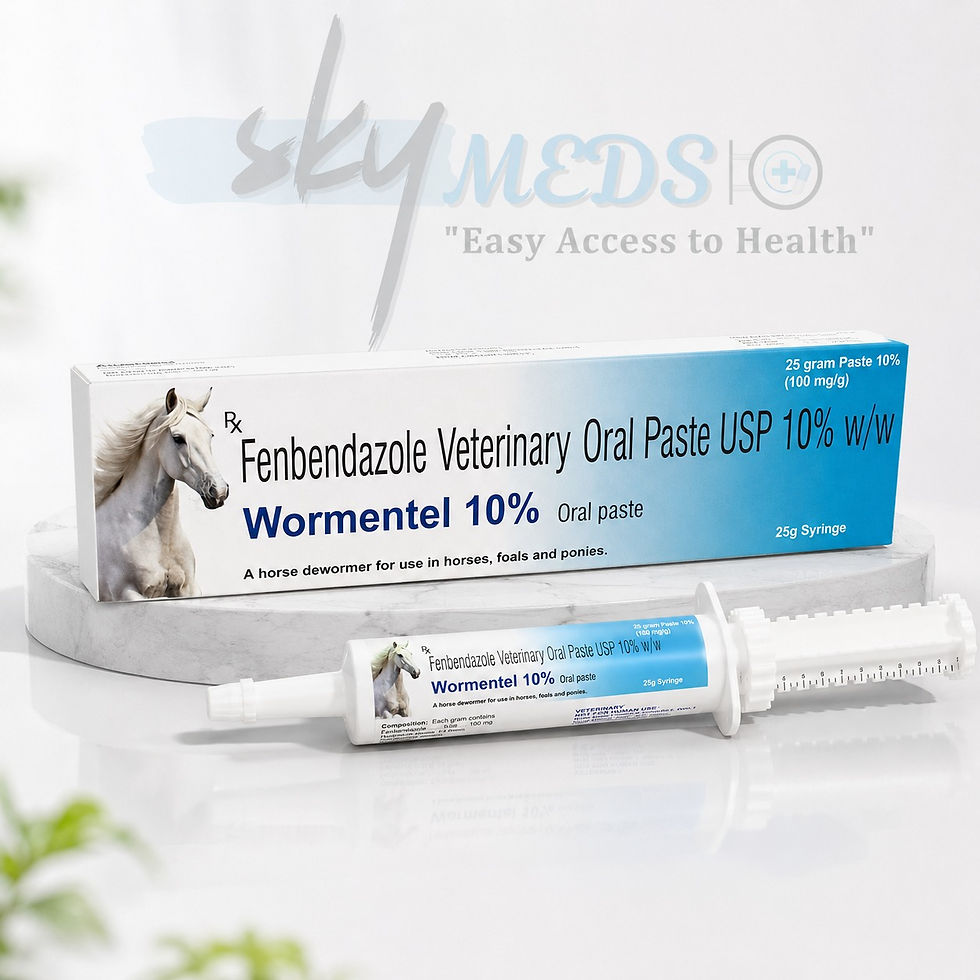






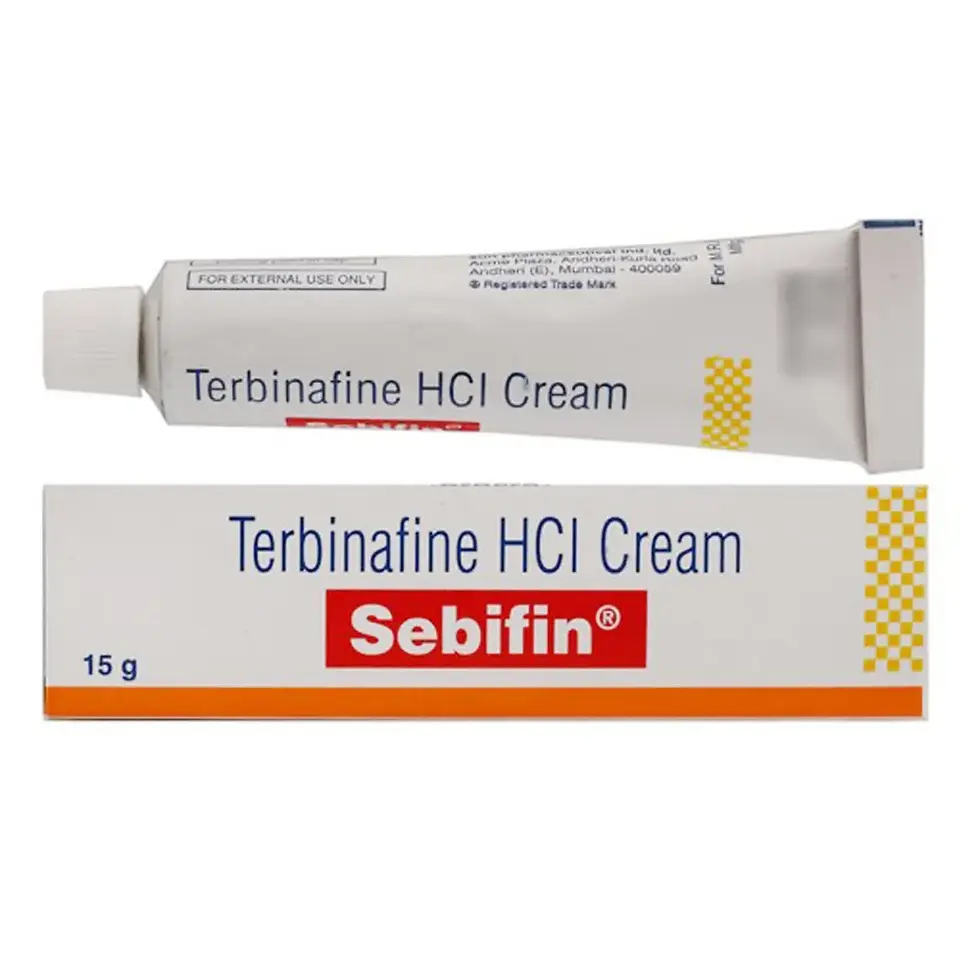
Buy Scalp Fungal Medicines Online at theskymeds
Shop Scalp Fungus Treatment Products Online
Finding the right scalp fungal treatment can help manage discomfort and improve scalp health. theskymeds offers a convenient online platform where users can explore healthcare products and medicines for different conditions.
Before choosing any medication, it is important to understand your symptoms and follow professional medical advice. Buying medicines from a reliable source like theskymeds helps customers access products with convenience while supporting their healthcare needs.
8x Shampoo (Ciclopirox/Zinc Pyrithione) ~ Ketocip Shampoo (Ketoconazole) ~ Sebowash Shampoo (Fluocinolone) ~ Hairzone Solution 60 Ml (Herbal) ~ Ivermectin 0.5% W/V (Ivrea) Shampoo ~ Fungicros Cream ~ Flucos Gel (Fluconazole) ~ Griseofulvin (Griseofulvin) ~ Mycospor Cream (Bifonazole) ~ Itradus 100mg Capsule (Itraconazole)
Forcan-200 ~ Clocip Cream 15 Gm (Clotrimazole) ~ Itaspor 130mg Capsule (Itraconazole) ~ Shaltop A Solution (Minoxidil/Azelaic Acid/Tretinoin) ~ Hair 4u Spray/Solution (Minoxidil/Aminexil) ~ Xgain Shampoo (Herbal) ~ Canditral (Itraconazole) ~ Melanocyl Tablet (Methoxsalen) ~ Pasitrex Ointment (Calcipotriol) ~ Morr-F (Minoxidil/Finasteride) ~ Tazret Gel 0.05% (15gm) ~ Nizral 200 Mg (Ketoconazole)
Medical disclaimer
The content on this page is for informational purposes only. Prescription medicines should be used only under the guidance of a qualified medical professional. Skymeds does not encourage self-medication, self-diagnosis, or the unsupervised use of any medicine.