USA Toll free number:
+1 (719) 601 9825
Free shipping all order above $199 - Shop smart, Save more!!!
Track order

Discover
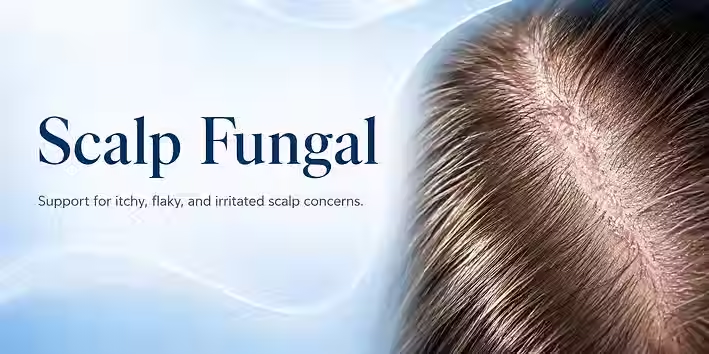
Scalp Fungal
Find treatment options for scalp fungal infections linked with itching, scaling, inflammation and patchy hair loss.

Buy Genuine & Affordable
Scalp Fungal
Compare available options, strengths, pack sizes, and prices before viewing full product details.
Filter by
category
Price
$12 - $102


What Is Scalp Fungus?
Understanding Scalp Fungal Infection
Scalp fungus is a fungal infection that affects the scalp skin and hair follicles. It happens when fungi grow excessively on the scalp, leading to irritation, itching, and other scalp problems. This condition can affect children and adults and may spread through contact with infected people or shared personal items.
Key points about scalp fungus:
Fungal Growth on Scalp: Caused by the overgrowth of fungi that affect scalp health.
Scalp Irritation: May cause itching, redness, dryness, and discomfort.
Hair Problems: Can lead to hair breakage, weak hair, or patchy hair loss.
Spread Risk: Some scalp fungal infections can spread through combs, towels, and close contact.
Needs Proper Care: Early diagnosis and suitable treatment help manage symptoms effectively.
Scalp Hygiene Matters: Keeping the scalp clean and dry may help reduce fungal growth.
With proper scalp care and the right treatment approach, scalp fungal infections can be managed. Trusted healthcare platforms like theskymeds help users explore scalp care and antifungal treatment options.
Symptoms of Scalp Fungal Infection
Common Signs of Scalp Fungus Problems
The symptoms of scalp fungal infection may vary depending on the type and severity of the condition. Many people experience visible changes in their scalp and hair health.
Common scalp fungus symptoms include:
Persistent scalp itching and irritation
Red or inflamed patches on the scalp
Dry, flaky, or scaly scalp skin
Hair breakage or patchy hair loss
Small bumps or sores on the scalp
Tenderness or discomfort in affected areas
Excessive dandruff-like flakes
If these symptoms continue or become severe, proper diagnosis and treatment are important. At theskymeds, users can explore information and available scalp care medicines to support better scalp health.
Causes of Scalp Fungus
Why Does Scalp Fungus Occur?
Scalp fungal infections develop when fungi multiply on the scalp surface. Several environmental and lifestyle factors can contribute to fungal growth.
Major causes of scalp fungus include:
Poor scalp cleanliness
Excess moisture and sweating
Sharing combs, hats, or towels
Contact with infected people or animals
A weakened immune system
Existing scalp conditions
Warm and humid weather conditions
Maintaining proper scalp hygiene, avoiding shared personal items, and using suitable treatments can help reduce the chances of fungal infections.
Types of Scalp Fungal Issues
Different Types of Fungal Scalp Conditions
There are different types of fungal problems that may affect the scalp. Each condition can have different symptoms and treatment needs.
Tinea Capitis (Scalp Ringworm)
Tinea capitis is one of the most common scalp fungal infections. It affects the scalp skin and hair shafts, often causing itching, scaling, and areas of hair loss. It can spread easily through close contact.
Fungal Dandruff and Seborrheic Scalp Issues
Some fungal-related scalp conditions can contribute to dandruff, oily flakes, and scalp irritation. These problems may occur due to an imbalance of natural scalp oils and fungal growth.
Scalp Yeast Infections
Yeast infections can occur when certain fungi grow excessively on the scalp. They may cause redness, itching, and discomfort. Identifying the exact condition helps in selecting the right scalp fungus treatment.
Scalp Fungus Diagnosis
How Is Scalp Fungal Infection Diagnosed?
A proper diagnosis helps determine the exact cause of scalp irritation and hair problems. Healthcare professionals may examine the scalp and review symptoms before recommending treatment.
Common diagnostic methods include:
Physical scalp examination
Checking affected hair and skin areas
Microscopic testing of scalp samples
Fungal culture tests in some cases
Early diagnosis can prevent the infection from spreading and help protect scalp and hair health.
Scalp Fungal Treatment Options
Effective Ways to Treat Scalp Fungus
Scalp fungus treatment depends on the type and severity of the infection. Many cases require antifungal solutions designed to control fungal growth and improve scalp condition.
Treatment options may include:
Antifungal Medicines for Scalp Infection
Antifungal medicines may help reduce fungal activity and support recovery. Doctors may recommend topical or oral antifungal treatments depending on the infection.
Antifungal Shampoos and Scalp Care Products
Special antifungal shampoos may help manage scalp fungus symptoms by reducing fungal buildup and improving scalp cleanliness.
Healthy Scalp Care Routine
Along with treatment, maintaining a clean scalp, washing hair regularly, and avoiding sharing personal items can support long-term scalp health.
theskymeds provides access to healthcare information and scalp care solutions to help users make informed choices.
Prevention Tips for Healthy Scalp
Simple Tips to Prevent Scalp Fungal Infection
Maintain Regular Scalp Hygiene – Wash your hair regularly to remove dirt, oil, and excess buildup that may encourage fungal growth.
Keep Your Scalp Dry and Clean – Avoid leaving your scalp wet for long periods because moisture can increase the risk of fungal infections.
Avoid Sharing Personal Hair Items – Do not share combs, brushes, towels, caps, or hair accessories to reduce the spread of scalp fungus.
Clean Hair Tools Frequently – Regularly clean combs, brushes, and styling tools to prevent fungal buildup.
Use Proper Hair Care Products – Choose scalp-friendly shampoos and avoid products that may irritate or damage the scalp.
Protect Your Scalp from Infections – Avoid close contact with people or animals that may have fungal infections.
Support Healthy Immunity – A balanced diet, enough sleep, and healthy lifestyle habits may help your body fight infections.
Treat Scalp Problems Early – Address itching, flaking, redness, or unusual hair loss early to prevent the condition from getting worse.
Avoid Excessive Use of Hair Chemicals – Limit harsh treatments that can weaken the scalp barrier and increase irritation.
Follow Medical Advice When Needed – If symptoms continue, consult a healthcare professional and use suitable scalp fungus treatments from trusted sources like theskymeds.
Top selling TREATMENTS
✪ High-demand medicines with proven results


FAQ CENTER
FREQUENTLY ASKED QUESTIONS ABOUT
Scalp Fungal
Find quick answers about medicines, ordering, shipping, and treatment categories.
1. Are all brain tumors cancerous?
No. Brain tumors can be benign or malignant, but even noncancerous tumors can cause serious problems by pressing on important brain structures. The Brain Tumor medicines collection explains different tumor types and treatment approaches; diagnosis requires imaging and specialist assessment.
1. Are herbal supplements automatically safe because they are natural?
Natural does not automatically mean safe. Herbal supplements can cause side effects, vary in quality, and interact with medicines. Review ingredients carefully and use the Herbal products collection as a product reference; discuss regular supplement use with a clinician if you take medicines or have chronic conditions.
1. Can fatigue and dizziness mean I have anemia?
Fatigue can occur with anemia, but symptoms alone cannot confirm it. A complete blood count and, when appropriate, iron studies help identify the cause. Ferozone XT + Tablet is listed on TheSkymeds, but iron-containing products should be used when deficiency or another indication is properly assessed.
1. Can hepatitis C be completely cured?
Yes, modern direct-acting antiviral treatment can cure most people with hepatitis C. Many current regimens achieve cure rates above 95% when used appropriately. The Hepatitis C treatment medicines guide explains available antiviral approaches; treatment should be selected after proper testing and clinical evaluation.
1. Can high blood pressure damage my heart even if I feel fine?
Yes, high blood pressure can damage blood vessels and increase heart-attack, stroke, kidney, and heart-failure risk without obvious symptoms. The cardiac medicines collection includes blood-pressure treatments; regular readings matter because hypertension often causes no warning signs.
1. Can kidney or liver disease develop without obvious symptoms?
Yes, early kidney or liver disease may cause few or no obvious symptoms. Blood and urine testing can reveal problems before symptoms become severe. The kidney disease testing guide explains key kidney checks; persistent fatigue, swelling, jaundice, or urinary changes deserve medical assessment.
1. Can medication really help reduce alcohol cravings?
Yes, certain medicines can help reduce alcohol cravings or support abstinence. Naltrexone, acamprosate, and disulfiram work differently and are not suitable for everyone. Naltima (Naltrexone) Tablet is one listed option; alcohol-use disorder treatment works best when medication is chosen with professional support.
1. Do I need a multivitamin every day?
Not everyone needs a daily multivitamin. Supplements may help when diet does not provide enough nutrients or when specific needs are increased. The Daily Care wellness collection includes nutritional products; choose supplements according to diet, age, health conditions, and identified deficiencies.
1. Do antiviral medicines work against every type of virus?
Antiviral medicines treat specific viral infections, not all viruses. The right drug depends on the virus and patient factors. The antiviral drugs guide explains how these medicines differ; antibiotics should not be substituted for viral illnesses unless a bacterial infection is also diagnosed.
1. Does everyone need to take a daily multivitamin?
Not everyone needs a multivitamin. A varied diet should provide most nutrients, while supplements may help people with poor intake, restricted diets, or specific deficiencies. The Nutrition Care collection includes vitamin and mineral products; choose supplements according to actual nutritional needs.
1. Does everyone need to take a daily multivitamin?
No, not everyone needs a daily multivitamin. A balanced diet can provide most nutrients, while supplements may help when intake is inadequate or needs are increased. The Vitamins and Minerals collection offers different formulations; choose supplements according to actual nutritional needs.
1. How can I tell a migraine from an ordinary headache?
Migraine often includes moderate-to-severe headache with nausea, light or sound sensitivity, and sometimes aura. Not every attack looks the same. The Anti Migraine medicines collection covers acute and preventive options; new, unusual, or rapidly changing headaches should be medically evaluated.
1. How can I tell allergies from a cold or the flu?
Allergies usually cause itching, sneezing, and watery eyes without fever. Colds and flu more often cause fever, aches, or infection-type symptoms. The cold weather allergies vs cold and flu guide explains the differences; seek medical advice if symptoms are severe, unusual, or persistent.
1. How can I tell if an infection is bacterial or viral?
Symptoms alone often cannot reliably distinguish bacterial from viral infections. Examination, testing, symptom duration, and infection site may help. The antibiotics versus viral infections guide explains the difference; antibiotics should not be started simply because mucus, fever, or coughing is present.
1. How can I tell osteoarthritis from rheumatoid arthritis?
Osteoarthritis and rheumatoid arthritis have different causes and treatment approaches. Osteoarthritis involves joint degeneration, while rheumatoid arthritis is an inflammatory autoimmune disease. The Arthritis medicines and joint care page covers both types; persistent swelling, stiffness, or joint pain should be properly diagnosed before treatment.
Popular Medicine 🌟

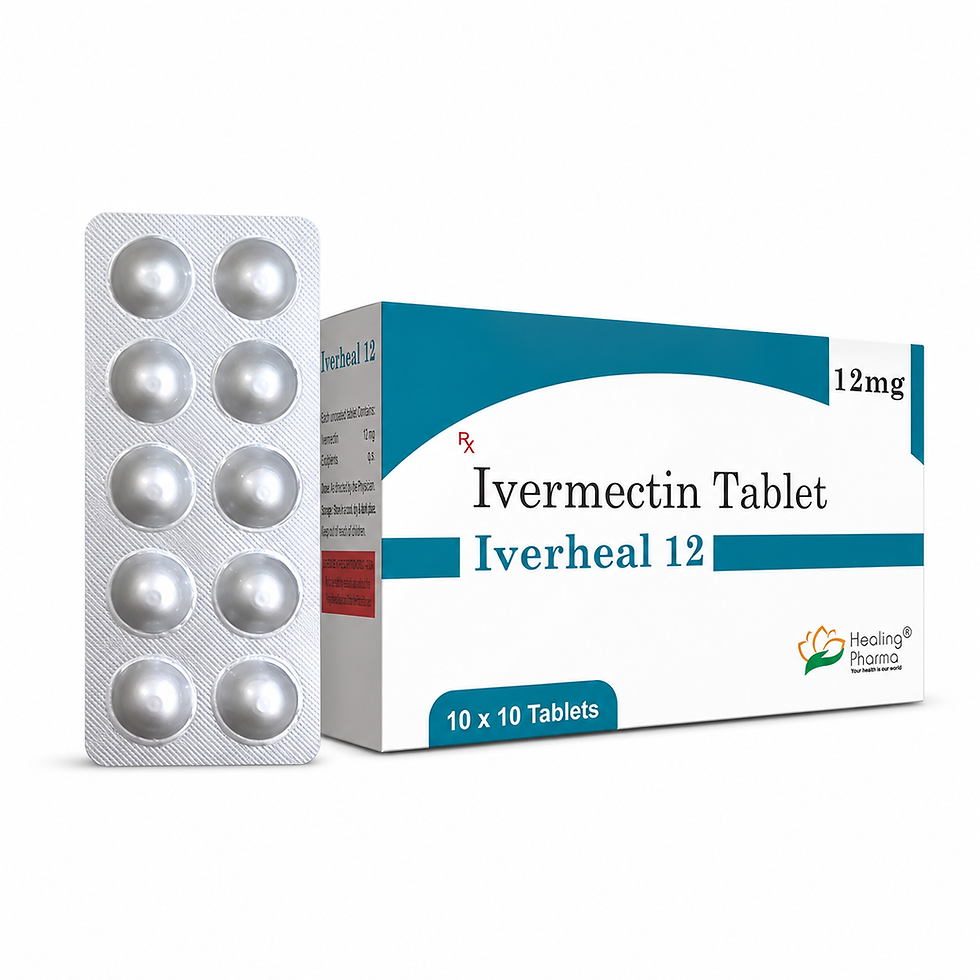


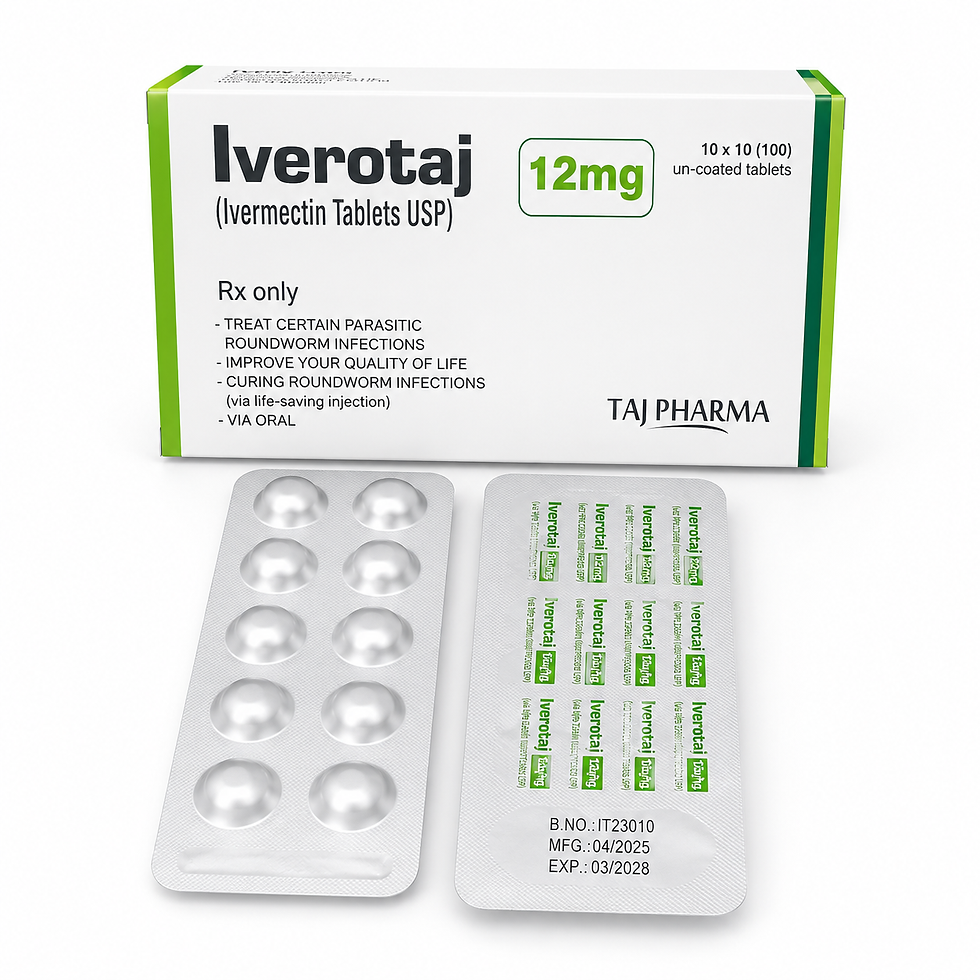


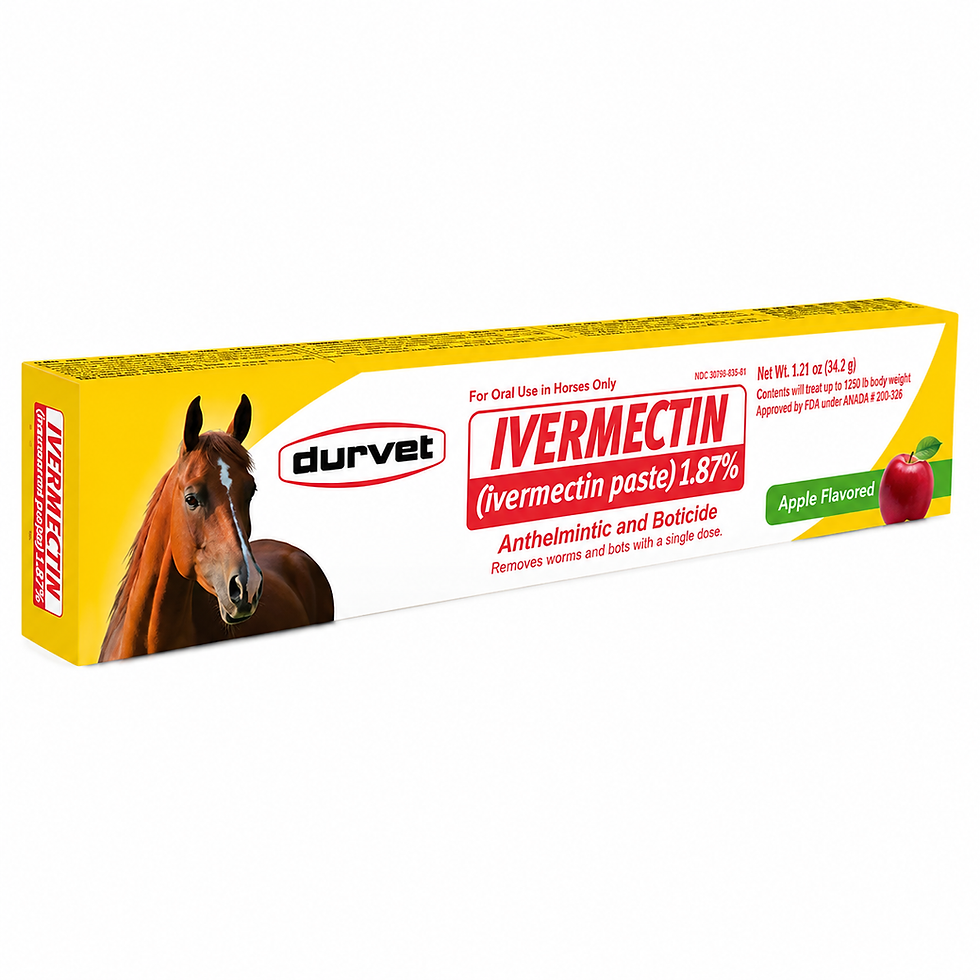



Buy Scalp Fungal Medicines Online at theskymeds
Shop Scalp Fungus Treatment Products Online
Finding the right scalp fungal treatment can help manage discomfort and improve scalp health. theskymeds offers a convenient online platform where users can explore healthcare products and medicines for different conditions.
Before choosing any medication, it is important to understand your symptoms and follow professional medical advice. Buying medicines from a reliable source like theskymeds helps customers access products with convenience while supporting their healthcare needs.
8x Shampoo (Ciclopirox/Zinc Pyrithione) ~ Ketocip Shampoo (Ketoconazole) ~ Sebowash Shampoo (Fluocinolone) ~ Hairzone Solution 60 Ml (Herbal) ~ Ivermectin 0.5% W/V (Ivrea) Shampoo ~ Fungicros Cream ~ Flucos Gel (Fluconazole) ~ Griseofulvin (Griseofulvin) ~ Mycospor Cream (Bifonazole) ~ Itradus 100mg Capsule (Itraconazole) Forcan-200 ~ Clocip Cream 15 Gm (Clotrimazole) ~ Itaspor 130mg Capsule (Itraconazole) ~ Shaltop A Solution (Minoxidil/Azelaic Acid/Tretinoin) ~ Hair 4u Spray/Solution (Minoxidil/Aminexil) ~ Xgain Shampoo (Herbal) ~ Canditral (Itraconazole) ~ Melanocyl Tablet (Methoxsalen) ~ Pasitrex Ointment (Calcipotriol) ~ Morr-F (Minoxidil/Finasteride) ~ Tazret Gel 0.05% (15gm) ~ Nizral 200 Mg (Ketoconazole)
Medical disclaimer
At theskymeds, we care about your well-being. Everything you read here is meant for educational purposes to guide your health journey—not as direct medical advice. Because prescription medicines need proper care, please avoid self-treatment and consult a qualified physician before starting any medication. When it comes to your health, your doctor always knows best.