USA Toll free number:
+1 (719) 601 9825
Free shipping all order above $199 - Shop smart, Save more!!!
Track order

Discover
Brain tumor
All you need for trusted Brain tumor treatment, reliable medicines, and complete patient care support



Brain Tumor Overview
What Is a Brain Tumor?
A brain tumor is an abnormal growth of cells inside the brain or nearby tissues. Brain tumors can be benign (non-cancerous) or malignant (cancerous). They may affect different parts of the brain and interfere with normal brain functions such as movement, memory, speech, and vision. At theskymeds, we aim to provide reliable information about brain tumor conditions and available treatment options to help patients and caregivers make informed healthcare decisions.
How Common Are Brain Tumors?
Brain tumors can affect people of all ages, including children and adults. While some tumors grow slowly and may not cause symptoms immediately, others can develop rapidly and require urgent medical attention. theskymeds provides educational resources and access to healthcare products that may support patients throughout their treatment journey.
Brain Tumor Symptoms and Warning Signs
Early Symptoms of a Brain Tumor
The symptoms of a brain tumor depend on its size, location, and growth rate. Common early warning signs may include:
-
Frequent headaches
-
Nausea and vomiting
-
Blurred or double vision
-
Dizziness
-
Difficulty concentrating
-
Memory problems
-
Unexplained fatigue
At theskymeds, we encourage individuals experiencing persistent symptoms to seek professional medical evaluation promptly.
Advanced Brain Tumor Symptoms
As a tumor grows, symptoms may become more severe and can include:
-
Seizures
-
Weakness in arms or legs
-
Difficulty speaking
-
Hearing problems
-
Personality changes
-
Balance and coordination issues
-
Loss of consciousness in severe cases
Early diagnosis can improve treatment outcomes, making awareness of these symptoms extremely important.
Brain Tumor Causes and Risk Factors
What Causes Brain Tumors?
The exact cause of most brain tumors remains unknown. Brain tumors develop when cells in the brain undergo genetic mutations that cause uncontrolled growth. Researchers continue to study the biological mechanisms behind tumor development.
theskymeds believes that understanding risk factors can help individuals stay informed about their health.
Common Brain Tumor Risk Factors
Several factors may increase the likelihood of developing a brain tumor:
-
Family history of brain tumors
-
Exposure to ionizing radiation
-
Certain inherited genetic conditions
-
Increasing age
-
Weakened immune system
-
Previous cancer treatments involving radiation
Having one or more risk factors does not necessarily mean a person will develop a brain tumor, but regular medical checkups may be beneficial.
Types of Brain Tumors
Benign Brain Tumors
Benign brain tumors are non-cancerous and generally grow slowly. However, they can still cause significant health problems if they press against
important brain structures. Common benign tumors include:
-
Meningioma
-
Pituitary adenoma
-
Schwannoma
At theskymeds, patients can learn more about supportive treatment options and symptom management strategies.
Malignant Brain Tumors
Malignant brain tumors are cancerous and often grow more aggressively. Examples include:
-
Glioblastoma
-
Astrocytoma
-
Oligodendroglioma
-
Medulloblastoma
These tumors may require comprehensive treatment involving surgery, radiation therapy, chemotherapy, and targeted therapies.
Primary vs Secondary Brain Tumors
Primary brain tumors begin within the brain itself. Secondary brain tumors, also known as metastatic brain tumors, spread to the brain from cancers located elsewhere in the body, such as lung, breast, or kidney cancer.
Brain Tumor Diagnosis and Testing
Medical Evaluation and Neurological Examination
Diagnosis usually begins with a detailed medical history and neurological examination. Healthcare providers assess vision, hearing, balance, reflexes, memory, and muscle strength.
At theskymeds, we emphasize the importance of professional diagnosis before starting any treatment plan.
Imaging Tests for Brain Tumors
Several imaging tests help doctors identify and evaluate brain tumors:
-
MRI (Magnetic Resonance Imaging)
-
CT Scan (Computed Tomography)
-
PET Scan
-
Functional MRI
These tests provide detailed images that help determine the tumor's location and size.
Brain Tumor Biopsy
A biopsy involves removing a small tissue sample for laboratory analysis. This procedure helps determine:
-
Tumor type
-
Tumor grade
-
Cancerous or non-cancerous status
-
Appropriate treatment options
Biopsy results play a crucial role in developing personalized treatment plans.
Brain Tumor Treatment Options
Brain Tumor Surgery
Surgery is often the first treatment option when feasible. Neurosurgeons attempt to remove as much of the tumor as possible while preserving healthy brain tissue.
Modern surgical techniques have significantly improved treatment outcomes and patient recovery rates.
Radiation Therapy
Radiation therapy uses high-energy beams to destroy tumor cells and slow tumor growth. It is commonly used after surgery or when surgery is not possible.
At theskymeds, patients can find information about supportive medications that may help manage treatment-related side effects.
Chemotherapy and Targeted Therapy
Chemotherapy uses anti-cancer drugs to kill tumor cells or prevent them from multiplying. Targeted therapies focus on specific molecular characteristics of cancer cells, potentially improving effectiveness while reducing damage to healthy tissues.
Supportive Care and Rehabilitation
Supportive care may include:
-
Physical therapy
-
Occupational therapy
-
Speech therapy
-
Psychological counseling
Comprehensive supportive care can improve quality of life during and after treatment.
Brain Tumor Prevention and Healthy Living
Can Brain Tumors Be Prevented?
There is currently no guaranteed way to prevent brain tumors. However, maintaining overall health and minimizing exposure to known risk factors may support long-term wellness.
theskymeds encourages individuals to focus on preventive healthcare and healthy lifestyle habits.
Healthy Lifestyle Tips
Adopting healthy habits may support overall brain health:
-
Eat a balanced diet rich in fruits and vegetables
-
Exercise regularly
-
Avoid tobacco products
-
Limit alcohol consumption
-
Get adequate sleep
-
Manage stress effectively
-
Attend routine health screenings
These habits contribute to better overall well-being and may help reduce certain health risks.
Top selling TREATMENTS
✪ High-demand medicines with proven results


Frequently asked questions
Popular Medicine 🌟














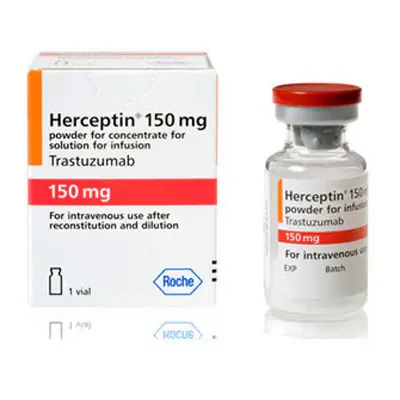


Buy Brain Tumor Medications Online at theskymeds
Trusted Source for Brain Tumor Supportive Medications
Managing a brain tumor often requires a combination of medical treatments and supportive medications. At theskymeds, patients can explore a wide range of healthcare products that may assist with symptom management, treatment support, and overall patient care under the guidance of qualified healthcare professionals.
Bevatas 100mg Injection ~ Focus Factor Brain Support Tablets ~ Brevipil Tablet (Brivaracetam) ~ Sutinat 50 Mg (Sunitinib) ~ Adcapone Tablet (Entacapone) ~ Mounjaro Injection (Tirzepatide) ~ Citicoheal 500 Mg (Citicoline) ~ Amantrel Tablet (Amantadine) ~ Cognitol 5 Mg Tablet ~ Nootropil 800 Mg Tablet ~ D-Veniz Tablet Er (Desvenlafaxine) ~ Nootropil 1200 Mg Tablet ~ Nootropil 400 Mg Tablet ~ Cabergoline Tablet (Cabanex)
Medical disclaimer
The content on this page is for informational purposes only. Prescription medicines should be used only under the guidance of a qualified medical professional. Skymeds does not encourage self-medication, self-diagnosis, or the unsupervised use of any medicine.