USA Toll free number:
+1 (719) 601 9825
Free shipping all order above $199 - Shop smart, Save more!!!
Track order

Discover
Skin Allergy
Discover care options for skin allergies that cause itching, redness, swelling, hives or recurring irritation.


Buy Genuine & Affordable
Skin Allergy
Compare available options, strengths, pack sizes, and prices before viewing full product details.
Filter by
category
Price
$15 - $125



Skin Allergy Overview
What Is a Skin Allergy?
A skin allergy is a condition where the immune system reacts strongly to certain substances that come in contact with the skin. These reactions may cause redness, itching, swelling, rashes, or irritation. Skin allergies can affect people of all ages and may occur due to environmental triggers, skincare products, medicines, or allergens. Understanding the causes and symptoms can help in managing skin reactions effectively. At theskymeds, you can explore helpful information and suitable skin allergy medication options to support better skin health.
How Skin Allergies Affect Your Skin Health
Skin allergies can damage the skin barrier and cause discomfort if not properly managed. Continuous scratching may lead to dryness, wounds, or infections. Common allergic skin conditions include eczema, contact dermatitis, hives, and allergic rashes. Maintaining a proper skincare routine and avoiding triggers can help reduce flare-ups.
Skin Allergy Symptoms and Warning Signs
Common Symptoms of Skin Allergy
Skin allergy symptoms may appear suddenly or develop slowly depending on the cause. Common signs include:
Red or inflamed skin
Persistent itching
Skin rashes or bumps
Dry and cracked skin
Swelling or irritation
Burning sensation
Blisters or skin peeling
The severity of symptoms can vary from mild irritation to severe allergic reactions. Identifying symptoms early helps in choosing the right care approach.
When to Seek Medical Attention
Some skin allergy reactions may require professional guidance, especially when symptoms become severe. Seek medical advice if you experience widespread rashes, facial swelling, breathing difficulty, skin infections, or symptoms that do not improve. Proper diagnosis helps prevent recurring allergic reactions.
Common Skin Allergy Causes and Risk Factors
What Causes Skin Allergies?
Skin allergies happen when the immune system identifies a harmless substance as harmful and triggers an allergic response. Common causes include:
Certain soaps and cosmetics
Fragrances and chemicals
Dust and pollen
Certain fabrics
Metals like nickel
Pet dander
Medicines
Insect bites
Avoiding known triggers is one of the most effective ways to manage allergic skin problems.
Skin Allergy Risk Factors
Several factors may increase the chance of developing skin allergies, including sensitive skin, family history of allergies, frequent exposure to irritants, stress, and weakened skin protection. Using gentle skincare products and maintaining healthy habits can support long-term skin wellness.
Types of Skin Allergies
Contact Dermatitis
Contact dermatitis occurs when the skin reacts after touching an irritating or allergic substance. It may cause redness, itching, dryness, and inflammation. Common triggers include detergents, perfumes, cosmetics, and metals.
Eczema (Atopic Dermatitis)
Eczema is a long-term skin condition that causes dry, itchy, and inflamed skin. It often appears in children but can affect adults too. Managing triggers and following proper skincare routines may help control symptoms.
Hives (Urticaria)
Hives are raised, itchy welts that appear on the skin due to an allergic reaction. They may occur after certain foods, medicines, infections, or environmental triggers.
Other Allergic Skin Conditions
Other skin allergy-related problems include swelling reactions, allergic rashes, and reactions caused by insect bites or medications. Treatment depends on the type and severity of the condition.
Skin Allergy Diagnosis and Testing Methods
How Skin Allergies Are Diagnosed
Doctors usually diagnose skin allergies by reviewing symptoms, medical history, and possible triggers. A physical skin examination helps identify the type of allergic reaction and the best treatment approach.
Common Skin Allergy Tests
Different allergy tests may be used to find specific triggers, such as:
Patch testing
Skin prick testing
Blood allergy tests
These tests help identify substances causing allergic reactions and guide suitable management options. At theskymeds, users can find educational resources about skin health and allergy care.
Skin Allergy Treatment and Relief Options
Medicines for Skin Allergy Relief
Treatment for skin allergies depends on the cause and severity. Common options may include antihistamines, soothing creams, moisturizers, and other dermatologist-recommended treatments. These approaches help reduce itching, inflammation, and discomfort.
Home Care Tips for Managing Skin Allergies
Simple skincare habits may help reduce allergic reactions:
Keep skin moisturized
Avoid known allergens
Use gentle skincare products
Take lukewarm baths
Avoid excessive scratching
Protect skin from harsh environments
Along with healthy habits, theskymeds provides information about various healthcare products that may support skin allergy management.
Skin Allergy Prevention and Healthy Skin Care Tips
Daily Habits for Healthy Skin
Preventing skin allergies starts with protecting your skin barrier. Use mild cleansers, apply moisturizer regularly, stay hydrated, and avoid products that irritate your skin.
How to Reduce Skin Allergy Triggers
Reducing exposure to allergens can help prevent future reactions. Wash clothes regularly, keep your environment clean, avoid harsh chemicals, and choose skin-friendly products. Consistent care can improve overall skin comfort and appearance.
Top selling TREATMENTS
✪ High-demand medicines with proven results


FAQ CENTER
FREQUENTLY ASKED QUESTIONS ABOUT
Skin Allergy
Find quick answers about medicines, ordering, shipping, and treatment categories.
1. What are the common symptoms of a skin allergy?
Skin allergies may cause itching, redness, swelling, hives, dryness, or an inflamed rash. Different conditions can look similar. The Skin Allergy medicines collection covers common treatment options, but persistent or unexplained rashes should be properly diagnosed.
2. What is allergic contact dermatitis?
Allergic contact dermatitis occurs when the immune system reacts to something touching the skin, such as nickel, fragrance, cosmetics, or latex. The Skin Allergy care collection includes symptom-relief options; identifying and avoiding the responsible trigger is an important part of treatment.
3. Are hives always caused by an allergy?
No. Hives can occur from foods or medicines, but infections, temperature, pressure, and other triggers can also cause them. ALLEGRA (Fexofenadine) is an antihistamine listed on TheSkymeds; recurrent or unexplained hives may need medical evaluation.
4. Can antihistamines help an itchy allergic rash?
Yes, antihistamines can help itching and hives caused by histamine-mediated reactions, although they do not treat every type of rash. CETCIP L (Levocetirizine) is listed on TheSkymeds; the underlying cause still matters when choosing treatment.
5. How can I tell eczema from a skin allergy?
Eczema is a chronic inflammatory skin condition, while allergic contact dermatitis is triggered by direct exposure to a specific allergen. The Skin Allergy medicines collection covers both allergy-related skin symptoms and treatment options; diagnosis may require examination or patch testing.
6. What is patch testing used for?
Patch testing helps identify substances causing allergic contact dermatitis. Small amounts of suspected allergens are applied to the skin and checked for delayed reactions. The Skin Allergy care collection provides related treatment information, but testing should be interpreted by an allergy or dermatology professional.
7. When is a skin allergic reaction an emergency?
Seek emergency care if a skin reaction occurs with throat or tongue swelling, breathing difficulty, wheezing, faintness, or rapidly worsening symptoms. The Skin Allergy medicines collection covers routine allergy care, but possible anaphylaxis requires immediate emergency treatment.
8. How can repeated skin-allergy flare-ups be reduced?
Avoid confirmed triggers, use gentle fragrance-free skin products, moisturize regularly, and follow prescribed treatment. ALLEGRA (Fexofenadine) is one antihistamine option listed on TheSkymeds; recurring reactions may need allergy testing to identify the trigger.
Popular Medicine 🌟








Buy Skin Allergy Medications Online at theskymeds
Find Skin Allergy Care Products at theskymeds
Managing skin allergies becomes easier with access to reliable healthcare solutions. theskymeds offers a convenient online platform where customers can explore skin allergy medications and healthcare products. The website provides easy access to products that support skin wellness and allergy relief needs.
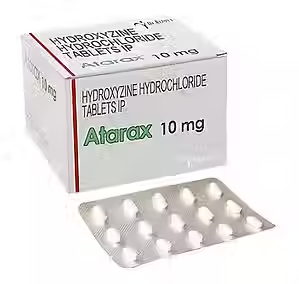
Betamil Cream (Beclomethasone Dipropionate) ~ Elocon Cream (Mometasone Furoate) ~ Himalaya Purim Tablets ~ Montair Lc Kid (Montelukast / Levocetirizine) ~ Halovate Cream (Halobetasol) ~ Caress Hair Nail & Skin Gummy Cranberry ~ Atarax 10mg (Hydroxyzine) ~ Atarax 25mg (Hydroxyzine) ~ Atarax (Hydroxyzine)Doxycycline 100 Mg ~ Elocon Lotion (Mometasone Furoate) ~ Varenya Cream (Ichthyol Pale) ~ Desowen Cream (Desonide) ~ Epiduo Gel (Adapalene/Benzoyl Peroxide) ~ Permite Cream(Permethrin) ~ Pacroma Cream (Pimecrolimus) ~ Minocyclone 100 Mg (Minocycline) ~ Aziderm 10% Gel ~ Acnesol Gel 1% ~ Allegra (Fexofenadine) ~ Tenovate Cream (Clobetasol Propionate) ~ Topgraf Ointment (Tacrolimus) ~ Tacroz Forte Ointment (Tacrolimus) ~ Methylprednisolone 4mg (Predmet 4)
Medical disclaimer
At theskymeds, we care about your well-being. Everything you read here is meant for educational purposes to guide your health journey—not as direct medical advice. Because prescription medicines need proper care, please avoid self-treatment and consult a qualified physician before starting any medication. When it comes to your health, your doctor always knows best.