USA Toll free number:
+1 (719) 601 9825
Free shipping all order above $199 - Shop smart, Save more!!!
Track order

Discover
Skin Hydration
Discover moisturizing products that restore hydration, strengthen the skin barrier and relieve dryness or tightness.


Buy Genuine & Affordable
Skin Hydration
Compare available options, strengths, pack sizes, and prices before viewing full product details.
Filter by
category
Price
$35 - $140




Importance of Skin Hydration
Why Skin Needs Proper Hydration
Skin hydration is essential because your skin acts as a protective barrier against environmental stress, pollution, and irritants. When your skin lacks moisture, it can become rough, dull, itchy, and more sensitive. Proper hydration helps maintain skin elasticity and supports a healthy appearance.
Water and moisturizing ingredients work together to keep skin balanced. Hydrated skin can better protect itself and maintain a smoother texture. Following a consistent hydration routine with suitable skincare products can improve your overall skin health.
At theskymeds, we share skincare guidance and wellness tips that help you understand the importance of maintaining moisture levels for healthier-looking skin.
Role of Hydration in Skin Health
Hydration plays a major role in keeping the skin barrier strong. A healthy skin barrier prevents excessive moisture loss and helps defend against external damage. Proper hydration also supports a brighter complexion and reduces the appearance of dryness.
Using moisturizing products regularly and following healthy lifestyle habits can help your skin stay comfortable and refreshed throughout the day.
Benefits of Hydrated Skin
Maintains Soft and Smooth Skin
One of the biggest benefits of hydrated skin is improved softness and smoothness. When skin cells have enough moisture, the skin surface feels more comfortable and looks naturally healthy.
Hydrated skin often appears more refreshed because moisture helps improve skin texture and supports a youthful glow.
Supports Healthy Skin Barrier
A properly hydrated skin barrier helps reduce water loss and protects the skin from dryness caused by weather changes, harsh products, and environmental factors.
A strong barrier allows your skin to function properly and stay balanced.
Helps Improve Skin Appearance
Good hydration can make skin look brighter and more even. Moisturized skin reflects light better, giving a natural healthy glow.
For better skincare results, theskymeds recommends understanding your skin type and choosing hydration methods that match your individual needs.
Signs of Dry & Dehydrated Skin
Common Symptoms of Dry Skin
Dry skin usually occurs when the skin lacks natural oils and moisture. Common signs include:
Rough or flaky texture
Tight feeling after washing
Visible dryness
Itching or irritation
Cracked skin areas
Dry skin may need nourishing ingredients that help restore moisture and comfort.
Signs Your Skin Is Dehydrated
Dehydrated skin lacks water and can happen to any skin type, including oily skin. Common signs include:
Dull appearance
Fine lines becoming more noticeable
Lack of skin bounce
Increased sensitivity
Uneven texture
Following proper hydration habits can help improve dehydrated skin and restore a healthier appearance.
Best Ingredients for Skin Hydration
Hyaluronic Acid for Deep Moisture
Hyaluronic acid is one of the most popular hydration ingredients because it helps attract and retain moisture in the skin. It can help improve skin softness and reduce the feeling of dryness.
Many skincare routines include hyaluronic acid-based products for long-lasting hydration.
Glycerin for Moisture Balance
Glycerin is a humectant that helps draw moisture into the skin. It supports a smoother texture and helps prevent dryness.
It is commonly used in moisturizers, cleansers, and skincare treatments.
Ceramides for Skin Protection
Ceramides are important for supporting the skin barrier. They help lock in moisture and protect against moisture loss.
A skincare routine containing barrier-supporting ingredients can help maintain healthy-looking skin.
Daily Skin Hydration Routine
Morning Hydration Steps
A simple morning hydration routine may include:
Gentle face cleansing
Hydrating serum application
Moisturizer use
Starting the day with proper hydration helps prepare your skin for daily environmental exposure.
Night Skin Hydration Routine
Nighttime is an important period for skin recovery. A good routine can include:
Removing makeup and impurities
Applying hydrating products
Using a nourishing moisturizer
Consistent nighttime hydration helps maintain soft and balanced skin.
Lifestyle Tips for Better Hydration
Skin hydration is not only about skincare products. Drinking enough water, eating nutrient-rich foods, avoiding excessive heat exposure, and maintaining healthy habits can support overall skin wellness.
theskymeds focuses on sharing practical health and skincare information to help people build better daily routines.
Natural Ways to Hydrate Skin
Drink Enough Water Daily
Water intake supports overall body health and can contribute to maintaining healthy skin. Staying hydrated helps your body function properly and supports skin wellness.
Eat Hydrating Foods
Foods rich in water content and nutrients can support skin health. Examples include:
Cucumbers
Watermelon
Oranges
Leafy vegetables
Berries
A balanced diet can complement your skincare routine.
Avoid Habits That Cause Dryness
Some habits can reduce skin moisture, including:
Using harsh cleansers
Taking very hot showers
Over-exfoliating
Skipping moisturizer
Protecting your skin barrier helps maintain hydration naturally.
Hydration Products for Skin Care
Moisturizers for Daily Skin Hydration
Moisturizers are essential skincare products that help maintain moisture levels. Different formulas work for different skin types:
Lightweight gels for oily skin
Cream moisturizers for dry skin
Barrier creams for sensitive skin
Choosing the right product helps improve comfort and skin appearance.
Hydrating Serums and Treatments
Hydrating serums contain concentrated ingredients designed to support moisture balance. Ingredients like hyaluronic acid and glycerin are commonly found in hydration-focused skincare products.
Using these products regularly can help improve skin texture.
Choosing the Right Hydration Products
The best hydration products depend on your skin type, concerns, and daily routine. Understanding your skin needs helps you select effective skincare solutions.
At theskymeds, we provide skincare information to help you make informed choices for maintaining healthy-looking skin.
Top selling TREATMENTS
✪ High-demand medicines with proven results


FAQ CENTER
FREQUENTLY ASKED QUESTIONS ABOUT
Skin Hydration
Find quick answers about medicines, ordering, shipping, and treatment categories.
1. Are all brain tumors cancerous?
No. Brain tumors can be benign or malignant, but even noncancerous tumors can cause serious problems by pressing on important brain structures. The Brain Tumor medicines collection explains different tumor types and treatment approaches; diagnosis requires imaging and specialist assessment.
1. Are herbal supplements automatically safe because they are natural?
Natural does not automatically mean safe. Herbal supplements can cause side effects, vary in quality, and interact with medicines. Review ingredients carefully and use the Herbal products collection as a product reference; discuss regular supplement use with a clinician if you take medicines or have chronic conditions.
1. Can fatigue and dizziness mean I have anemia?
Fatigue can occur with anemia, but symptoms alone cannot confirm it. A complete blood count and, when appropriate, iron studies help identify the cause. Ferozone XT + Tablet is listed on TheSkymeds, but iron-containing products should be used when deficiency or another indication is properly assessed.
1. Can hepatitis C be completely cured?
Yes, modern direct-acting antiviral treatment can cure most people with hepatitis C. Many current regimens achieve cure rates above 95% when used appropriately. The Hepatitis C treatment medicines guide explains available antiviral approaches; treatment should be selected after proper testing and clinical evaluation.
1. Can high blood pressure damage my heart even if I feel fine?
Yes, high blood pressure can damage blood vessels and increase heart-attack, stroke, kidney, and heart-failure risk without obvious symptoms. The cardiac medicines collection includes blood-pressure treatments; regular readings matter because hypertension often causes no warning signs.
1. Can kidney or liver disease develop without obvious symptoms?
Yes, early kidney or liver disease may cause few or no obvious symptoms. Blood and urine testing can reveal problems before symptoms become severe. The kidney disease testing guide explains key kidney checks; persistent fatigue, swelling, jaundice, or urinary changes deserve medical assessment.
1. Can medication really help reduce alcohol cravings?
Yes, certain medicines can help reduce alcohol cravings or support abstinence. Naltrexone, acamprosate, and disulfiram work differently and are not suitable for everyone. Naltima (Naltrexone) Tablet is one listed option; alcohol-use disorder treatment works best when medication is chosen with professional support.
1. Do I need a multivitamin every day?
Not everyone needs a daily multivitamin. Supplements may help when diet does not provide enough nutrients or when specific needs are increased. The Daily Care wellness collection includes nutritional products; choose supplements according to diet, age, health conditions, and identified deficiencies.
1. Do antiviral medicines work against every type of virus?
Antiviral medicines treat specific viral infections, not all viruses. The right drug depends on the virus and patient factors. The antiviral drugs guide explains how these medicines differ; antibiotics should not be substituted for viral illnesses unless a bacterial infection is also diagnosed.
1. Does everyone need to take a daily multivitamin?
Not everyone needs a multivitamin. A varied diet should provide most nutrients, while supplements may help people with poor intake, restricted diets, or specific deficiencies. The Nutrition Care collection includes vitamin and mineral products; choose supplements according to actual nutritional needs.
1. Does everyone need to take a daily multivitamin?
No, not everyone needs a daily multivitamin. A balanced diet can provide most nutrients, while supplements may help when intake is inadequate or needs are increased. The Vitamins and Minerals collection offers different formulations; choose supplements according to actual nutritional needs.
1. How can I tell a migraine from an ordinary headache?
Migraine often includes moderate-to-severe headache with nausea, light or sound sensitivity, and sometimes aura. Not every attack looks the same. The Anti Migraine medicines collection covers acute and preventive options; new, unusual, or rapidly changing headaches should be medically evaluated.
1. How can I tell allergies from a cold or the flu?
Allergies usually cause itching, sneezing, and watery eyes without fever. Colds and flu more often cause fever, aches, or infection-type symptoms. The cold weather allergies vs cold and flu guide explains the differences; seek medical advice if symptoms are severe, unusual, or persistent.
1. How can I tell if an infection is bacterial or viral?
Symptoms alone often cannot reliably distinguish bacterial from viral infections. Examination, testing, symptom duration, and infection site may help. The antibiotics versus viral infections guide explains the difference; antibiotics should not be started simply because mucus, fever, or coughing is present.
1. How can I tell osteoarthritis from rheumatoid arthritis?
Osteoarthritis and rheumatoid arthritis have different causes and treatment approaches. Osteoarthritis involves joint degeneration, while rheumatoid arthritis is an inflammatory autoimmune disease. The Arthritis medicines and joint care page covers both types; persistent swelling, stiffness, or joint pain should be properly diagnosed before treatment.
Popular Medicine 🌟








Buy Skin Hydration Products Online at theskymeds
Find the Right Hydration Care for Your Skin
Maintaining healthy and moisturized skin requires the right skincare products. At theskymeds, you can explore skin hydration solutions designed to support soft, smooth, and healthy-looking skin. Choose suitable moisturizers, hydrating formulas, and skincare essentials based on your skin type and daily needs.
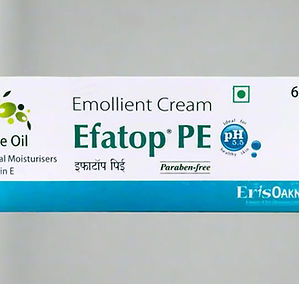
Salicylix Sf Cream (Salicylic Acid) ~ Regen-D Gel (Epidermal Growth Factor) ~ Rivela Gel (Vitamin E) ~ Caress Hair Nail & Skin Gummy Cranberry ~ Varenya Cream (Ichthyol Pale) ~ Melanorm-Hc ~ Cream (Hydroquinone & Tretinoin And Hydrocortisone) ~ Ega Cream (Retinol/Vitamin K) ~ Melacare Cream (Hydroquinone & Tretinoin And Mometasone) ~ Skinshine Cream (Hydroquinone & Tretinoin And Mometasone) ~ Pacroma Cream (Pimecrolimus) ~ Efaderm Cream ~ Efatop Pe Cream (Vitamin E/Olive Oil) ~ Placentrex Gel (Human Placental Extract & Nitrogen) ~ Papulex Cleansing Gel (Herbal) ~ Emoderm Cream (White Soft Paraffin) ~ Pasitrex Ointment (Calcipotriol) ~ Gnc Women’s Multivitamin 50 Plus ~ Eukroma Cream (Hydroquinone) ~ Aquasoft Cream (Glycerin) ~ Tenovate Cream (Clobetasol Propionate) ~ Tretoin Cream (Tretinoin) ~ Onabet Cream (Sertaconazole)
Medical disclaimer
At theskymeds, we care about your well-being. Everything you read here is meant for educational purposes to guide your health journey—not as direct medical advice. Because prescription medicines need proper care, please avoid self-treatment and consult a qualified physician before starting any medication. When it comes to your health, your doctor always knows best.