USA Toll free number:
+1 (719) 601 9825
Free shipping all order above $199 - Shop smart, Save more!!!
Track order

Discover
Diabetic care
All you need for trusted Diabetic treatment, reliable medicines, and complete patient care support


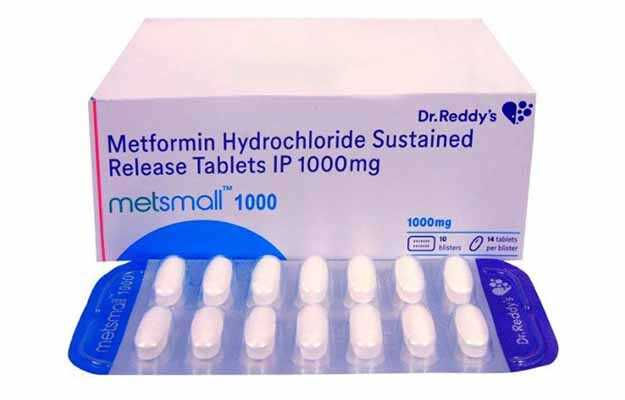
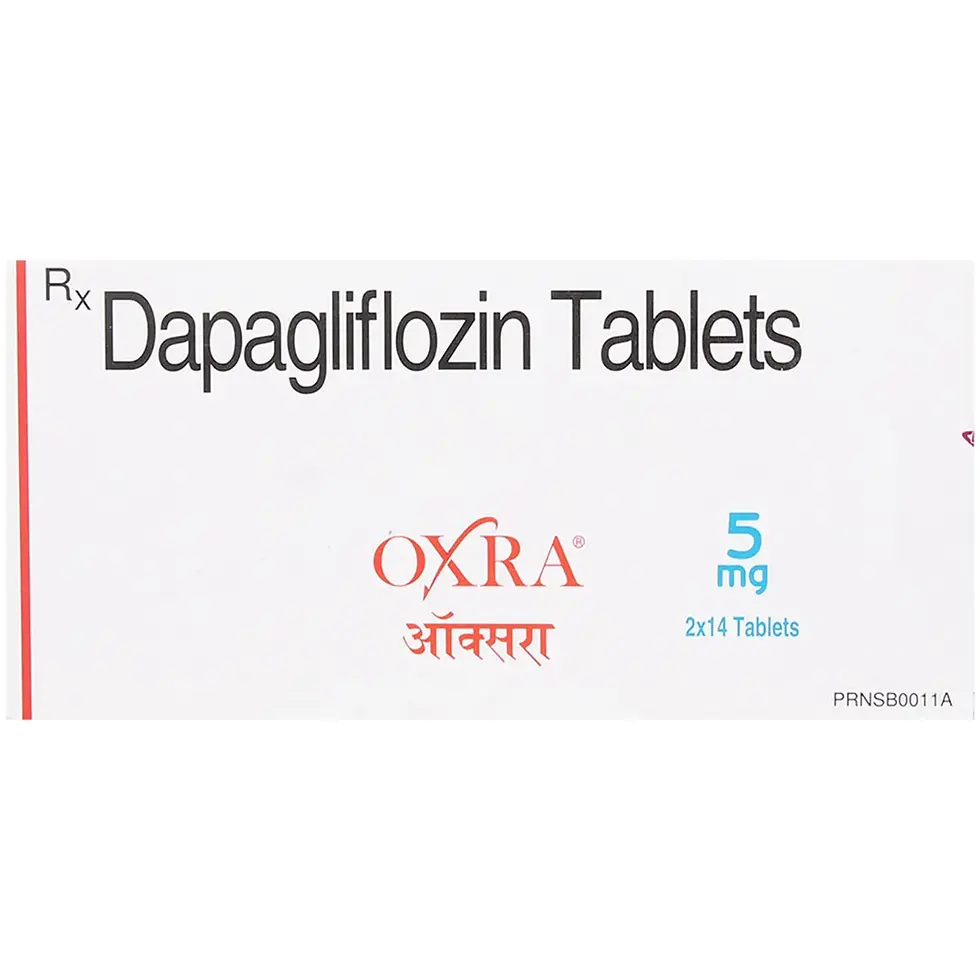

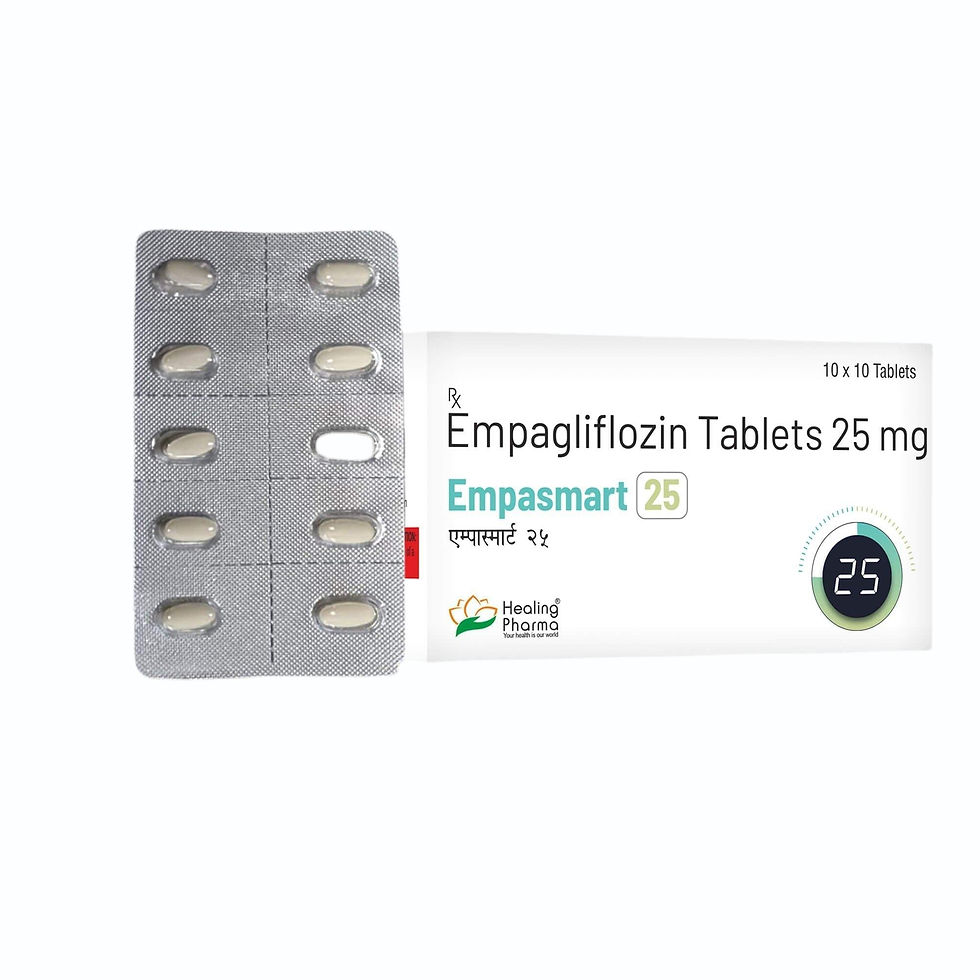


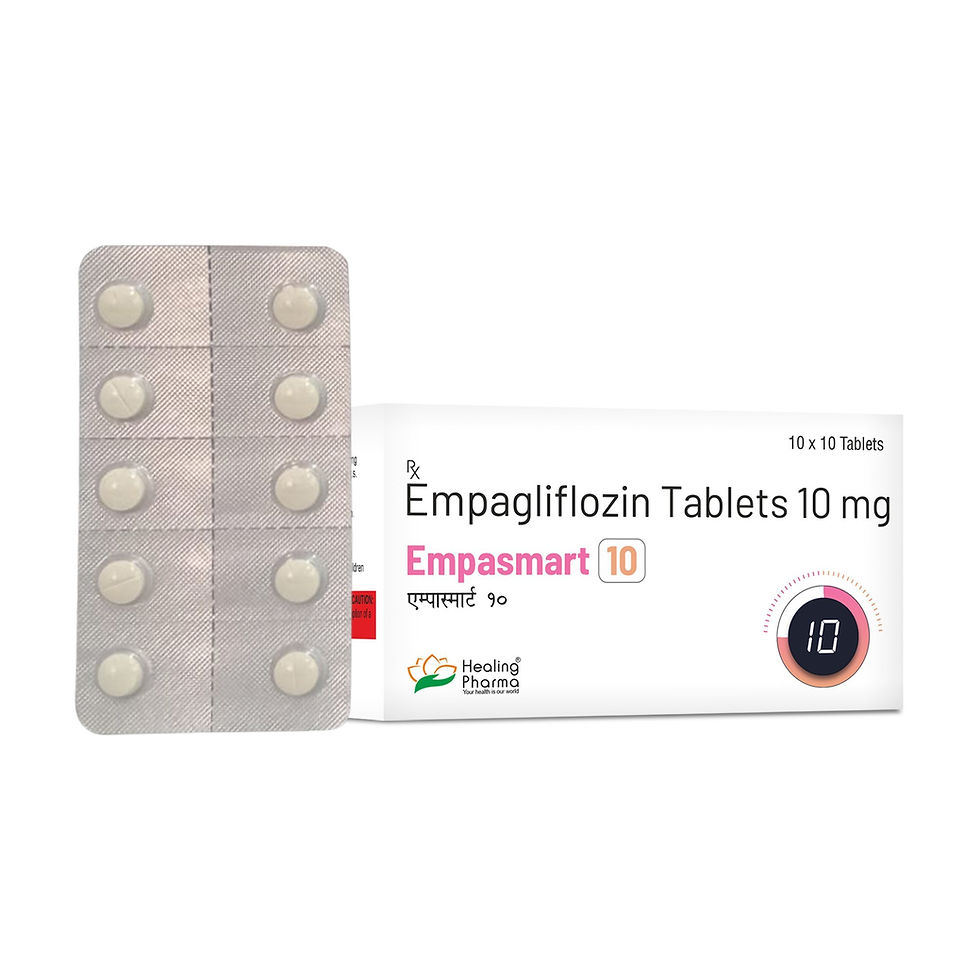


Diabetic Care: Medicines and Blood Sugar Management
Diabetic care combines appropriate medicines, blood sugar monitoring, everyday habits and regular health checks. The aim is to keep glucose within an individual target range while reducing the risk of complications affecting the heart, kidneys, eyes and nerves.
Treatment depends on the type of diabetes and the person’s overall health. Tablets, insulin and other injectable medicines have different roles, so the right plan should be developed with a qualified healthcare professional.
Understanding the Different Types of Diabetes
Diabetes develops when the body does not produce enough insulin or cannot use it effectively. Insulin is a hormone that helps regulate blood glucose.
The main types include:
-
Type 1 diabetes: The body produces little or no insulin, making ongoing insulin treatment essential.
-
Type 2 diabetes: The body does not use insulin effectively and may eventually produce too little. Treatment can include lifestyle changes, tablets and injectable medicines.
-
Gestational diabetes: High blood sugar develops during pregnancy and requires monitoring and a treatment plan appropriate for pregnancy.
The World Health Organization’s diabetes overview explains these differences and why early diagnosis matters.
Main Types of Diabetes Medicines
Oral Medicines for Type 2 Diabetes
Diabetes tablets lower blood sugar through different mechanisms. Metformin helps reduce glucose production by the liver and improves the body’s response to insulin. SGLT2 inhibitors help the kidneys remove excess glucose through urine.
Other tablet classes may also be prescribed, and some people need a combination of medicines. The choice depends on glucose levels, other health conditions and how well treatment is tolerated.
The NHS guidance on type 2 diabetes treatment describes commonly used options. A higher tablet strength does not automatically make a medicine more suitable.
Insulin Treatment
Insulin is essential for people with type 1 diabetes and is also prescribed for some people with type 2 diabetes. Different insulins vary in how quickly they begin working and how long their effects last.
The prescribed insulin, delivery device and schedule must match the individual treatment plan. Switching insulin types or changing doses requires guidance from the diabetes care team.
Other Injectable Medicines
Some injectable medicines, including GLP-1 receptor agonists, help manage blood glucose in selected people with type 2 diabetes. They may also affect appetite and body weight.
These medicines work differently from insulin and must not replace essential insulin treatment. The NIDDK guide to insulin and other diabetes medicines explains their roles and the factors that influence prescribing.
Building a Treatment Plan That Fits Your Health
A healthcare professional considers more than a single blood sugar result when selecting treatment. Relevant factors include kidney function, heart health, the risk of low blood sugar, other medicines, treatment costs and the daily routine.
Before starting a medicine, understand when to take it, whether it should be taken with food, possible side effects and what to do after a missed dose.
Ask for specific instructions for illness, fasting or changes in food intake. Some medicines may need temporary adjustment during illness. Follow the agreed plan and contact your care team if vomiting, diarrhoea or fever develops.
Monitoring Blood Sugar and HbA1c
Blood glucose checks show what is happening at a particular time. HbA1c reflects average blood glucose over approximately three months. Both can help the care team assess whether treatment needs adjustment.
Some people use a finger-prick meter, while others use a continuous glucose monitor. The device, checking schedule and target range should match the treatment plan.
Keep a record of readings and repeated highs or lows. The NIDDK guidance on managing diabetes explains monitoring and individual treatment goals.
Everyday Habits and Regular Health Checks
A practical eating plan, suitable physical activity, adequate sleep and avoiding tobacco can support diabetes management. Discuss major changes in diet or exercise with the care team, particularly when using medicines that can cause low blood sugar.
Ongoing care also includes heart and blood pressure management, cholesterol checks and kidney monitoring.
Regular eye care is another part of looking after long-term health. Arrange diabetes eye screening through a healthcare professional; routine eye drops do not replace screening. Foot examinations and prompt attention to wounds are also important.
Recognising Blood Sugar Problems
Low Blood Sugar
Insulin and certain diabetes medicines can cause hypoglycaemia, or low blood sugar. Symptoms may include shaking, sweating, hunger, dizziness or confusion.
Follow your prescribed treatment plan promptly. For adults who are awake and able to swallow, a common approach is 15 grams of fast-acting carbohydrate followed by another glucose check after 15 minutes, repeating if it remains low.
If someone is unconscious or cannot swallow safely, call emergency services and do not give food or drink. Use prescribed glucagon if available and you know how. See the CDC guidance on treating low blood sugar.
Symptoms That Need Emergency Care
Vomiting, stomach pain, deep or rapid breathing, fruity-smelling breath or marked drowsiness can indicate diabetic ketoacidosis. This can occur in type 1 diabetes and sometimes in type 2 diabetes.
Seek emergency medical care if these symptoms develop. The CDC information on diabetic ketoacidosis explains the warning signs and why prompt treatment is necessary.
Medical Disclaimer
This content provides general education and does not replace individual medical advice. Follow your diabetes care team’s instructions before changing treatment. Please read our medical information disclaimer.
Top selling TREATMENTS
✪ High-demand medicines with proven results


Frequently asked questions
Popular Medicine 🌟













Buy Diabetes Care Online
Easy and Safe Way to Order Diabetes Medicines
Victoza 6 Mg/Ml (Liraglutide) ~ Rybelsus (Semaglutide) ~ Metfor 500mg Tablet ~ Glycomet 500 Sr (Metformin) ~ Gemer Tablet Pr (Glimepiride/Metformin) ~ Amaryl M 2mg (Metformin /Glimepiride) ~ Dapagliflozin 10 Mg (Dapasmart) ~ Oxra 5 Mg (Dapagliflozin) ~ Glycomet Gp (Metformin/Glimepiride) ~ Metformin Tablet ~ Aldonil Tablet (Epalrestat) ~ Glucobay (Acarbose) ~ Glypride (Glimepiride) ~ Metsmall 1000 Sr (Metformin) ~ Minirin (Desmopressin) ~ Glynase Xl (Glipizide) ~ Glizid (Gliclazide) ~ Amaryl (Glimepiride)
Medical disclaimer
The content on this page is for informational purposes only. Prescription medicines should be used only under the guidance of a qualified medical professional. Skymeds does not encourage self-medication, self-diagnosis, or the unsupervised use of any medicine.