
Duova Inhaler Side Effects: What to Watch For

Written by Dr. Zack Ferris in TheSkyMeds Editorial Standards
Medically reviewed by Jonathan Reed, Medical Content Reviewer Nov 4 2026
Duova Inhaler Side Effects are important to understand if you use this medicine to manage chronic obstructive pulmonary disease (COPD). Duova contains tiotropium and formoterol, two long-acting medicines that help keep your airways open. Although it improves breathing, some people experience dry mouth, headache, dizziness, or trembling. More serious reactions involving the heartbeat, eyes, or bladder are also possible. Knowing which symptoms need attention can help you use your medicine safely. This guide explains common side effects, serious warning signs, and practical ways to manage them.

What Are the Common Duova Inhaler Side Effects?
Duova can cause mild side effects because its ingredients affect muscles and nerve signals in the body. Not everyone experiences these reactions, and their severity varies.
Dry Mouth
Dry mouth is a recognized side effect of tiotropium. It happens because the medicine can reduce saliva production, leaving your mouth feeling sticky or uncomfortable.
The NHS guidance on tiotropium side effects recommends sugar-free gum or sweets to help relieve dryness.
Headache and Dizziness
Some people experience headaches or lightheadedness while using Duova. These symptoms may be related to the medication or another health condition.
Avoid driving if you feel dizzy. Contact your doctor if symptoms persist or become severe.
Trembling and Nervousness
Formoterol can sometimes cause mild shaking, particularly in the hands. Some people may also feel restless or nervous.
These effects are not always serious, but worsening trembling or shaking accompanied by heartbeat changes requires medical attention.
Nausea and Digestive Problems
Duova's ingredients may cause nausea, stomach discomfort, constipation, or diarrhea.
Persistent digestive symptoms should be discussed with a healthcare professional, especially if they interfere with eating or drinking.
What Serious Duova Side Effects Should You Watch For?
Serious side effects are less common but require prompt attention. The most important warning signs involve abnormal heartbeats, eye problems, difficulty urinating, and unexpected breathing difficulties.
Heart Palpitations
Formoterol may cause a faster or irregular heartbeat. You might notice pounding or fluttering in your chest.
The MedlinePlus formoterol safety information identifies chest pain, fainting, and abnormal heartbeat as serious symptoms requiring immediate medical attention.
Eye Problems
Tiotropium may worsen narrow-angle glaucoma in susceptible people.
Sudden eye pain, blurred vision, redness, or coloured rings around lights require urgent medical assessment.
Difficulty Urinating
Tiotropium may occasionally make it difficult to empty your bladder, particularly if you have an enlarged prostate.
Seek prompt medical advice if urination becomes difficult. Being completely unable to urinate, especially with abdominal pain, requires urgent care.
Sudden Breathing Problems
Rarely, breathing may worsen immediately after using an inhaled medicine. This is called paradoxical bronchospasm.
If severe wheezing or breathlessness develops immediately after Duova, follow your prescribed rescue plan and seek urgent medical help.
Duova Inhaler side effects and when to seek medical attention.
Side Effect | What You May Notice | Action |
Dry mouth | Sticky or dry mouth | Manage dryness; seek advice if persistent |
Headache | Head discomfort | Consult a doctor if persistent |
Dizziness | Lightheadedness | Avoid driving |
Tremor | Shaky hands | Report worsening symptoms |
Heart problems | Rapid or irregular heartbeat | Seek prompt medical attention |
Eye problems | Pain or sudden blurred vision | Seek urgent care |
Urinary problems | Difficulty passing urine | Seek medical assessment |
Breathing problems | Sudden severe wheezing | Seek emergency help |
Who Should Be More Careful While Using Duova?
Certain medical conditions may increase the importance of Duova-related side effects.
People with the following conditions should discuss their medical history with their prescriber:
Heart disease: Formoterol may affect heart rate or rhythm.
Kidney disease: Reduced kidney function can increase tiotropium exposure.
Glaucoma: Tiotropium may worsen certain eye problems.
Enlarged prostate: Urinary difficulties may become more troublesome.
Diabetes: Formoterol may affect blood sugar levels.
The MedlinePlus guidance on tiotropium precautions highlights kidney disease, glaucoma, prostate problems, and urinary difficulties as important considerations.
Tell your healthcare professional about other medicines you take, including additional inhalers.
How Can You Manage Duova Inhaler Side Effects?
Some mild side effects can be managed with simple habits. Correct inhaler technique and following your prescription are also important.
Practical Ways to Reduce Discomfort
For dry mouth: Sip water regularly and consider sugar-free gum.
For dizziness: Sit down until you feel steady and avoid driving.
For throat irritation: Ask your pharmacist to check your inhaler technique.
For trembling: Monitor symptoms and report persistent shaking.
For ongoing problems: Arrange a medication review rather than changing your dose independently.
Dos and don'ts for safer Duova inhaler use.
Do | Don't |
Follow your prescribed schedule | Take extra doses |
Check your inhaler technique | Assume all devices work alike |
Report persistent symptoms | Ignore worsening reactions |
Keep your rescue inhaler accessible | Use Duova for sudden attacks |
Attend treatment reviews | Stop treatment without medical advice |
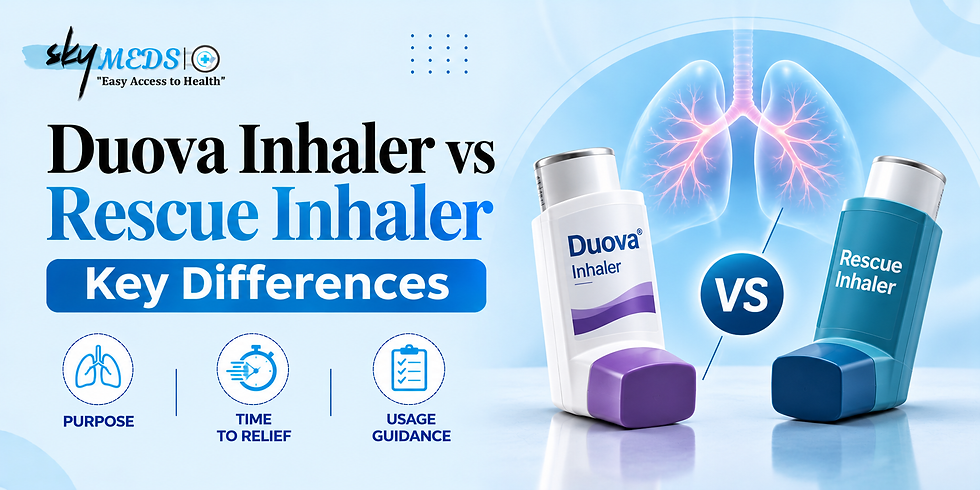
Duova is a maintenance inhaler, not an emergency rescue inhaler. Mild side effects may be manageable, but sudden breathing difficulties, severe heartbeat changes, or serious eye symptoms require medical attention. Do not increase your dose to overcome worsening COPD symptoms.
When Should You Seek Medical Attention?
Contact your doctor if you experience persistent dizziness, troublesome trembling, repeated palpitations, or difficulty passing urine.
Seek emergency care if you develop severe chest pain, fainting, sudden breathing difficulty, throat swelling, or sudden severe eye pain.
If breathing worsens immediately after using Duova, follow your emergency action plan and seek urgent assessment. Do not take another Duova dose until a clinician has reviewed a suspected serious immediate reaction.
Conclusion
Duova Inhaler Side Effects can include dry mouth, headache, dizziness, trembling, and digestive discomfort. Most people will not experience every reaction, but serious symptoms involving the heart, eyes, bladder, or breathing require prompt medical assessment. Using the inhaler correctly and following your prescribed treatment plan can support safer COPD management.
Do not stop or change Duova without consulting your healthcare professional, except when a serious immediate reaction requires urgent care. If side effects persist or your breathing becomes worse, speak with your doctor or pharmacist about reviewing your treatment and checking your inhaler technique.

Frequently Asked Questions
1. What is the most common side effect of Duova Inhaler?
Dry mouth is a well-recognized side effect of tiotropium, one of Duova's ingredients. Other possible effects include headache, dizziness, and trembling. Consult your doctor if symptoms persist.
2. Can Duova cause a fast heartbeat?
Yes, formoterol may sometimes cause a faster or pounding heartbeat. Seek medical attention if palpitations persist, particularly if accompanied by dizziness, chest pain, or fainting.
3. Does Duova Inhaler cause dry mouth?
Yes, tiotropium can reduce saliva production and cause dry mouth. Drinking water and chewing sugar-free gum may help. Persistent dryness should be discussed with your dentist or pharmacist.
4. Can Duova cause blurred vision?
Yes, tiotropium may cause eye-related symptoms, particularly in people susceptible to narrow-angle glaucoma. Sudden blurred vision, eye pain, or redness requires urgent medical assessment.
5. Should I stop Duova if I experience side effects?
Do not stop Duova because of mild symptoms without consulting your prescriber. Serious allergic reactions or sudden worsening of breathing require urgent medical care. Your clinician can review suitable treatment adjustments.
6. Is Duova safe for daily use?
Duova is designed for regular COPD maintenance treatment when prescribed appropriately. Follow your recommended schedule and attend periodic medical reviews to assess effectiveness, inhaler technique, and possible side effects.


Comments