USA Toll free number:
+1 (719) 601 9825
Free shipping all order above $199 - Shop smart, Save more!!!
Track order

Discover
Lung Cancer
All you need for trusted Lung Cancer treatment, reliable medicines, and complete patient care support




Lung Cancer Overview
What Is Lung Cancer?
Lung cancer is a type of cancer that begins when abnormal cells grow uncontrollably in the lungs. These cancer cells can affect normal breathing functions and may spread to other parts of the body if not detected early. Lung cancer is one of the most common cancers worldwide and can affect both smokers and non-smokers.
Understanding lung cancer, its warning signs, and available treatment options can help people make informed health decisions. theskymeds provides easy-to-understand health information to help readers learn about lung cancer care, prevention, and medical support options.
Types of Lung Cancer
Lung cancer is mainly divided into two major types:
Non-Small Cell Lung Cancer (NSCLC):
This is the most common type of lung cancer. It includes different subtypes such as adenocarcinoma, squamous cell carcinoma, and large cell carcinoma.
Small Cell Lung Cancer (SCLC):
This type grows faster and may spread quickly compared to NSCLC. Early diagnosis and proper treatment planning are important for better outcomes.
Lung Cancer Symptoms
Common Signs of Lung Cancer
Lung cancer symptoms may appear differently depending on the stage and location of the tumor. Some common symptoms include:
-
Persistent cough that does not go away
-
Coughing up blood
-
Chest pain or discomfort
-
Shortness of breath
-
Wheezing
-
Unexplained weight loss
-
Fatigue and weakness
-
Frequent respiratory infections
-
Hoarseness or voice changes
Recognizing these symptoms early may help with timely medical evaluation. theskymeds shares health awareness information to help people understand possible lung cancer signs and when to seek medical advice.
Early Lung Cancer Symptoms
Early lung cancer may not always cause noticeable symptoms. Some people may experience mild signs such as a long-lasting cough, breathing changes, or repeated chest infections. Regular health checkups can help detect lung problems earlier, especially for people with higher risk factors.
Lung Cancer Causes & Risk Factors
Main Causes of Lung Cancer
Lung cancer develops when changes occur in lung cell DNA, causing cells to grow abnormally. Several lifestyle and environmental factors can increase the risk of developing lung cancer.
The most common causes and risk factors include:
-
Smoking cigarettes or tobacco products
-
Exposure to secondhand smoke
-
Long-term exposure to harmful chemicals
-
Air pollution
-
Family history of lung cancer
-
Previous radiation therapy to the chest area
theskymeds focuses on sharing reliable health education about cancer risk factors and healthy lifestyle choices.
Smoking and Lung Cancer Risk
Smoking is considered the leading risk factor for lung cancer. Tobacco smoke contains harmful chemicals that can damage lung cells over time. Quitting smoking can significantly reduce the risk and improve overall lung health.
Lung Cancer Diagnosis
How Is Lung Cancer Diagnosed?
Doctors use several tests to diagnose lung cancer and determine its type and stage. Early diagnosis plays an important role in selecting the right treatment approach.
Common diagnostic methods include:
-
Chest X-ray
-
CT scan
-
MRI scan
-
PET scan
-
Lung biopsy
-
Blood tests
-
Sputum testing
theskymeds provides educational resources to help patients understand lung cancer testing procedures and the importance of early detection.
Lung Cancer Screening
Lung cancer screening may be recommended for people at higher risk, especially long-term smokers. Low-dose CT scans can help detect lung abnormalities before symptoms become severe.
Lung Cancer Stages
Understanding Lung Cancer Staging
Lung cancer stages describe how much cancer has grown and whether it has spread. Doctors use staging information to create a personalized treatment plan.
The main stages include:
Stage 1:
Cancer is limited to the lung and has not spread.
Stage 2:
Cancer may be larger or may have spread to nearby lymph nodes.
Stage 3:
Cancer has spread to nearby tissues or lymph nodes.
Stage 4:
Cancer has spread to distant organs in the body.
Importance of Knowing the Cancer Stage
Knowing the lung cancer stage helps doctors understand the severity of the disease and choose suitable treatment options. theskymeds helps readers learn about cancer stages and treatment planning in simple language.
Lung Cancer Treatment
Common Lung Cancer Treatment Options
Lung cancer treatment depends on the cancer type, stage, and overall health condition. Doctors may recommend one or a combination of treatments.
Treatment options include:
-
Surgery
-
Radiation therapy
-
Targeted therapy
-
Supportive care
theskymeds provides general health information about lung cancer treatments to help patients better understand available medical approaches.
Targeted Therapy and Immunotherapy
Modern lung cancer treatments include targeted therapies and immunotherapy, which focus on specific cancer characteristics. These treatments may help slow cancer growth and support better outcomes for some patients.
Lung Cancer Prevention
Ways to Reduce Lung Cancer Risk
While not all lung cancers can be prevented, healthy habits can lower the risk. Important prevention steps include:
-
Stay away from secondhand smoke
-
Maintain a healthy lifestyle
-
Reduce exposure to harmful chemicals
-
Exercise regularly
-
Eat a balanced diet
-
Follow recommended health screenings
theskymeds encourages awareness about preventive healthcare and healthy lifestyle practices that support long-term wellness.
Healthy Lifestyle for Better Lung Health
Taking care of your lungs through proper nutrition, physical activity, and avoiding harmful exposures can support respiratory health. Regular medical checkups are especially important for people with increased risk.
Top selling TREATMENTS
✪ High-demand medicines with proven results


Frequently asked questions
Popular Medicine 🌟














Online Lung Cancer Support – theskymeds
Get Reliable Lung Cancer Information Online
Managing a lung cancer journey can involve many questions about symptoms, diagnosis, treatment, and prevention. Access to clear health information can help patients and families understand their options better.
theskymeds provides online health resources designed to make medical information easier to understand. From learning about lung cancer symptoms to exploring prevention tips, readers can find helpful guidance for better health awareness.
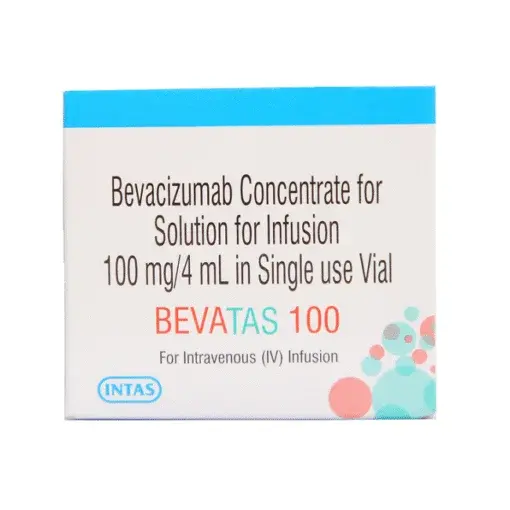
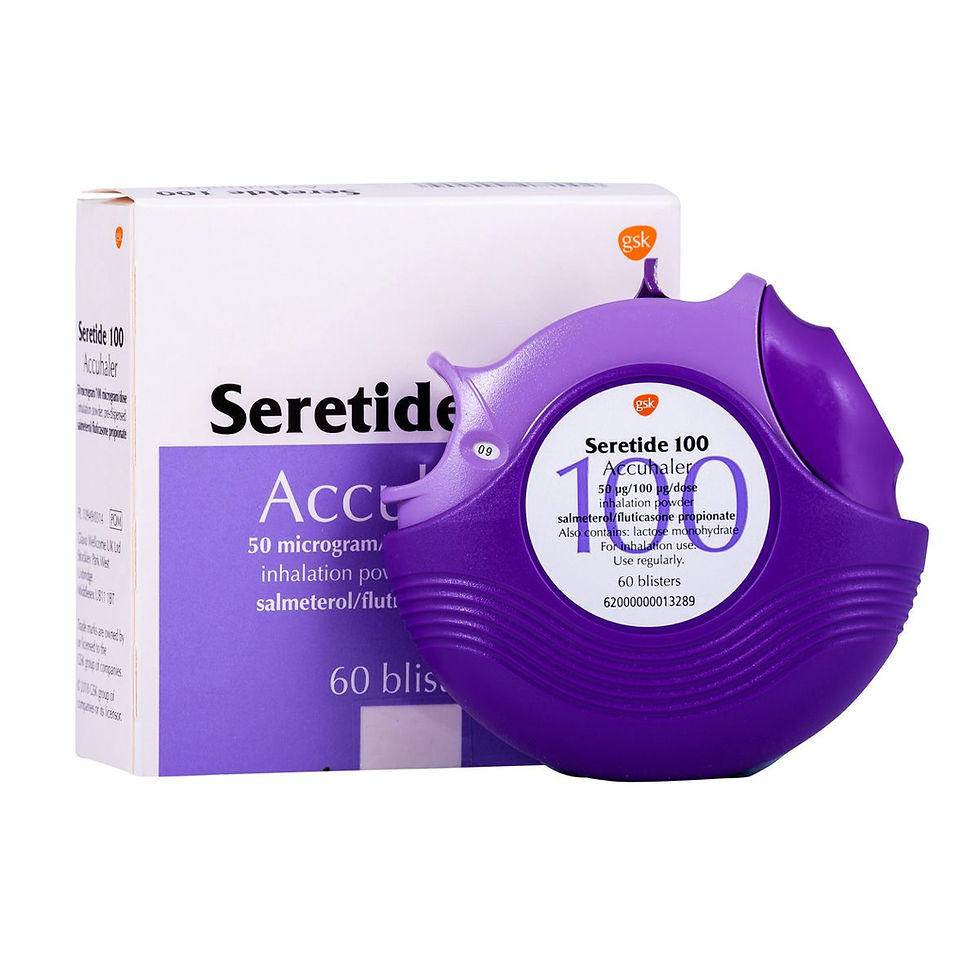
Crizalk (Crizotinib) ~ Erlocip (Erlotinib) ~ Spexib (Ceritinib) ~ Xovoltib 50mg (Afatinib Dimaleate) ~ Rapact (Everolimus) ~ Tagrisso 80mg Tablet (Osimertinib) ~ Keytruda Injection ~ Posid 50 Mg (Etoposide) ~ Bevatas 100mg Injection ~ Evermil 10mg Tablet ~ Evermil 5mg Tablet ~ Gemita Injection (Gemcitabine) ~ Nitrobest Tablet (Nitrofurantoin 100mg) ~ Placentrex Gel (Human ~ Placental Extract & Nitrogen) ~ Niftas 50mg Tablet (Nitrofurantoin 50mg) ~ Sparta 200 Mg (Sparfloxacin) ~ Bosuvi (Bosutinib) ~ Tamoxican 20 Mg Tablet (Tamoxifen) ~ Xarelto (Rivaroxaban) ~ Oxytetracycline 250mg (Oxytetracyn) ~ Round Purple Inhaler (Salmeterol/Fluticasone) ~ Zithrocor 500 Mg (Azithromycin) ~ Cyendiv (Nintedanib) ~ Triohale Rotacaps (Tiotropium/Formoterol/Ciclesonide)
Medical disclaimer
The content on this page is for informational purposes only. Prescription medicines should be used only under the guidance of a qualified medical professional. Skymeds does not encourage self-medication, self-diagnosis, or the unsupervised use of any medicine.