USA Toll free number:
+1 (719) 601 9825
Free shipping all order above $199 - Shop smart, Save more!!!
Track order

Discover
Ivermectin
All you need for trusted Ivermectin treatment, reliable medicines, and complete patient care support






Ivermectin: Uses, Forms and Safety Information
Ivermectin is an antiparasitic medicine used for certain infections caused by parasites. Depending on the diagnosed condition, a healthcare professional may prescribe an oral tablet or a topical formulation.
Ivermectin tablets, creams, lotions and veterinary products are not interchangeable. Each form has a specific purpose, strength and method of use. The correct treatment should be selected only after proper medical assessment.
This page provides general information about human uses, available forms, safety precautions and conditions for which ivermectin is not an approved treatment. Additional educational information is available through our ivermectin uses, safety and research guides.
What Is Ivermectin?
Ivermectin belongs to a group of medicines known as antiparasitic medicines. It affects the nerve and muscle activity of certain parasites, helping the body remove or control the infection.
Ivermectin is not an antibiotic and does not treat bacterial infections. It is also not a general antiviral medicine. Its effectiveness depends on the specific parasite, the formulation being used and the patient’s medical condition.
Before prescribing ivermectin, a healthcare professional may consider:
-
The type of parasite or skin condition
-
Test results and symptoms
-
The patient’s body weight
-
Age and overall health
-
Pregnancy or breastfeeding
-
Liver and kidney health
-
Travel or residence in parasite-endemic regions
-
Other medicines and supplements
-
Possible medicine interactions
Different parasitic infections require different treatment approaches. A person should not select ivermectin only because symptoms appear similar to a previously diagnosed condition.
Recognized Human Uses of Ivermectin
Intestinal Strongyloidiasis
Strongyloidiasis is an infection caused by the parasitic roundworm Strongyloides stercoralis. The infection may affect the intestines and can sometimes remain in the body for many years without obvious symptoms.
People with a weakened immune system may have a higher risk of developing severe or disseminated strongyloidiasis. Diagnosis may involve stool examinations, blood tests and evaluation of the patient’s travel or residence history.
The CDC clinical guidance for Strongyloides treatment identifies ivermectin as a treatment option and explains when follow-up testing may be required.
Patients can also review general anti-worm medicine information, but medicines used for different worm infections should not be considered interchangeable.
Onchocerciasis or River Blindness
Onchocerciasis, commonly known as river blindness, is caused by the parasitic worm Onchocerca volvulus. It is transmitted through repeated bites from infected blackflies in certain regions.
The condition may cause severe itching, skin changes, eye damage and, in serious cases, permanent loss of vision. Treatment requires professional diagnosis and ongoing medical management.
The World Health Organization information on onchocerciasis explains how ivermectin is used within treatment and disease-control programmes.
People who have lived in or travelled through regions where other parasitic infections such as Loa loa occur must inform their healthcare provider. Additional testing may be necessary because treatment can require special precautions.
Topical Ivermectin for Rosacea
Certain topical ivermectin formulations are used to manage inflammatory lesions associated with rosacea. Rosacea is a long-term skin condition that may cause facial redness, bumps, irritation or visible blood vessels.
Topical ivermectin is intended for external use and should only be applied according to the product instructions or a healthcare professional’s directions. It should not be swallowed or substituted for oral ivermectin tablets.
People experiencing ongoing redness, itching or other skin symptoms can explore related skin care treatment information. A dermatologist should confirm the condition because several skin problems can produce similar symptoms.
Topical Ivermectin for Head Lice
An approved topical ivermectin lotion may be used for head lice in appropriate patients. The formulation, age requirements and application instructions are product-specific.
A topical head-lice treatment should not be applied to other parts of the body unless the label or a healthcare professional specifically directs its use.
Ivermectin for Scabies
Scabies is a skin infestation caused by mites. It commonly produces intense itching and a rash, but diagnosis is important because eczema, allergic reactions and other skin conditions may look similar.
In the United States, oral ivermectin is not FDA-approved specifically for scabies, although healthcare professionals may prescribe it off-label in selected cases. The CDC clinical guidance for scabies treatment explains available prescription treatments and important safety considerations.
Off-label use does not mean a medicine should be taken without supervision. The prescriber must decide whether oral ivermectin, a topical treatment or another approach is appropriate.
Oral, Topical and Veterinary Ivermectin Are Different
Human Ivermectin Tablets
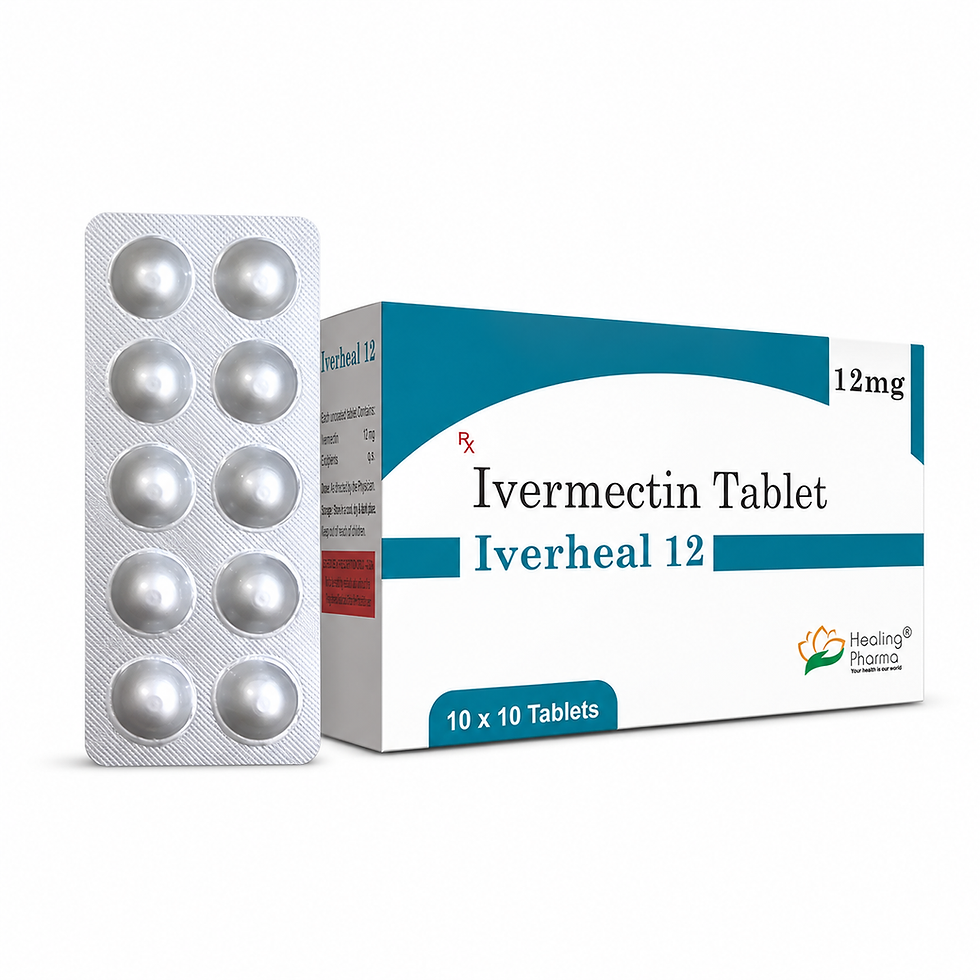
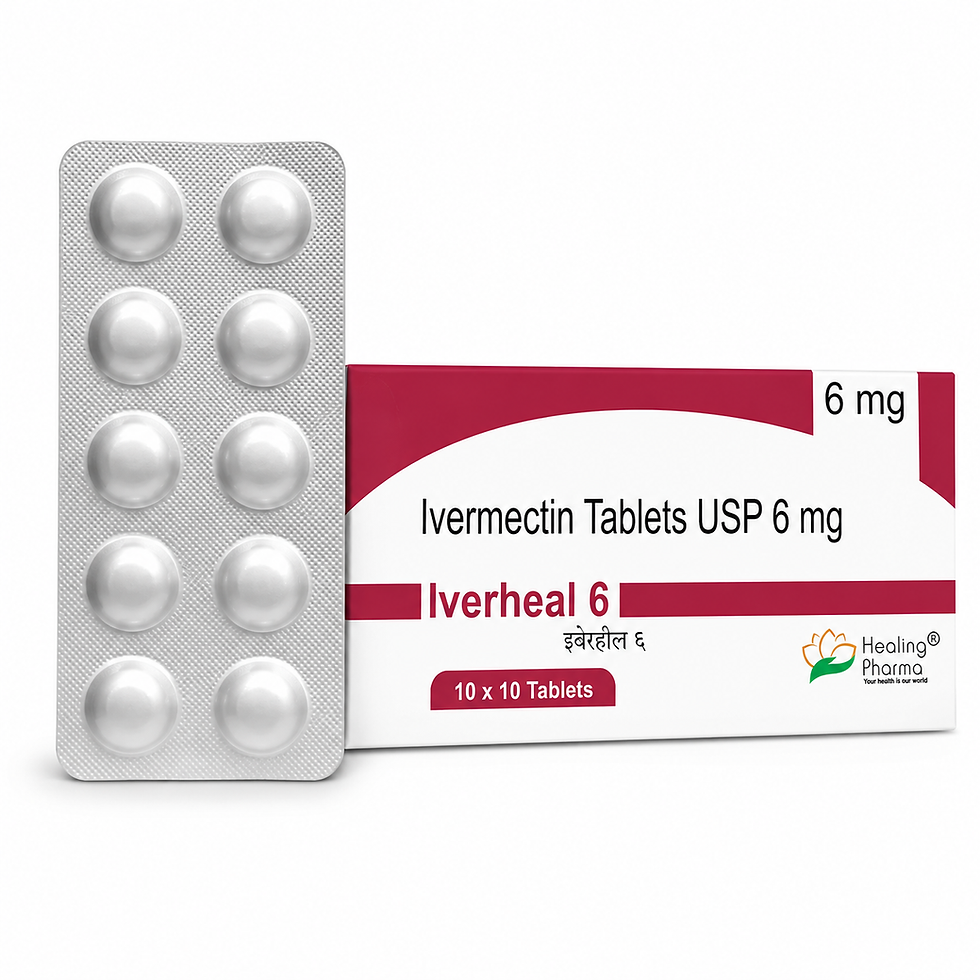
Oral ivermectin tablets are swallowed and absorbed into the body. In the United States, they are approved for specific parasitic worm infections, including intestinal strongyloidiasis and onchocerciasis.
The official U.S. ivermectin tablet prescribing information provides detailed information about indications, precautions and possible adverse reactions.
Tablet strength and the number of tablets required are not the same for every patient. Treatment may depend on body weight, diagnosis and other clinical factors.
Human Topical Ivermectin
Topical ivermectin products are applied to the skin or scalp. Depending on the formulation, they may be used for conditions such as rosacea or head lice.
A topical product must not be swallowed. It should also be kept away from the eyes, mouth and other sensitive areas unless its instructions state otherwise.
Oral tablets and topical formulations cannot be substituted for one another because they have different concentrations, ingredients and approved uses.
Veterinary Ivermectin Products
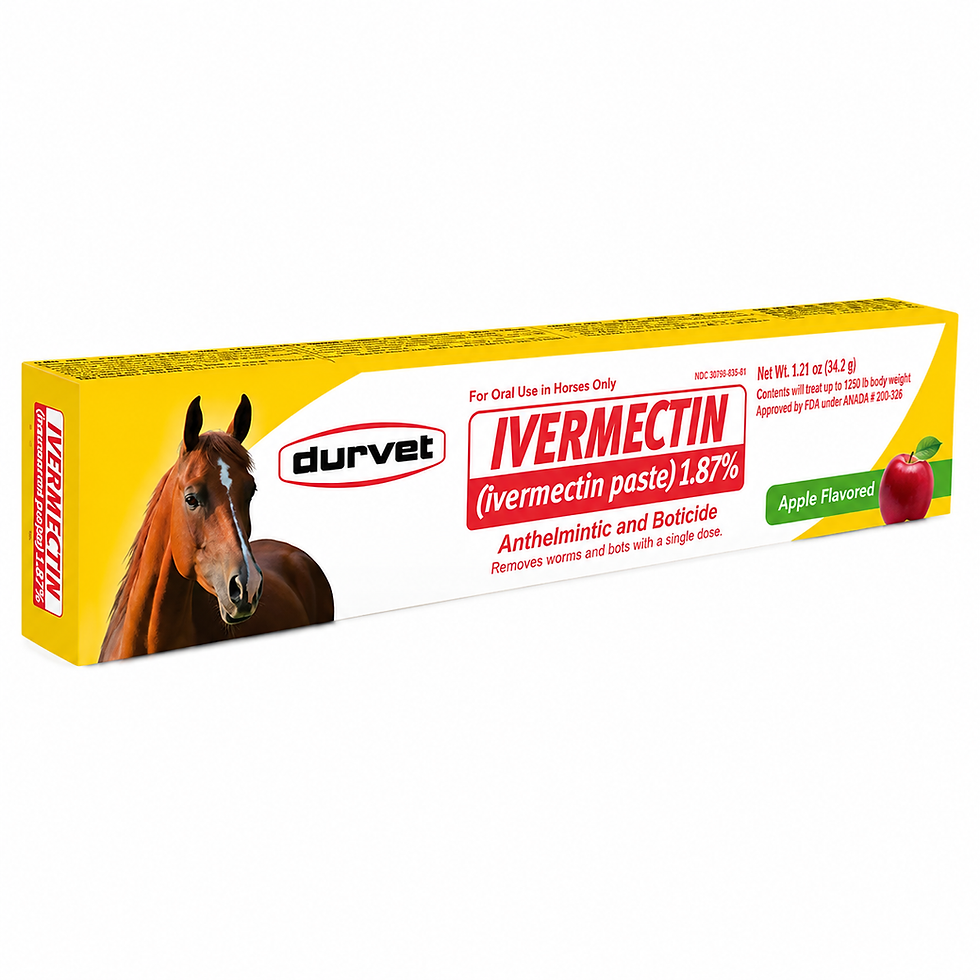
Veterinary ivermectin pastes, injections and other animal formulations are manufactured for particular animal species. Their concentrations and inactive ingredients may be very different from human medicines.
Animal ivermectin must never be used by humans. Using a veterinary product can result in an incorrect dose, serious side effects, poisoning or hospitalization.
The FDA information about human and animal ivermectin explains why veterinary formulations are not safe substitutes for medicines intended for people.
How Is the Correct Ivermectin Treatment Selected?
A healthcare professional first needs to identify the condition being treated. Symptoms alone are not enough to determine whether ivermectin is suitable.
The prescriber may consider:
-
Whether the condition is parasitic or non-parasitic
-
Whether oral or topical treatment is appropriate
-
The patient’s body weight and age
-
Pregnancy or breastfeeding
-
Other health conditions
-
Current medicines and supplements
-
Previous allergic reactions
-
Possible exposure to parasites during international travel
-
Whether laboratory tests or follow-up examinations are required
A higher-strength tablet is not automatically more effective. Taking more ivermectin than prescribed can increase the risk of harmful reactions.
Patients can read the adult ivermectin dosing reference for general educational information. However, online dosing information should not replace an individual prescription or professional medical assessment.
Ivermectin Side Effects and Safety Precautions
Ivermectin can cause side effects even when a human formulation is used correctly. The type of reaction may depend on the condition, dose, formulation and individual patient.
Possible side effects of oral ivermectin may include:
-
Nausea or stomach discomfort
-
Diarrhea
-
Dizziness
-
Headache
-
Weakness or tiredness
-
Itching or skin rash
Topical ivermectin may sometimes cause:
-
Skin irritation
-
Burning or stinging
-
Dryness
-
Redness
-
Itching
-
Seek urgent medical care for difficulty breathing, swelling of the face or throat, fainting, severe confusion, seizures, loss of coordination or a serious skin reaction.
Before using ivermectin, tell the healthcare professional about all prescription medicines, non-prescription medicines, vitamins and supplements. This is especially important for people taking blood thinners or medicines that affect the nervous system.
Patients who are pregnant, planning pregnancy, breastfeeding or seeking treatment for a child should obtain medical advice before using ivermectin.
Is Ivermectin Approved for COVID-19?
No. The FDA has not authorized or approved ivermectin for preventing or treating COVID-19 in humans.
Laboratory activity does not prove that a medicine will be safe or effective in patients. People should not use human or veterinary ivermectin as a substitute for approved COVID-19 treatment or medical care.
The FDA guidance about ivermectin and COVID-19 provides current information about this unapproved use and the risks associated with self-medication.
Is Ivermectin an Approved Cancer Treatment?
No. Ivermectin is not an approved treatment for cancer.
Ivermectin has been examined in laboratory and early research settings, but laboratory findings do not establish that it safely or effectively treats cancer in humans. It should not replace cancer screening, surgery, radiation therapy, chemotherapy, immunotherapy or other oncology treatments.
Anyone considering an unapproved treatment should discuss it with a qualified oncologist. Patients should never stop or delay prescribed cancer treatment to use ivermectin.
Using Ivermectin Safely
Important safety steps include:
-
Use only a human formulation prescribed or recommended for the diagnosed condition.
-
Never use ivermectin intended for horses, livestock or other animals.
-
Do not choose a tablet strength or dose without professional advice.
-
Do not share prescription medicine with another person.
-
Do not combine oral and topical ivermectin unless instructed.
-
Inform the prescriber about allergies and other medicines.
-
Follow all required laboratory tests and medical follow-up.
-
Do not repeat treatment simply because symptoms continue.
-
Store the medicine according to its label.
-
Obtain urgent help if severe symptoms or signs of an allergic reaction develop.
Symptoms that continue after treatment do not always mean another dose is required. Persistent symptoms may be caused by reinfection, inflammation, an incorrect diagnosis or another medical condition.
Top selling TREATMENTS
✪ High-demand medicines with proven results


Frequently asked questions
Popular Medicine 🌟












Best Price Ivermectin Online
Affordable Ivermectin Options
Finding affordable Ivermectin online is easy when you choose the right platform. Skymeds offers competitive pricing on all Ivermectin products without compromising on quality.
Ivermectin 15mg ~ Ivermectol 6 Mg (Ivermectin) ~ Ivermectin Tablet(Standard) ~ Ivercor 12mg (Ivermectin) ~ Ivercor 3mg (Ivermectin) ~ Ivermectin Paste Dewormer ~ Ivermectin 12 Mg (Ivermectol) ~ Ivercor 6mg (Ivermectin) ~ Ivercor 24mg (Ivermectin) ~ Vermact 6mg (Ivermectin) ~ Ivermectin Injection 1% ~ Ivermectin Cream (Ivrea) ~ Ivermectin (Iverotaj – 12) ~ Vermact 3mg (Ivermectin) ~ Ivermectin 24mg (Covilife) ~ Iverheal 3mg (Ivermectin) ~ Iverjohn 12 Mg (Ivermectin) ~ Iverjohn 6 Mg (Ivermectin) ~ Ivervid Tablet 6mg (Ivermectin) ~ Ivervid Tablet 12mg (Ivermectin)
Medical disclaimer
The content on this page is for informational purposes only. Prescription medicines should be used only under the guidance of a qualified medical professional. Skymeds does not encourage self-medication, self-diagnosis, or the unsupervised use of any medicine.