USA Toll free number:
+1 (719) 601 9825
Free shipping all order above $199 - Shop smart, Save more!!!
Track order

Discover
Bacterial
Find trusted bacterial infection medicines, treatment options, and essential guidance for responsible care.


Buy Genuine & Affordable
Bacterial infections
Compare available options, strengths, pack sizes, and prices before viewing full product details.
Filter by
category
Price
$11 - $470


What Is a Bacterial Infection?
Understanding Bacterial Infections and Their Causes
A bacterial infection occurs when harmful bacteria enter the body, grow, and cause illness. These infections can affect different parts of the body such as the skin, lungs, throat, stomach, and urinary tract. Bacteria can spread through contaminated food, water, air, or direct contact with an infected person. At Skymeds, we help you understand bacterial infections and provide access to safe and effective medicines for proper treatment and fast recovery. Early diagnosis and the right antibiotics can help control the infection and prevent complications.
Key Points to Know:
Caused by harmful bacteria entering the body
Can affect different organs like lungs, skin, and urinary tract
Spread through air, food, water, or contact
Symptoms may vary depending on the type of infection
Early treatment helps prevent serious health issues
Antibiotics are commonly used for treatment
Proper hygiene can reduce the risk of infection
Common Types of Infections
Respiratory Infections (Lungs and Throat)
Common infections like bronchitis, pneumonia, and throat infections affect breathing and are usually caused by bacteria spreading through air or contact. At Skymeds, you can find effective medicines to treat these conditions and improve respiratory health.
Urinary Tract Infections (UTIs)
UTIs are very common, especially in women, and affect the bladder and urinary system. Symptoms include burning sensation and frequent urination. Skymeds offers reliable antibiotics that help treat UTIs quickly and safely.
Skin Infections
Skin infections like boils, cellulitis, and bacterial rashes can cause redness, swelling, and pain. Proper treatment is important to avoid spreading. Skymeds provides trusted medicines for fast healing and skin protection.
Gastrointestinal Infections
These infections affect the stomach and intestines, causing diarrhea, vomiting, and stomach pain. They are often caused by contaminated food or water. At Skymeds, you can access effective treatments to manage these infections easily.
Ear and Eye Infections
Bacterial infections can also affect the ears and eyes, leading to pain, discharge, and irritation. Skymeds offers safe and effective medicines to relieve symptoms and treat these infections properly.
Signs and Symptoms to Know
Common Signs and Symptoms of Bacterial Infection
Fever and chills are common early signs of infection
Redness, swelling, or pain in the affected area
Fatigue and weakness in the body
Pus formation or discharge from wounds
Persistent cough or difficulty breathing
Burning sensation during urination (UTI symptoms)
Nausea, vomiting, or diarrhea in stomach infections
Swollen lymph nodes in some infections
At Skymeds, we help you identify these symptoms early so you can choose the right treatment and medicines for faster recovery and better health.
Easy Treatment Options
Simple and Effective Treatment Options at Skymeds
Use prescribed antibiotics for quick recovery
Take proper rest and stay hydrated
Use over-the-counter medicines for mild symptoms
Follow doctor-recommended dosage and schedule
Maintain hygiene during treatment
Complete the full course of medication
Choose trusted medicines available at Skymeds
Seek medical advice for severe infections
Tips to Prevent Infections
Maintain Proper Hand Hygiene for Daily Protection
Washing hands regularly with soap and clean water helps remove harmful bacteria and reduces the risk of infection. At Skymeds, we recommend making hand hygiene a daily habit, especially before eating and after coming from outside.
Eat Clean and Fresh Food to Stay Healthy
Always consume properly cooked and fresh food to avoid bacterial contamination. Avoid street food that is exposed to dust or unsafe handling. Skymeds suggests a balanced diet to strengthen your immunity and prevent infections.
Drink Safe and Filtered Water
Contaminated water is a major cause of bacterial infections. Always drink boiled or filtered water to stay safe. Skymeds advises using safe water sources to reduce the risk of stomach and intestinal infections.
Keep Your Surroundings Clean and Hygienic
A clean environment helps prevent the growth of harmful bacteria. Regularly clean your home, wash clothes, and disinfect commonly touched surfaces. Skymeds supports healthy living habits to protect you from infections.
Avoid Close Contact with Infected People
Bacterial infections can spread through direct contact. Try to maintain distance from people who are sick and avoid sharing personal items. Skymeds recommends staying cautious in crowded places.
Strengthen Your Immune System Naturally
A strong immune system helps your body fight infections effectively. Get enough sleep, exercise regularly, and eat vitamin-rich foods. Skymeds encourages a healthy lifestyle to keep your body protected.
Safe Use of Medicines
Important Guidelines for Safe Medicine Use
Always take medicines exactly as prescribed by your doctor
Complete the full antibiotic course, even if symptoms improve early
Do not skip doses or take extra doses without medical advice
Avoid self-medication or using leftover antibiotics
Check expiry date before using any medicine
Store medicines in a cool, dry place away from sunlight
Do not share your medicines with others
Inform your doctor about any allergies or side effects
Avoid alcohol while taking antibiotic medicines
Consult a healthcare professional if symptoms do not improve
Top selling TREATMENTS
✪ High-demand medicines with proven results


FAQ CENTER
FREQUENTLY ASKED QUESTIONS ABOUT
Bacterial
Find quick answers about medicines, ordering, shipping, and treatment categories.
1. Are all brain tumors cancerous?
No. Brain tumors can be benign or malignant, but even noncancerous tumors can cause serious problems by pressing on important brain structures. The Brain Tumor medicines collection explains different tumor types and treatment approaches; diagnosis requires imaging and specialist assessment.
1. Are herbal supplements automatically safe because they are natural?
Natural does not automatically mean safe. Herbal supplements can cause side effects, vary in quality, and interact with medicines. Review ingredients carefully and use the Herbal products collection as a product reference; discuss regular supplement use with a clinician if you take medicines or have chronic conditions.
1. Can fatigue and dizziness mean I have anemia?
Fatigue can occur with anemia, but symptoms alone cannot confirm it. A complete blood count and, when appropriate, iron studies help identify the cause. Ferozone XT + Tablet is listed on TheSkymeds, but iron-containing products should be used when deficiency or another indication is properly assessed.
1. Can hepatitis C be completely cured?
Yes, modern direct-acting antiviral treatment can cure most people with hepatitis C. Many current regimens achieve cure rates above 95% when used appropriately. The Hepatitis C treatment medicines guide explains available antiviral approaches; treatment should be selected after proper testing and clinical evaluation.
1. Can high blood pressure damage my heart even if I feel fine?
Yes, high blood pressure can damage blood vessels and increase heart-attack, stroke, kidney, and heart-failure risk without obvious symptoms. The cardiac medicines collection includes blood-pressure treatments; regular readings matter because hypertension often causes no warning signs.
1. Can kidney or liver disease develop without obvious symptoms?
Yes, early kidney or liver disease may cause few or no obvious symptoms. Blood and urine testing can reveal problems before symptoms become severe. The kidney disease testing guide explains key kidney checks; persistent fatigue, swelling, jaundice, or urinary changes deserve medical assessment.
1. Can medication really help reduce alcohol cravings?
Yes, certain medicines can help reduce alcohol cravings or support abstinence. Naltrexone, acamprosate, and disulfiram work differently and are not suitable for everyone. Naltima (Naltrexone) Tablet is one listed option; alcohol-use disorder treatment works best when medication is chosen with professional support.
1. Do I need a multivitamin every day?
Not everyone needs a daily multivitamin. Supplements may help when diet does not provide enough nutrients or when specific needs are increased. The Daily Care wellness collection includes nutritional products; choose supplements according to diet, age, health conditions, and identified deficiencies.
1. Do antiviral medicines work against every type of virus?
Antiviral medicines treat specific viral infections, not all viruses. The right drug depends on the virus and patient factors. The antiviral drugs guide explains how these medicines differ; antibiotics should not be substituted for viral illnesses unless a bacterial infection is also diagnosed.
1. Does everyone need to take a daily multivitamin?
Not everyone needs a multivitamin. A varied diet should provide most nutrients, while supplements may help people with poor intake, restricted diets, or specific deficiencies. The Nutrition Care collection includes vitamin and mineral products; choose supplements according to actual nutritional needs.
1. Does everyone need to take a daily multivitamin?
No, not everyone needs a daily multivitamin. A balanced diet can provide most nutrients, while supplements may help when intake is inadequate or needs are increased. The Vitamins and Minerals collection offers different formulations; choose supplements according to actual nutritional needs.
1. How can I tell a migraine from an ordinary headache?
Migraine often includes moderate-to-severe headache with nausea, light or sound sensitivity, and sometimes aura. Not every attack looks the same. The Anti Migraine medicines collection covers acute and preventive options; new, unusual, or rapidly changing headaches should be medically evaluated.
1. How can I tell allergies from a cold or the flu?
Allergies usually cause itching, sneezing, and watery eyes without fever. Colds and flu more often cause fever, aches, or infection-type symptoms. The cold weather allergies vs cold and flu guide explains the differences; seek medical advice if symptoms are severe, unusual, or persistent.
1. How can I tell if an infection is bacterial or viral?
Symptoms alone often cannot reliably distinguish bacterial from viral infections. Examination, testing, symptom duration, and infection site may help. The antibiotics versus viral infections guide explains the difference; antibiotics should not be started simply because mucus, fever, or coughing is present.
1. How can I tell osteoarthritis from rheumatoid arthritis?
Osteoarthritis and rheumatoid arthritis have different causes and treatment approaches. Osteoarthritis involves joint degeneration, while rheumatoid arthritis is an inflammatory autoimmune disease. The Arthritis medicines and joint care page covers both types; persistent swelling, stiffness, or joint pain should be properly diagnosed before treatment.
Popular Medicine 🌟

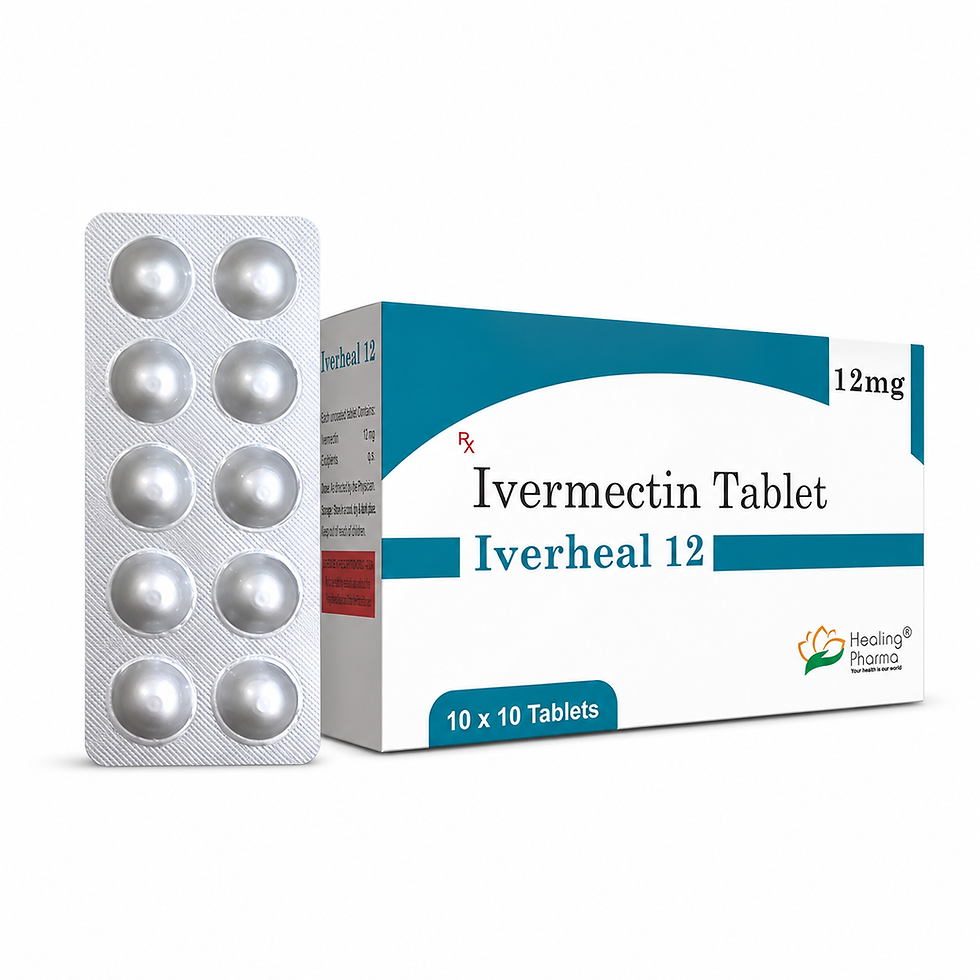


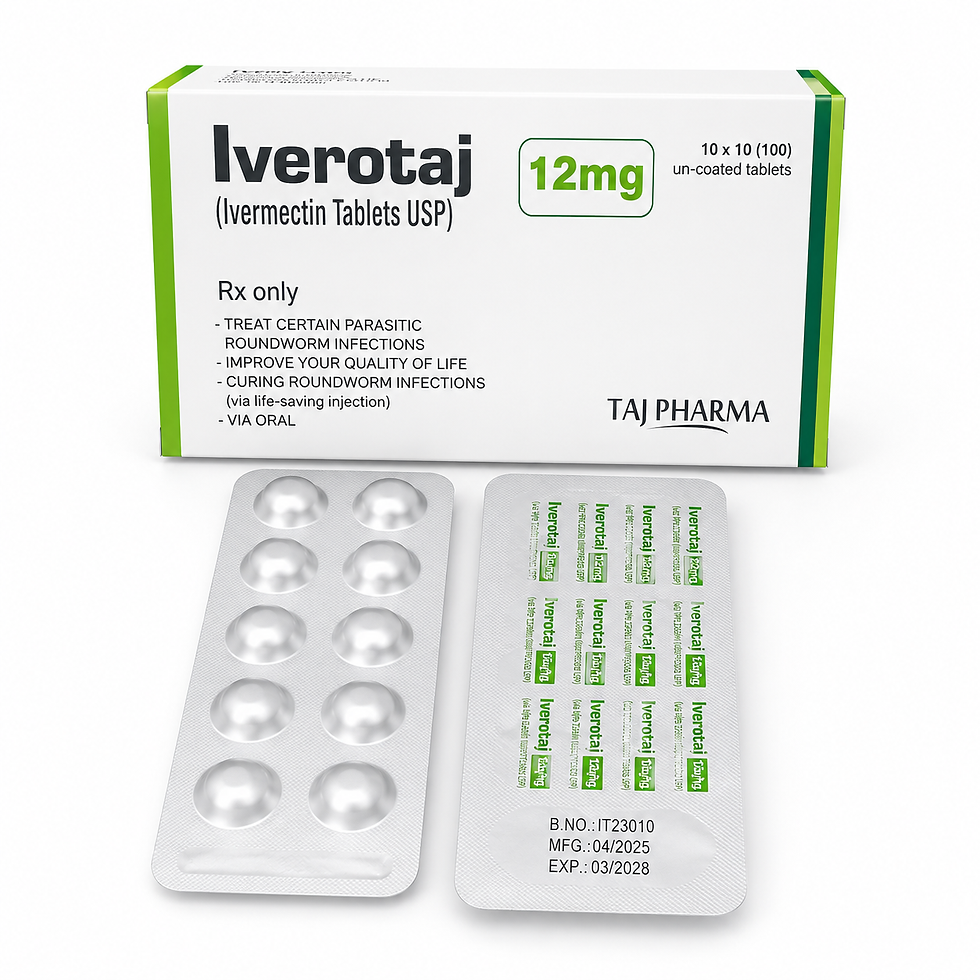




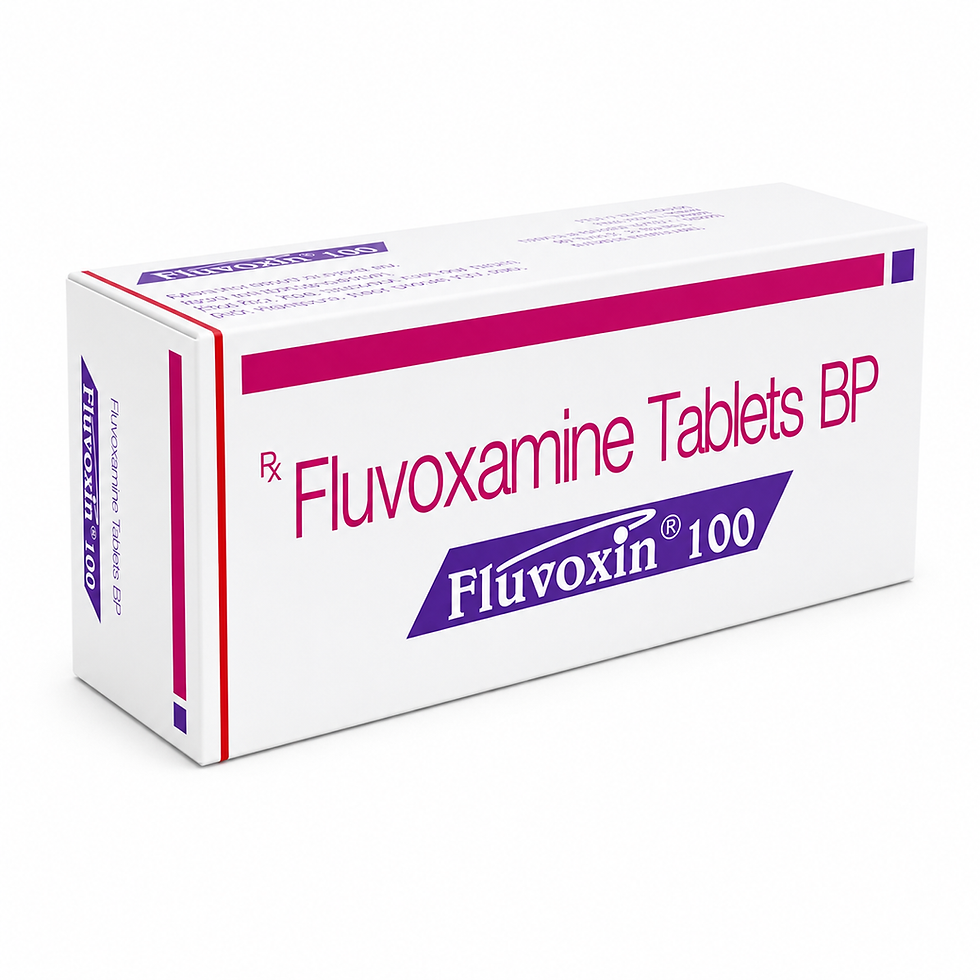

Buy Infection Medicines Online
Order Trusted Infection Medicines from Skymeds
TIGEBAX 50 mg (Tigecycline) ~ Zithrocor 500 mg (Azithromycin) ~ Phexin BD 375MG (Cefalexin) ~ Zuflo Eye Drop 10 ml (Ofloxacin) ~ Baycip 500mg (Ciprofloxacin) ~ Vancomycin 1000 Infusion (ANKING) ~ Genticyn 80mg Injection ~ Teicoplanin 400mg (TARGOCID) ~ Tigecycline 50 Injection (AMERICAN) ~ Monocef Injection 250mg (Ceftriaxone) ~ Oframax 500mg Injection (Ceftriaxone) ~ Oframax Forte 1.5g Injection (Ceftriaxone/Sulbactam)
PENTIDS (PENICILLIN G) ~ Teicoplanin 400mg (TARGOCID) ~ Farosmart 200 mg (Faropenem) ~ Cephalexin 250MG (Phexin) ~ Dalaheal 300 mg (Clindamycin) ~ Sparta 200 Mg (Sparfloxacin) ~ Zithrocor 250 mg (Azithromycin)
Medical disclaimer
At theskymeds, we care about your well-being. Everything you read here is meant for educational purposes to guide your health journey—not as direct medical advice. Because prescription medicines need proper care, please avoid self-treatment and consult a qualified physician before starting any medication. When it comes to your health, your doctor always knows best.