USA Toll free number:
+1 (719) 601 9825
Free shipping all order above $199 - Shop smart, Save more!!!
Track order


Search this site
314 results found with an empty search
- Winter Asthma Care: Inhalers & Breathing Tips You Need to Know
Written by Elizabeth Chernoby in TheSkyMeds Editorial Standards Medically reviewed by Jonathan Reed, Medical Content Reviewer Nov 28 2025 Winter season brings cold winds, pollution, viral infections, and dry air — all of which can trigger asthma attacks. For asthma patients, managing symptoms in cold months becomes especially important. The drop in temperature causes the airways to tighten, making breathing difficult. Meanwhile, dust mites, smog, and indoor smoke can worsen the condition. This blog covers essential winter asthma care tips, inhaler guidance, lifestyle improvements, and breathing techniques to help you stay safe and breathe freely this season. Why Winter is Risky for Asthma Patients? Cold Air Constricts Airways Breathing cold air makes your airways narrow, causing wheezing and shortness of breath. More Respiratory Infections Flu, colds, and throat infections are more common in winters and can trigger severe asthma attacks. Staying Indoors More Often Indoor allergens such as dust mites, mold, pet dander, and kitchen smoke increase exposure. High Pollution Levels Fog + pollution (smog) is a major breathing hazard in cities during winter. Best Inhalers for Winter Asthma Care Inhalers are the primary treatment for controlling asthma. They deliver medicine directly to the lungs for quick relief and long-term control. 1️ Reliever Inhalers (Rescue Inhalers use) Used during asthma attacks for quick breathing relief. Common medicines: Salbutamol / Albuterol (e.g., Asthalin, Ventorlin) Levosalbutamol They relax airway muscles and provide instant relief. 2️ Controller Inhalers (Preventers) Used daily to reduce inflammation and prevent attacks. Common medicines: Corticosteroids (e.g., Budesonide, Fluticasone) Combination inhalers (e.g., Formoterol + Budesonide, Salmeterol + Fluticasone) These keep symptoms under control long-term. 3️ Nebulizers For children or severe asthma patients who cannot use inhalers properly. Converts liquid medicine into breathable mist. Always use inhalers as prescribed by the doctor. Winter Asthma Prevention Tips Here are simple yet effective ways to stay safe asthma tips ✔ Cover mouth & nose with a scarf to warm the air before breathing. ✔ Use a humidifier to keep air moist at home. ✔ Avoid early morning & late-night walks when the air is coldest. ✔ Clean bedding & curtains regularly to reduce dust mites. ✔ Ventilate the house for at least 15–20 minutes each day. ✔ Avoid smoking and smoke-filled areas (including kitchen smoke). ✔ Take flu and pneumonia vaccines after consulting your doctor. ✔ Keep medicine and inhaler always with you while traveling. Breathing Exercises for Asthma Relief Breathing techniques help strengthen lungs and improve airflow. Pursed Lip Breathing Inhale through nose for 2 seconds Exhale slowly through pursed lips for 4 seconds Helps release trapped air from lungs. Diaphragmatic Breathing Place hand on belly Breathe slowly, feel abdomen rise Exhale gently Improves oxygen flow and reduces stress. Steam Inhalation 2–3 times a week (avoid if it triggers symptoms for you). Helps reduce mucus and dryness. Infection Control Measures To avoid colds & flu: Wash hands frequently Avoid touching eyes/nose/mouth Wear a mask in crowded places Stay away from sick people Maintain proper hygiene of inhalers and spacers Winter Diet for Stronger Lungs Eating the right foods boosts immunity and lung function: Include: 🟢 Vitamin C rich fruits: Orange, Amla, Kiwi 🟢 Omega-3 foods: Fish, walnuts, flax seeds 🟢 Warm soups & herbal teas 🟢 Turmeric + milk to reduce inflammation Avoid: 🚫 Cold drinks, ice creams 🚫 Fried & packaged foods 🚫 Foods causing allergies (if any) Home Environment Tips to Reduce Asthma Triggers Keep rooms dust-free Wash soft toys weekly Avoid room fresheners, incense sticks & strong perfumes Maintain indoor plants in limited quantity Repair damp walls & remove mold growth Common Mistakes Asthma Patients Should Avoid Only using reliever inhaler — ignoring daily preventer Running or exercising outdoors in cold air Skipping asthma follow-ups Storing expired inhalers Self-medicating without medical advice When to See a Doctor? Seek medical help if you notice: Frequent wheezing or coughing Chest tightening when exposed to cold Using reliever inhaler more than 2–3 times a week Night-time breathlessness Blue lips or fingertips (emergency) Managing Asthma in Children During Winter Ensure proper inhaler technique using a spacer Keep kids indoors during pollution/high smog levels Provide warm clothing & cover nose outdoors Watch for early signs — coughing, restless sleep, fast breathing Quick action prevents worsening of symptoms. Conclusion With the right inhaler usage, breathing exercises, healthy diet, and environment control — you can manage asthma effectively even in harsh winters. Stay warm, avoid pollutants, keep medicines handy, and follow your doctor’s treatment plan strictly. FAQs: Winter Asthma Care Q1. Can cold weather directly trigger asthma? Yes. Cold and dry air causes airway tightening, making breathing difficult and triggering asthma symptoms. Q2. Which inhaler is best for winters? Reliever inhalers for sudden attacks and controller inhalers for daily prevention. Choose only as prescribed by your doctor. Q3. Can exercise worsen asthma in winter? Outdoor exercise in chilly weather may trigger symptoms. Prefer indoor workouts. Q4. Is steam inhalation good for asthma patients? Yes, for many people it helps reduce congestion. But if steam worsens your breathing, stop immediately. Q5. Are flu vaccines important for asthma patients? Yes. Vaccines help prevent respiratory infections that can trigger asthma attacks during winter.
- Cold Weather Allergies vs Cold & Flu How to Tell the Difference
Written by Dr. Adam Makis in TheSkyMeds Editorial Standards Medically reviewed by Jonathan Reed, Medical Content Reviewer Nov 28 2025 Introduction Every winter, millions of people in the United States experience sneezing, congestion, coughing, and fatigue. The confusion begins when symptoms overlap—is it a cold, the flu, or cold weather allergies? Knowing the difference is crucial because the treatment, medicines, and recovery time vary significantly. At Skymeds, we help you understand health conditions clearly so you can choose the right care at the right time. This guide explains how to tell the difference between cold weather allergies vs cold & flu, including symptoms, causes, medications, and prevention strategies commonly recommended in the USA. What Are Cold Weather Allergies? Cold weather allergies are allergic reactions triggered by winter allergens, not the cold itself. Common Winter Allergy Triggers Indoor dust mites Mold from damp areas Pet dander Air pollution and smog Heating systems spreading allergens Unlike infections, allergies are caused by an overactive immune response to harmless substances. What Is the Common Cold? The common cold is a viral infection affecting the nose and throat. It spreads easily through droplets and contaminated surfaces. Key Cold Causes Rhinoviruses Coronavirus strains (non-COVID) Close indoor contact during winter Colds usually last 7–10 days and resolve on their own. What Is the Flu (Influenza)? The flu is a serious viral illness caused by influenza A or B viruses and can lead to complications, especially in older adults and children. Flu Characteristics Sudden onset High fever Severe body aches Extreme fatigue Doctors in the U.S. strongly recommend annual flu vaccination. Cold Weather Allergies vs Cold & Flu: Symptom Comparison Sneezing Allergies: Frequent and persistent Cold: Mild Flu: Rare Runny or Stuffy Nose Allergies: Clear, watery mucus Cold: Thick, yellow or green mucus Flu: Sometimes present Fever Allergies: ❌ Never Cold: Mild (rare) Flu: ✅ Common (often high) Body Aches Allergies: ❌ No Cold: Mild Flu: ✅ Severe Itchy Eyes Allergies: ✅ Very common Cold & Flu: ❌ Rare Fatigue Allergies: Mild Cold: Mild to moderate Flu: Severe exhaustion Duration of Symptoms Cold weather allergies: Weeks to months Common cold: 7–10 days Flu: 1–2 weeks (sometimes longer) If symptoms persist beyond two weeks without fever, allergies are more likely. Why Winter Allergies Are Increasing in the USA Poor indoor air quality Increased pollution in urban areas Homes sealed tightly for heating Climate changes affecting allergens According to health experts, winter allergies are becoming more common across U.S. cities. Best Medicines for Cold Weather Allergies Doctors in the USA commonly recommend: Antihistamines Cetirizine Loratadine Fexofenadine Nasal Corticosteroids Fluticasone Mometasone Leukotriene Modifiers Montelukast (prescription) These medicines reduce allergic reactions and are effective when taken consistently. Cold & Flu Treatment Options For the Common Cold Decongestants Pain relievers Rest and hydration For Flu Antiviral medications (early use) Fever reducers Doctor consultation ⚠️ Antibiotics do not work for colds or flu. How Doctors Diagnose the Difference Doctors in the U.S. rely on: Symptom patterns Duration Fever presence Rapid flu tests (if needed) Skymeds recommends seeking medical advice if symptoms worsen or include breathing difficulty. Prevention Tips for Winter Illness & Allergies For Allergies Use air purifiers Wash bedding weekly Reduce indoor dust Keep humidity below 50% For Cold & Flu Frequent handwashing Avoid touching face Get flu vaccination Maintain strong immunity When to See a Doctor Fever above 101°F Chest pain or shortness of breath Symptoms lasting over 14 days Severe fatigue or dehydration Early diagnosis prevents complications. Conclusion Understanding the difference between cold weather allergies vs cold & flu helps you choose the right treatment and recover faster. Allergies require consistent management, while colds and flu need rest and supportive care. At Skymeds, we empower you with accurate, US-focused health information so you can protect yourself and your family throughout the winter season. FAQs – Cold Weather Allergies vs Cold & Flu 1. Can cold weather cause allergies? Cold weather doesn’t cause allergies, but it increases exposure to indoor allergens. 2. Do allergies cause fever? No. Fever usually indicates cold or flu, not allergies. 3. How long do winter allergies last? They can last weeks or even months without proper treatment. 4. Can allergy medicine help with cold symptoms? It may reduce sneezing but won’t treat viral infections. 5. Are winter allergies common in the USA? Yes, especially in polluted and urban areas. Tags winter allergies, cold and flu, allergy medicines, respiratory health, Skymeds, seasonal illness, pollution allergy
- Best Thyroid Medications in the USA: What Doctors Prescribe Most in 2026
Written by Elizabeth Chernoby in TheSkyMeds Editorial Standards Medically reviewed by Jonathan Reed, Medical Content Reviewer Nov 11 2025 Introduction Hypothyroidism affects millions of Americans, with the condition becoming increasingly common due to autoimmune disorders, aging, and lifestyle factors. In 2026, thyroid treatment in the United States continues to rely heavily on FDA-approved thyroid medications that restore hormone balance and improve quality of life. At Skymeds, we aim to help patients make informed decisions. This guide explores the best thyroid medications in the USA, what doctors prescribe most, how these drugs work, and which option may be right for you. Understanding Hypothyroidism Hypothyroidism occurs when the thyroid gland does not produce enough thyroid hormones—T3 (triiodothyronine) and T4 (thyroxine). These hormones regulate metabolism, heart rate, digestion, and body temperature. Common Symptoms Fatigue and weakness Weight gain Cold intolerance Hair thinning Depression and brain fog Slow heart rate Doctors in the U.S. typically diagnose hypothyroidism using TSH (thyroid-stimulating hormone) blood tests and prescribe medications accordingly. How Thyroid Medications Work Thyroid medications replace or supplement the hormones your thyroid cannot produce naturally. Most treatments focus on restoring T4 levels, which the body converts into T3 as needed. Doctors in 2026 continue to follow American Thyroid Association (ATA) guidelines when prescribing hypothyroidism medication in the USA. Best Thyroid Medications Doctors Prescribe Most in the USA (2026) 1. Levothyroxine (Most Prescribed Thyroid Medication) Levothyroxine remains the #1 prescribed thyroid medication in the United States. Popular Brand Names Synthroid Levoxyl Unithroid Tirosint Why Doctors Prefer Levothyroxine FDA-approved and clinically proven Mimics natural T4 hormone Safe for long-term use Suitable for adults, elderly patients, and pregnant women Levothyroxine is widely recommended by endocrinologists and is the first-line treatment for hypothyroidism in the U.S. 2. Liothyronine (T3 Thyroid Medication) Liothyronine (Cytomel) contains synthetic T3 hormone and is sometimes prescribed when patients do not respond well to T4-only therapy. Who Needs Liothyronine? Patients with poor T4-to-T3 conversion Persistent symptoms despite normal TSH Certain post-thyroidectomy patients Doctors usually prescribe it in low doses, often combined with levothyroxine. 3. Combination Therapy (T4 + T3) In 2026, combination therapy is gaining popularity in the USA for selected patients. Why Combination Therapy? Improves energy and mental clarity Helps patients with unresolved symptoms Personalized treatment approach However, this therapy is closely monitored due to potential side effects like palpitations and anxiety. 4. Desiccated Thyroid Extract (Natural Thyroid Medication) Natural Desiccated Thyroid (NDT) medications are derived from porcine thyroid glands. Common Brands Armour Thyroid NP Thyroid Some patients prefer natural thyroid medication, but most U.S. doctors prescribe it cautiously due to variable hormone concentrations. Generic vs Brand Thyroid Medications in the USA Doctors often prescribe generic levothyroxine because it is cost-effective and FDA-approved. However, some patients respond better to brand-name options due to absorption differences. Skymeds Tip: Always stick to the same brand or generic version to maintain consistent thyroid levels. Dosage & Administration Guidelines Take thyroid medication once daily on an empty stomach Best taken 30–60 minutes before breakfast Avoid calcium, iron, and antacids within 4 hours Regular blood tests every 6–8 weeks initially Correct dosage is essential for optimal results and long-term thyroid health. Side Effects of Thyroid Medications When taken correctly, side effects are rare. Over-dosage may cause: Rapid heartbeat Anxiety Insomnia Weight loss Sweating Always follow your doctor’s prescription and report unusual symptoms. Why Thyroid Treatment Is Increasing in the USA Rising autoimmune disorders (Hashimoto’s thyroiditis) Improved screening and early diagnosis Aging population Increased awareness of hormonal health In 2026, thyroid management is more personalized and patient-centered than ever. Buying Thyroid Medications Online in the USA Patients increasingly rely on trusted online pharmacies for convenience. Skymeds provides reliable information to help users safely understand their treatment options. Always ensure medications are FDA-approved and prescription-based. Conclusion In 2026, thyroid care in the USA continues to evolve, but levothyroxine remains the gold standard for hypothyroidism treatment. Other options like liothyronine and combination therapy are available for personalized care. At Skymeds, we believe informed patients achieve better health outcomes. Understanding your thyroid medication empowers you to work closely with your doctor and maintain long-term wellness. FAQs – Thyroid Medications in the USA 1. What is the most prescribed thyroid medication in the USA? Levothyroxine is the most commonly prescribed thyroid medication in the U.S. 2. How long does thyroid medication take to work? Most patients notice improvement within 2–6 weeks, but full benefits may take longer. 3. Can I stop thyroid medication once I feel better? No. Hypothyroidism usually requires lifelong treatment. 4. Is natural thyroid medication better than synthetic? Not necessarily. Synthetic medications are more consistent and widely recommended by U.S. doctors. 5. Are thyroid medications safe during pregnancy? Yes, especially levothyroxine, which is considered safe and essential during pregnancy. Tags thyroid medication, hypothyroidism, levothyroxine, thyroid treatment USA, Skymeds, hormonal health, FDA approved medicines
- COVID-19 Antivirals: Latest Treatments and Updates
Written by Elizabeth Chernoby in TheSkyMeds Editorial Standards Medically reviewed by Jonathan Reed, Medical Content Reviewer Nov 25 2025 Since the first antiviral options appeared in 2020, the COVID-19 treatment landscape has matured: oral antivirals that stop viral replication are now the backbone of early outpatient care for people at higher risk of severe disease, and new candidates aim to expand options for treatment and even prevention. This update summarizes the treatments clinicians currently use, what’s new (including promising drugs under review), how they’re used, and practical FAQs for patients. 1. Nirmatrelvir–ritonavir Paxlovid remains the most commonly recommended oral antiviral for non-hospitalized adults at risk of progression to severe COVID-19. When started early (ideally within 5 days of symptom onset), it has consistently reduced hospitalizations and deaths in clinical trials and real-world studies. Because ritonavir strongly interacts with many commonly used drugs, clinicians must check for drug–drug interactions before prescribing. The CDC and treatment guidelines continue to list Paxlovid as a first-line outpatient option. 2. Remdesivir Originally used in hospitalized patients, remdesivir—given intravenously—has evidence supporting early use in high-risk outpatients as well. Some guideline panels recommend remdesivir for high-risk patients with mild-to-moderate COVID-19 when oral options aren’t suitable. Remdesivir’s label and guidance have been updated in recent years to reflect broader clinical experience. 3. Molnupiravir Molnupiravir is an oral antiviral option reserved for situations where Paxlovid and remdesivir aren’t appropriate or available. It showed more modest reductions in severe outcomes relative to Paxlovid in trials and real-world studies; many guidelines therefore place it as an alternative rather than first choice. Concerns about lower efficacy and regulatory differences across countries mean its use is more limited. 4. Newer oral agents Several newer oral protease inhibitors have emerged. One notable example is ensitrelvir (marketed as Xocova in Japan), which has been approved in Japan and Singapore and—in 2025—was submitted to the U.S. FDA for review, including study data suggesting it may reduce the risk of infection when given shortly after exposure in household settings. Regulatory decisions and availability outside Asia are evolving. These drugs expand options, but approval status and recommended indications vary by country. Important clinical points Timing matters. Antivirals work best when given early in the course of infection (generally within 5 days of symptom onset for most oral agents). Delayed treatment is less effective. Drug interactions are real. Ritonavir (part of Paxlovid) is a strong cytochrome P450 inhibitor and can dangerously raise or lower levels of many medicines (statins, some antiarrhythmics, certain immunosuppressants, etc.). A drug-interaction check is mandatory. Rebound can occur. Some patients experience symptom recurrence or a new positive test a few days after finishing Paxlovid (“COVID rebound”). Most rebound cases are mild and self-limited; public health agencies emphasize that the benefits of Paxlovid in preventing severe disease outweigh the small chance of rebound. Variants and resistance. Antivirals that target the virus (like protease inhibitors and polymerase inhibitors) may be affected by viral evolution. So far, major oral antivirals retain clinical effectiveness across recent Omicron-era variants, but surveillance continues. New drugs aim to broaden the arsenal and reduce the likelihood of resistance. Access, supply and public health guidance In many countries, public health agencies maintain supplies and distribution pathways for antivirals. For example, the U.S. federal program continues to manage Paxlovid access for certain settings, while clinicians can also prescribe directly where available. Availability differs by country and over time, so local health department and prescribing guidance should be consulted. Conclusion Antivirals remain a key tool to prevent severe COVID-19 when started early, with Paxlovid as the most widely used outpatient option and remdesivir and molnupiravir serving as alternatives in specific situations. New entrants like ensitrelvir could expand choices and—uniquely—offer post-exposure prevention in some contexts. Talk to your healthcare provider quickly after a positive test if you’re at higher risk, because timing is crucial. FAQs Q: If I test positive for COVID-19, should I take an antiviral? A: If you’re at increased risk of severe COVID-19 (older age, immunocompromise, certain chronic conditions), contact your healthcare provider immediately; treatment started within a few days of symptom onset offers the most benefit. If you’re low risk, antiviral treatment often isn’t necessary. Q: Is Paxlovid safe and who should avoid it? A: Paxlovid is effective and generally safe but interacts with many medications. People taking drugs that can’t be safely paused or adjusted (certain antiarrhythmics, anticoagulants, immunosuppressants, some statins) may need alternative therapy. Always consult a prescriber who will check interactions. Q: What is “Paxlovid rebound” and how worried should I be? A: Rebound is recurrence of symptoms or a new positive test a few days after recovery. It can happen with or without antivirals and is usually mild. If rebound occurs, resume isolation and contact your healthcare provider if symptoms worsen. Q: How does remdesivir fit in if it’s IV? A: Remdesivir is used mainly in hospitalized patients, but short-course IV remdesivir has also been used in high-risk outpatients when oral pills aren’t an option. Logistics (IV access, infusion setting) make it less convenient than oral pills. Q: Are new drugs like ensitrelvir available in my country? A: Ensitrelvir is approved in some countries (e.g., Japan, Singapore). Regulatory reviews are ongoing elsewhere—check local health authorities for approval status and availability. Q: Will antivirals prevent Long COVID? A: Data are mixed. Some studies suggest early antivirals may reduce the risk of long-term complications for some patients, but evidence is not definitive. Research continues.
- Antiviral Drugs: How They Work, Types, Benefits & FAQs | [Skymeds]
Written by Dr. Adam Makis in TheSkyMeds Editorial Standards Medically reviewed by Jonathan Reed, Medical Content Reviewer Nov 25 2025 What Are Antiviral Drugs and How Do They Work? In today’s world, viral infections are among the most common health challenges, ranging from the seasonal flu to more serious conditions like HIV and hepatitis. Unlike bacterial infections that can be treated with antibiotics, viral infections require a completely different approach — antiviral drugs. These medications have transformed the way we fight viruses, helping prevent complications, reduce symptoms, and even save lives. But what exactly are antiviral drugs, and how do they work inside the body? Let’s explore. What Are Antiviral Drugs? Antiviral drugs are a class of medications designed specifically to treat viral infections. They don’t kill viruses directly as antibiotics kill bacteria. Instead, they work by inhibiting the virus’s ability to grow, multiply, and spread within the body. Viruses are much smaller than bacteria and cannot reproduce on their own. They invade healthy cells and use the host’s machinery to make copies of themselves. Antiviral drugs target specific stages of this viral life cycle, helping stop or slow down the infection. These medications can be used to: Treat existing viral infections Prevent infection after exposure (as in post-exposure prophylaxis for HIV) Manage chronic viral diseases like Hepatitis B, Hepatitis C, and HIV How Do Antiviral Drugs Work? Antiviral drugs target different stages of a virus’s life cycle, depending on the type of virus and drug. Below are the main mechanisms of action: 1. Inhibiting Viral Entry or Fusion Some antivirals prevent the virus from entering healthy cells. They block the receptors on the cell surface or the virus itself, preventing the virus from attaching or fusing with the host cell. Example: Enfuvirtide (for HIV) and Maraviroc (for HIV) block virus entry. 2. Inhibiting Viral Uncoating Once a virus enters a cell, it removes its outer coating to release genetic material. Certain antiviral drugs prevent this step, stopping the virus from taking over the host cell. Example: Amantadine and Rimantadine (for influenza) interfere with viral uncoating. 3. Blocking Viral Genome Replication Viruses use enzymes like polymerases to replicate their genetic material (DNA or RNA). Antiviral drugs can inhibit these enzymes, halting replication. Example: Acyclovir (for herpes simplex and varicella-zoster) blocks viral DNA polymerase. 4. Inhibiting Viral Protein Synthesis Some antivirals interfere with the virus’s ability to produce essential proteins needed for replication and assembly. Example: Certain HIV drugs inhibit reverse transcriptase, an enzyme required for viral RNA to convert into DNA. 5. Preventing Viral Assembly and Release At the end of the infection cycle, new virus particles are assembled and released to infect more cells. Drugs like Oseltamivir (Tamiflu) and Zanamivir (Relenza) block neuraminidase, an enzyme the influenza virus needs to exit the host cell. This limits the spread of infection. Antiviral Resistance Just as bacteria can develop resistance to antibiotics, viruses can also develop resistance to antiviral drugs. This happens when the virus mutates in a way that makes the drug less effective. To minimize resistance: Doctors often prescribe combination therapies, especially for HIV and Hepatitis C. Patients must complete the full course of antiviral treatment, even if symptoms improve early. Importance of Antiviral Drugs Antiviral medications have revolutionized modern medicine by: Reducing disease severity: Shortening duration and intensity of viral infections. Preventing complications: Especially in chronic conditions like HIV or hepatitis. Saving lives: Particularly in immunocompromised individuals. Controlling outbreaks: Post-exposure prophylaxis and vaccines supported by antivirals help stop virus spread. Side Effects of Antiviral Drugs Most antivirals are well-tolerated, but side effects can occur depending on the drug and patient’s health condition. Common side effects include: Nausea or vomiting Headache or fatigue Diarrhea Dizziness In rare cases, liver or kidney toxicity It’s essential to use antivirals under medical supervision to ensure safety and effectiveness. Future of Antiviral Therapy The field of antiviral research is rapidly advancing. Scientists are exploring broad-spectrum antivirals that can work against multiple viruses, as well as nanotechnology-based drug delivery systems for targeted action. The COVID-19 pandemic has further accelerated innovation, leading to faster drug discovery and global preparedness for future viral outbreaks. Conclusion Antiviral drugs play a critical role in controlling and managing viral diseases that affect millions worldwide. By targeting specific steps in a virus’s life cycle, they help reduce infection severity, prevent spread, and improve patient outcomes. With ongoing research and new drug discoveries, the future of antiviral therapy looks promising — paving the way for a healthier, virus-resistant world. FAQs 1. Are antiviral drugs the same as antibiotics? No, antiviral drugs are designed to treat viral infections, while antibiotics target bacteria. Antibiotics do not work against viruses such as the flu, cold, or COVID-19. 2. Can antiviral drugs cure viral infections completely? Some antivirals can cure infections (like certain Hepatitis C treatments), but others only control the infection (such as in HIV), reducing symptoms and preventing complications. 3. Can antivirals prevent infection after exposure? Yes. Post-exposure prophylaxis (PEP) is an antiviral treatment used after potential exposure to viruses like HIV or hepatitis to prevent infection. 4. Do antivirals have side effects? Yes, although generally mild, side effects can include nausea, diarrhea, fatigue, or dizziness. Serious effects are rare and usually depend on the specific drug and dosage. 5. Can I take antivirals without a doctor’s prescription? No. Antiviral drugs must always be taken under medical supervision. Using them incorrectly can cause side effects, drug resistance, or reduced effectiveness. 6. Are there natural antiviral remedies? Some natural substances, such as elderberry, garlic, and green tea, may have mild antiviral properties, but they are not substitutes for prescribed antiviral drugs. Always consult a healthcare professional before using any alternative treatment. 7. How long do antiviral drugs take to work? The time varies depending on the infection and the drug used. For example, flu antivirals work best when started within 48 hours of symptoms, while HIV antivirals require long-term use to maintain viral suppression.
- Daily Habits That Lower Your Cancer Risk
Written by Dr. Zack Ferris in TheSkyMeds Editorial Standards Medically reviewed by Jonathan Reed, Medical Content Reviewer Nov 22 2025 Cancer is one of the leading causes of death globally, but research shows that a significant portion of cancer cases can be prevented through lifestyle choices. While genetics and environmental factors play a role, your daily habits can have a profound impact on your overall risk. Incorporating simple, consistent habits into your routine can help protect your body and reduce your chances of developing cancer. 1. Eat a Balanced, Plant-Rich Diet A diet rich in fruits, vegetables, whole grains, and legumes is packed with antioxidants, fiber, and essential nutrients that help protect cells from damage. Studies suggest that diets high in fruits and vegetables can lower the risk of several cancers, including colorectal, stomach, and lung cancer. Include colorful fruits and vegetables: Carrots, tomatoes, berries, and leafy greens are high in vitamins, minerals, and phytochemicals that may prevent cancer cell growth. Choose whole grains: Brown rice, oats, and whole wheat contain fiber that supports healthy digestion and reduces colorectal cancer risk. Limit processed foods and red meat: Processed meats are linked to colorectal cancer, so replace them with plant-based proteins or fish. 2. Maintain a Healthy Weight Obesity is associated with increased risk for several cancers, including breast, colorectal, pancreatic, and kidney cancer. Maintaining a healthy weight through balanced eating and regular physical activity can significantly lower your risk. Track your body mass index (BMI): A BMI within the healthy range reduces the likelihood of obesity-related cancers. Focus on portion control: Eating mindfully helps prevent overeating and promotes weight management. 3. Exercise Regularly Physical activity is a powerful tool for cancer prevention. Exercise helps maintain healthy hormone levels, supports a strong immune system, and reduces inflammation, all of which lower cancer risk. Aim for at least 150 minutes of moderate exercise per week: Walking, cycling, or swimming can meet this goal. Include strength training: Muscle-building activities improve metabolism and overall health. Stay active throughout the day: Avoid long periods of sitting by taking short movement breaks. 4. Avoid Tobacco and Limit Alcohol Tobacco use is the single largest preventable cause of cancer, responsible for lung, mouth, throat, and pancreatic cancers, among others. Alcohol consumption is also linked to liver, breast, and colorectal cancers. Quit smoking: Seek support through cessation programs, nicotine replacement therapy, or counseling. Limit alcohol: If you drink, stick to moderate amounts (up to one drink per day for women and two for men). 5. Protect Your Skin from the Sun Skin cancer is one of the most common cancers, but it is highly preventable. Ultraviolet (UV) rays damage DNA in skin cells, increasing the risk of melanoma and other skin cancers. Use sunscreen daily: Choose a broad-spectrum SPF 30 or higher. Wear protective clothing: Hats, sunglasses, and long sleeves reduce exposure. Seek shade: Avoid sun exposure between 10 a.m. and 4 p.m., when UV rays are strongest. 6. Prioritize Sleep Sleep is crucial for cellular repair and immune system function. Poor sleep has been linked to higher risks of breast, colorectal, and other cancers. Aim for 7–9 hours of sleep per night: Maintain a consistent sleep schedule. Create a relaxing bedtime routine: Limit screens, caffeine, and stress before bed. Address sleep disorders: Conditions like sleep apnea should be treated to improve overall health. 7. Manage Stress Effectively Chronic stress can weaken the immune system and increase inflammation, both of which may contribute to cancer risk. While stress alone does not cause cancer, managing it improves overall wellbeing and supports healthy lifestyle habits. Practice mindfulness or meditation: Even 10–15 minutes a day can lower stress levels. Exercise regularly: Physical activity is a natural stress reliever. Connect with loved ones: Social support improves mental health and reduces stress. 8. Limit Exposure to Environmental Toxins Certain chemicals and pollutants can increase cancer risk. While it’s impossible to avoid all toxins, you can take steps to minimize exposure. Use natural cleaning products: Avoid harsh chemicals where possible. Be cautious with plastics and pesticides: Choose BPA-free products and wash fruits and vegetables thoroughly. Avoid unnecessary radiation exposure: Limit excessive medical imaging and avoid tanning beds. 9. Get Regular Health Screenings Early detection significantly improves cancer survival rates. Regular screenings can catch precancerous changes or early-stage cancers before they become life-threatening. Follow recommended guidelines: Screening tests for breast, cervical, colorectal, and prostate cancers save lives. Know your family history: Genetics can guide personalized screening plans. Consult your doctor: Discuss your risk factors and the right frequency for screenings. 10. Stay Hydrated Water supports all bodily functions, including detoxification, digestion, and cellular repair. Proper hydration ensures your organs function optimally and reduces the risk of conditions that may increase cancer susceptibility. Drink at least 8 glasses of water daily: Adjust based on activity and climate. Limit sugary drinks: Sugary beverages contribute to weight gain and metabolic issues. Conclusion Reducing your cancer risk doesn’t require drastic measures—small, consistent daily habits can make a huge difference. Eating a balanced diet, exercising regularly, avoiding tobacco, limiting alcohol, protecting your skin, getting enough sleep, managing stress, staying hydrated, minimizing toxins, and attending regular screenings are all practical steps you can take today. By making these habits part of your lifestyle, you empower yourself to protect your health and reduce your risk of cancer over the long term. FAQs Q1: Can lifestyle changes really prevent cancer? Yes. While no lifestyle can guarantee complete prevention, habits like a healthy diet, regular exercise, and avoiding tobacco significantly reduce cancer risk. Q2: How much exercise is enough to lower cancer risk? The general recommendation is at least 150 minutes of moderate exercise or 75 minutes of vigorous activity per week, combined with strength training twice a week. Q3: Are there specific foods that prevent cancer? While no food guarantees cancer prevention, fruits, vegetables, whole grains, legumes, and foods rich in antioxidants can reduce risk. Q4: Does quitting smoking reduce cancer risk immediately? The risk begins to decrease soon after quitting, and after 10–15 years, the risk of lung cancer can be similar to that of non-smokers. Q5: Is stress a direct cause of cancer? Stress alone does not cause cancer, but chronic stress can weaken the immune system and affect overall health, indirectly influencing risk. Q6: How often should I get screened for cancer? Screening depends on age, gender, and family history. Regular checkups and following medical guidelines help detect cancer early.
- Top 10 Natural Antiviral Foods to Boost Immunity Fast
Written by Dr. Zack Ferris in TheSkyMeds Editorial Standards Medically reviewed by Jonathan Reed, Medical Content Reviewer Nov 21 2025 In today’s world, maintaining a strong immune system is more important than ever. While medicines and supplements play their role, nature offers powerful antiviral foods that can help your body defend itself naturally. These foods contain bioactive compounds, vitamins, and minerals that not only strengthen your immune system but also inhibit viral growth and support overall wellness. Here’s a detailed look at the top 10 natural antiviral foods that can help you boost your immunity fast. 1. Garlic – Nature’s Most Potent Antiviral Garlic is often called a natural antibiotic for good reason. It contains allicin, a sulfur compound known for its strong antiviral, antibacterial, and immune-boosting properties. Studies suggest that garlic can help combat viruses like the flu, common cold, and even certain strains of herpes. How to use: Crush one or two fresh garlic cloves and mix them with honey or warm water daily. Avoid overcooking to retain its medicinal properties. 2. Ginger – The Immune-Activating Root Ginger is loaded with gingerols and zingerone, which have antiviral and anti-inflammatory effects. It can reduce inflammation, ease sore throats, and improve circulation—all of which help the immune system respond faster. How to use: Add fresh ginger to tea, soups, or smoothies. Drinking ginger tea with honey and lemon during cold seasons can prevent viral infections. 3. Turmeric – The Golden Healer Turmeric’s active compound, curcumin, has powerful antiviral and antioxidant effects. It enhances the body’s natural defense mechanism and can inhibit replication of certain viruses. How to use: Mix a teaspoon of turmeric powder with warm milk or water and drink it before bed. Pair it with black pepper to boost absorption. 4. Citrus Fruits – Vitamin C Powerhouses Oranges, lemons, grapefruits, and limes are rich in vitamin C, which strengthens white blood cells — your body’s first line of defense. Vitamin C not only shortens the duration of viral infections but also enhances collagen production for faster tissue repair. How to use: Enjoy citrus fruits daily as snacks, in juices, or in salads to maintain a strong immune barrier. 5. Green Tea – The Antiviral Elixir Green tea is rich in catechins, particularly EGCG (epigallocatechin gallate), which has been shown to block viral replication and boost immune cell activity. How to use: Drink 2–3 cups of freshly brewed green tea daily. Avoid adding sugar; use honey for a healthier option. 6. Blueberries – Tiny Fruits with Big Immunity Benefits Blueberries are full of anthocyanins, antioxidants that have strong antiviral effects. They also contain vitamin C and flavonoids that help reduce inflammation and strengthen the respiratory system. How to use: Add fresh or frozen blueberries to your smoothies, yogurt, or oatmeal. 7. Coconut Oil – Natural Antiviral Fat Coconut oil contains lauric acid and monolaurin, compounds that can break down the lipid coating of viruses, disabling them from infecting cells. It’s also a great energy booster. How to use: Add a tablespoon of virgin coconut oil to your morning coffee or smoothies, or use it for light cooking. 8. Mushrooms – Immune System Modulators Mushrooms like shiitake, maitake, and reishi contain beta-glucans, compounds that enhance immune cell performance and reduce viral load. How to use: Include mushrooms in soups, stir-fries, or salads. You can also try mushroom tea or supplements after consulting your doctor. 9. Leafy Greens – Nutrient-Dense Immunity Boosters Spinach, kale, and moringa leaves are packed with vitamin C, vitamin E, and folate, all of which are essential for proper immune cell function. They also provide antioxidants that neutralize free radicals. How to use: Eat leafy greens in salads, smoothies, or lightly sautéed with olive oil and garlic. 10. Yogurt – Probiotic Defense A healthy gut means a stronger immune system. Yogurt with live probiotics helps maintain gut flora balance, which influences immune health. Probiotics can also stimulate the production of antibodies that fight viruses naturally. How to use: Eat a bowl of plain yogurt daily or blend it with fruits for a nutrient-packed snack. Avoid sugary flavored varieties. Bonus Tip: Hydration and Sleep Matter Even the best antiviral foods won’t work effectively if your body is dehydrated or sleep-deprived. Drink plenty of water and aim for 7–8 hours of sleep each night to allow your immune system to function optimally. Conclusion The best defense against viral infections starts in your kitchen. Garlic, ginger, turmeric, citrus fruits, and green tea are among nature’s top antiviral defenders. By adding these foods to your daily diet, you can help your immune system respond quickly, stay energized, and recover faster from illnesses. Remember, while these foods support immune health, they cannot replace prescribed medical treatments. For chronic or serious infections, always consult your healthcare provider. Frequently Asked Questions (FAQs) 1. Can antiviral foods prevent viral infections completely? No, they can’t prevent infections completely, but they strengthen your immune system, making it harder for viruses to cause illness. 2. How often should I eat these antiviral foods? Include a mix of these foods daily for the best results. A balanced diet is key to maintaining consistent immunity. 3. Is it safe to eat raw garlic daily? Yes, in small amounts. Raw garlic retains the highest concentration of allicin. However, if you have stomach sensitivity, consume it with honey or lightly cooked. 4. Can children eat these antiviral foods? Most of these foods, like fruits, greens, and yogurt, are safe for children. Just be cautious with strong herbs like garlic and turmeric in high doses. 5. Are supplements as effective as natural foods? Natural foods are generally safer and more bioavailable. Supplements can be used when your diet lacks certain nutrients, but always consult a doctor first.
- Top Foods That Support Ivermectin’s Effectiveness Naturally
Written by Dr. Zack Ferris in TheSkyMeds Editorial Standards Medically reviewed by Jonathan Reed, Medical Content Reviewer Nov 21 2026 Ivermectin is a widely recognized antiparasitic medication used to treat a range of infections caused by parasites, such as scabies, river blindness, and intestinal worms. It’s also gained attention for its potential antiviral and immune-modulating properties. While the drug itself does the heavy lifting, your diet can play a vital role in how effectively it works. Certain nutrients support the body’s detoxification, immune system, and metabolic functions — all of which can help enhance ivermectin’s action naturally. In this blog, we’ll explore the top foods that may boost ivermectin’s effectiveness, along with tips on what to avoid. 1. Healthy Fats: Boost Absorption Ivermectin is a fat-soluble drug, meaning it’s better absorbed when taken with healthy fats. Without enough dietary fat, the medication may not be as effective. Best choices: Avocados – rich in monounsaturated fats and antioxidants. Olive oil – supports heart and liver health, helping the body process medications smoothly. Coconut oil – contains medium-chain triglycerides (MCTs) that enhance nutrient absorption. Nuts and seeds – almonds, chia seeds, and flaxseeds add omega-3s that fight inflammation. Tip: Take ivermectin with a meal that includes healthy fats — for example, a boiled egg with avocado toast or oatmeal topped with nuts. 2. Vitamin C–Rich Fruits: Strengthen Immunity Vitamin C is a powerful antioxidant that enhances immune function and protects the body from oxidative stress — both vital during parasitic or viral infections. Top sources: Oranges, lemons, and grapefruits – high in vitamin C and bioflavonoids. Guava – one of the richest sources of natural vitamin C. Kiwi and papaya – support digestion and immune resilience. These fruits not only strengthen your immune system but also help the body recover faster from infections being treated by ivermectin. 3. Garlic: Natural Antiparasitic Ally Garlic has been used for centuries for its antimicrobial and antiparasitic properties. Allicin, the compound responsible for garlic’s strong smell, can help inhibit the growth of harmful organisms in the body. Why it matters: Consuming garlic may naturally complement ivermectin’s antiparasitic action, enhancing its overall effectiveness. How to add: Include fresh garlic in soups, stews, or as part of your salad dressing. Raw garlic provides the highest potency. 4. Green Leafy Vegetables: Detox and Defense Leafy greens like spinach, kale, and moringa are packed with chlorophyll, iron, and antioxidants that help detoxify the liver — the main organ responsible for processing ivermectin. Benefits: Support liver detoxification Strengthen immune defense Promote gut health A clean, well-functioning liver ensures that ivermectin is metabolized efficiently and safely. 5. Berries: Protect Cells from Oxidative Stress Ivermectin works hard to eliminate parasites, which can temporarily increase oxidative stress. Berries like blueberries, strawberries, and blackberries contain anthocyanins, potent antioxidants that protect your cells during treatment. Why it’s important: Reducing oxidative stress helps maintain energy levels, supports recovery, and improves the body’s resilience. 6. Probiotic and Fiber-Rich Foods: Support Gut Health A healthy gut is essential for a strong immune system and proper drug metabolism. Ivermectin’s effectiveness can be supported by maintaining a balanced gut microbiome. Great options: Yogurt and kefir – rich in probiotics that improve digestion. Fermented foods – like kimchi, sauerkraut, or homemade curd. High-fiber foods – oats, beans, lentils, and whole grains. Together, these help flush out toxins and reduce inflammation, creating an optimal internal environment for ivermectin to perform effectively. 7. Carrots and Pumpkin: Vitamin A Boost Vitamin A supports mucosal immunity, which protects against parasitic and viral invasions. Foods like carrots, pumpkin, and sweet potatoes provide beta-carotene — a precursor of vitamin A — that keeps your immune barriers strong. Why it matters: A well-nourished immune system accelerates recovery and enhances ivermectin’s overall therapeutic results. 8. Ginger and Turmeric: Anti-Inflammatory Duo Both ginger and turmeric possess anti-inflammatory and antimicrobial properties that can reduce discomfort and support the body’s natural healing response during ivermectin therapy. Active compounds: Curcumin in turmeric Gingerol in ginger Ways to enjoy: Add them to tea, soups, or smoothies for a daily immune boost. 9. Hydrating Foods and Water: Flush Out Toxins Proper hydration helps the body eliminate waste and ensures smooth liver and kidney function during ivermectin use. Hydrating foods include: Cucumbers Watermelon Coconut water Herbal teas (like chamomile or mint) Aim for at least 8–10 glasses of water daily to stay hydrated and support ivermectin’s cleansing effects. Foods to Avoid While Taking Ivermectin To maximize the medication’s benefits, avoid foods that can interfere with absorption or stress the liver. Avoid: Alcohol – increases liver load and may reduce drug efficiency. Processed foods – contain additives that cause inflammation. Grapefruit and grapefruit juice – can affect drug metabolism. High-sugar items – weaken immune response and increase inflammation. Final Thoughts While ivermectin remains a potent medication for parasitic infections, your diet can significantly influence how your body responds to it. Incorporating nutrient-rich, antioxidant-packed, and gut-friendly foods helps the drug perform more efficiently — while also supporting your overall health. Remember Healthy nutrition doesn’t replace ivermectin but enhances its natural effectiveness. Always follow your doctor’s prescription and dosage instructions, and pair them with a balanced diet for the best results. Frequently Asked Questions (FAQs) 1. Can food increase ivermectin absorption? Yes. Ivermectin is fat-soluble, so consuming it with healthy fats like avocado or olive oil can improve its absorption. 2. Can I drink milk with ivermectin? Yes, whole milk (not skimmed) can help increase absorption due to its fat content. 3. Are there any foods I should not eat with ivermectin? Avoid grapefruit, processed foods, and alcohol, as these may interfere with the liver’s ability to metabolize ivermectin. 4. Can herbal foods like garlic and turmeric enhance ivermectin’s action? Garlic and turmeric contain natural anti-inflammatory and antimicrobial compounds that may support ivermectin’s antiparasitic effects. 5. How long after taking ivermectin should I eat? It’s best taken with food, especially one containing healthy fats, to improve bioavailability. 6. Do vitamins help ivermectin wrk better? Yes, vitamins A, C, and E, along with zinc and omega-3s, strengthen the immune system and support the medication’s healing process.
- The Role of Inhalers in Asthma Management: A Complete Guide
Written by Dr. Zack Ferris in TheSkyMeds Editorial Standards Medically reviewed by Jonathan Reed, Medical Content Reviewer Nov 20 2025 Asthma is a chronic respiratory condition that affects millions of people worldwide. It is characterized by inflammation and narrowing of the airways, which leads to symptoms such as wheezing, shortness of breath, chest tightness, and coughing. Proper asthma management is crucial to reduce the frequency and severity of attacks and to improve overall quality of life. Among various treatments, inhalers play a pivotal role in controlling asthma effectively. Inhalers are devices that deliver medication directly into the lungs, making them one of the most efficient ways to manage asthma symptoms. They are designed to act quickly during an asthma attack or to maintain long-term control over the condition. Understanding the types of inhalers, their proper use, and their role in asthma management is essential for anyone living with asthma. Types of Inhalers Inhalers can be broadly categorized into two main types: reliever inhalers and controller inhalers. 1. Reliever Inhalers Also known as rescue inhalers, these provide quick relief from asthma symptoms. They work by relaxing the muscles around the airways, making breathing easier within minutes. These inhalers are typically used during an asthma attack or when symptoms flare up. Common medications in reliever inhalers include short-acting beta-agonists (SABAs) like albuterol or salbutamol. Key Points: Provide rapid symptom relief. Not intended for daily long-term use. Always keep one handy for sudden attacks. 2. Controller Inhalers Controller inhalers are designed for long-term asthma management. They work by reducing inflammation in the airways, preventing asthma symptoms and attacks from occurring. These inhalers are typically used daily, even when symptoms are not present. Medications in controller inhalers include inhaled corticosteroids (ICS), long-acting beta-agonists (LABAs), or a combination of both. Key Points: Reduce airway inflammation over time. Prevent frequent asthma attacks. Must be used consistently for effectiveness. How Inhalers Work Inhalers deliver medication directly to the lungs, which is the most efficient route for asthma treatment. This targeted delivery allows the medication to act faster and with fewer side effects compared to oral medications. Depending on the type, inhalers either relax the airway muscles (bronchodilators) or reduce inflammation (anti-inflammatory medications). Using inhalers properly ensures that the correct dosage reaches the lungs and maximizes treatment effectiveness. Correct Use of Inhalers Using an inhaler incorrectly is a common reason why asthma may not be well-controlled. Proper technique is crucial for ensuring that medication reaches the lungs. Steps for Using a Metered-Dose Inhaler (MDI): Remove the cap and shake the inhaler. Exhale fully to empty your lungs. Place the mouthpiece in your mouth and close your lips around it. Press the inhaler to release a dose while inhaling slowly and deeply. Hold your breath for 10 seconds, then exhale slowly. Rinse your mouth to prevent irritation and oral infections (especially if using corticosteroids). Using a Dry Powder Inhaler (DPI): Exhale fully before placing the mouthpiece in your mouth. Inhale forcefully and deeply to ensure the powder reaches your lungs. Hold your breath for 10 seconds, then exhale slowly. Regular practice and instruction from a healthcare professional can help ensure correct inhaler use, which is vital for asthma control. Benefits of Using Inhalers Rapid Symptom Relief: Reliever inhalers act quickly during an asthma attack. Long-Term Control: Controller inhalers reduce inflammation and prevent frequent attacks. Reduced Side Effects: Targeted delivery to the lungs reduces systemic side effects compared to oral medications. Improved Quality of Life: Proper use helps patients remain active and reduces hospital visits. Flexibility: Inhalers come in different forms such as MDIs, DPIs, and nebulizers to suit individual needs. Tips for Effective Inhaler Use Always follow your doctor’s instructions regarding dosage and frequency. Keep track of your inhaler’s expiration date and remaining doses. Use a spacer if recommended, as it helps deliver medication more effectively. Keep a reliever inhaler accessible at all times for emergencies. Regularly clean your inhaler to prevent clogging and contamination. Common Mistakes to Avoid Using the inhaler incorrectly (e.g., not inhaling deeply or not shaking it before use). Over-relying on reliever inhalers instead of using controller inhalers as prescribed. Not rinsing the mouth after using steroid inhalers. Skipping doses or stopping controller medication without consulting a doctor. Using an expired or empty inhaler. When to See a Doctor Even with regular inhaler use, you should consult your doctor if: You experience frequent asthma attacks. Your reliever inhaler is needed more than two times per week. Symptoms interfere with daily activities or sleep. You have side effects from inhaler medications. Early intervention and adjustment of treatment can prevent severe asthma complications. Conclusion Inhalers are indispensable in asthma management, offering both rapid relief and long-term control. They are most effective when used correctly and consistently. Understanding the types of inhalers, their purpose, and the proper technique can significantly improve asthma control and quality of life. Working closely with healthcare professionals ensures that your asthma management plan is personalized, effective, and safe. FAQs Q1. Can inhalers cure asthma? A1. No, inhalers do not cure asthma. They help manage symptoms and prevent attacks, allowing you to live a normal, active life. Q2. Are there side effects of inhalers? A2. Some inhalers, particularly steroid-based ones, may cause mild side effects like a sore throat, hoarseness, or oral thrush. Rinsing your mouth after use helps prevent these issues. Q3. How often should I use my inhaler? A3. Reliever inhalers are used as needed during symptoms, while controller inhalers are usually taken daily as prescribed by your doctor. Q4. What should I do if my inhaler is not working? A4. Consult your doctor immediately. They may adjust your dose, switch medications, or check if your inhaler technique is correct. Q5. Can children use inhalers? A5. Yes, children can use inhalers, often with a spacer device to make inhalation easier and more effective. A doctor should guide proper use. Q6. Is it safe to use inhalers long-term? A6. Yes, when used as prescribed, inhalers are safe for long-term use. Regular follow-ups with your doctor ensure the treatment remains effective.
- Why Multivitamins Are a Must in Today’s Busy Life
Written by Dr. Zack Ferris in TheSkyMeds Editorial Standards Medically reviewed by Jonathan Reed, Medical Content Reviewer Nov 18 2025 In today’s fast-paced world, maintaining a healthy and balanced lifestyle can be a real challenge. With hectic work schedules, long commutes, irregular meals, and increasing stress levels, many people struggle to get all the essential nutrients their bodies need daily. This is where multivitamins step in as an easy, effective way to bridge the nutritional gap and support overall health. Let’s dive deeper into why multivitamins have become a must-have in modern life and how they can make a real difference in your wellbeing. 1. The Modern Lifestyle and Nutrient Deficiency The way we live today often leaves little time for mindful eating. Processed foods, fast meals, and skipped breakfasts have become part of the routine for many working adults. As a result, essential nutrients like vitamins A, C, D, E, and B12, along with minerals such as iron, magnesium, and zinc, are often lacking in the diet. According to several studies, even people who think they eat “healthy” may still fall short on crucial nutrients. For example: Busy professionals often miss out on fruits and vegetables, leading to a lack of antioxidants. Vegetarians may face deficiencies in Vitamin B12 and iron. Those working indoors often have low Vitamin D levels due to limited sun exposure. Multivitamins provide a convenient and reliable way to ensure the body gets these essential nutrients daily. 2. Energy Boost and Reduced Fatigue One of the most noticeable benefits of taking multivitamins is improved energy levels. The B-complex vitamins (like B1, B2, B6, and B12) play a crucial role in converting food into energy. When your body lacks these vitamins, you may feel tired, sluggish, and mentally foggy. By replenishing your vitamin stores, multivitamins can help: Combat fatigue caused by stress and poor nutrition. Improve alertness and productivity. Enhance physical stamina and recovery after exercise. A daily multivitamin is like refueling your body’s engine so it can perform efficiently throughout the day. 3. Supports Immune Health With pollution, processed foods, and lifestyle stress, our immune system is constantly under pressure. Vitamins like C, D, and E, along with minerals like zinc and selenium, play a major role in strengthening immune defenses. A good multivitamin can: Help the body fight infections and viruses. Support faster recovery from illnesses. Maintain healthy skin and mucous membranes, which are the first line of defense against pathogens. Especially during seasonal changes or periods of high stress, a multivitamin acts as a protective shield for your immunity. 4. Mental Wellbeing and Stress Management Mental health is just as important as physical health, and nutrients play a vital role in supporting both. Modern stress depletes key vitamins and minerals such as magnesium, B vitamins, and vitamin C. These are necessary for brain function, mood regulation, and the production of neurotransmitters like serotonin and dopamine. Multivitamins can help by: Reducing symptoms of stress and anxiety. Supporting concentration and memory. Promoting a more stable and positive mood. In essence, a well-balanced multivitamin can support not just your body, but also your mind. 5. Healthy Skin, Hair, and Nails The skin is often the first place to show signs of nutrient deficiency. A lack of vitamins and minerals can lead to dull skin, hair loss, and brittle nails. Multivitamins containing biotin, vitamin E, vitamin C, zinc, and selenium help nourish these areas from within. Regular use may result in: Healthier, glowing skin. Stronger hair and reduced hair fall. Improved nail strength and appearance. This inner nourishment helps you look as good as you feel. 6. Supporting Heart and Bone Health Multivitamins also play a vital role in maintaining two critical systems — the heart and bones. Vitamin D, calcium, and magnesium help in maintaining bone density and strength, reducing the risk of osteoporosis. Vitamin B6, B12, and folic acid contribute to heart health by regulating homocysteine levels, which can impact cardiovascular function. Incorporating multivitamins into your daily routine is a preventive step toward maintaining lifelong health. 7. Filling Nutritional Gaps for All Ages Whether you’re a working adult, a student, or a senior, multivitamins can be tailored to your specific life stage. Children and teens benefit from nutrients that support growth and concentration. Adults need vitamins for energy, stress management, and immunity. Elderly individuals often require more calcium, vitamin D, and B12 for bone and brain health. Choosing the right multivitamin based on age and lifestyle ensures optimal support at every stage of life. 8. Convenience in a Capsule One of the biggest advantages of multivitamins is convenience. It’s not always possible to eat a perfectly balanced meal every day — and multivitamins make sure your body still gets what it needs. A single capsule or tablet daily can help fill in nutritional gaps and ensure consistent nutrient intake, especially during busy or stressful periods. 9. The Right Way to Take Multivitamins While multivitamins are beneficial, it’s important to take them wisely: Always follow the recommended dosage. Take them with food to enhance absorption. Choose trusted, certified brands to ensure quality and safety. Consult your doctor before starting any supplement, especially if you have medical conditions or are on medication. Conclusion In a world where time is scarce and stress is abundant, multivitamins have become more of a necessity than an option. They provide an easy way to maintain nutritional balance, boost energy, support mental clarity, and strengthen immunity — all vital for a productive and healthy life. While supplements cannot replace a healthy diet, they certainly complement it and fill in the gaps that modern lifestyles often create. A small habit like taking your daily multivitamin can go a long way in keeping you fit, active, and resilient — no matter how busy life gets. Frequently Asked Questions (FAQs) 1. Can I take multivitamins every day? Yes, most people can safely take multivitamins daily. Follow the dosage on the label or your doctor’s advice. 2. Are multivitamins a substitute for a healthy diet? No. Multivitamins complement a balanced diet but cannot replace the nutrients found in whole foods. 3. What is the best time to take multivitamins? The best time is usually after breakfast or lunch, as many vitamins absorb better with food. 4. Can multivitamins improve energy and mood? Yes. Vitamins like B12 and B6 help convert food into energy and support brain function, improving mood and focus. 5. Are there any side effects of multivitamins? When taken in the right dosage, side effects are rare. However, excessive use can cause nausea or digestive issues — so moderation is key. 6. Who needs multivitamins the most? People with busy schedules, restrictive diets, elderly adults, and those under stress or recovering from illness can benefit the most from multivitamins.
- Vitamin C for Hair and Skin: What Does Science Say?
Written by Dr. Zack Ferris in TheSkyMeds Editorial Standards Medically reviewed by Jonathan Reed, Medical Content Reviewer Nov 18 2025 When it comes to glowing skin and healthy hair, Vitamin C is one of the most talked-about nutrients. Known scientifically as ascorbic acid, Vitamin C is not only vital for your immune system but also plays a crucial role in collagen production, tissue repair, and antioxidant defense. But what does science really say about Vitamin C’s role in improving your hair and skin health? Let’s explore the facts backed by research. What is Vitamin C and Why is it Important? Vitamin C is a water-soluble vitamin that the human body cannot produce or store for long. Hence, it must be consumed regularly through diet or supplements. It is naturally present in many fruits and vegetables like oranges, kiwi, strawberries, broccoli, and bell peppers. From a biological standpoint, Vitamin C supports the body in multiple ways: Acts as a powerful antioxidant, protecting cells from free radical damage. Aids in collagen synthesis, a key structural protein that maintains skin elasticity and firmness. Enhances iron absorption from plant-based foods. Supports immune system function, helping the body heal faster. Vitamin C and Skin Health: The Science 1. Boosts Collagen Production Collagen is the main structural protein found in the skin. It gives your skin strength and elasticity. As you age, collagen production naturally decreases, leading to wrinkles, sagging, and fine lines. Vitamin C is an essential cofactor for two enzymes — prolyl hydroxylase and lysyl hydroxylase — that are required for collagen synthesis. Studies show that higher Vitamin C levels are directly associated with firmer, smoother, and more youthful-looking skin. 2. Fights Free Radical Damage Every day, your skin is exposed to pollutants, UV radiation, and environmental toxins. These factors generate free radicals, unstable molecules that cause oxidative stress and premature aging. Vitamin C’s antioxidant properties neutralize these free radicals, preventing damage to skin cells and reducing the visible signs of aging such as dullness, pigmentation, and fine lines. 3. Brightens and Evens Skin Tone Hyperpigmentation or dark spots can result from sun exposure, acne scars, or hormonal changes. Vitamin C helps inhibit melanin production by blocking the enzyme tyrosinase, leading to brighter, more even-toned skin. Topical Vitamin C serums have been shown in studies to lighten dark spots and improve radiance over consistent use. 4. Protects Against Sun Damage While Vitamin C isn’t a sunscreen, it does protect your skin from UV-induced oxidative stress. When combined with Vitamin E and sunscreen, it provides added photoprotection and helps reduce inflammation and redness after sun exposure. 5. Speeds Up Wound Healing Vitamin C plays a significant role in tissue repair. People with low Vitamin C levels often experience slower wound healing, skin dryness, and increased susceptibility to bruising. Supplementation can help restore healthy skin regeneration. Vitamin C and Hair Health: What Research Reveals 1. Supports Collagen for Stronger Hair Just as collagen strengthens skin, it also supports the structure of hair. Collagen provides the amino acids needed to build keratin, the protein that makes up your hair strands. A diet rich in Vitamin C or a quality supplement can therefore help reduce hair breakage and split ends by keeping hair fibers strong and elastic. 2. Enhances Iron Absorption Iron deficiency is a common cause of hair loss, especially in women. Vitamin C enhances the absorption of non-heme iron (the type found in plant foods) from the digestive tract, thereby supporting healthy hair growth and preventing thinning. 3. Fights Oxidative Stress in Hair Follicles Hair follicles, like skin, are vulnerable to oxidative damage caused by UV rays, pollution, and stress. Over time, this can lead to premature graying and hair loss. Vitamin C’s antioxidant effect helps protect hair follicles, promoting healthier, thicker hair growth. 4. Scalp Health and Sebum Balance A healthy scalp is the foundation of healthy hair. Vitamin C helps maintain balanced sebum production, preventing conditions like dandruff and itchiness. It also supports microcirculation, ensuring that your hair roots receive sufficient oxygen and nutrients. Best Sources of Vitamin C To enjoy its benefits for your hair and skin, make sure you’re getting enough Vitamin C daily. Natural Food Sources Citrus fruits (oranges, lemons, grapefruit) Strawberries and kiwi Guava (one of the richest natural sources) Papaya Bell peppers (especially red and yellow) Broccoli and kale Tomatoes Topical Products Many dermatologists recommend Vitamin C serums for direct application to the skin. Look for products containing L-ascorbic acid (10–20%), as this is the most effective form for skin absorption. Supplements If your diet doesn’t meet the daily requirement (about 75 mg for women and 90 mg for men), supplements are an easy alternative. Always choose a reputable brand and consult your healthcare provider before starting. How to Use Vitamin C Effectively Diet First – Prioritize natural sources. Topical Serums – Apply in the morning before sunscreen. Consistency Matters – Benefits appear with regular use. Avoid Mixing with Certain Ingredients – Don’t combine Vitamin C directly with retinol or niacinamide unless formulated together by experts. Store Properly – Vitamin C oxidizes quickly; keep products in dark, airtight containers. Possible Side Effects Vitamin C is generally safe. However: Excess intake (above 2000 mg/day) may cause digestive discomfort. Topical products may cause mild irritation in sensitive skin; patch test before use. Always follow recommended dosages and consult a doctor if you have specific skin conditions or allergies. Conclusion Science strongly supports the use of Vitamin C for healthier skin and stronger hair. Whether through diet, supplements, or skincare products, Vitamin C helps fight oxidative stress, boost collagen, promote healing, and enhance natural glow. Consistency is key—over time, you’ll notice improved texture, brightness, and overall vitality in both skin and hair. So, if radiant skin and shiny, strong hair are your goals, make Vitamin C your daily beauty ally! FAQs 1. How long does it take to see results from Vitamin C? Visible improvements in skin tone or hair health usually appear within 4–8 weeks of consistent use. 2. Can I use Vitamin C every day? Yes. Vitamin C is safe for daily use, both as a supplement and as a skincare ingredient. 3. Is it better to take Vitamin C orally or apply it topically? For overall health, oral intake is best. For targeted skin benefits, topical Vitamin C serums are more effective. 4. Can Vitamin C prevent hair loss? Vitamin C supports hair growth by improving iron absorption and reducing follicle damage. However, it works best as part of a balanced diet and lifestyle. 5. What time of day should I apply Vitamin C serum? Morning application is ideal because it helps protect the skin from UV and pollution throughout the day.
- Ivermectin Dosage Guide: Safe Usage, Risks & Benefits Explained
Written by Dr. Zack Ferris in TheSkyMeds Editorial Standards Medically reviewed by Jonathan Reed, Medical Content Reviewer on Dec 01 2024 Introduction An ivermectin dosage guide should explain more than a number based on body weight. The correct dose depends on the infection being treated, whether the use is FDA-approved or off-label, whether repeat treatment is required, and individual safety considerations. In the United States, oral ivermectin tablets are FDA-approved for intestinal strongyloidiasis and onchocerciasis. Oral ivermectin is also used off-label in some situations, including scabies, when prescribed appropriately. This guide explains the major uses of ivermectin, condition-specific dosing, how to take it safely, potential benefits, side effects, interactions, and situations that require extra medical review. Important: This information is for medical education and should not be used to calculate or prescribe your own ivermectin treatment. Quick Ivermectin Dosage Overview Condition Reference Dose Typical Approach U.S. Status Intestinal strongyloidiasis Approx. 200 mcg/kg FDA label: single oral dose FDA-approved Onchocerciasis Approx. 150 mcg/kg Single oral dose; follow-up/retreatment may be needed FDA-approved Classic scabies 200 mcg/kg per dose 2 doses, 7–14 days apart Oral use is off-label Head lice 200 or 400 mcg/kg Repeat after 9–10 days Oral use is off-label Strongyloides hyperinfection 200 mcg/kg daily Continued until clinical/parasitologic criteria are met Specialist-managed For detailed weight-by-weight tables in kilograms and pounds, use our dedicated Ivermectin Dosage Chart for Adults: US Medical Reference Guide rather than trying to calculate a dose from this overview. The current DailyMed ivermectin prescribing information provides FDA-labeled dosing for strongyloidiasis and onchocerciasis. What Is Ivermectin? Ivermectin is a prescription antiparasitic medicine. It belongs to the avermectin class of medications and acts on susceptible parasites by binding to chloride channels found in invertebrate nerve and muscle cells. This increases chloride-ion permeability and can lead to paralysis and death of susceptible parasites. Its activity is not identical against every parasite or every stage of a parasite's life cycle. For example, ivermectin acts against the tissue microfilariae of Onchocerca volvulus but does not kill the adult worms. For a simpler explanation of the mechanism, read How Ivermectin Works in the Body: Mechanism of Action Explained Simply. What Is Oral Ivermectin FDA-Approved to Treat? For human oral ivermectin tablets in the United States, the primary FDA-labeled indications are: Intestinal Strongyloidiasis This is an intestinal infection caused by Strongyloides stercoralis. Ivermectin is an established treatment, but follow-up testing may be needed to confirm that the infection has cleared. Onchocerciasis Also known as river blindness, onchocerciasis is caused by Onchocerca volvulus. Ivermectin substantially reduces microfilariae, but it does not eliminate adult Onchocerca worms. This is why retreatment and follow-up can be necessary. The current U.S. ivermectin tablet label contains detailed indication and dosing information for both conditions. What About Scabies and Head Lice? This distinction is important for medical accuracy. Scabies Oral ivermectin is not FDA-approved for scabies, but it is used off-label. Current CDC scabies guidance describes two doses of oral ivermectin at 200 mcg/kg per dose, 7–14 days apart, taken with food for classic scabies. Head Lice Oral ivermectin tablets are also not FDA-approved for head lice. The CDC head-lice guidance notes that oral doses of 200 or 400 mcg/kg, repeated after 9–10 days, can be effective in certain situations. Off-label use does not automatically mean inappropriate use. It means the use is outside the specific indication approved on the product label and should be based on clinical judgment. How Is Ivermectin Dosage Determined? Ivermectin dosing is often expressed in micrograms per kilogram of body weight, written as mcg/kg or µg/kg. However, body weight is only part of the calculation. A clinician also needs to know: Which infection is being treated Whether the infection is uncomplicated or severe Whether the use is FDA-approved or off-label Whether repeat doses are required The patient's age and weight Pregnancy or breastfeeding status Travel or residence in areas where Loa loa occurs Other medicines being used Other medical conditions This is why a single online formula cannot determine the correct treatment for every patient. If you specifically need to understand tablet strengths, see Ivermectin Tablets 3mg vs 6mg vs 12mg: Which Strength Do You Need?. Ivermectin Dosage for Strongyloidiasis The current U.S. prescribing information recommends a single oral dose designed to provide approximately 200 mcg/kg for uncomplicated intestinal strongyloidiasis. The tablets are taken on an empty stomach with water. Follow-up stool examinations are important because treatment response cannot always be determined only from symptoms. CDC guidance is slightly different. The CDC clinical guidance for Strongyloides lists ivermectin at 200 mcg/kg orally for 1–2 days for acute and chronic strongyloidiasis. The difference between clinical guidance and product-label wording is another reason not to self-select a regimen from an online chart. Ivermectin Dosage for Onchocerciasis For onchocerciasis, the U.S. label recommends a single oral dose designed to provide approximately 150 mcg/kg. The tablets are taken on an empty stomach with water. This dose differs from the approximately 200 mcg/kg regimen used for strongyloidiasis. Ivermectin reduces microfilariae but does not kill adult Onchocerca worms. Follow-up treatment may therefore be needed. The CDC also describes ivermectin as the treatment of choice for onchocerciasis and explains the need for repeated treatment because adult worms can continue producing microfilariae. Severe Strongyloides Infection Requires Different Treatment A routine dosage chart should not be used to manage Strongyloides hyperinfection syndrome or disseminated strongyloidiasis. CDC guidance recommends 200 mcg/kg orally each day until stool and/or sputum examinations have remained negative for two weeks. This can occur particularly in vulnerable or immunocompromised patients and requires professional medical management. How to Take Ivermectin Safely Administration depends on why ivermectin is being used. For FDA-Labeled Oral Uses Current U.S. prescribing information says ivermectin tablets should be taken: On an empty stomach With water At the prescribed dose For Off-Label Scabies CDC guidance recommends taking oral ivermectin with food when it is used for classic scabies. This difference is important. It means advice such as “always take ivermectin with food” or “always take ivermectin on an empty stomach” can be misleading unless the indication is specified. Do Not Automatically Repeat an Ivermectin Dose A second dose is appropriate for some conditions but not automatically for all uses. For example: Classic scabies commonly requires two doses Onchocerciasis often requires later retreatment Strongyloidiasis has its own treatment and follow-up approach Severe Strongyloides disease may require daily treatment under supervision Do not repeat a dose simply because symptoms remain for a few days. For a broader explanation of what patients may experience following treatment, read What Happens After Taking Ivermectin? A Complete Day-by-Day Timeline. What Are the Benefits of Ivermectin? The word benefits should be tied to uses supported by clinical evidence rather than broad health claims. Effective Antiparasitic Treatment Ivermectin has established activity against certain parasites and is an important treatment for strongyloidiasis and onchocerciasis. Convenient Dosing for Some Indications Some FDA-labeled parasitic infections can be treated using a single weight-based oral dose, although follow-up may still be needed. Important Role in Onchocerciasis Control Ivermectin can substantially reduce microfilarial levels and has played an important role in efforts to control onchocerciasis. Off-Label Treatment Options Clinical guidance also recognizes oral ivermectin as an option for certain conditions such as scabies and head lice, even though these oral uses are not FDA-approved. These benefits should not be interpreted to mean ivermectin is appropriate for every infection or health condition. Ivermectin Is Not a General Antiviral Medicine Ivermectin has received attention for uses outside parasitic disease, particularly COVID-19. However, the FDA states that ivermectin is not authorized or approved for preventing or treating COVID-19, and currently available clinical-trial data have not demonstrated effectiveness for that purpose. See the FDA's current ivermectin and COVID-19 information. Veterinary ivermectin products should also never be substituted for human prescription products. Common Side Effects of Ivermectin Side effects can depend partly on the condition being treated. Reported effects with oral ivermectin include: Dizziness Nausea Diarrhea Fatigue Itching Rash Abdominal discomfort Onchocerciasis treatment can cause additional inflammatory reactions as microfilariae die. These may include: Itching Fever Swelling Rash Lymph-node tenderness Joint or muscle symptoms For a dedicated safety guide, read Ivermectin Side Effects: Myths, Facts and Real Risks. Serious Ivermectin Reactions Although uncommon, serious reactions have been reported. Seek urgent medical attention for symptoms such as: Severe confusion Loss or major alteration of consciousness Seizures Serious skin reactions Significant difficulty breathing Severe allergic symptoms Severe low blood pressure The U.S. prescribing information includes postmarketing reports of serious neurologic and skin reactions. Large doses can also be dangerous. The FDA has reported cases requiring medical care or hospitalization following misuse, particularly with products intended for animals. Ivermectin and Loa Loa: An Important Warning People with significant exposure to parts of West or Central Africa where Loa loa infection occurs may require assessment before ivermectin treatment. The U.S. prescribing information reports that people with heavy Loa loa infection can rarely develop serious or even fatal encephalopathy after treatment with microfilaricidal medicines. Relevant travel and residence history should therefore be discussed with a healthcare professional before treatment. Ivermectin Drug Interactions The current label does not support a simple rule that everyone should avoid broad categories such as “all blood thinners” or “all immunosuppressants.” One specifically documented concern is warfarin. Rare postmarketing reports describe increased INR when ivermectin was given together with warfarin. Patients should provide their prescriber or pharmacist with a complete list of: Prescription medicines Over-the-counter medicines Vitamins Herbal products Supplements Do not stop another prescription medicine simply because you are being prescribed ivermectin. Ivermectin During Pregnancy Pregnancy requires individual medical assessment. The current U.S. prescribing information states that adequate, well-controlled studies in pregnant women are lacking and that safety in pregnancy has not been established. CDC clinical guidance also identifies pregnancy as an important consideration for oral ivermectin treatment. Pregnant patients should not self-treat with ivermectin. Ivermectin While Breastfeeding The U.S. label states that ivermectin is excreted into human milk in low concentrations. The decision to treat a breastfeeding patient should therefore consider the importance of treatment for the mother and potential risk to the infant. This is a decision for a qualified healthcare professional. Ivermectin in Children For the U.S. oral ivermectin labeling discussed here, safety and effectiveness have not been established in children weighing less than 15 kg (33 lb). Weight rather than age alone is therefore an important consideration. Parents should not calculate children's doses from an adult ivermectin chart. Ivermectin in Older Adults Clinical studies have included limited numbers of adults aged 65 and older. Older adults may also be more likely to have: Other medical conditions Reduced liver, kidney, or cardiac function Multiple prescription medicines Greater potential for drug interactions Treatment should therefore be individualized rather than based only on body weight. How Long Does Ivermectin Stay in the Body? According to U.S. prescribing information, ivermectin has a plasma half-life of approximately 18 hours after oral administration. However, this does not mean the medicine is completely eliminated after 18 hours. Ivermectin and/or its metabolites are excreted mainly through the feces over a longer period. The half-life also should not be used to decide when to take another dose. Repeat treatment is based on the infection and treatment protocol. What Happens if You Take Too Much Ivermectin? Taking excessive ivermectin can be dangerous. Reported overdose or toxicity symptoms can include: Nausea Vomiting Diarrhea Dizziness Low blood pressure Balance problems Seizures Altered consciousness The FDA specifically warns that large doses of ivermectin can be dangerous. If a significant overdose is suspected, seek urgent medical assistance or contact an appropriate poison-control service. Never Use Veterinary Ivermectin as a Human Substitute Veterinary ivermectin products may have: Different concentrations Different formulations Different inactive ingredients Doses designed for large animals The FDA has received reports of people requiring medical attention after self-medicating with ivermectin products intended for animals. Only use a human formulation that has been prescribed or recommended appropriately for human treatment. How Should Ivermectin Tablets Be Stored? Storage instructions can vary slightly by manufacturer, so follow the label on your specific product. In general, oral tablets should be protected from inappropriate heat and moisture and kept securely away from children. For detailed storage information, read How to Store Ivermectin Tablets Properly: Complete Safety & Shelf-Life Guide. When Should You Contact a Healthcare Professional? Contact a healthcare professional if: You are unsure what condition is being treated You are unsure whether a second dose is required Symptoms continue or worsen You have significant side effects You take warfarin or multiple medicines You are pregnant or breastfeeding You have relevant travel history involving Loa loa-endemic regions A child weighs less than 15 kg You may have taken too much ivermectin A dosage guide can explain treatment principles, but it cannot replace diagnosis and individualized prescribing. Conclusion A reliable ivermectin dosage guide should explain safe use, risks, benefits, and the differences between treatment indications—not simply provide a formula for calculating milligrams. For human oral ivermectin in the United States, strongyloidiasis and onchocerciasis are the primary FDA-approved indications, while some other oral uses are off-label and follow different clinical guidance. If you need detailed adult weight tables, use our Ivermectin Dosage Chart for Adults: US Medical Reference Guide. For more educational articles, explore our Ivermectin Guides. Always use ivermectin according to an appropriate diagnosis, human formulation, and healthcare professional's treatment plan. Frequently Asked Questions 1. What is the usual ivermectin dose for adults? There is no single dose for all conditions. Under current U.S. labeling, strongyloidiasis generally uses approximately 200 mcg/kg, while onchocerciasis uses approximately 150 mcg/kg. 2. Is ivermectin dosage based on body weight? Yes, many oral regimens are weight based. However, the condition being treated determines which mcg/kg regimen applies. 3. Is 12 mg the standard ivermectin dose for adults? No. A 12 mg amount is not automatically appropriate for every adult. Dose requirements depend on the condition, body weight, treatment schedule, and tablet formulation. 4. Should ivermectin be taken with food? It depends on the indication. U.S. prescribing information for FDA-labeled oral uses says to take ivermectin on an empty stomach with water. CDC guidance for off-label scabies treatment recommends taking it with food. 5. Can I take another ivermectin dose after one week? Only if the regimen for the diagnosed condition calls for another dose. Repeat dosing should not be decided from symptoms alone. 6. Is oral ivermectin FDA-approved for scabies? No. Oral ivermectin is used off-label for scabies. CDC guidance includes oral ivermectin as a treatment option for classic and crusted scabies in appropriate patients. 7 . Is ivermectin approved for COVID-19? No. The FDA has not authorized or approved ivermectin for prevention or treatment of COVID-19. 8. Can people use veterinary ivermectin? No. Veterinary formulations are designed for animals and should not be used as substitutes for human prescription ivermectin.
- Why is blood pressure higher in the morning?
Written by Dr. Zack Ferris in TheSkyMeds Editorial Standards Medically reviewed by Jonathan Reed, Medical Content Reviewer Oct 20 2024 Reading the article for today’s topic, most of you guys may be surprised, to say the least. Does even blood pressure vary at various times of the day? Research says that it indeed does. You might be pondering on why blood pressure is higher in the morning, but you may not have any clues on it. Well, in today’s article we are giving you a clear-cut and simple explanation of the various factors that control human blood pressure and how they can affect pressure during various times of the day. Well, your blood pressure is indeed different at different times of the day. But to make things easier, there is a definite rhythm and pattern to it. It seems that when we sleep, our blood pressure is usually low. But once we wake up, blood pressure may rise to some degree higher. So how long does it stay like this? How long does the blood pressure remain slightly higher than normal? Well, it seems that blood pressure will be up in the morning from the time you wake up till it is mid-day in the afternoon. It is by late afternoon, almost the evening time, that it starts dropping lower. People, both men and women, may experience high blood pressure during the morning time and that is known as morning hypertension. We can thus overall say that right from the morning hours till late in the afternoon you are having a slightly higher chance of having caused more damage to all the major organs in our body such as the heart, liver, kidney, and brain. Remember that this is a rhythm that occurs in all males and females, whether they already have higher blood pressure, low blood pressure, or normal blood pressure. Understanding the true definition of morning hypertension As you are new to this topic, you might still have questions regarding why blood pressure is higher in the morning. Well, you will only get a true explanation of it if you can understand what morning hypertension is. Morning hypertension is the rise of blood pressure after having woken up from our morning sleep. it seems as though blood pressure can be higher in the morning time. Quantifying the levels of morning hypertension Doctors and experts have conducted numerous experiments and clinical trials on men and women of all ages. They have taken blood samples of both fit men and women, and those who have other disorders such as high blood pressure, obesity, or even cardiac disorders, all of which seem to have some relationship with high blood pressure. Based on this, scientists say that morning hypertension levels can go up to as high as 135mm of Hg. This is 15mg of Hg higher than 120mm of Hg, which is the normal blood pressure. Further, the difference between your morning blood pressure and your evening blood pressure can be around 15 to 20 mm of Hg. Doctors also say that it is after around 2 hours of waking up from your morning sleep that the blood pressure levels seem to grow higher. What is the real cause of this morning’s hypertension? Now that you have some idea of what morning hypertension is, your mind is wondering over to find out the main reasons why blood pressure is higher in the morning? You see, when you get up in the morning from your night’s sleep, you will have to undergo the normal circadian rhythm. To give you a simple idea of what circadian rhythm is, well, it is the normal cycle of activity in each human being that controls our sleep-wake cycles. During the morning time, after a few hours post waking up, your body will release certain hormones that include adrenaline and noradrenaline. These hormones boost energy and the synthesis of ATP in your body, and this is what raises your blood pressure. The rise continues almost till late noon. By late noon or almost the evening time, your blood pressure levels again start dropping. Remember that if the morning hypertension goes beyond a certain level,l it can bring in adverse symptoms. Which types of people are at risk of suffering from severe chances of morning hypertension? Remember that it is the culmination of the circadian rhythm and the secretion of certain hormones after you wake up in the morning that is the main cause of this morning hypertension. But sometimes the blood pressure may be too high, which may cause adverse effects in certain categories of people. The first category of people includes those who are already suffering from high blood pressure. Since there is a deep relationship between diabetes and high blood pressure, those suffering from type-1 and type-2 diabetes may also have to encounter more morning hypertension. Doctors have also warned that men or women above the age of 65 years can also face more severe symptoms of morning hypertension. Those who use tobacco or alcohol can also have a higher blood pressure than usual, and so the effects of morning hypertension in these groups of people addicted to cigarettes and alcohol aren’t too good either. Overweight and obese people fall under the category who may see ill effects of morning hypertension as well as those having higher cholesterol levels. What may be the possible consequences of blood pressure soaring too high during the morning time? Well, the consequences of morning hypertension becoming too high are the same as one may experience with normal hypertension. If your blood pressure goes up too high during the morning time, you may have to suffer from an increased probability of having a cardiac arrest, a brain stroke, or even passing out. Well, these are some of the extremely severe consequences and the chances of this occurring are too rare. But often the more common symptoms that both men and women may experience include Headache Chest pain Numbness in the hands and feet Tingling of the face and arms Make sure to contact the doctors immediately.
- Are Inhalers Addictive?
Written by Dr. Zack Ferris in TheSkyMeds Editorial Standards Medically reviewed by Jonathan Reed, Medical Content Reviewer Sep 29 2023 Are Inhalers Addictive? Understanding the Myths and Facts Behind Their Use If you or any of your loved ones have recently been diagnosed with asthma and are thinking – “Are Inhalers Addictive?” then this detailed guide will solve your queries. What are Inhalers? Let us first discuss what inhalers are, the types of inhalers, and how they help individuals with respiratory conditions. Inhalers are handy medical devices used for oral administration, thus delivering the medicine directly to the lungs to relieve symptoms of respiratory discomfort. They are commonly used for improving underlying symptoms like coughing, wheezing, shortness of breath, etc., thus allowing users to breathe normally. Types of Inhalers Reliever inhalers – These are go-to inhalers prescribed for regular usage and desired relief from common asthma symptoms. Relievers are mainly used for enhancing respiration by relaxing airway muscles. Preventer inhalers – Such inhalers are steroid-based that reduce airway inflammation while preventing the development of respiratory symptoms. Combination inhalers – As the name suggests, they combine the effectiveness of reliever and preventer inhalers, thus being a comprehensive approach for easing respiration. Rescuer inhalers – These are mainly suggested for tackling emergencies where sudden breathlessness is felt and relievers can’t cope. Medical conditions treated with Inhalers: Common respiratory disorders like asthma, bronchitis, or chronic obstructive pulmonary disease (COPD). What is Addiction? Addiction is a psychological response to a drug or medication, wherein the user develops the urge to take the medication to an extent that is harmful to their health. The major symptom of addiction is the uncontrolled desire to use the medicine. It is next to impossible to reduce intake or stop the same, even after knowing it is causing potential harm. The dependence can be physical or psychological. Physical dependence happens when the body has adapted to the medication, withdrawal symptoms appear when its intake is reduced or stopped. On the other hand, psychological dependence is all about cultivating emotional or mental dependency for managing daily life stress. To call it an addiction, here are the signs to look out for: Constant craving for the substance Inability to control usage Continuing usage despite the awareness of risks Addiction vs Dependence Addiction and dependence are like two sides of the same coin. These terms are used interchangeably to represent each other. However, a slight difference prevails. While addiction is the inability to withdraw by inducing compulsive behaviour and cravings, dependence represents physical adaptability. In the case of inhalers, psychological addiction is not possible but the risk of physical dependence remains only if misused. If they are handled according to medical guidance, no such risk of addiction or abuse (dependence) is observed. Can a person become addicted to Inhalers? Asthma inhalers commonly belong to the class of drugs called corticosteroids or bronchodilators. Traditionally, they are non-addictive but can cause psychological dependence if mishandled or overused. For instance, if the patient uses it according to the prescription, the treatment goes as expected. However, if the inhaler is used more frequently than advised by the physician then it may lead towards dependency. Some users attempt overuse for the sake of relieving anxiety or stress related to respiratory problems unknowingly that they might develop dependence. It is thus advised to stick to the dosage and frequency as guided by the physician to ensure safety and efficacy. What are the Signs of addiction towards Inhalers? If an individual has developed psychological addiction, he will likely develop cravings for using the inhaler more frequently than usual. This is because of the emotional reliance he has adapted to attain peace of mind. The user will want to puff the medication even if he is not experiencing any necessity of dosage. On the contrary, they’ll find anxiety if the inhaler is not accessible handy. What Happens if a Person Overuses Inhalers? Overuse (i.e. dosing the inhaler more than the recommended frequency by the physician) is riskier beyond your imagination. It leads to critical health impacts like irregular heartbeat, shakiness or tremors, and worsening of asthma symptoms. When the medication is misused for a prolonged duration, specifically for corticosteroid inhalers, severe side effects like loss of bone density and weakened response of the immune system are noticed. During such sensible circumstances, it is wise to get immediate medical attention. Monitoring Your Inhalers Use The best way to avoid addiction or dependence towards inhalers is to monitor your usage. Practice close monitoring of your health at frequent intervals with the help of your healthcare professional. In addition, don’t use the inhalers beyond prescribed limits, stick to the ideal frequency, and consult the doctor if you sense any abnormality. How Can I Avoid Overusing Inhalers? The simplest way to avoid overusing inhalers is by following the ideal dosage recommendations shared by the physician. Keep track of your symptoms and behaviour before and during the treatment with the medication. Attempt mindful usage and find better ways to relieve stress and anxiety (such as meditation, breathing exercises, etc) instead of overusing inhalers. When to seek medical attention? You know it’s time to consult your medical care provider if you’re finding the urge to use the inhaler more frequently. Also, medical attention is needed if the symptoms persist even after dosing the inhaler as prescribed. If any unusual symptoms appear then you shall consult the doctor as soon as possible. Conclusion Inhalers are legitimate treatment options for managing asthma, COPD, and Bronchitis. However, making responsible use is advised to avoid any negative effects on health, including addiction. Since we’ve come so far, you now know the answer – Are asthma inhalers addictive?
- Can Garlic Really Help with Erectile Dysfunction?
Written by Dr. Zack Ferris in TheSkyMeds Editorial Standards Medically reviewed by Jonathan Reed, Medical Content Reviewer Jul 30 2023 Erectile dysfunction (ED) affects millions of men worldwide, leading to frustration and reduced self-confidence. Many men are turning to natural remedies like garlic to address this issue, but does garlic really work for ED? In this blog, we will dive into the science behind garlic, its potential benefits, and whether it could be a natural remedy for improving sexual health. Garlic: A Natural Remedy for Erectile Dysfunction – Boost Blood Flow and Heart Health Naturally 1. Introduction to Erectile Dysfunction Erectile dysfunction (ED) is the inability to achieve or maintain an erection firm enough for sexual activity. It can stem from various physical and psychological causes, such as: Poor blood circulation Heart disease Diabetes Stress and anxiety Obesity High cholesterol levels Men with ED often seek solutions beyond traditional medications like Viagra. One such solution includes natural remedies, particularly garlic. 2. Garlic: A Natural Remedy? Garlic (Allium sativum) has been used for centuries in traditional medicine for a wide range of health benefits. Known for its heart-healthy properties, garlic contains powerful compounds like allicin, which is believed to improve blood flow—a critical factor in addressing ED. Key Benefits of Garlic for ED: Improves blood circulation: Garlic may help expand blood vessels, allowing for better blood flow to the penis. Boosts nitric oxide production: Nitric oxide is essential for relaxing blood vessels and supporting erections. Reduces cholesterol levels: High cholesterol is linked to ED, and garlic can help in lowering cholesterol and improving heart health. Antioxidant properties: Garlic’s antioxidants can reduce oxidative stress, which may be a factor in erectile dysfunction. 3. How Does Garlic Work for Erectile Dysfunction? Garlic and Blood Flow ED is often caused by poor blood flow to the penis, and garlic’s vasodilating properties can help. Allicin, the active ingredient in garlic, helps relax the blood vessels and improve circulation, which can contribute to better erectile function. Garlic and Heart Health Since ED can be an early warning sign of cardiovascular diseases, improving heart health through diet and natural remedies like garlic is important. Garlic has been shown to lower blood pressure, reduce cholesterol, and prevent arterial damage, all of which contribute to better sexual performance. Garlic and Nitric Oxide Production Nitric oxide plays a crucial role in sexual function by dilating blood vessels. Some studies suggest that garlic may enhance the production of nitric oxide, helping men achieve and maintain erections. 4. How to Use Garlic for Erectile Dysfunction? There are several ways to incorporate garlic into your diet to potentially alleviate ED symptoms: Raw Garlic Consumption Consuming raw garlic may be the most effective way to benefit from its allicin content. Crush or chop garlic cloves and let them sit for 10-15 minutes to activate allicin before consuming. Dosage: 2-3 cloves of raw garlic daily. Method: Add crushed garlic to salads, or mix with honey and lemon to enhance the flavor. Garlic Supplements If the taste of raw garlic is too strong, you can opt for garlic supplements, which are widely available in capsule or tablet form. Dosage: Follow the recommended dose on the supplement label. Caution: Always consult with a healthcare provider before starting any new supplements. Garlic-Infused Oils Garlic oil can be used in cooking or applied topically. Massaging garlic-infused oil around the pelvic region may increase blood flow and improve circulation. How to make garlic oil: Heat a few cloves of crushed garlic in olive oil for 10 minutes, then strain. Store in a bottle for future use. 5. Are There Any Side Effects? While garlic is generally safe, excessive consumption may lead to: Digestive issues (bloating, gas) Bad breath or body odor Increased risk of bleeding (especially if on blood thinners) Always consult a healthcare professional if you have concerns, particularly if you're on medication or have existing health conditions. 6. What Does the Research Say? There are limited clinical trials directly linking garlic to improvements in erectile dysfunction. However, the potential benefits of garlic for heart health, circulation, and nitric oxide production suggest that it may help men with ED, particularly those with cardiovascular issues. Several animal studies have shown promise, but more human-based research is needed to establish garlic as an effective treatment for ED. 7. Conclusion Garlic is packed with health benefits, especially for improving heart health and circulation, which are key factors in erectile dysfunction. While there isn’t conclusive scientific evidence that garlic alone can cure ED, its ability to boost nitric oxide, reduce cholesterol, and improve blood flow makes it a potential natural aid. Incorporating garlic into a healthy lifestyle—along with regular exercise, a balanced diet, and stress management—may help enhance sexual performance over time. For those seeking natural remedies, garlic may be worth trying, but it’s important to consult with a doctor before relying on it as a treatment for erectile dysfunction. Call to Action: If you’re looking for supplements or medications to improve erectile dysfunction, check out our products at theskymeds.com, where we offer a range of options for boosting sexual health.
- Prostate Cancer Genetic Factors: Genetic Testing & Early Detection
Written by Dr. Zack Ferris in TheSkyMeds Editorial Standards Medically reviewed by Jonathan Reed, Medical Content Reviewer Jul 1 2023 "Genetic testing: A key step in early detection and understanding prostate cancer risks." What is Prostate Cancer? Cancer that develops in the prostate is known as prostate cancer. In males, the prostate is a tiny, walnut-shaped gland that secretes the seminal fluid that feeds and carries sperm. Many prostate cancers are limited to the prostate gland and grow slowly; thus, they might not be very harmful there. Some forms of prostate cancer, on the other hand, are aggressive and have the potential to spread swiftly, whereas others grow slowly and may require little to no treatment. The best chance of successful therapy for prostate cancer is when it is discovered early when it is still limited to the prostate gland. The Genetic Basis Of Prostate Cancer Disease-causing genes can run in families. Prostate cancer is the most heritable of all the significant malignancies; genetic factors cause up to 60% of cases. Men may be twice as likely to get prostate cancer if they have a close cousin who has it, and they may be almost four times more likely to get a diagnosis if they have two or more relatives. Affected family members who received a diagnosis before the age of 60 are at a higher risk. As we learn more about the genetic foundations of cancer, we find that men who have a strong family history of other diseases, such as breast, ovarian, colon, or pancreatic cancer, may also be more susceptible to prostate cancer. A family's total risk of prostate cancer may be influenced by several genetic factors because family members often share several genes. Nevertheless, we now know that certain genes (such as BRCA2) raise the risk of prostate cancer if specific alterations (mutations) occur in the gene. It could be necessary to screen men with these gene alterations differently. BRCA1 and BRCA2 Mutations Prostate cancer is significantly influenced by the BRCA1 and BRCA2 genes, which are well-known for their links to ovarian and breast malignancies. Prostate cancer, especially its more aggressive forms, is more likely to strike men who inherit mutations in the BRCA1 or BRCA2 genes. These mutations affect the body's capacity to fix DNA, which can result in cancer and unchecked cell development. Prostate cancer is more likely to strike males with BRCA2 mutations, namely, at a younger age and in more aggressive forms, according to studies. A family history of prostate cancer or other cancers, such as breast or ovarian cancer, increases the risk even further. HOXB13 Gene Mutation Another genetic variation connected to prostate cancer is the HOXB13 gene. It has been discovered that mutations in this gene raise the risk of prostate cancer, particularly in men who have a family history of the condition. Changes in the HOXB13 gene can impair normal prostate cell activity and result in cancer because it regulates cell proliferation and differentiation. Despite being very uncommon, the HOXB13 mutation has been demonstrated to raise the risk of prostate cancer in some families dramatically. It has been the focus of a lot of research lately and is one of the most significant genetic markers for hereditary prostate cancer. Lynch Syndrome A genetic disorder called Lynch syndrome raises the risk of prostate cancer, among other cancers. The cause is hereditary mutations in the mismatch repair genes, including MLH1, MSH2, MSH6, and PMS2. During cell division, these genes are in charge of fixing mistakes in the DNA sequence. Mutations in them result in defective DNA repair, which raises the risk of cancer. Although Lynch syndrome is more frequently linked to colorectal cancer, people who have it are also more likely to develop prostate cancer. Men with Lynch syndrome may develop prostate cancer more aggressively and earlier than men without the mutation. Family History and Hereditary Prostate Cancer One of the most well-established risk factors for prostate cancer is family history. Men are more likely to get prostate cancer themselves if a close relative, such a father or brother, has been diagnosed with the disease. Because of genetic abnormalities, prostate cancer can occasionally be inherited and handed down from one generation to the next. A minor portion of all cases of prostate cancer are hereditary, but it plays a big role for those who have several family members with the disease. A man's chance of getting prostate cancer is significantly increased if he has two or more first-degree relatives (father, brother, or son) who have been diagnosed with the condition. The previously mentioned genetic mutations, including Lynch syndrome, HOXB13, and BRCA2, are frequently inherited. To better understand their risk, men with a family history of prostate cancer should think about genetic counselling and testing. Genetic Testing and Early Detection Genetic testing has become a more significant tool in understanding prostate cancer risk as a result of advances in genetic research. Genetic testing can help detect inherited mutations that may increase the risk of prostate cancer, and it can help men with a family history of the disease make informed decisions about screening and prevention. Because successful treatment depends on early identification, men with known genetic abnormalities such as BRCA2 or HOXB13 may be recommended to start prostate cancer screening earlier in life. Because some treatments may work better for people with particular genetic variations, genetic testing can also help guide therapy choices. For instance, tailored medicines that mainly address defects in DNA repair may be beneficial for men with BRCA mutations. Future Research and the Promise of Precision Medicine The genetics of prostate cancer is a rapidly developing field. New genetic variations are constantly being found, and scientists are learning more about how these mutations affect the course of the disease. The diagnosis, treatment, and prevention of prostate cancer could all be entirely changed by this discovery. Precision medicine, which analyses genetic data to customise therapies for specific patients, is an exciting area of study. As more is discovered about the genetic composition of prostate cancer, doctors may be able to provide more individualised therapy choices that target particular mutations and enhance patient outcomes. Prostate cancer screening recommendations will also be improved by continuing research into the genetic and environmental variables that contribute to the disease, guaranteeing that men who are most at risk are adequately watched for early indications of the condition. Conclusion Prostate cancer is primarily influenced by genetics, which affects the disease's progression as well as its risk. People can make better health decisions if they are aware of the genetic factors at play, particularly if they have a family history of prostate cancer or other associated cancers. Better results and more successful preventative measures are anticipated in the future of prostate cancer care thanks to developments in genetic testing, individualised treatment plans, and continuing research. Consulting a medical expert and thinking about genetic testing could be a crucial first step in safeguarding your health if you are worried about your risk of prostate cancer.
- Does Cucumber help erectile dysfunction?
Written by Dr. Zack Ferris in TheSkyMeds Editorial Standards Medically reviewed by Jonathan Reed, Medical Content Reviewer Jun 30 2023 erectile dysfunction Introduction Many men have trouble erections due to ED. Some choose natural alternatives to medicines and lifestyle modifications. People say Cucumber is the one home remedy. In this blog, you will understand how cucumbers help Erectile Dysfunction. The cucumber trick for ED is the one because of its minerals and nutrients. Does Cucumber help erectile dysfunction? Tasteful and nutritious cucumbers are considered healthful. Cucumbers have the potential to improve sexual health but not sufficiently to treat erectile dysfunction. Cucumbers are plentiful in L-ascorbic acid, K, potassium, and calcium. These promote blood flow and wellness. Cucumbers replenish moisture. Hydration is essential for many biological activities, including sex. Cucumbers and other hydrating meals treat ED. Cucumber vitamins decrease inflammation and improve heart and sexual health. A balanced diet with cucumbers may not aid erectile dysfunction but may enhance your health. Consulting a doctor is the best approach to learning about ED treatment. Diet, attitude, and medicine may need to change. What is the cucumber trick for ED? Here, let’s learn what the recipe for the cucumber trick for ED is. Ingredients: Water, fresh Cucumber, and herbs or fruits for taste. How to prepare: Wash and chop the Cucumber. Put cucumber chunks in water. Add mint, lemon, or citrus for taste. Refrigerate the combination for several hours or overnight. Consumption: Drink cucumber water all day to stay hydrated. Cucumber water’s minerals and content boost health and circulation, helping penile dysfunction. Support from science: Water and a healthy diet are essential for your health, especially your physical health, according to this “trick”. Is cucumber water good for you? Healthy, tasty cucumber water has several benefits. Soaking cucumber slices in water blends taste and minerals. Cucumber water’s ability to cool you down is one of its advantages. Digestion, energy, and skin health are all aided by hydration. Cucumber water is better than pop or other sugary drinks for cutting calories. This might make you feel fuller and less hungry. Cucumbers contain magnesium, potassium, vitamin K, and vitamin C. These minerals strengthen bones, lower blood pressure, and boost immunity. Cucumber water can likewise assist your body with killing poisons. High water levels flush waste, improving kidney function. Cucumber vitamins reduce edema and protect cells. If ordinary water bores you, try cucumber water, which is nutritious. Add lemon, mint, or fruit to this easy recipe to improve taste and health. Cucumber Detox Plans for Improving ED Cucumber detox plans aim to cleanse the body and enhance health, which may aid erectile dysfunction. Here are the essential parts: Cucumber Water: Start your day with cucumber water. The body is nourished and hydrated by it. Detox Water: Mix cucumbers, spinach, lemon, ginger, and other purging food sources for a detox smoothie. Salad: Enjoy fresh cucumber salads with your meals. Tomatoes, onions, and olive oil improve it. Hydration: Drink lots of water, especially cucumber water, throughout the day. Cucumber Recipes for ED may improve blood flow, inflammation, and wellness. Cucumber-Infused Oils: Aromatherapy for ED Cucumber oils in aromatherapy help you relax and reduce tension, which helps regulate erectile dysfunction. Their use: Aromatherapy: Combine cucumber-infused essential oils in a diffuser to relax. The smell may relax and comfort you. Massage: Massage with cucumber oil. It can increase blood flow and relax stiff muscles. Bath soaks: Add a few drops of cucumber oil. Relaxation can help you relax. Cucumber oils don’t treat ED, but they reduce tension and concern, improving sexual wellness. How do I get rid of ED ASAP? These medicines will help men and women with ED feel better quickly. More blood flows to your penile area when you’re physically excited by PDE5 inhibitors. This enables you to get an erection. How it works: Cenforce: Sildenafil relaxes blood vessels and increases penile blood flow. It must be taken an hour before sexual activity. Vidalista: Tadalafil benefits last up to 36 hours longer. Take it 30 minutes before sexual activity. These medicines work fast and well, so people like them. However, you should see a doctor or nurse to ensure safety and suitability before using them. Conclusion The cucumber trick for ED is healthy and can assist with erectile dysfunction. Cucumber detoxes and oils can improve your health, rest, and stress, but they shouldn’t be your primary ED treatment. Cenforce and Vidalista can provide rapid relief, but consult a doctor first.
- The Truth About Fenbendazole and Cancer: What Studies Have Found
Written by Dr. Adam Makis in TheSkyMeds Editorial Standards Medically reviewed by Jonathan Reed, Medical Content Reviewer Jun 11 2026 Introduction A dog deworming medication becoming one of the internet's most discussed cancer treatments sounds like the plot of a medical thriller. Yet that's exactly what happened with fenbendazole. Over the past several years, countless social media posts, online forums, and personal testimonials have claimed that fenbendazole helped people overcome cancer. Some stories have gone viral, leading many patients and families to wonder whether the medical community has overlooked a simple, inexpensive solution. The reality is far more complicated. While laboratory studies have shown that fenbendazole may affect cancer cells under certain conditions, there is a significant gap between promising research in a lab and proven cancer treatments for humans. Understanding that distinction is essential for anyone seeking accurate information about this controversial drug. Key Takeaways Fenbendazole is a veterinary deworming drug used to treat parasites in animals. It is not approved for cancer treatment in humans. Laboratory studies have shown potential anticancer activity. Animal studies have produced mixed results. Human clinical evidence remains extremely limited. No major medical organization recognizes fenbendazole as a proven cancer treatment. More research is needed before any conclusions about effectiveness can be made. What Is Fenbendazole? Fenbendazole is an antiparasitic medication commonly used in veterinary medicine. It belongs to a group of drugs known as benzimidazoles, which work by disrupting the cellular processes parasites need to survive. Veterinarians frequently prescribe it for dogs, horses, cattle, and other animals to treat intestinal worm infections. Interest in fenbendazole grew when researchers noticed similarities between its biological effects and mechanisms used by some cancer drugs. These observations sparked investigations into whether the compound might have anticancer properties. Why Did Fenbendazole Become Associated With Cancer Treatment? The growing interest largely stems from anecdotal success stories shared online. Several individuals reported experiencing cancer remission after incorporating fenbendazole into their treatment regimens. These stories spread rapidly across social media, podcasts, blogs, and alternative health communities. However, anecdotal reports present a challenge. They often involve multiple simultaneous treatments, making it impossible to determine which therapy influenced the outcome. In many cases, patients were also receiving chemotherapy, immunotherapy, radiation, surgery, or other interventions. This distinction is crucial because personal stories, while compelling, are not considered scientific proof. How Researchers Believe Fenbendazole Might Affect Cancer Cells Scientists have identified several mechanisms that may explain fenbendazole's anticancer potential. Disruption of Microtubules One of the most studied mechanisms involves Cancer Research related to microtubule disruption. Microtubules are structural components inside cells that play a critical role during cell division. Certain chemotherapy drugs work by targeting these structures. Research suggests fenbendazole may interfere with microtubule formation, potentially slowing cancer cell growth. Interference With Tumor Metabolism Cancer cells often consume glucose differently than normal cells. Some studies indicate fenbendazole may alter cellular energy pathways, making it harder for cancer cells to survive under specific conditions. Triggering Cancer Cell Death Researchers have also observed signs of apoptosis, or programmed cell death, in certain cancer cell lines exposed to fenbendazole. This finding has generated interest because many successful cancer therapies ultimately work by encouraging malignant cells to self-destruct. What Laboratory Studies Have Found Laboratory research provides the strongest evidence supporting continued investigation of fenbendazole. A widely cited study published in Scientific Reports found that fenbendazole demonstrated the ability to disrupt cancer cell growth through multiple biological pathways. Researchers observed effects on cell division, metabolism, and survival mechanisms. More recently, researchers studying cervical cancer reported that fenbendazole showed antitumor activity in both laboratory and animal models. The study suggested potential effects against cancer stem cells, which are often associated with recurrence and treatment resistance. However, laboratory success does not guarantee success in humans. Many compounds that destroy cancer cells in a petri dish never become effective treatments because the human body is far more complex. What Animal Studies Have Found Animal research has produced mixed results. Research Area Findings Cell culture studies Cancer cell death observed Mechanism studies Microtubule disruption identified Mouse tumor models Some promising effects reported Combination therapy studies Mixed outcomes Human effectiveness Not established One notable study conducted by researchers at Yale evaluated fenbendazole in mouse tumor models. While the drug demonstrated toxicity against cancer cells in laboratory settings, researchers found no meaningful improvement in tumor growth when tested in animals under intensive treatment regimens. These findings highlight an important reality of drug development: promising laboratory results do not always translate into successful treatments in living organisms. The Biggest Question: What About Human Studies? This is where the evidence becomes much weaker. At present, there are no large-scale, high-quality clinical trials demonstrating that fenbendazole safely and effectively treats cancer in humans. Major cancer organizations emphasize that human evidence remains insufficient. Lack of FDA Approval Fenbendazole has never been approved by the FDA for human cancer treatment. In fact, it is not approved for human use at all in the United States. Regulatory agencies continue to stress that veterinary medications should not be used as substitutes for approved human treatments. Limited Human Reports Some case reports and small observational reports have emerged, but these cannot establish effectiveness. Without randomized controlled trials, researchers cannot determine whether observed outcomes were caused by fenbendazole, other treatments, natural disease variation, or unrelated factors. Potential Risks and Safety Concerns A common misconception is that because fenbendazole is widely used in animals, it must automatically be safe for people. That assumption is not supported by evidence. Unknown Human Dosing Researchers still lack clear answers regarding: Appropriate human dosing Long-term safety Drug interactions Effects on different cancer types Potential organ toxicity These unanswered questions remain major barriers to clinical adoption. Liver Concerns Several reports and discussions within cancer communities have raised concerns about liver complications associated with unsupervised use. While anecdotal evidence alone cannot establish risk levels, experts consistently warn against self-medication without physician oversight. What Do Cancer Organizations and Experts Say? Organizations focused on evidence-based cancer care generally share a similar position. They acknowledge that laboratory findings justify additional research, but they emphasize that current evidence does not support fenbendazole as a proven cancer therapy. "Promising laboratory findings are not the same as proven clinical outcomes. Human studies remain the critical missing piece." Experts also point out that many substances demonstrate anticancer activity in laboratories but never become approved treatments because they fail safety or effectiveness testing in humans. Why Anecdotes and Scientific Evidence Are Different Understanding the difference between personal stories and clinical evidence is essential. Anecdotal reports can: Generate research hypotheses Highlight areas worth studying Inspire future investigations But they cannot prove cause and effect. Scientific studies require: Controlled conditions Large patient groups Statistical analysis Independent verification Peer review Without these safeguards, it's impossible to know whether a treatment actually caused a positive outcome. Could Fenbendazole Become a Future Cancer Treatment? Possibly—but that answer remains uncertain. Many researchers agree that fenbendazole deserves further investigation because of its observed biological effects in laboratory studies. Several preclinical studies continue to explore its potential role in oncology. However, before fenbendazole could become a recognized cancer treatment, researchers would need to demonstrate: Human safety Effective dosing Clinical benefit Acceptable side-effect profiles Reproducible outcomes Until those milestones are reached, fenbendazole remains an experimental concept rather than an established therapy. Conclusion Fenbendazole occupies an unusual position in cancer discussions. On one hand, laboratory research suggests the drug may possess biological properties that affect cancer cells. On the other hand, the evidence required to establish it as a safe and effective cancer treatment for humans simply does not yet exist. Current research shows promise in test tubes and some animal models, but human data remain extremely limited. As a result, major cancer organizations, researchers, and regulatory agencies do not recognize fenbendazole as a proven cancer therapy. The most accurate conclusion today is neither blind enthusiasm nor outright dismissal. The science suggests fenbendazole warrants further investigation, but patients should understand that promising laboratory findings are not the same as clinically proven treatment outcomes. FAQ Section 1: Is fenbendazole approved for cancer treatment in humans? No. Fenbendazole is not approved for treating cancer in humans and is primarily a veterinary medication. 2: Has fenbendazole shown anticancer activity in research? Yes. Several laboratory studies have demonstrated anticancer effects in cell cultures and some animal models. 3: Are there human clinical trials proving fenbendazole cures cancer? No large-scale clinical trials have proven that fenbendazole cures or effectively treats cancer in humans. 4: Why do some people believe fenbendazole works? Much of the interest comes from anecdotal success stories shared online, though these reports do not establish scientific proof. 5: Is it safe to take veterinary fenbendazole products? Health authorities advise against using veterinary medications intended for animals without medical supervision. 6: What should cancer patients do if they are interested in fenbendazole? Patients should discuss any alternative treatment they are considering with their oncology team before making changes to their treatment plan.




![Antiviral Drugs: How They Work, Types, Benefits & FAQs | [Skymeds]](https://static.wixstatic.com/media/47b395_166ababb3442401faa2e56bdd2ab5c85~mv2.png/v1/fit/w_176,h_124,q_85,usm_0.66_1.00_0.01,blur_3,enc_auto/47b395_166ababb3442401faa2e56bdd2ab5c85~mv2.png)







REQUEST
Can’t Find the Medicine You Need?
Looking for a specific medicine that is not listed on our website? Share the product details with us, and our support team will help check availability and guide you with the next steps.
Browse by Category
Explore healthcare categories to find products faster.
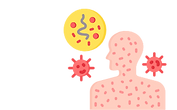.png)
.png)
.png)